Muslim
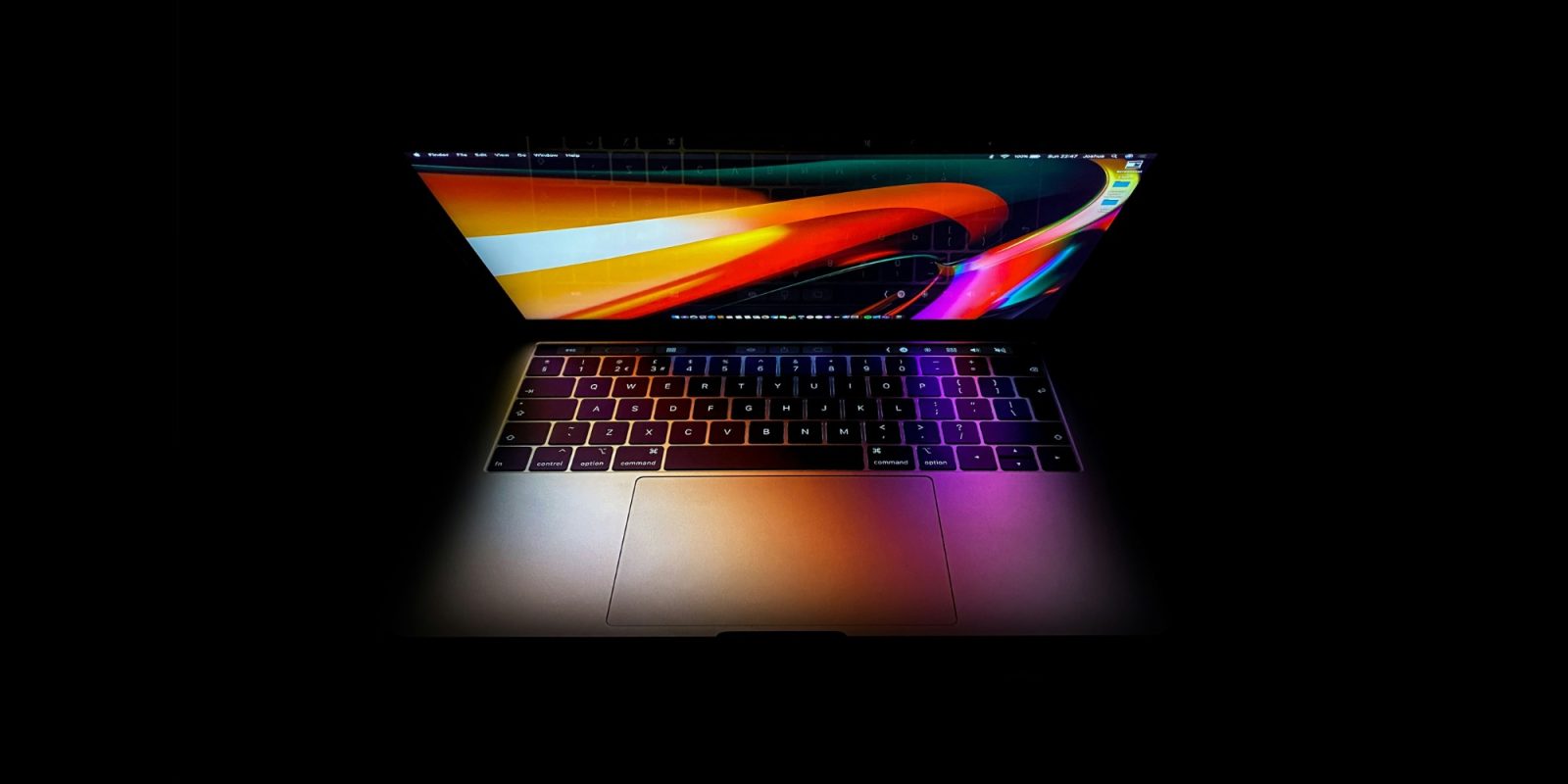
In a significant departure from its established hardware release cadence, Apple is preparing a major strategic shift for its laptop lineup. According to reports from Bloomberg’s Mark Gurman, the tech giant is positioning a redesigned entry-level MacBook Pro to debut in the spring of 2027. This move is particularly notable because it breaks the long-standing tradition of gating premium design language behind high-end “Pro” or “Max” silicon tiers. By bringing a sleek, modern chassis—rumored to feature OLED touch-enabled displays—to the base model just months after its premium debut, Apple is signaling a total overhaul of the MacBook experience.
Main Facts: A Shift in Hardware Strategy
The upcoming entry-level MacBook Pro, currently identified under the internal codename "K104," represents more than just a spec bump. For years, Apple has employed a "trickle-down" design strategy. A new aesthetic or chassis design would debut on the top-tier professional models, remaining exclusive to that bracket for 18 to 24 months before finally migrating to the entry-level machines.
This time, the gap is expected to be a mere six months. The industry is currently bracing for the arrival of the "MacBook Ultra," the high-end redesign rumored to launch alongside the M5 Pro and M5 Max chips. The K104 model will follow shortly thereafter, equipped with the M7 chip. This accelerated timeline suggests that Apple is eager to unify its industrial design language across the entire Pro range, potentially phase-out older, legacy chassis designs that have persisted in the entry-level lineup far longer than their professional counterparts.
Chronology: The Evolution of Design Migration
To understand why this 2027 move is so radical, one must look at the history of Apple’s design deployment:

- The 2012 Retina Era: When Apple introduced the high-resolution Retina display, it was a high-end luxury. It took years for the standard MacBook Pro line to fully transition to this display standard across all tiers.
- The 2016/2019 Touch Bar Divide: When the MacBook Pro was redesigned in 2016 with a thinner profile and the controversial Touch Bar, the entry-level 13-inch model remained on the "old" design chassis for several years, only receiving the Touch Bar update in 2019.
- The M1 to M3 Transition: The 14-inch MacBook Pro chassis, introduced in 2021 with the M1 Pro/Max chips, did not reach the entry-level MacBook Pro until 2023, when the M3-powered 14-inch base model finally retired the long-standing 13-inch design.
By compressing this cycle to six months in 2027, Apple is effectively abandoning the "legacy tax" that entry-level users have paid for years in the form of outdated aesthetics and older port configurations.
Supporting Data: The M-Series Conundrum
The internal roadmap for Apple Silicon has become increasingly complex, characterized by rapid pivots. Recent reports indicate that Apple has decided to abandon its plans for the high-end M6 generation of chips entirely, opting to accelerate the development of the M7 architecture.
This has resulted in a unique, albeit confusing, transitional period for consumers:
- Fall 2026: Launch of the "MacBook Ultra" (high-end) featuring the M5 Pro and M5 Max chips.
- Fall 2026 (Parallel): A secondary entry-level MacBook Pro featuring the M6 chip in the current chassis design.
- Spring 2027: The redesigned entry-level MacBook Pro (K104) featuring the M7 chip.
The decision to skip the M6 Pro/Max generation reflects a strategic focus on the M7, which is expected to leverage a more advanced manufacturing process. This leapfrogging approach suggests that Apple is prioritizing power efficiency and NPU (Neural Processing Unit) performance for its next generation of AI-driven macOS features, which are expected to be heavily integrated by 2027.
The Technological Leap: OLED and Dynamic Island
The core of the "redesign" rumor centers on three major pillars: a thinner chassis, the integration of OLED panel technology, and the introduction of touch-screen functionality.
The Touch Revolution
For over a decade, Apple executives—most notably the late Steve Jobs—were staunchly opposed to touch-screen MacBooks. However, the maturation of macOS and the increasing parity between iPadOS and the Mac have softened this stance. The rumored touch integration is not expected to turn the MacBook into a tablet, but rather to introduce a hybrid interface that allows for more fluid navigation, specifically for creative professionals working in design and video editing suites.
The Dynamic Island
The inclusion of a "Dynamic Island" on the MacBook Pro would be a significant aesthetic shift. By replacing the traditional "notch" with a functional, interactive UI element, Apple would be further unifying the design language across its iPhone, iPad, and Mac product lines. This would allow for live activity tracking, system alerts, and media controls to exist in a persistent, non-intrusive area of the screen.
OLED Benefits
The shift to OLED displays represents a long-awaited upgrade for the entry-level tier. Unlike the current Liquid Retina XDR (Mini-LED) displays, OLED offers individual pixel-level light control, leading to perfect blacks, infinite contrast ratios, and improved battery efficiency. This makes the upcoming K104 model an incredibly attractive proposition for content creators who previously felt priced out of the high-end Pro displays.

Official Responses and Corporate Strategy
While Apple has maintained its traditional policy of not commenting on unannounced products, the recent string of price increases across its laptop lineup provides context for this strategy. The entry-level MacBook Pro now sits at a price point that was previously reserved for higher-tier chips just a year ago.
Market analysts point to the global memory shortage and the rising cost of advanced semiconductors as the primary drivers of these price hikes. By offering a redesigned, high-performance machine in the spring of 2027, Apple is attempting to mitigate consumer frustration by ensuring that the value proposition—in terms of hardware longevity and design—remains high, even if the absolute price of entry has increased.
Implications: The Consumer Landscape
The implications of this move are twofold. First, it offers a "safe harbor" for buyers who are hesitant to purchase the current, aging chassis design. If you are in the market for a laptop today, the looming spring 2027 release creates a strong incentive to wait.
Second, the unification of design across the Pro range effectively kills the "budget Pro" segment in its current form. By forcing the redesign down to the base model, Apple is setting a new baseline for what a "Professional" laptop must look and feel like. While this will likely raise the average selling price (ASP) of the MacBook Pro line, it also guarantees that all users receive a consistent, premium experience.

For the consumer, the choice in 2027 will be simplified:
- The Power User: Will opt for the high-end, large-screen MacBook Ultra with the most advanced M-series silicon.
- The Creative Professional/Student: Will gravitate toward the 14-inch redesigned M7 MacBook Pro, which will offer the best balance of portability, new-gen design, and price-to-performance.
Ultimately, the 2027 roadmap reveals a company that is no longer content with keeping its entry-level products in a state of design stagnation. As AI-integrated computing and high-demand professional workflows become the norm, Apple is ensuring that the "Pro" designation retains its meaning, starting from the very first model in the lineup. Whether the market will accept these price shifts remains to be seen, but the technological leap promised by the M7 and the new chassis is objectively the most significant update to the MacBook Pro line since the transition to Apple Silicon itself.



 Suro Senen