Neng Nana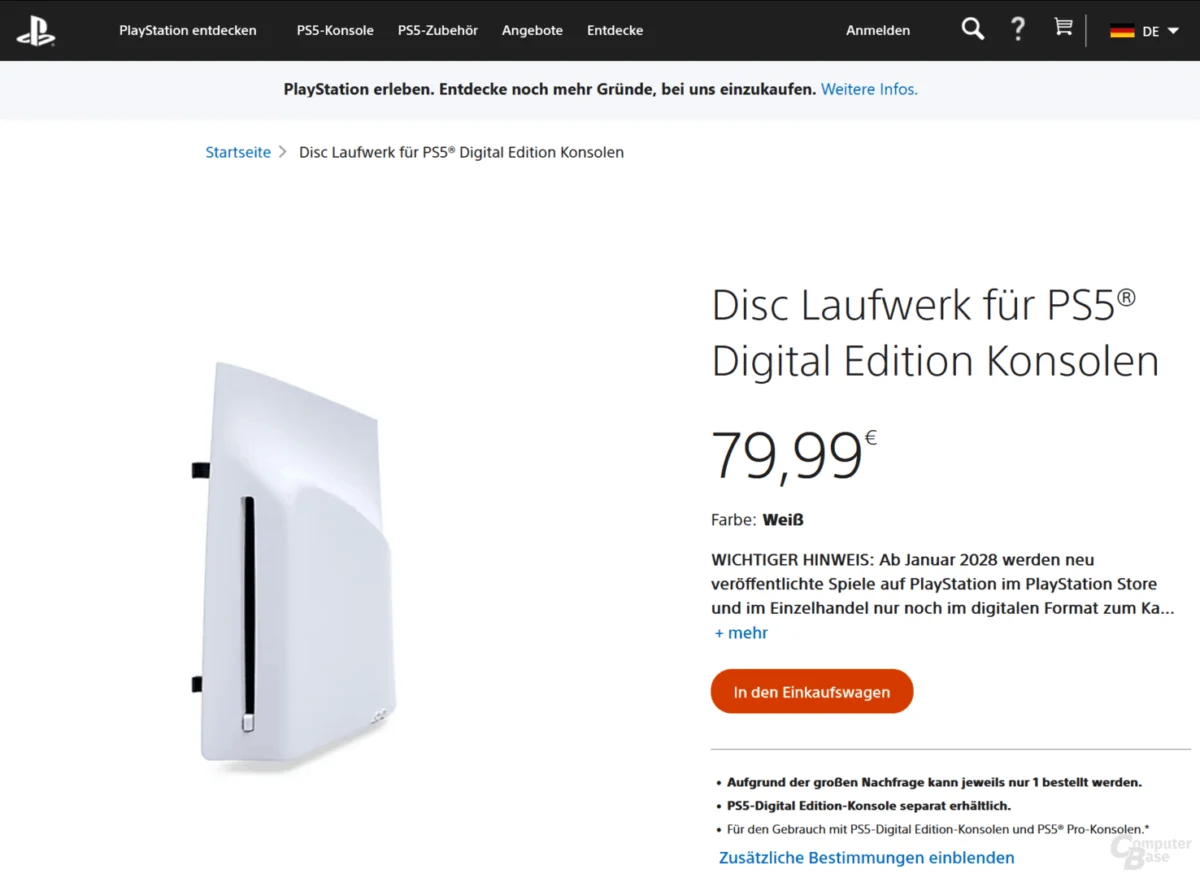
In a seismic shift for the gaming industry, Sony Interactive Entertainment has officially announced that it will discontinue the production of physical game discs for all new PlayStation titles starting in January 2028. This decision, framed by the corporation as a response to evolving consumer behavior, marks the beginning of the end for the optical media era on home consoles. However, the announcement has sparked a paradoxical controversy: while Sony insists the market has moved on, their own retail operations tell a story of sustained, high-level demand for physical hardware.
The Official Stance: A Natural Evolution
On Wednesday, Sony released a formal statement clarifying its roadmap for the coming years. The company characterized the move as a “natural direction” taken to align with global entertainment trends. According to the corporate narrative, the preference for digital distribution has “significantly outpaced” physical media, rendering the manufacturing and logistics of Blu-ray discs an inefficient relic of the past.
“As consumer preferences and the broader entertainment industry continue to shift away from physical discs to digital, physical game disc production for all new games releasing on PlayStation consoles will be discontinued starting January 2028,” the company stated. The rationale is clear: by migrating entirely to a digital-first ecosystem, Sony aims to streamline its supply chain and modernize its delivery methods to match the speed of the current digital landscape.
Chronology of the Decline
To understand the gravity of this decision, one must look at the gradual erosion of physical media over the last decade.
- 2013–2020: The PlayStation 4 era saw the first significant rise in digital sales, bolstered by the introduction of pre-loading and the convenience of high-speed internet.
- Late 2024: Following the launch of the PlayStation 5 Pro, the industry witnessed an unprecedented supply crunch for the modular disc drives compatible with the Slim and Pro models. Prices on the secondary market surged to as high as €247, signaling that a significant portion of the core audience remained deeply invested in physical media.
- January 2025: Facing intense scrutiny and supply shortages, Sony implemented a purchase cap of one disc drive per household via their direct store—a policy that remains in effect today.
- The Present: The shadow of the Grand Theft Auto VI release—which famously emphasized a download-code-only approach for its premium editions—served as a precursor to this week’s definitive announcement regarding the 2028 sunset of the disc.
The Paradox: Why Limit What Nobody Wants?
The most striking element of Sony’s current predicament is the blatant contradiction between its policy and its marketing rhetoric. On the official PlayStation Direct storefront, users are greeted with a bold, emphatic warning: “Due to high demand, only one disc drive may be purchased per household.”
This restriction, which has been in place since early 2025, creates an optics nightmare for the manufacturer. If, as Sony claims, the market has moved on from physical media and the demand for discs is dwindling, why does the modular hardware required to play those discs remain under strict purchase limitations?
This disconnect suggests that Sony is attempting to perform a delicate balancing act. They want to transition the market to a high-margin, closed-loop digital ecosystem, but they are simultaneously forced to acknowledge that a vocal and significant segment of their user base is still fighting for the right to own physical software.
The Economics of the Digital Monopoly
Industry analysts suggest that the move toward a fully digital future is motivated by more than just “consumer convenience.” By eliminating the physical disc, Sony effectively dismantles the secondary market.
The Death of the Used Game Market
The physical disc is the foundation of the gaming “second-hand” economy. When a player finishes a game, they can sell, trade, or lend that disc to a friend. In a purely digital ecosystem, these rights are stripped away. Players are tethered to their accounts; they cannot sell their licenses, nor can they lend a game to a friend once they are finished. This transition gives Sony, and the publishers on its platform, near-total control over pricing and availability.

Monopolizing the Ecosystem
Without the ability to purchase physical copies from third-party retailers (such as Amazon, GameStop, or local shops), consumers are forced to purchase software through the PlayStation Store. This creates a de facto monopoly where Sony sets the price, dictates sales, and manages the entire transaction lifecycle. For the corporation, this is the ultimate optimization of profit margins.
Implications for Collectors and Preservationists
The announcement has sent shockwaves through the gaming preservation community. Physical media has long been the gold standard for game archival. Unlike digital servers, which can be shuttered at the discretion of the provider, a physical disc—provided the game is complete on the media—offers a degree of permanence.
As we look toward 2028, several critical questions remain:
- Digital Archival: What will happen to the digital libraries of users if servers are eventually decommissioned?
- Price Inflation: Without the competitive pressure of brick-and-mortar retail and the used game market, will the price of digital titles continue to climb?
- Data Caps and Accessibility: For players in regions with poor internet infrastructure or strict data caps, the shift to a mandatory 100GB+ download for every game poses a significant barrier to entry.
Consumer Backlash and the “Digital-Only” Future
The reception from the gaming community has been, to put it mildly, hostile. On social media platforms and gaming forums, players have voiced concerns regarding the loss of ownership. The mantra “you will own nothing and be happy” has become a rallying cry for critics of this policy.
Many gamers argue that Sony is misinterpreting their behavior. While players do purchase digital games for convenience, they argue that the option for a physical copy is a necessary “safety valve.” It provides a backup, a sense of ownership, and a hedge against future price gouging.
Conclusion: A Strategic Pivot or a Miscalculation?
Sony’s pivot to a digital-only future is a high-stakes gamble. By 2028, the company expects the transition to be complete, betting that the convenience of an all-digital library will outweigh the lingering desire for physical media.
However, the irony remains: as long as Sony feels the need to strictly limit the sale of disc drives to prevent scalping and manage inventory, the evidence of a robust, active demand for physical media is undeniable. Whether the company is successfully reading the “trends” or simply forcing a transition to maximize its own bottom line remains a point of intense debate. One thing is certain: the era of the physical disc is entering its final, contentious chapter, and the relationship between console manufacturers and their players will never be the same.
As we move closer to the 2028 deadline, the industry must grapple with the reality that, for the first time in the history of home gaming, the ability to "own" a game is being replaced by the privilege of "accessing" it—a change that will redefine the medium for generations to come.


 Reynand Wu
 Basiran