In a poignant announcement that marks the conclusion of a significant chapter in digital journalism, the long-standing hardware and modding publication bit-tech.net has officially announced its closure. For nearly two decades, the site has served as a cornerstone for PC enthusiasts, custom modders, and hardware critics, establishing a reputation for uncompromising editorial integrity.
Despite the cessation of new editorial content, the site’s leadership has moved to reassure its massive, loyal user base that the forums—the site’s beating heart—will remain online, operational, and entirely ad-free for the foreseeable future.
Main Facts: The Sunset of a Digital Institution
The announcement, delivered with a mix of nostalgia and finality, confirms that bit-tech as a professional media entity is ceasing operations. The editorial team, known for its rigorous testing methodologies and deep dives into the world of PC modding, will no longer publish new reviews, features, or news articles.
Crucially, the leadership has issued a firm disclaimer regarding the future: there are no plans to migrate user data to a new system, nor are there any sanctioned successor publications. Any entity claiming to be the "new" bit-tech or a continuation of the brand is officially unaffiliated with the original team, Hexus, or the legacy of bit-tech. The site is transitioning from an active news hub into a preserved, community-maintained archive.
Chronology: From Garage Modding to Global Authority
To understand the weight of this closure, one must look back at the trajectory of bit-tech. Founded in the early 2000s, the platform emerged during the "Golden Age" of PC modding. It was a time when the beige box aesthetic was being systematically dismantled by enthusiasts who viewed their computers as canvases.
The Rise of the Modding Movement
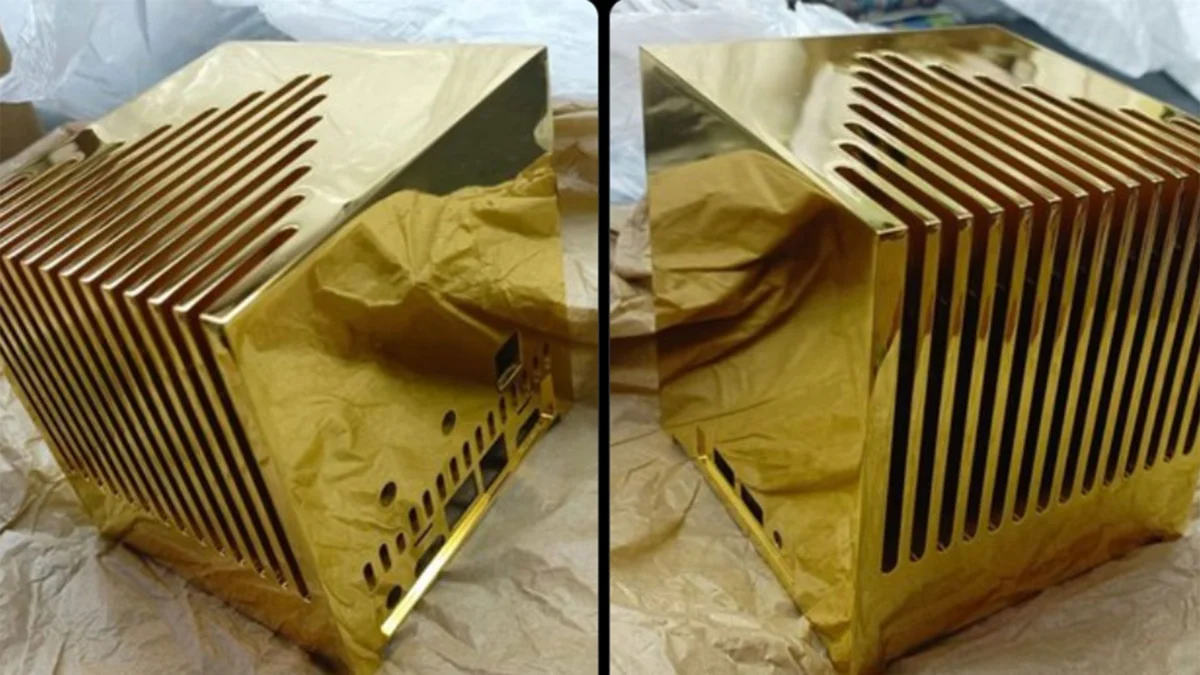
In its early years, bit-tech became the global epicenter for case modding. Features like the legendary "Call of Duty Nvidia Ammo Case" mod became cultural touchstones within the hardware community. These projects were not merely aesthetic; they were engineering feats that forced manufacturers to rethink airflow, chassis design, and the integration of water-cooling loops.
The Professionalization Phase
As the site matured, it transitioned from a community-centric blog to a professional editorial powerhouse. It became known for a specific brand of journalism: sharp, irreverent, and profoundly skeptical of marketing spin. While many industry publications fell into the trap of "press-release journalism," bit-tech maintained a reputation for "never kowtowing to brands."
The Final Chapter
The decision to close was described as a desire to "go out on a high." After years of navigating the shifting landscape of digital advertising, algorithm changes, and the rise of social media influencers, the editorial team concluded that the mission they set out to achieve had been fulfilled.
Supporting Data: The Value of the Community
The success of bit-tech was never solely about the reviews—it was about the ecosystem. Data from the site’s historical engagement metrics reveals a highly specialized audience. Unlike general tech news portals, the bit-tech demographic consisted of "smart, assertive tech-lovers."
- Forum Longevity: The forums boast hundreds of thousands of threads documenting the evolution of hardware from the Pentium 4 era through the modern multi-core GPU wars.
- Editorial Integrity: Over the course of its tenure, the site published thousands of deep-dive critiques. These were characterized by a refusal to prioritize brand relationships over performance metrics.
- Sustained Support: The site’s longevity was supported by a diverse array of hardware partners who recognized that the bit-tech community was a "high-signal" group of consumers—people who didn’t just buy tech, but understood it at a granular level.
Official Responses and Editorial Reflection
The final communication from the leadership team emphasized a deep sense of gratitude. "For me, rather like you guys, bit-tech.net has been a huge part of my life," the statement read. The focus of the farewell was not on the corporate struggle of running a publication, but on the intellectual vitality of the readership.
The "No-Kowtow" Policy
One of the most praised aspects of the site was its editorial independence. By respectfully examining a product’s purpose rather than simply regurgitating marketing copy, bit-tech helped define the standard for what a professional review should be. The editors noted that the community’s "brilliantly vocal" nature ensured that the site remained honest; when a product was bad, the community was the first to hold the brand accountable, and the editors were the first to put it into print.
The Future of the Forums
Perhaps the most critical takeaway for the user base is the transition to an ad-free, archival state. By keeping the forums online, the legacy of the site’s knowledge base—decades of troubleshooting, project logs, and hardware debates—remains accessible. This decision prevents the "link rot" that has decimated many other historical tech forums, ensuring that the history of PC building remains an open resource.
Implications: The Changing Landscape of Tech Media
The closure of bit-tech is symptomatic of a broader shift in the digital media landscape. As the internet has moved toward short-form video and algorithmic feeds, the "deep-dive" publication model—which requires significant overhead for testing hardware and writing long-form, thoughtful analysis—has become increasingly difficult to sustain.
The Dissemination of Expertise
With bit-tech exiting the stage, there is a visible vacuum in the market for high-level technical critiques. While the industry is flooded with "unboxing" content and superficial "first looks," the analytical rigor that bit-tech brought to the table is becoming an endangered species.
The Rise of Community-Owned Knowledge
The decision to keep the site as an ad-free archive carries significant implications for digital preservation. In an era where corporate publishers often delete or archive "legacy content" to save on server costs, bit-tech is choosing to hand the keys back to the community. This move acknowledges that the true value of the site was never the brand itself, but the collective knowledge generated by the users who populated its threads.
A Warning to Successors
The editorial team’s explicit warning against "future publications" claiming to be bit-tech serves as a cautionary tale. It suggests that the brand was inextricably linked to the specific team and culture that created it. To attempt to "revive" the name without the original ethos would be, in their eyes, an exercise in bad faith.
Conclusion: A Legacy Left in Good Hands
As bit-tech.net closes its doors to new content, it leaves behind a blueprint for how a community can interact with a professional publication. The site successfully bridged the gap between the chaotic, creative energy of the modding scene and the structured, disciplined world of tech journalism.
The forums will remain, serving as a monument to the thousands of hours users spent debating, building, and learning. For those who grew up reading the site, it is the end of a long-standing routine—a morning coffee with a critique of the latest GPU or a deep dive into a custom-machined chassis.
While the publication itself has retired, its influence will persist. The next generation of PC builders, engineers, and hardware enthusiasts will continue to walk through the digital archives of bit-tech, learning from the same threads that defined the last twenty years of computing. As the team stated in their final sign-off, "It’s goodbye from me and goodbye from bit-tech." It is a quiet, dignified end to a loud and vibrant legacy.