Layla Zulfa
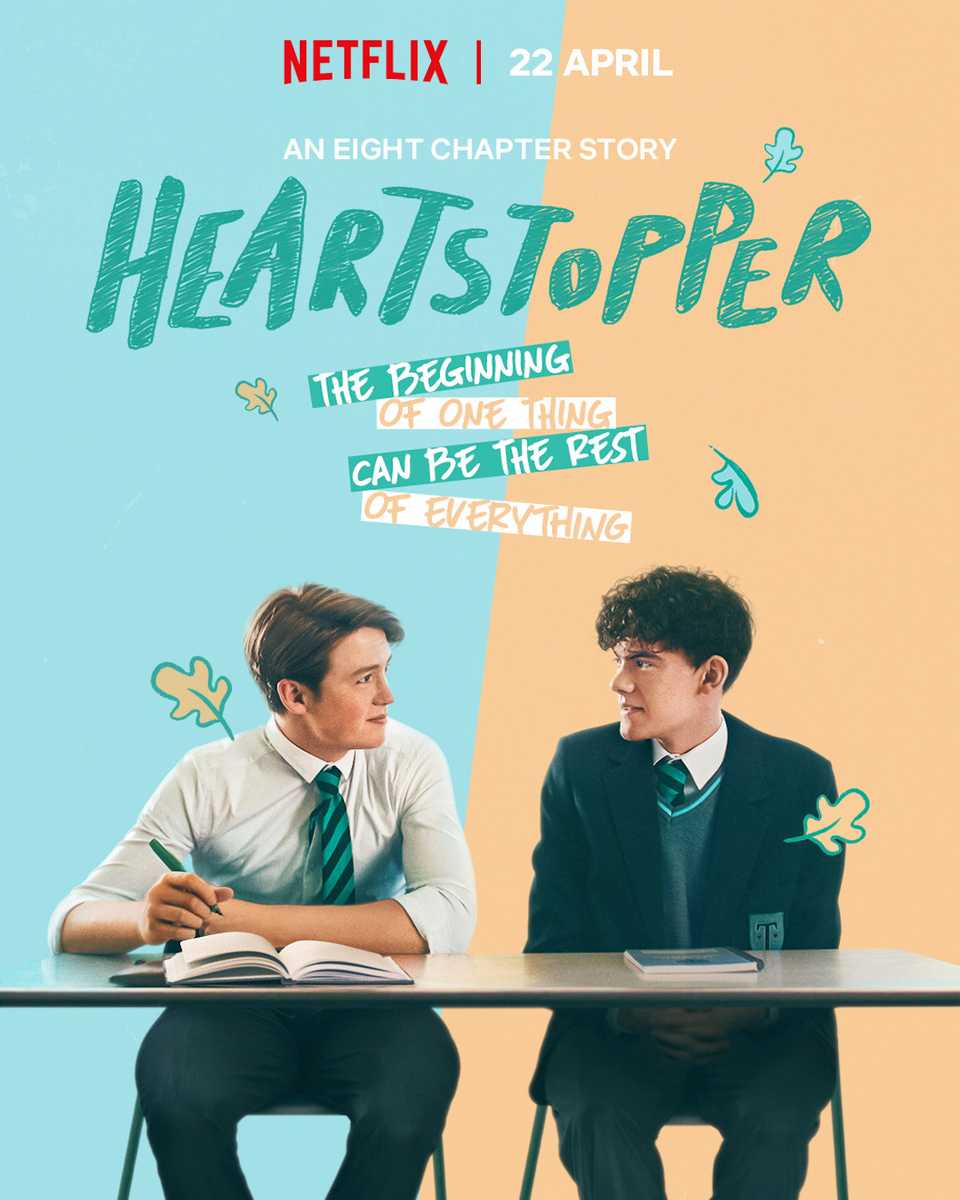
In the vast, ever-shifting landscape of streaming television, few series have managed to capture the global zeitgeist with the same sincerity, grace, and emotional resonance as Netflix’s Heartstopper. Since its quiet debut in April 2022, the British romantic comedy—based on the celebrated graphic novel series by Alice Oseman—has transcended its teen drama origins to become a landmark of queer storytelling. However, as the streaming giant continues to pivot its content strategy, it has been confirmed that this beloved franchise is set to conclude. The journey of Nick Nelson and Charlie Spring will reach its emotional crescendo this month with the release of a feature-length finale, Heartstopper Forever, arriving on Netflix on July 17, 2026.
A Cultural Phenomenon: The Rise of Nick and Charlie
When Heartstopper first premiered, it was an immediate outlier in the Netflix library. In a market often saturated with gritty, high-stakes thrillers or hyper-cynical comedies, the show’s earnest exploration of first love, identity, and the tender complexities of adolescence felt revolutionary. By focusing on the developing bond between Charlie Spring (Joe Locke) and Nick Nelson (Kit Connor), the series cultivated a loyal, global fanbase that found solace in its optimistic tone and grounded character development.
Over the course of three seasons, the show grew alongside its audience. It deftly navigated sensitive themes, moving beyond the initial "boy meets boy" premise to tackle mental health, the pressures of coming out, and the inevitable turbulence of growing up. Its success proved that there was a massive, untapped appetite for stories that prioritized emotional vulnerability over manufactured conflict. By the time the third season concluded, Heartstopper had cemented its status not just as a hit, but as a cultural touchstone that redefined the expectations for young adult representation in media.
Chronology of a Success Story
The trajectory of Heartstopper is one of consistent growth and careful curation. Below is the timeline of the franchise’s expansion on Netflix:

| Heartstopper Installment | Release Date |
|---|---|
| Heartstopper Season 1 | April 22, 2022 |
| Heartstopper Season 2 | August 3, 2023 |
| Heartstopper Season 3 | October 3, 2024 |
| Heartstopper Forever (Feature Film) | July 17, 2026 |
The move to conclude the series with a feature-length film rather than a traditional fourth season is a testament to the creative team’s commitment to the source material. By pacing the story as a definitive finale, Netflix and Alice Oseman have ensured that the conclusion remains true to the narrative arc established in the graphic novels.
The Narrative Shift: Transitioning to Adulthood
Heartstopper Forever picks up in the immediate aftermath of the Season 3 finale. As the characters stand on the precipice of adulthood, the stakes for the central couple have never been higher. The narrative transition is marked by the looming shadow of university life—a classic trope of coming-of-age stories, but one that is given renewed weight here through the lens of Nick and Charlie’s established, deep-seated partnership.
The film explores the logistical and emotional challenges of long-distance relationships, as well as the individual journeys of self-discovery that occur when the protective bubble of high school begins to burst. Charlie, who has spent much of the series learning to accept himself, is portrayed as becoming a more independent force, while Nick must balance his devotion to Charlie with his own aspirations for the future. By opting for a film format, the creators have been able to condense this period of transition into a focused, high-impact narrative that avoids the "filler" often found in extended television seasons.
Why a Movie? The Creative Logic
The decision to end with a film rather than a Season 4 has been a point of significant discussion among the fanbase. However, from a structural and creative standpoint, the shift makes perfect sense. Alice Oseman, who serves as the showrunner and primary creative force, has noted that the final chapters of the story required a different level of intimacy and pacing.

Incorporating elements from both the upcoming sixth and final graphic novel as well as standalone supplementary novellas, Heartstopper Forever acts as an expansive epilogue. A standard season of television would have required stretching these pivotal moments across six to eight episodes, potentially diluting the emotional payoff. By consolidating the material, the creative team has prioritized narrative density.
Furthermore, the practicalities of production cannot be ignored. The cast members, who were teenagers when the show began, have grown into young adults. Their evolution—both as performers and as people—has naturally influenced the tone of the series. Wrapping the production with a film provides a natural "graduation" for the cast, allowing them to close the chapter on these roles while the characters themselves graduate into the next phase of their lives.
Official Perspectives and Industry Impact
Netflix’s decision to conclude Heartstopper on a high note—rather than stretching it until interest wanes—reflects a maturing strategy for the platform. In recent years, Netflix has faced criticism for canceling shows prematurely or allowing successful series to drag on until they lose their original identity. Heartstopper represents a "best of both worlds" approach: a multi-year hit that is allowed to reach a satisfying, pre-planned conclusion.
Industry analysts suggest that the success of the Heartstopper model—which feeds directly into book sales and social media engagement—has provided a blueprint for how to adapt young adult literature. The symbiotic relationship between the graphic novels and the streaming series created a cycle of anticipation that kept the brand relevant for four years. By treating the finale as an event-level film, Netflix is signaling that it views the franchise as a prestigious asset worthy of a celebratory send-off.

Implications for the Genre
The end of Heartstopper leaves a significant void in the streaming landscape. For years, it has stood as the gold standard for queer-led, character-driven storytelling. The question now becomes: what comes next?
The success of Heartstopper has proven that audiences are eager for stories that center on joy and growth rather than trauma. While the industry will undoubtedly look for the "next Heartstopper," the show’s legacy may ultimately lie in the fact that it made space for a different kind of teen drama. It proved that audiences do not need high-concept science fiction or dark, nihilistic twists to remain engaged; sometimes, the most radical act is a story about two people learning how to love each other and themselves.
As July 17 approaches, the excitement surrounding Heartstopper Forever is palpable. It is a rare example of a television series that has maintained its creative integrity from start to finish. Whether it is the final look at Nick and Charlie’s evolution or the emotional farewell to the supporting ensemble cast, the film promises to be a capstone on one of the most heartwarming journeys in recent television history.
Final Reflections
As we prepare to bid farewell to the halls of Truham and Higgs, it is worth acknowledging the impact the show has had on its audience. For many viewers, the series provided a vocabulary for their own experiences, offering a blueprint for healthy communication and the importance of having a support system.
The transition from a graphic novel to a streaming series, and finally to a feature film, reflects the journey of the characters themselves. They are moving on, and so are the fans who have followed them. While Heartstopper as a production may be ending, its influence on the cultural landscape will endure. Netflix has provided a home for a story that, at its heart, was always about the courage to be oneself. When the credits roll on Heartstopper Forever, it will not just be the end of a show, but the satisfying conclusion of a modern classic.

 Rifan Muazin
 Reynand Wu