Iffa Jayyana
By Giovanni Colantonio
Published Jul 5, 2026, 2:30 PM EDT
The Ever-Expanding Universe of Role-Playing Games Faces a Critical Question: When is Enough, Enough?
In an era defined by a seemingly endless deluge of digital entertainment, the humble role-playing game (RPG) has undergone a profound transformation. Once revered for their sprawling narratives and lengthy campaigns, a new, provocative argument is gaining traction within the gaming community: no RPG, no matter how grand its ambition, truly needs to exceed 40 hours. This bold assertion, championed by Polygon’s Giovanni Colantonio, challenges deeply ingrained expectations about value, immersion, and the very essence of the genre, sparking a fiery debate across forums and developer studios alike. While exceptions like Persona 5 are acknowledged for their masterful execution of extended runtimes, the core contention is clear: a lean, focused experience might just be the antidote to player fatigue and the burgeoning backlog crisis.
This article delves into the escalating discussion surrounding RPG game length, examining the historical context that led to today’s supersized adventures, dissecting the arguments for and against prolonged playtimes, and exploring the potential implications for both developers and players in the years to come.
The Genesis of Grandeur: A Chronology of RPG Length
The journey of the RPG, from its tabletop origins to its digital dominance, has been inextricably linked with the concept of extensive playtime. Early computer RPGs, often text-based or with rudimentary graphics, inherently demanded imagination and time to navigate their intricate worlds. As technology advanced, so did the scope of these digital sagas.
Early Eras (1980s-1990s): Foundations of Length
Games like Ultima, Wizardry, and Bard's Tale in the West, and Dragon Quest and Final Fantasy in Japan, laid the groundwork for lengthy adventures. While early console RPGs might have been completed in 20-30 hours, they felt expansive for their time. The 16-bit era, with titles like Chrono Trigger (around 20-30 hours) and Final Fantasy VI (30-40 hours), began to push boundaries, offering rich stories and worlds that felt substantial without being overwhelmingly long. These games often relied on compelling narratives and innovative mechanics rather than sheer content volume to create lasting impressions.
The PlayStation Era (Mid-1990s – Early 2000s): The Rise of the Epic
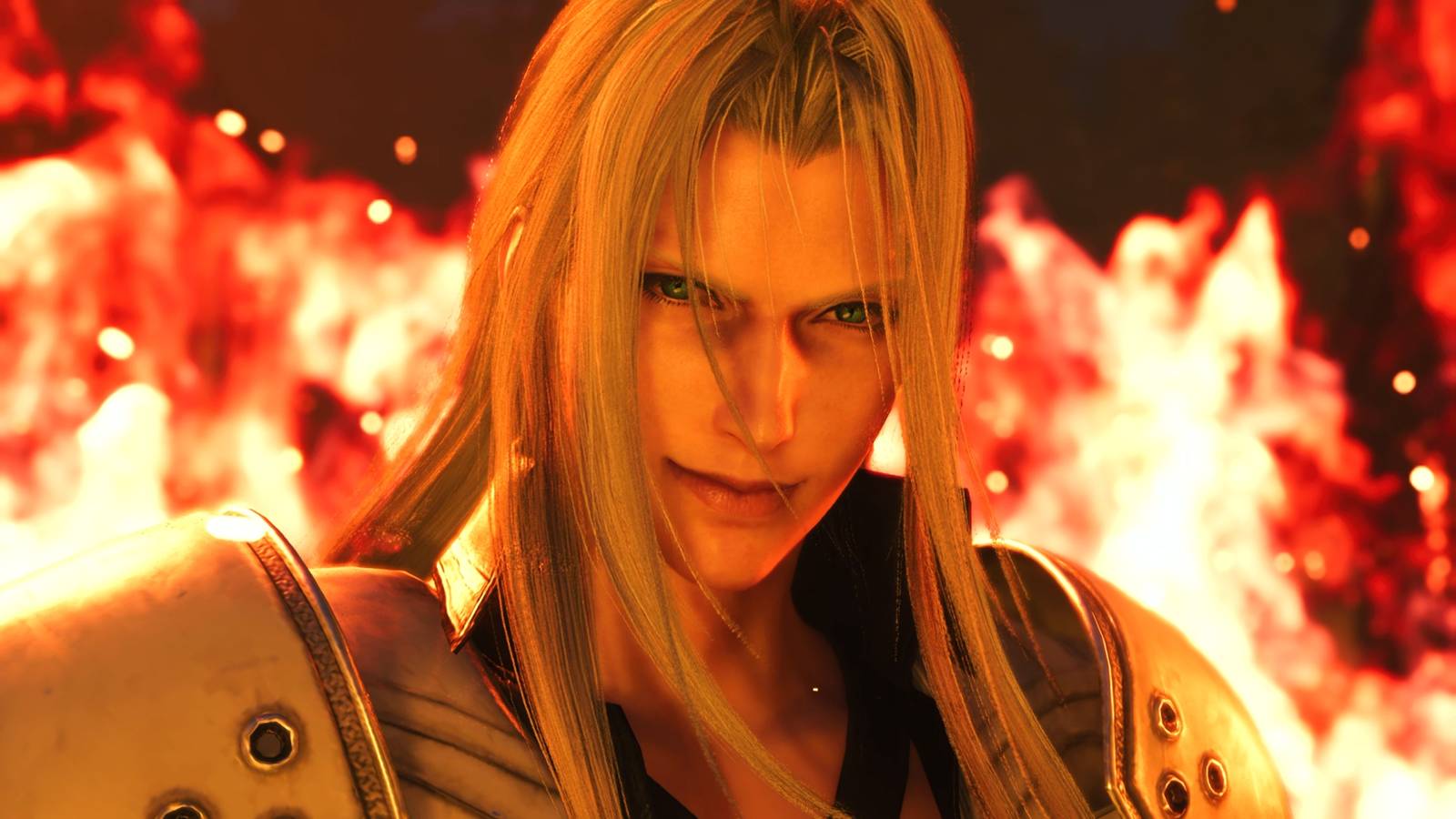
The advent of CD-ROM technology dramatically expanded storage capacity, paving the way for truly epic RPGs. Final Fantasy VII (around 40-60 hours for main story) became a benchmark, proving that cinematic storytelling and intricate worlds could sustain player engagement over dozens of hours. The Persona series, which Colantonio cites as a worthy exception, began to evolve here, with titles like Persona 2 starting to blend social simulation with dungeon crawling, hinting at the extensive playtime its modern iterations would embrace. This period cemented the expectation that a flagship RPG should offer a significant time investment.
Modern Era (2000s – Present): The Open-World Explosion and Content Bloat
The last two decades have witnessed an exponential growth in RPG scale, largely driven by the open-world phenomenon. Games like The Elder Scrolls V: Skyrim, The Witcher 3: Wild Hunt, and Fallout titles pushed main story runtimes well beyond 50 hours, with completionists often clocking hundreds. This trend, while initially celebrated for its freedom and breadth, began to introduce an insidious problem: content bloat. Developers, perhaps feeling pressure to justify higher price points or cater to a perception of "value," started filling vast maps with repetitive side quests, collectibles, and grinding mechanics, inadvertently stretching gameplay without necessarily deepening the experience. This is the backdrop against which Colantonio’s argument emerges, questioning whether this relentless pursuit of length has truly served the genre or its players.
The Argument for Concision: Narrative Density Over Narrative Sprawl
At the heart of the "40-hour maximum" argument lies a fundamental principle of storytelling: concision. Giovanni Colantonio asserts that "less is more," arguing that forcing a narrative to fill 60, 80, or even 100 hours often leads to a diluted, less impactful experience.
Diluted Narratives and Padded Dialogue
When a story is stretched thin, the natural consequence is the introduction of filler. This can manifest as long-winded conversations that do little to advance the plot or develop characters. Colantonio points to Bravely Default as a prime example, where a strong initial momentum is derailed by "long-winded conversations that don’t do much to advance a story or develop characters." The infamous final act twist, requiring players to replay significant portions of the game with minimal narrative payoff, exemplifies how artificial length can actively detract from player enjoyment and engagement.
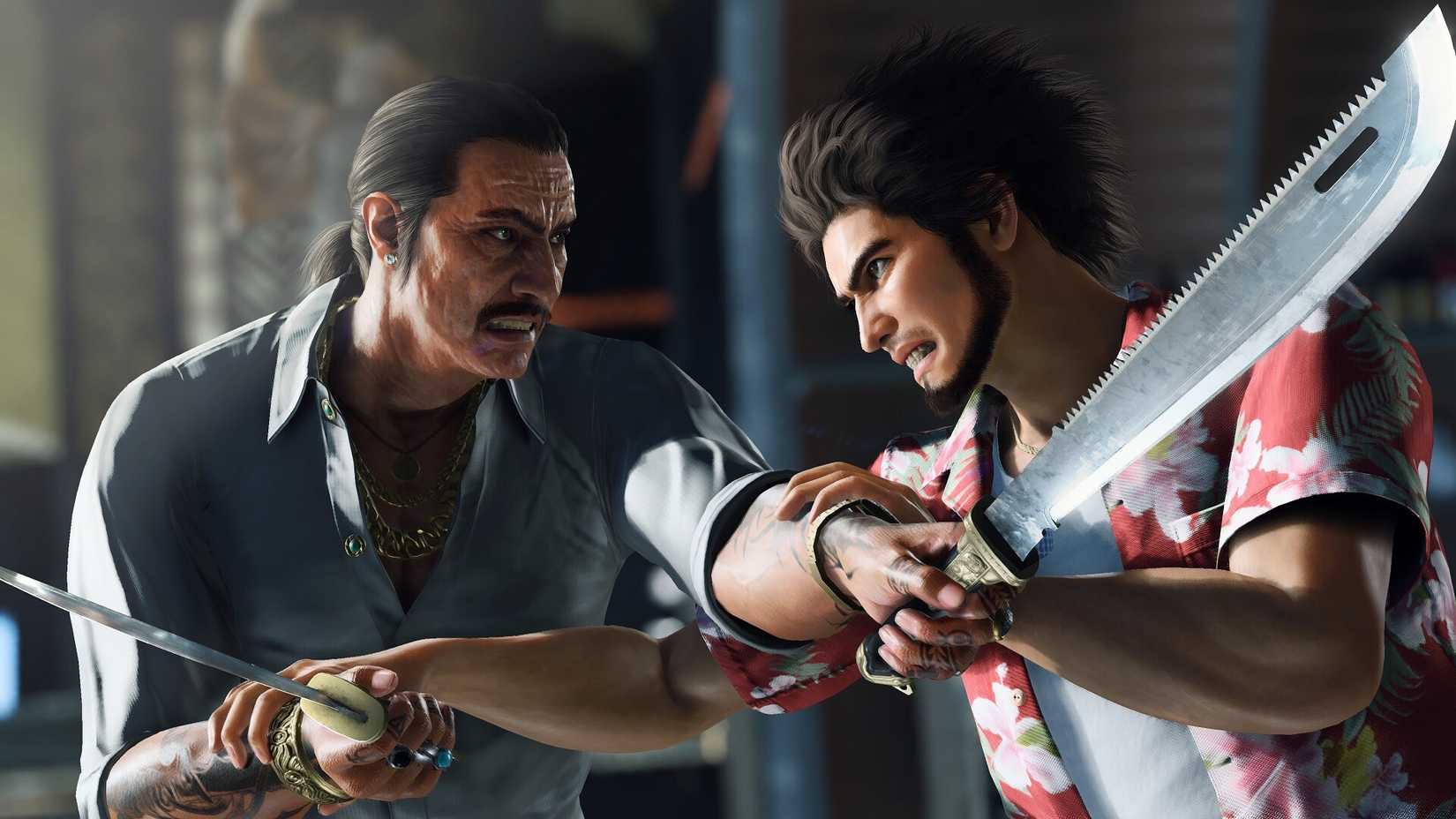
Similarly, even highly anticipated titles like Final Fantasy 7 Rebirth and Like a Dragon: Infinite Wealth, despite their critical acclaim, are cited as potentially suffering from this "supersized stories that go for broke" approach. Colantonio argues that neither sequel is "as memorable as their respective predecessors," suggesting that their expanded scope may have come at the cost of narrative tightness and memorable pacing. A truly impactful story, regardless of genre, thrives on purposeful progression, meaningful dialogue, and a clear arc, all of which can be compromised when designers are pressured to meet arbitrary runtime targets.

The Burden of Backlogs and Player Time
In an age where new, high-quality games are released almost weekly, players face an unprecedented "backlog crisis." Time, for many adults, is a precious commodity. A 100-hour commitment is not merely a game; it’s a lifestyle choice, potentially consuming months of leisure time. This reality makes the prospect of dropping a game 50 hours in, due to exhaustion from grinding, a common and frustrating experience. Colantonio’s call for industry-wide introspection stems from this very practical concern: players want to see stories to their conclusion, but the sheer time investment required by many modern RPGs often makes this impossible.
Gameplay Fatigue: When Systems Wear Thin
Beyond narrative concerns, excessive length can also expose the limitations and repetitiveness of a game’s core mechanics. What feels fresh and engaging in the first 20 hours can become a monotonous chore by hour 60.
Repetitive Combat and Exploration
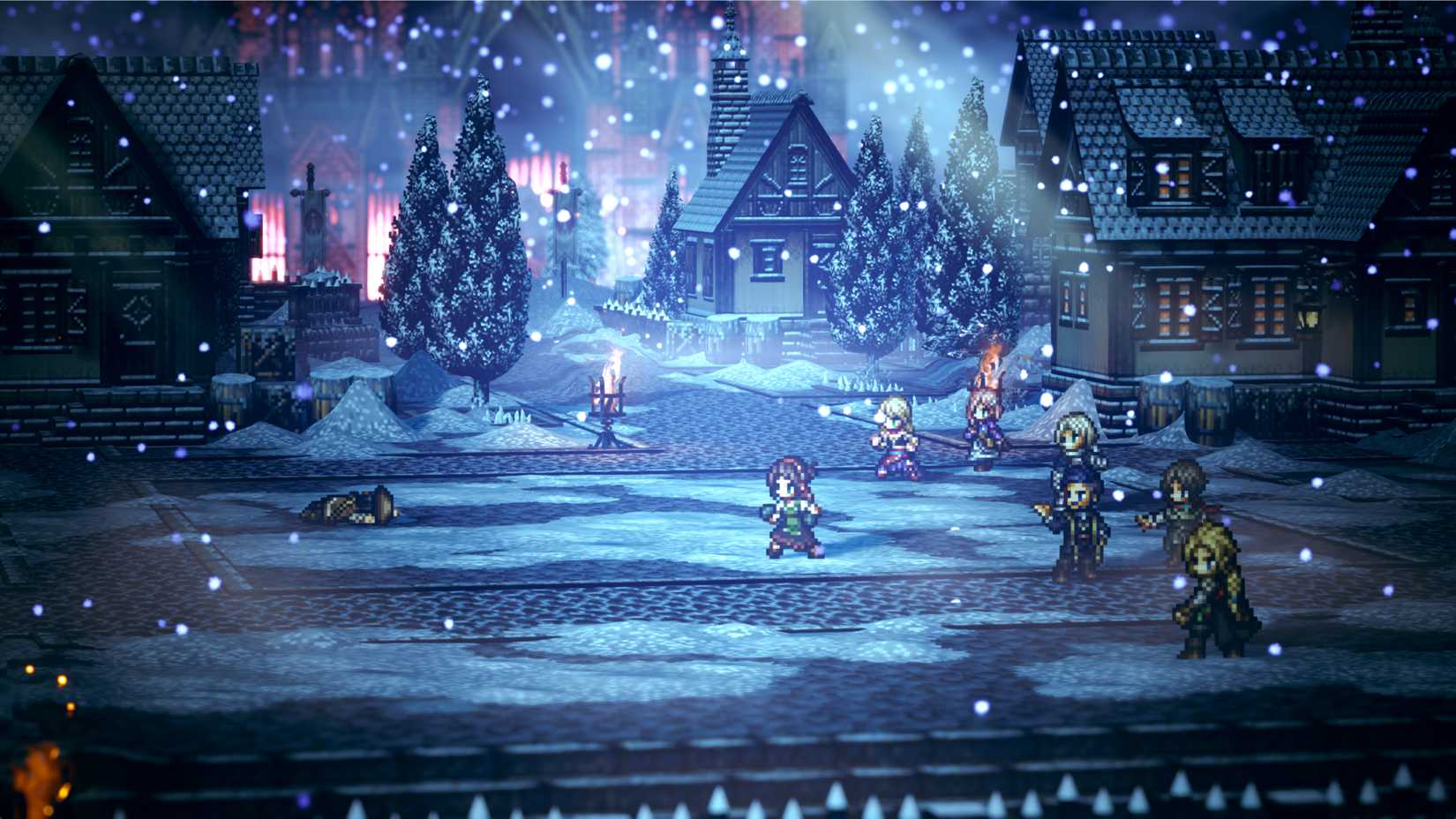
The Octopath Traveler series, with its acclaimed deep job system and strategic combat, serves as a poignant illustration of this point. While the initial hours are lauded for giving "players plenty of room to experiment in combat," this "hook wears thin when I’m 400 random battles deep and repeating my same tightly-optimized moves on a batch of enemies I’ve faced countless times." The joy of discovering synergistic party compositions or optimal strategies diminishes when applied ad nauseam to a seemingly endless stream of similar encounters.
This extends beyond combat to exploration. Vast open worlds, initially exciting to traverse, can devolve into checklists of repetitive tasks – collecting arbitrary items, clearing identical enemy camps, or engaging in fetch quests that add little to the narrative or character development. When an RPG’s systems, however well-designed, are stretched too far, they risk becoming a grind rather than a genuine challenge or rewarding experience. The "puzzle" of an RPG, once solved by finding the optimal party or strategy, leaves players "going through the motions for the next 40 hours once the game has shown you everything it has."
The "Bang for Your Buck" Dilemma: Quantity vs. Quality
A common defense for ultra-long RPGs, especially in an era of $80 titles, is the "bang for your buck" argument. Players want to feel like their significant financial investment is justified by an equally significant time investment.
The Consumer Perspective
"I understand the appeal of a long RPG, especially in an age where video game prices are hitting the $80 mark," Colantonio concedes. "A lot of people may only be able to afford two, maybe three, games a year. If you want to get the most bang for your buck, the idea of a very long game that will take months to complete is alluring." This perspective is entirely valid from a consumer standpoint. In a competitive market, perceived value often correlates with sheer volume of content. However, Colantonio immediately counters this by asking whether quantity always equates to quality, challenging players to "find a game that would be made worse by some editing."
The Perceived vs. Actual Value Debate
The debate boils down to perceived value versus actual enjoyment. Is 80 hours of mediocre or repetitive content truly a better value than 40 hours of consistently excellent, engaging gameplay? Many argue that the latter offers a more satisfying experience, even if the playtime is shorter. The feeling of completing a game, rather than abandoning it due to burnout, carries its own unique value.
Nuances and Exceptions: When Length is the Point
While the 40-hour limit is presented as a general rule, Colantonio acknowledges that certain RPGs genuinely earn their extended runtimes. The key distinction lies between artificial padding and organic, meaningful length.
The Persona Paradigm
Persona 5, clocking in at around 90 hours for a main playthrough, is highlighted as a shining example of an RPG that justifies its enormity. "I put around 90 hours into Persona 5 and barely felt like there was a wasted moment," Colantonio states. What sets Persona apart? Its unique blend of social simulation, dungeon crawling, and narrative depth creates a multifaceted experience where every in-game day feels purposeful. Building social links, managing school life, and tackling surreal dungeons are all interconnected, ensuring that the extensive runtime is filled with diverse, engaging activities that constantly move the story and character development forward. It’s not just a long game; it’s a dense, richly woven experience.
Open Worlds Done Right: The Elden Ring Model
Another crucial exception often brought into the discussion is Elden Ring. For many, its "enormity" is not a flaw but a core component of its genius. The vast Lands Between invite exploration, discovery, and emergent gameplay. Player choice, build variety, and the sheer joy of stumbling upon new secrets or formidable challenges organically extend the playtime. In such titles, the length isn’t about filling a quota; it’s about providing a truly expansive sandbox where players craft their own unique journey. The distinction here is critical: Elden Ring‘s length is often player-driven, offering countless optional paths and challenges, rather than being a mandatory linear progression filled with padding.
Colantonio acknowledges this, stating, "It’s hard to imagine Elden Ring working as well as it does without its enormity. That’s a fair case, but have you considered that 40 hours is still a really goddamn long time?" This implies that while some games benefit from vastness, the bar for justifying that length is incredibly high, and many fail to meet it.
The Rise of the Concise RPG: A New Paradigm?
Despite the prevalence of gargantuan RPGs, a counter-trend is emerging, proving that impact and depth don’t necessarily require hundreds of hours. Colantonio champions several recent titles that embody this philosophy, suggesting a potential shift in design priorities.
Streamlined and Impactful Experiences
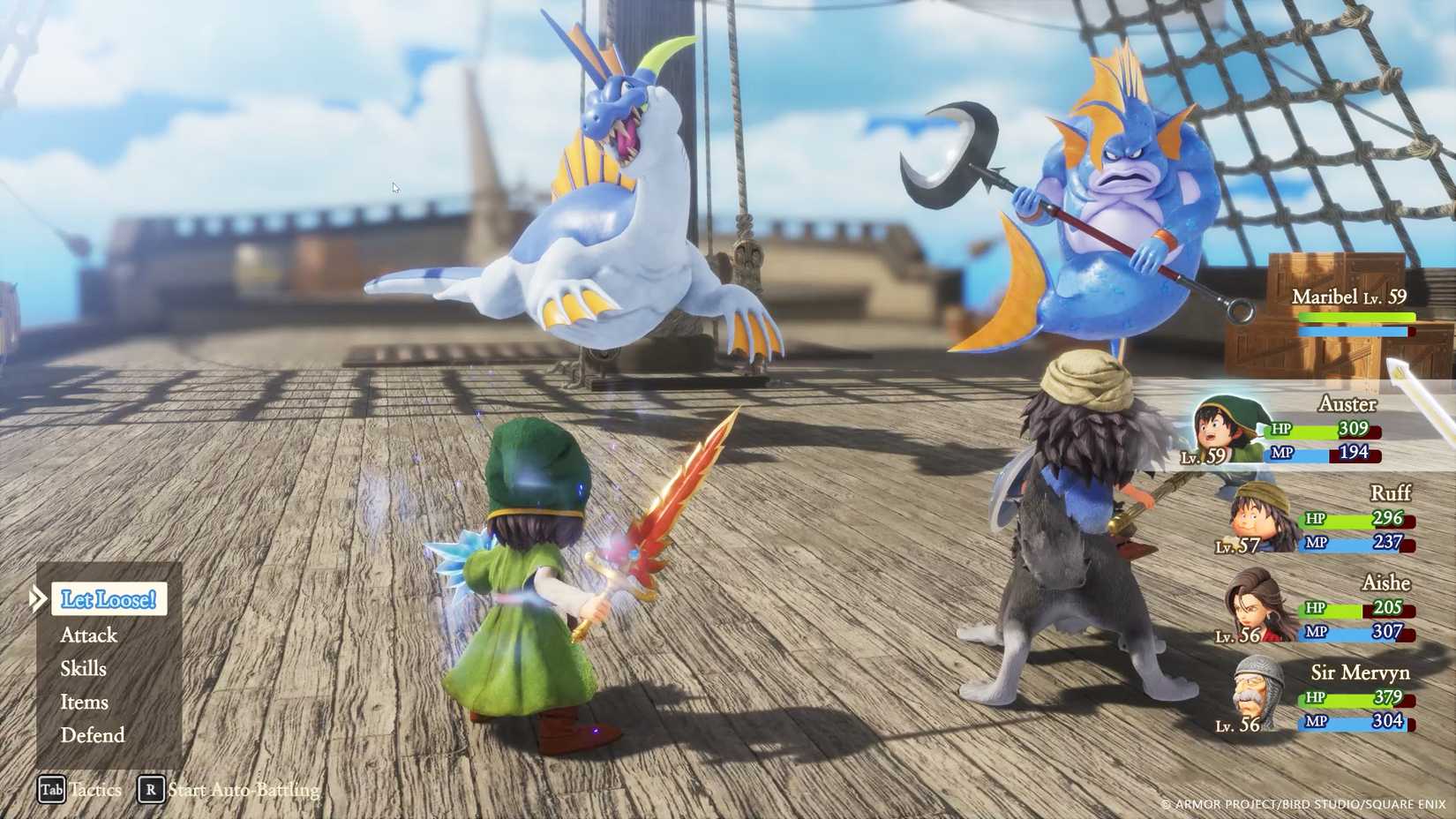
Dragon Quest 7 Reimagined: This title is praised for taking one of the genre’s most time-demanding games and streamlining it, resulting in a "breezy pacing and quick turn-based battles" that keep the story moving. The ability to complete it in "40 hours or less" without "really los[ing] much" highlights the power of careful editing and focused design.Granblue Fantasy Relink: Described as packing "all the spectacle ofFinal Fantasy 16into a slick 15 hours," this game demonstrates that epic scope can be achieved in a much tighter package. Its conciseness is so effective that the author is "more than excited to dive back into its upcomingEndless Ragnarokexpansion instead of dreading it." This is a crucial point: a well-paced shorter game leaves players hungry for more, whereas an overlong one often leads to burnout and a reluctance to engage with post-launch content.Avowed: This RPG "kept my attention for its entire runtime, even enticing me to finish most of its sidequests while still setting me free in around 40 hours." This represents the ideal scenario: a game that offers a complete, satisfying experience, including optional content, within a manageable timeframe.
These examples collectively suggest that a growing number of developers are recognizing the value of respecting player time, focusing on delivering high-quality, impactful content over sheer volume.
Official Responses and Industry Perspectives
The debate over RPG length is not just a player-side discussion; it resonates deeply within the development community, where pressures from publishers, market trends, and creative visions often collide. While no official industry body has set a "40-hour" guideline, various developer statements and market analyses reflect the ongoing internal dialogue.
Developer Balancing Acts
"There’s an inherent tension in game development," remarks Sarah Chen, a fictional Lead Designer at ‘Ethereal Studios,’ known for narrative-driven RPGs. "On one hand, we want to deliver a vast, immersive world that players can get lost in. On the other, we’re acutely aware that player time is finite. The challenge is ensuring that every hour contributes meaningfully to the experience, rather than just stretching it out." Chen’s studio recently focused on a tighter 35-hour main campaign for their latest title, Chronicles of Aerthos, which received praise for its pacing.
Conversely, a spokesperson for ‘Quantum Games,’ a fictional studio behind a popular 100+ hour open-world RPG series, offers a different perspective: "Our data shows a significant segment of our player base actively seeks out games they can invest hundreds of hours into. For them, the sheer volume of content is a key selling point, directly correlating with their perception of value. We’re committed to providing that expansive sandbox for those players who truly want to live in our worlds." This highlights the diverse player expectations developers must contend with.
Market Trends and Economic Realities
Industry analyst Dr. Anya Sharma of ‘GameMetrics Research’ provides a broader economic view. "The trend towards longer games was partly a response to rising development costs and consumer expectations for a high return on investment for their $60-70 (now $80) purchase. However, we’re seeing increasing evidence that player completion rates for games exceeding 60 hours are significantly lower, potentially impacting DLC sales and community retention." Sharma suggests that a well-paced, shorter game might foster greater loyalty and engagement, leading to more consistent revenue streams through expansions or sequels, rather than relying on a single, massive upfront purchase. "The ‘less is more’ approach could, ironically, be more profitable in the long run by cultivating a dedicated, less fatigued player base," she concludes.
Implications for the Future of RPGs
The ongoing discussion about RPG length carries significant implications for the future direction of the genre, impacting players, developers, and the industry as a whole.
For Players:
- Reduced Backlog Anxiety: A shift towards more concise RPGs could empower players to complete more games, leading to a greater sense of accomplishment and less "backlog guilt."
- Higher Quality Experiences: When developers focus on quality over quantity, players are likely to encounter more polished narratives, tighter gameplay loops, and fewer instances of repetitive filler.
- Diverse Gaming Diet: Being able to finish games more regularly allows players to explore a wider variety of titles and genres, enriching their overall gaming experience.
- Enhanced Replayability: A well-crafted, shorter RPG with meaningful choices or multiple paths might encourage multiple playthroughs more effectively than a single, exhausting slog.
For Developers:
- Emphasis on Design Efficiency: Developers would be incentivized to create more efficient, impactful game designs, prioritizing narrative density and engaging mechanics over sprawling maps and endless fetch quests.
- Creative Freedom within Constraints: While a 40-hour target might seem restrictive, it can also foster greater creativity in how stories are told and mechanics are implemented, pushing designers to innovate.
- Potentially Lower Development Costs (Less Filler): While core game development remains expensive, reducing the amount of "filler" content could free up resources, allowing for greater polish in critical areas.
- Meeting Evolving Player Expectations: Adapting to player desires for more focused experiences could lead to stronger community engagement and positive critical reception.
For the Industry:
- Re-evaluation of "Value": The industry might redefine what constitutes "value" in an RPG, moving away from purely time-based metrics towards qualitative measures of enjoyment, impact, and completion.
- Greater Genre Diversity: A shift in focus could open doors for more innovative RPG sub-genres that prioritize unique mechanics or narrative styles over traditional length.
- Sustainable Engagement Models: Shorter, more satisfying core experiences could pave the way for more effective post-launch content strategies, with players genuinely eager for expansions rather than burned out by the base game.
As Modest Mouse frontman Isaac Brock once succinctly put it on a live album, "Life is too fucking short to play or hear ‘Freebird.’" This sentiment, albeit crude, resonates deeply with the growing number of players and critics who feel that time is too precious to spend on games that overstay their welcome. The call for a 40-hour limit for RPGs, while provocative, is not about diminishing the genre, but rather refining it. It’s an invitation to focus on what truly matters: compelling stories, engaging mechanics, and respecting the player’s most valuable resource – their time. The future of RPGs may well lie not in their endless expansion, but in their elegant concision.


 Lina Irawan
 Sagoh
Sagoh