Rifan Muazin
In the brutal, unforgiving landscape of Rust, survival has traditionally been defined by the primitive: chopping trees, mining ore, and constructing fortresses out of sheet metal and hope. However, Facepunch Studios has officially shifted the paradigm with the launch of the "Common Ground" update. By introducing a centralized apartment complex and a sophisticated marketplace, the developers are challenging the game’s nomadic ethos, forcing players to navigate the complexities of urban property management, rent cycles, and the ever-present threat of eviction.
The Evolution of the Rust Experience
For years, Rust has been synonymous with the "start from scratch" gameplay loop. Players would spawn on a beach, scramble for resources, and eventually carve out a slice of territory in the wilderness. The Common Ground update introduces a stark departure from this lonely, frontier-style existence.
The centerpiece of this update is a new, high-density apartment complex. This structure offers a unique social hub where players can rent living spaces ranging from modest, bare-bones "squats" to luxury penthouses. While this provides a reprieve from the harsh elements, it also introduces a new form of systemic pressure: the daily rent.
Chronology of the Update
- Announcement: Facepunch teased the shift toward urban infrastructure earlier this quarter, signaling a move away from pure wilderness survival.
- Public Test Branch (PTB): The mechanics were subjected to rigorous testing, specifically focusing on the balance between safe-zone security and the risks of burglary.
- Official Launch: The "Common Ground" update went live, deploying the apartment complex, the shop stall system, and the new clan management tools simultaneously.
- Immediate Aftermath: Within hours of deployment, server logs indicated a massive migration of players toward the new complex, leading to immediate conflict over shop ownership and prime real estate.
Property Management: The Price of Convenience
The transition from a self-built shack to a managed apartment complex comes with significant strings attached. Players seeking shelter must deposit scrap—the game’s primary currency—into an intercom located at the front of their unit every 24 hours.
The Mechanics of Eviction
The stakes are high. Facepunch has implemented a strict, uncompromising eviction policy. Failure to meet the 24-hour payment deadline results in immediate lockout. According to the official developer notes, all possessions within the unit are seized upon eviction. This mechanic transforms the apartment from a sanctuary into a ticking time bomb of potential loss, forcing players to prioritize scrap collection over traditional raiding or exploration.
Amenities vs. Liabilities
Each apartment tier comes equipped with essential survival tools: a stove, a bed, and a workbench. As players move up the property ladder to more expensive tiers, the quality and quantity of these furnishings increase. However, these amenities act as a double-edged sword. While they streamline the crafting process, they also make these units prime targets for other players looking to loot established occupants.
The Marketplace: Commerce in the Chaos
Complementing the residential units, the update introduces a specialized market area. Here, enterprising survivors can rent shop stalls to vend their goods. This is not a passive income stream; it requires an active, ongoing investment of resources.
The Cost of Doing Business
To open a shop, a player must pay a non-refundable upfront scrap fee, supplemented by a recurring hourly cost. To ensure the viability of the market, players are required to maintain a buffer of 12 hours of rent in their inventory before the shop can legally open.
The "Shop Rustler" Dynamic
The most volatile aspect of the marketplace is the aggressive takeover mechanic. To prevent stagnation, Facepunch has introduced a system where, after six hours of operation, a shop becomes eligible for a hostile takeover. A rival player can seize the stall, though they are hit with a progressive cost multiplier—starting at 2x and escalating with each subsequent takeover. This creates a high-stakes "king of the hill" dynamic, where the most valuable market spots are constantly changing hands, keeping the economy in a state of perpetual flux.
Security and the Master Key
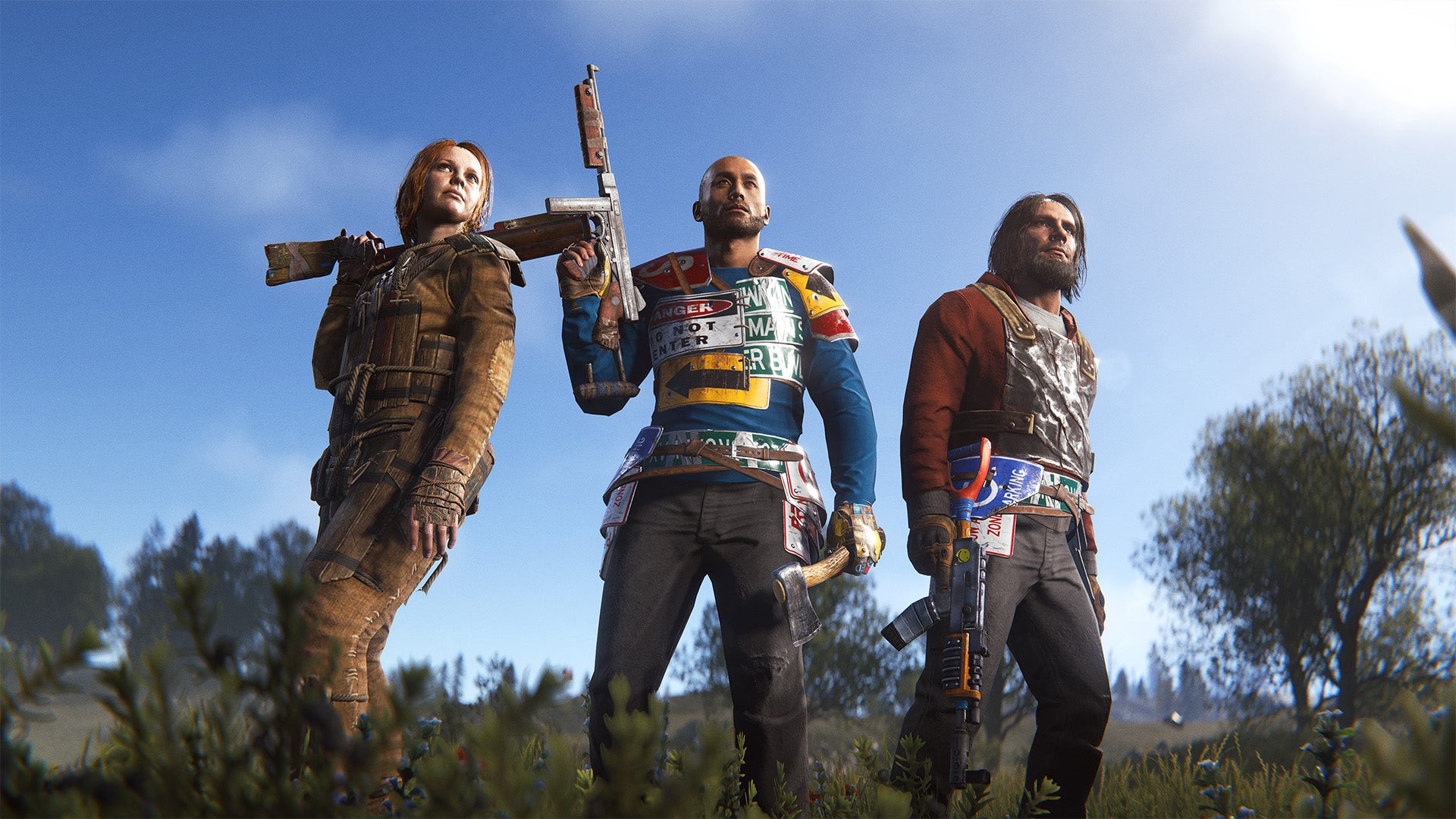
One of the most controversial and innovative features of the Common Ground update is the introduction of the "Master Key." Scattered throughout the island, this rare item grants the holder the ability to bypass the security of the apartment complex.
Implications for Player Agency
The presence of a Master Key fundamentally changes the risk-reward calculation of living in the complex. Even if a player is diligent with their rent, they are not inherently safe. A player with the Master Key can infiltrate the building and, through coercion of security guards or direct burglary, gain access to private rooms and shop inventory.
This forces a shift in player behavior. Residents must now consider home defense not just against raids on their base, but against sophisticated infiltration attempts while they are offline. Defensive measures, such as firearms and proximity mines, have become essential components of modern apartment living in Rust.
Official Response and Design Philosophy
Facepunch Studios has framed this update as an attempt to introduce "civilized" structures into a world defined by savagery. By centralizing players into a common space, the developers are intentionally fostering social interaction—or conflict—in a way that the open map previously discouraged.
In official statements, the development team noted that the move was intended to add "bureaucratic tension" to the survival genre. By forcing players to manage rent and interact with a market system, they are testing the limits of what a "survival game" can be. The developers believe that the threat of eviction and the danger of the Master Key add a necessary layer of complexity that keeps the endgame engaging for long-term players.
Broader Implications for the Survival Genre
The Common Ground update represents a significant milestone in the evolution of Rust. By introducing features typically seen in social simulation or RPG games—such as property management and controlled markets—Facepunch is blurring the lines between genres.
The "Softcore" Shift
Beyond the apartments, the update also introduces critical changes to the game’s "Softcore" mode, including a specific 6PM to 9PM window for raiding. This indicates that Facepunch is increasingly interested in catering to players who want a more structured experience. By limiting the window of destruction, they allow players to build and maintain their shops and apartments with a degree of predictability that was previously absent from the game.
The Social Impact
The introduction of the clan system alongside the apartment complex is perhaps the most profound change. By providing a structure for group management, Facepunch is encouraging the formation of organized factions. These clans will likely dominate the apartment complex, creating a hierarchy that will dictate the political and economic landscape of the server.
Conclusion: Is the Rent Worth the Risk?
The Rust "Common Ground" update is a masterclass in risk-reward design. It provides players with the comfort of a roof over their heads and a place to conduct business, but it surrounds those comforts with the threat of bankruptcy, theft, and corporate-style hostile takeovers.
Whether this update will lead to a more cooperative Rust or simply create new, more efficient ways to bully the competition remains to be seen. However, one thing is certain: the next time you hear a banging on your door in the middle of the night, it might not just be a raider with a rocket launcher—it might be the landlord coming to collect the rent. For the survivalists of Rust, the struggle has simply moved from the woods to the front office.


 Asro
Asro
 Muslim