

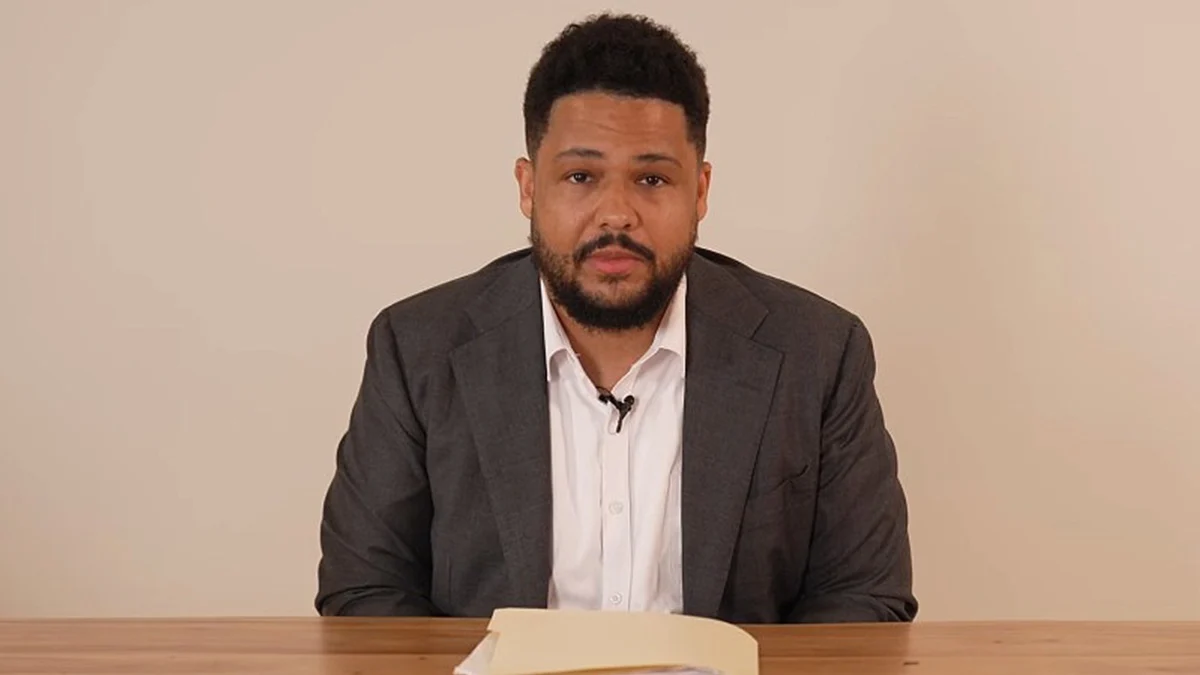
Twitch streaming powerhouse Nick "Nmplol" Polom has officially closed the book on his marriage to long-time partner and fellow creator Malena Tudi. In a candid, 17-minute video released to his YouTube channel on June 4, the streamer detailed the grueling conclusion of a high-profile legal battle that has dominated the periphery of the streaming community since the filing in 2025. With a "no-fault" divorce now finalized, Polom revealed that the process resulted in a significant financial burden, citing nearly half a million dollars in legal fees incurred while navigating the complexities of the split.
The Legal Resolution: A "No-Fault" Conclusion
The court’s final judgment categorized the dissolution of the marriage as one of "insupportability," a legal term indicating a no-fault divorce. For Polom, this was the primary objective from the outset.
"That’s good," Polom told his viewers, his tone measured and reflective. "That’s what I wanted, that’s what Malena wanted."
The designation of "insupportability" effectively neutralizes the need to assign blame or prove misconduct, allowing both parties to move forward without the additional stigma often associated with litigated breakups. For an audience accustomed to the unfiltered, daily reality of streamer life, the clinical nature of the court documents provided a stark contrast to the personal turmoil Polom described experiencing behind the scenes.
Chronology: From Separation to Settlement
The saga began in early 2025 when Malena Tudi officially filed for divorce. The announcement sent shockwaves through the streaming community, as the couple had been a cornerstone of the Twitch ecosystem for years, often broadcasting their domestic life to thousands of daily viewers.
Following the initial filing, the proceedings moved into the discovery and negotiation phase. Throughout this period, speculation ran rampant. Fans, peers, and armchair psychologists on social media platforms like X (formerly Twitter) and Reddit dissected every clip, tweet, and period of absence, leading to a myriad of theories regarding the "true" cause of the split.
Polom remained largely silent during the most volatile stages of the litigation, following legal advice to avoid public commentary that could impact the proceedings. By June 2025, after months of legal wrangling, the court finally reached a consensus, resulting in the judgment Polom shared with his audience this week.
The Financial Breakdown: Assets and Legal Expenditures
Perhaps the most eye-opening aspect of Polom’s disclosure was the sheer cost of the litigation. Polom revealed that he spent over $400,000 in legal fees alone—a figure that underscores the high stakes involved when dividing assets for public figures with complex, multi-stream revenue sources.
Asset Distribution
The court’s ruling on the division of property was comprehensive. The base agreement was a 50/50 split of the marital estate, an outcome Polom had advocated for since the beginning of the process. This resolution was a significant departure from Tudi’s initial request, which had sought a 60/40 split in her favor. The court ultimately denied that request.
The notable exception to the 50/50 rule was Starforge Systems, the PC-building company co-founded by several prominent streamers, including Polom. The court awarded Tudi a 55% stake, while Polom retained 45%. The court’s reasoning for this disparity, as cited in the legal documentation, focused on three specific factors:
- Disparity of earning power: An assessment of both parties’ future financial outlooks.
- Nature of the property: The specific complexities associated with the business entity.
- Waste: A legal term referring to the dissipation or misuse of marital assets.
Furthermore, the court denied Tudi’s request for $5,000 in monthly spousal support for a five-year term, marking a major legal victory for Polom, who had contested the necessity and duration of these payments.
Emotional Toll: The "Court of Public Opinion"
Beyond the balance sheets and legal clauses, Polom spoke at length about the emotional exhaustion brought on by the process. He described the moment he received the final ruling as a moment of pure catharsis.
"I literally broke down and cried," Polom admitted. "I was like sobbing tears, you know, that it was finally over."
This vulnerability offered a rare glimpse into the life of a creator whose livelihood depends on maintaining a public persona. Polom also took the opportunity to address the "court of public opinion." For months, the internet had been rife with rumors ranging from infidelity to financial mismanagement. Polom was definitive in his rebuttal, stating, "All of the theories surrounding their divorce were wrong."
His insistence that the public narrative was entirely disconnected from the reality of their private legal battle serves as a cautionary tale about the parasocial nature of modern celebrity culture. While fans felt entitled to the "truth," the actual reality was a complex, private, and deeply expensive legal process that bore little resemblance to the narratives crafted by online communities.
Implications for the Future
With the legal chapter closed, Polom is shifting his focus toward personal and professional recovery. He expressed a desire to return to his roots as a content creator, signaling that he is ready to reinvest himself in his work.
"I wish Malena and her family the best. I have no ill will towards them," Polom said. "Hopefully things go well for them, and I’m just ready to get back to work. I want to give this another try, see if I can still do it."
The "Streaming Divorce" Phenomenon
This case adds to a growing list of high-profile streamer divorces that have forced the industry to reckon with the intersection of personal relationships and business partnerships. When creators build brands around their relationships, the dissolution of those relationships creates unique logistical hurdles. From shared housing and pet custody to the ownership of intellectual property and business equity, the stakes are rarely just emotional.
Polom’s experience highlights the importance of legal foresight. For many creators, the rapid growth of their income often outpaces their legal planning, leading to messy, public, and prohibitively expensive court battles. The fact that Polom spent nearly $500,000 underscores the necessity for pre-nuptial or post-nuptial agreements in the creator economy, where the lines between "personal life" and "content" are intentionally blurred.
Conclusion: Moving Forward
As of the time of this publication, Malena Tudi has not provided a public comment regarding the court’s decision or Polom’s video. Her silence suggests a preference for privacy in the wake of the finalized settlement, a sentiment that Polom seems to mirror despite his need to address his audience.
For the viewers of Nmplol, the video marks the end of a period of uncertainty. While the financial cost of the divorce was undeniably steep, the resolution appears to have provided Polom with the closure necessary to move forward. As the streaming world continues to evolve, the case of Nmplol and Malena Tudi will likely be cited as a significant example of how public figures navigate the private, and often painful, realities of marital dissolution in the digital age.
Polom’s future, while uncertain, is now free of the looming threat of further litigation. As he returns to the desk and the camera, his audience waits to see how the creator will reshape his content, his brand, and his life in the post-divorce era. The "court of public opinion" may continue to speculate, but for the man at the center of the storm, the gavel has finally fallen.











No comments yet. Be the first to join the conversation!