
The legacy of the Persona series is defined by its ability to blend the mundane anxieties of youth with the high-stakes drama of supernatural conflict. Few titles capture this duality as poignantly as Persona 4. Nearly two decades after its initial debut, SEGA and Atlus have finally pulled back the curtain on the highly anticipated Persona 4 Revival. During an extensive nineteen-minute broadcast on the official Atlus West YouTube channel, developers provided a comprehensive overview of the title, showcasing a project that seeks to bridge the gap between classic JRPG nostalgia and the modern mechanical expectations set by its successors.
The Foundation: Returning to Inaba
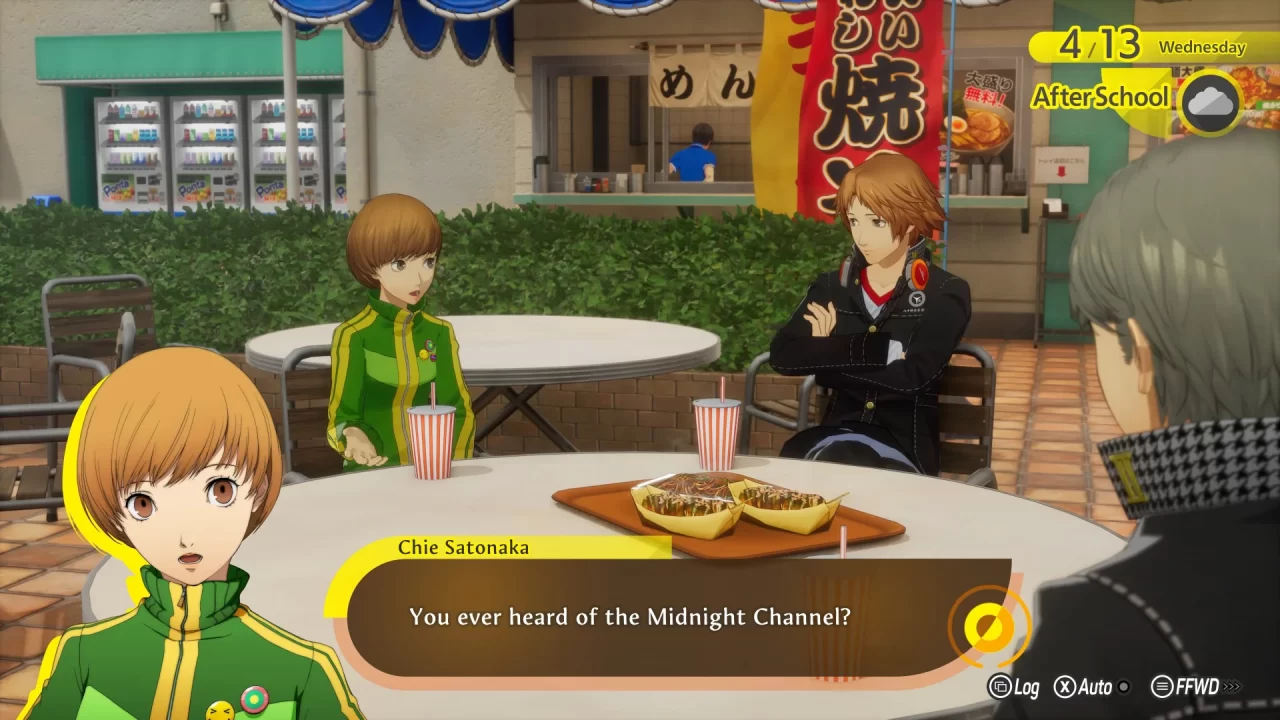
At the heart of Persona 4 Revival remains the quintessential "fish-out-of-water" story. Players step into the shoes of an unnamed protagonist who relocates to the quiet, fog-drenched rural town of Inaba. The narrative structure, which spans a single calendar year, masterfully balances the social simulation elements of high school life—club activities, part-time jobs, and forging bonds with classmates—against the backdrop of a sinister urban legend: the Midnight Channel.
The core mystery remains anchored in the bonds formed with Yosuke Hanamura, Chie Satonaka, and Yukiko Amagi. As the protagonist unravels the truth behind the television broadcast that appears only at the stroke of midnight, the group is pulled into an extra-dimensional realm. Here, the team must confront "Shadows"—physical manifestations of suppressed human emotions—by awakening their "Personas," manifestations of their own psyches. This delicate balance between the warmth of friendship in the real world and the cold, tactical combat of the TV realm is the bedrock upon which the Persona identity is built.

Evolutionary Combat: Modernizing a Classic
While the narrative integrity of Persona 4 remains untouched, the combat system has undergone a significant transformation. Atlus is clearly looking to bring the tactical depth of Persona 5 into the Persona 4 framework, resulting in four fundamental pillars of combat innovation:
1. Defensive Precision: Guarding
The new "Guarding" mechanic fundamentally changes how players approach pre-emptive strikes. In previous iterations, being ambushed by a Shadow often led to a swift disadvantage. Now, players can utilize a refined guard system to intercept incoming attacks. Successfully timing a guard causes the Shadow to recoil, creating a brief, high-value window of opportunity to flip the script and initiate a counter-offensive.
2. Kinetic Synergy: Send Flying
Adding a layer of environmental and physical tacticality is the "Send Flying" mechanic. This system allows players to chain status effects by launching enemies into one another. If a player lands a perfectly executed strike—reminiscent of a well-placed pitch in baseball—they can knock one Shadow into another, creating a ripple effect of damage and debuffs that can cripple a mob of enemies in a single turn.

3. Tactical Fluidity: The Baton Pass
Arguably the most welcome addition for fans of the modern series is the "Baton Pass." Originally debuted in Persona 5, this feature allows for seamless character switching during a turn. It encourages experimentation and rewards players who understand the elemental weaknesses of their foes, allowing them to chain attacks together until the enemy is entirely incapacitated.
4. Overwhelming Power: Prime Time
The most aggressive addition is the "Prime Time" state. When a player fills a specific gauge, they enter this super-charged mode. During Prime Time, all skill point (SP) costs are reduced to zero, allowing players to unleash their most powerful abilities without fear of resource depletion. The mechanic culminates in a "Prime Time Finish," a cinematic, high-damage attack that acts as the perfect exclamation point to a successful battle.
A Sonic and Narrative Rebirth
Beyond the mechanics, the broadcast placed a heavy emphasis on the auditory experience. Director Kazuhisa Wada, in a heartfelt address to the community, noted the weight of the game’s twenty-year history. He emphasized that the goal of Persona 4 Revival is to ensure the game feels "both nostalgic and new."

To achieve this, every single track from the original game has been meticulously re-arranged. These are not merely remasters; they are "full-length versions" that expand upon the original compositions, accompanied by entirely new tracks written specifically for this revival. This commitment to the score acknowledges that for many, the music of Persona 4 is just as important as the characters who inhabit the screen.
Official Perspectives: The Director’s Vision
Director Kazuhisa Wada’s message served as a bridge between the veteran fan base and newcomers. By focusing on the "interwoven threads" of the game’s coming-of-age story, Wada highlighted why Persona 4 remains relevant in 2027. He noted that the themes of truth, self-acceptance, and the struggle to understand one’s own identity are universal.
"We want this game to be an entry point for those who have never experienced the series, while simultaneously acting as a love letter to those who grew up with the investigation team," Wada stated. By modernizing the systems without compromising the core identity of the characters, Atlus is aiming to secure the game’s place in the modern pantheon of RPGs for another two decades.
The Broader Implications
The release of Persona 4 Revival on February 18, 2027, signifies a major shift in how legacy titles are handled within the industry. Rather than simply porting or remastering, the "Revival" tag suggests a middle ground—a remake that preserves the original script and pacing while updating the "feel" of the game to match current industry standards.
Platform Availability and Industry Impact
The game will launch on PlayStation 5, Xbox Series X|S, and PC via Steam, with day-one availability on Game Pass. This wide-net release strategy is a testament to the growth of the Persona brand from a cult-favorite niche to a global juggernaut. By placing the game on Game Pass, Microsoft and Atlus are ensuring that the barrier to entry is as low as possible, potentially exposing millions of new players to one of the most beloved stories in gaming history.
Expectations for the Future
The decision to revisit Persona 4 rather than move immediately to a new numbered entry speaks to the high demand for the series’ back catalog. If Persona 4 Revival succeeds, it could set a precedent for how future titles are treated. The industry is currently watching to see if the "Revival" model—which prioritizes mechanical modernization over complete structural overhaul—will become the new standard for long-running JRPG franchises.

Final Reflections
As we look toward the February 2027 launch, the hype surrounding Persona 4 Revival is palpable. Whether it is the revamped combat, the expanded musical score, or the promise of seeing the Investigation Team in a new, polished light, there is no shortage of reasons for excitement.
For those who have already spent hundreds of hours in the fog of Inaba, this is an opportunity to see a masterpiece refined. For those coming to the town for the first time, it is the perfect invitation to discover why the Midnight Channel has haunted the dreams and hearts of RPG fans for nearly twenty years. Stay tuned to RPGFan as we continue to track the development of Persona 4 Revival leading up to its release. The truth is waiting, and this time, it will be louder, clearer, and more vibrant than ever before.