Laily UPN
In the heart of Tokyo’s sophisticated Azabudai Hills, a peculiar, high-stakes game of cat-and-mouse is set to unfold. Beginning July 18, 2026, the creative collective known as "Toh" will launch their most ambitious project to date: Gigamart. Part surrealist art installation and part high-pressure stealth game, Gigamart challenges participants to do the unthinkable in a public space—commit a heist.
The event marks the fourth major project from the team behind the viral 2024 sensation Toh, a game that transformed the simple act of petty theft into a nerve-wracking, immersive experience. By deconstructing the iconography of the Japanese convenience store—the konbini—and injecting it with a dose of "gigafied" absurdity, the team at Toh is inviting the public to examine the unconscious rituals of modern consumerism through the adrenaline-fueled lens of a criminal enterprise.
The Genesis of a Phenomenon: What is ‘Toh’?
To understand the fervor surrounding Gigamart, one must look back at the origins of the Toh movement. The concept was birthed by the producers of the TBS radio show Noutou (which translates literally to "Brain Theft"). The radio program, which focuses on the intersection of human psychology and unconventional social experiments, sought to take the concept of "theft" out of the realm of crime and into the realm of play.
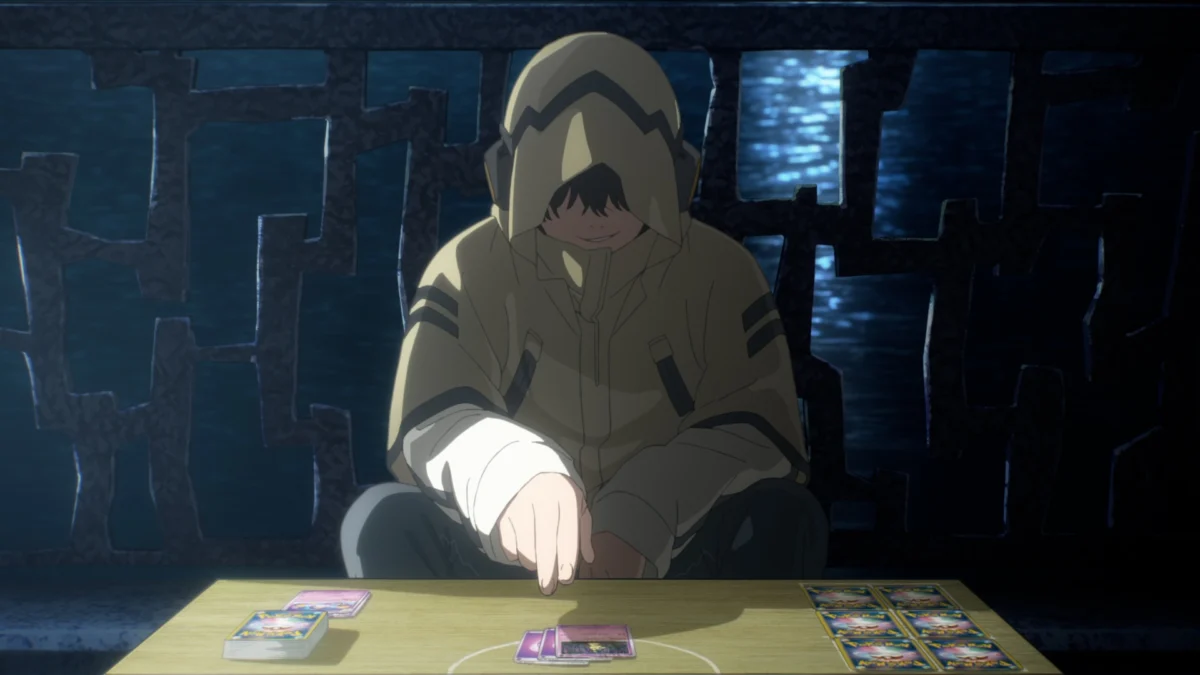
In its debut iteration in 2024, the game became an instant digital sensation. The premise was deceptively simple: participants entered a "grungy" arena with a single objective—steal an item without making a single sound. The venue was outfitted with a complex network of over 200 sensitive microphones designed to pick up the rustle of a sleeve or the intake of breath.
The social impact was immediate. During its debut, the event saw lines stretching for hours, with nearly 1,000 eager participants waiting for their chance to test their stealth. It wasn’t just a game; it was a psychological test that played on the innate human fear of being caught. As the footage of trembling hands and held breaths went viral on social media, Toh cemented its status as a cultural touchstone for a generation obsessed with immersive, interactive entertainment.
Gigamart: A Surrealist Deconstruction of Consumption
With Gigamart, the Toh team has elevated their craft. While the first event was characterized by a raw, industrial aesthetic, Gigamart adopts the clean, fluorescent, and hyper-organized world of the convenience store. However, visitors should not expect a standard shopping experience.
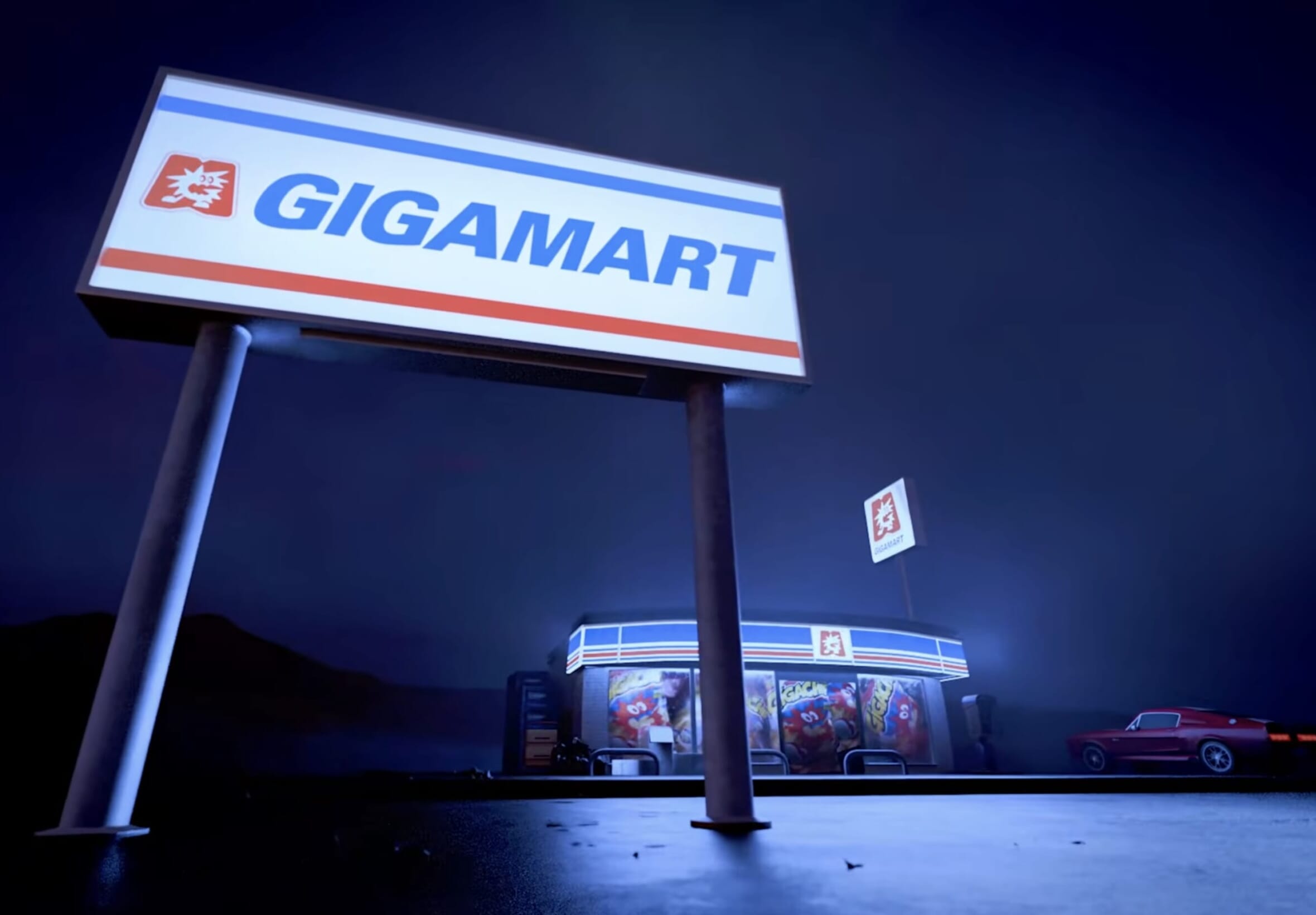
The exhibit features "gigafied" products—giant potato chip bags, oversized snacks, and surrealist renditions of everyday household goods. By enlarging the scale of these items, the artists, including collaborators Naka Renya and Shohei Ochiai, aim to force a confrontation with the mundane. The exhibition serves as a critical commentary on the relationship between consumption, goods, and advertising. It asks the participant to consider how much of our daily identity is tethered to the items we purchase, and how the "ritual" of the convenience store is so deeply ingrained in our collective psyche that we often perform it on autopilot.
The Mechanics of the Heist: Choosing Your Arena
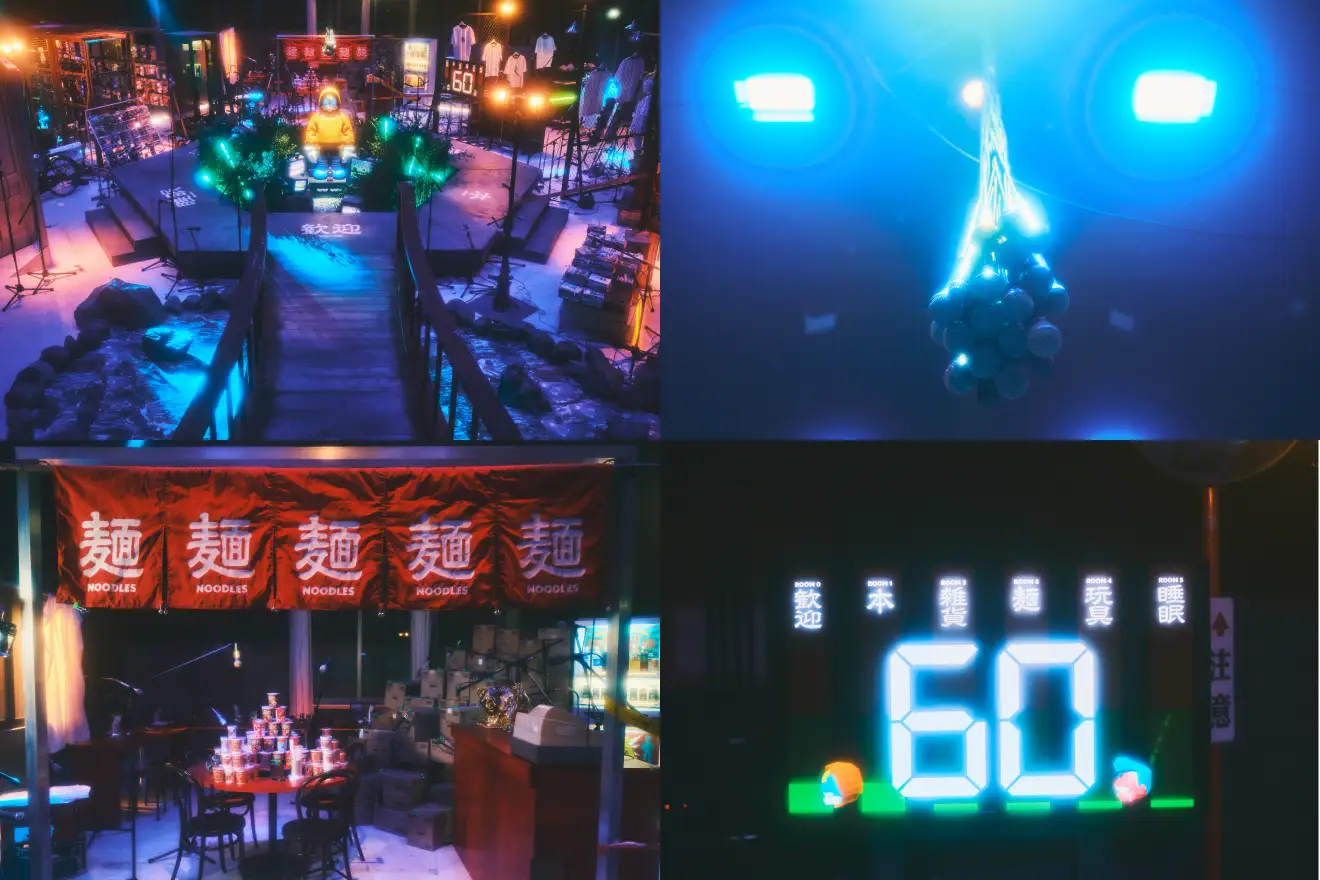
The core of Gigamart is the "theft area," a high-tech stage where participants put their nerves to the test. Unlike the singular, grimy arena of the 2024 debut, Gigamart offers three distinct, thematic zones for the aspiring kleptomaniac:
- The Loading Dock: Designed for those who prefer the high-pressure environment of supply chain logistics, this zone requires timing and precision.
- The Employee Break Room: A more intimate, claustrophobic environment where silence is paramount and the "witnesses" are closer than you think.
- The Product Warehouse: A sprawling, labyrinthine space that challenges the participant’s spatial awareness and ability to move undetected through a forest of giant merchandise.
Players are granted a strict 60-second window. Within this time, they must select an item—ranging from drinks and snacks to used books—and successfully exit the zone without triggering the surveillance cameras or the sensitive audio-detection systems. The experience is designed to be as much about the performance of the theft as it is about the success of it.
Supporting Data and Participation Logistics
The logistical structure of Gigamart is designed to accommodate both casual observers and "professional" thieves. Tickets are available through the Lawson Ticket platform, with a tiered pricing system that reflects the level of engagement desired.
- Standard Admission (¥3,200 on weekdays): Provides entry to the exhibition and access to one game arena.
- Premium Admission (¥7,000): Tailored for those who wish to master the craft, this tier grants access to all three game arenas, providing a comprehensive "robbery" experience.
- The "Revenge" Ticket (¥2,200): A clever inclusion for those who failed their first attempt and wish to reclaim their dignity. These are available for purchase on-site, allowing visitors to loop back into the game after their initial session.
The event will run from July 18 through August 16, 2026. The gallery operating hours are split to accommodate both weekday and weekend crowds, with late-evening slots available to heighten the atmosphere of the heist.
Branding the Crime: The Convenience Store Aesthetic
No convenience store is complete without its signature apparel, and Gigamart is leaning into this with a line of exclusive merchandise. In a nod to the iconic color-blocking seen in major Japanese convenience store chains, the Gigamart store will sell T-shirts, socks, and rubber keychains. This merchandise acts as a "uniform" for participants, further blurring the line between the visitor and the "employee" of this surrealist shop. By offering these goods, the creators are essentially turning the visitors into walking advertisements for the very system of consumption they are currently engaged in "stealing" from—a meta-commentary that fits perfectly with the exhibition’s themes.
Implications: Why We Steal
The success of Toh and the anticipation for Gigamart raise deeper questions about contemporary culture. In a world where surveillance is ubiquitous and privacy is a fading luxury, the act of "stealing" in a controlled, safe environment acts as a release valve.
Psychologists might argue that the thrill of Gigamart comes from the temporary subversion of social norms. We are taught from childhood not to steal; the game provides a sanctioned space to violate that social contract without the real-world consequences of incarceration or social ostracization. By making the game "viral," Toh has tapped into the digital-age desire for experiences that are not only shareable but also inherently transgressive.
Furthermore, the exhibition forces us to look at the "convenience" store differently. By highlighting the artificiality of the products—the giant chips, the curated displays—the exhibit forces a moment of pause. It challenges the visitor to realize that the "convenience" we value is a carefully engineered illusion. When you are standing in the warehouse, breath held, reaching for a giant bag of chips, you are no longer a consumer; you are an intruder.
Looking Ahead: The Future of Immersive Art
As the doors open at Azabudai Hills, Gigamart is poised to be more than just a summer attraction. It is a bellwether for the future of interactive art. We are moving away from passive viewing and toward active, high-stakes participation. The success of the Toh team suggests that audiences are hungry for experiences that demand physical presence, psychological endurance, and a willingness to play along with the absurd.
Whether you are a seasoned stealth enthusiast looking to reclaim your pride, or a casual observer intrigued by the intersection of art and commerce, Gigamart offers a unique invitation. It asks you to step into the fluorescent glow, test your reflexes, and see if you have what it takes to leave the store with more than you walked in with—without making a sound.
Event Summary Table
| Category | Details |
|---|---|
| Dates | July 18 – August 16, 2026 |
| Operating Hours | Weekdays: 12:00 p.m. – 8:00 p.m. (Last entry 7:50 p.m.) |
| Weekends/Holidays: 10:00 a.m. – 6:00 p.m. (Last entry 5:50 p.m.) | |
| Starting Price | ¥3,200 |
| Location | Azabudai Hills Gallery |
| Ticketing | Available via Lawson Ticket |
Updated on July 6, 2026.


 Neng Nana
 Asro
Asro