

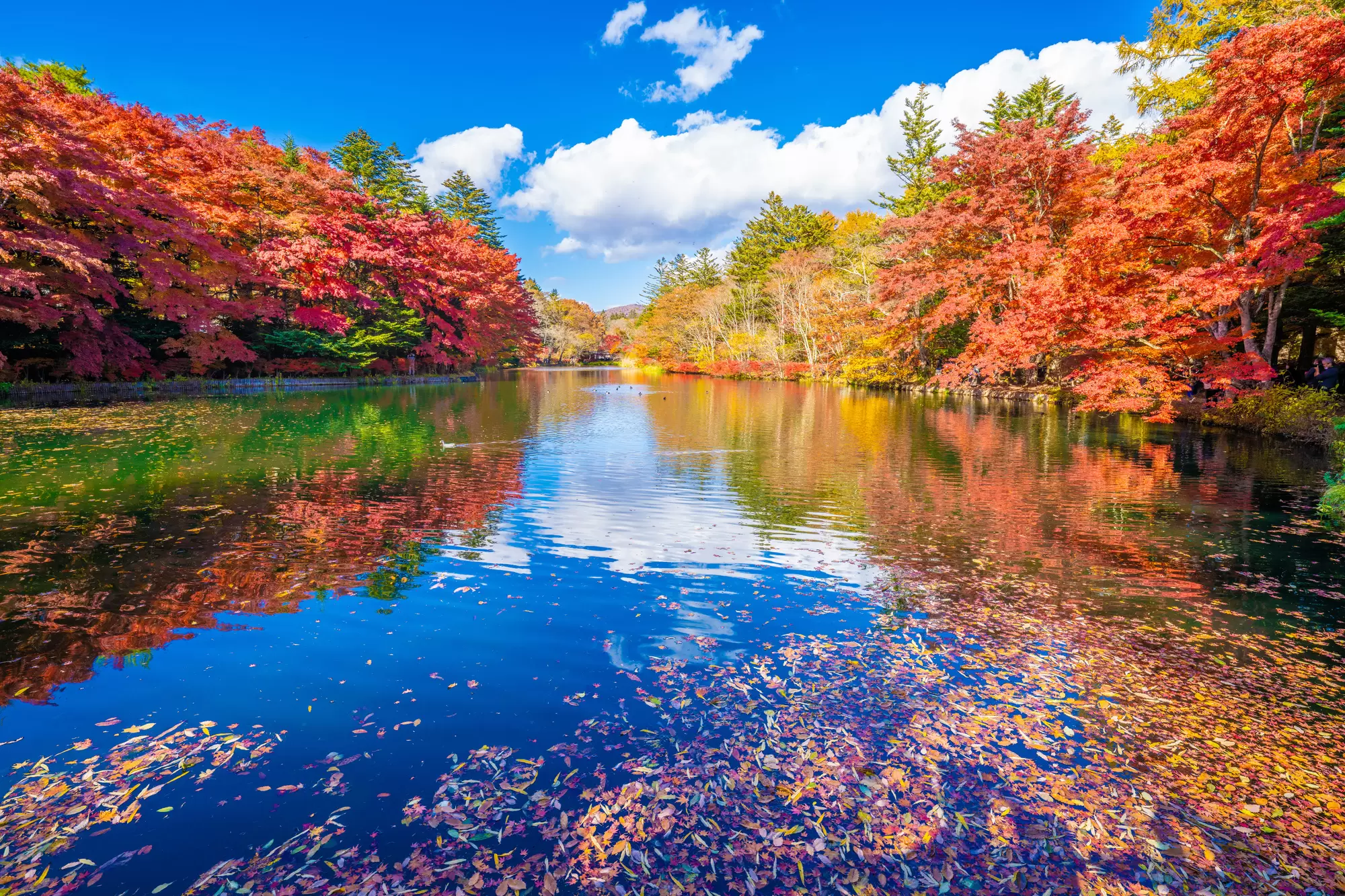
Nestled at an elevation of approximately 1,000 meters in the Nagano Prefecture, Karuizawa stands as one of Japan’s most storied resort towns. Easily accessible via a swift Shinkansen ride from the bustling metropolis of Tokyo, this highland retreat has long served as a sanctuary for those seeking to escape the humidity and frantic pace of urban life. Protected by a natural amphitheater of surrounding mountains, the town enjoys a temperate, distinct highland climate that dictates the rhythm of local life, tourism, and seasonal festivities.
Main Facts: The Geography of Comfort
Karuizawa’s allure is primarily derived from its unique meteorological profile. Unlike the humid, sweltering summers found in lower-lying Japanese cities, Karuizawa benefits from its elevation, which acts as a natural air-conditioning system. The climate is categorized as a humid continental climate, characterized by cool summers and cold, snowy winters.

Key geographic data indicates that the region’s topography—defined by lush forests, high-altitude plateaus, and volcanic activity from nearby Mount Asama—creates a microclimate that remains relatively sheltered from extreme weather patterns. This consistency makes it a reliable destination for travelers year-round, provided they are equipped with the appropriate attire for the specific season.
Chronology of the Seasons: A Traveler’s Timeline
Spring (March–May): The Awakening
Spring in Karuizawa is a slow, graceful transition from winter’s grip to the lush greenery of the warmer months.

- March: The tail end of winter. Temperatures remain cool (5°C–10°C). Snowmelt begins, but the air retains a sharp, biting quality.
- April: The season of rebirth. Average temperatures climb to 10°C–15°C. This is the period when cherry blossoms begin to paint the town in soft pinks, particularly near Karuizawa Station and the historic Kyu-Karuizawa district.
- May: The "Golden Month." Temperatures reach a comfortable 20°C. The landscape is fully awakened, and the town begins to pulse with the energy of the upcoming tourist season.
Summer (June–August): The Highland Escape
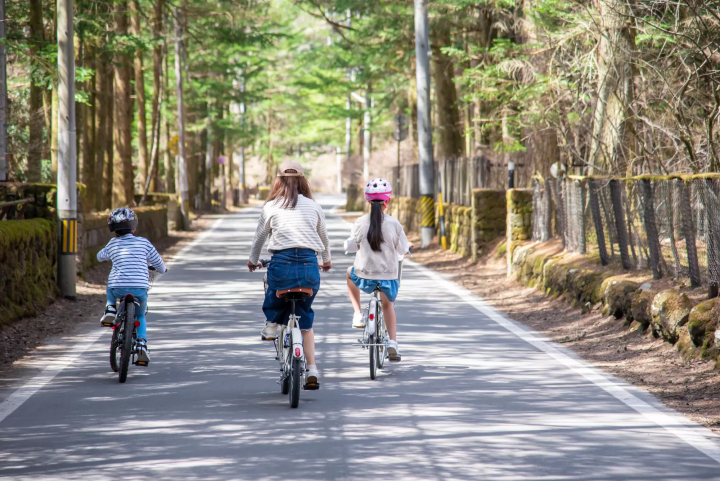
Summer is, without question, the peak season for those looking to avoid the infamous Japanese heat. While the rest of the country grapples with humidity often exceeding 35°C, Karuizawa remains a refreshing oasis.
- Climate Dynamics: Daytime temperatures typically hover between 20°C and 30°C.
- The Evening Benefit: A defining feature of a Karuizawa summer is the dramatic drop in temperature once the sun sets. Even after a warm day, evenings frequently cool to around 20°C, providing an ideal climate for dining outdoors or enjoying a stroll along the historic shopping streets.
Autumn (September–November): The Golden Palette
Autumn is widely regarded by locals and frequent visitors as the most aesthetically pleasing time to visit the region.

- September: The transition begins. The air loses its summer humidity, and the temperature starts a steady decline from 25°C toward 15°C.
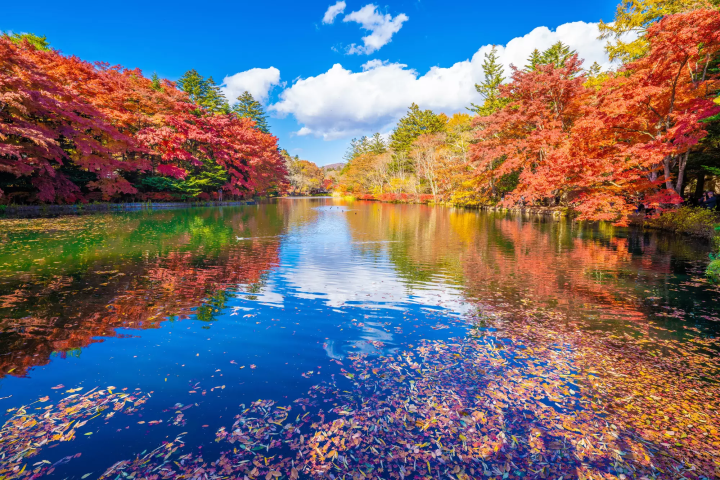
- October: The foliage peak. As the mercury drops to 10°C–15°C, the maples and ginkgo trees ignite in shades of crimson and gold. This is the prime period for photography at landmarks like Kumoba Pond.
- November: The precursor to winter. Temperatures can plummet to 0°C. The first frost is common, and the town begins to prepare for the ski season.
Winter (December–February): The Frozen Wonderland
Winter transforms Karuizawa into a serene, monochromatic landscape.
- Meteorological Data: Temperatures hover consistently between -5°C and 5°C.
- Precipitation: While the area does not receive the massive, heavy snowfall of the Sea of Japan coast, it receives enough consistent powder to support world-class ski resorts. February represents the zenith of the winter season, offering the most stable conditions for snow sports.
Supporting Data: What to Wear and How to Prepare
Strategic packing is the difference between a successful trip and an uncomfortable one in Karuizawa. Because of the "highland effect," temperature swings between day and night are significant, even in the summer.
| Season | Essential Gear | Clothing Strategy |
|---|---|---|
| Spring | Light jacket, scarf, sturdy shoes | Layering: Long-sleeve shirts under a thin sweater. |
| Summer | Sunscreen, UV glasses, hat | Breathable fabrics, short sleeves, comfortable sneakers. |
| Autumn | Medium-warmth jacket, long pants | Transitioning from light layers to thermal undergarments. |
| Winter | Waterproof boots, insulated gloves | Heavy coat, thermal underwear, face mask for biting winds. |
Official Perspectives and Local Insights
Local tourism boards emphasize that Karuizawa’s charm lies in its "seasonal diversity." Unlike resorts that cater only to one activity, Karuizawa has pivoted to become a destination for year-round recreation.
According to regional tourism reports, the rise in "workation" (working while on vacation) trends has seen an influx of visitors during the shoulder seasons—late spring and early autumn. This is largely attributed to the region’s high-speed internet infrastructure combined with the psychological benefits of working in a natural, stress-free environment. Furthermore, local hot spring (onsen) operators note that the demand for traditional inn experiences remains steady throughout the year, with winter being the most popular time for visitors to seek the restorative warmth of geothermal baths after a day on the slopes.
Implications for Travelers: Beyond Sightseeing
The implications of visiting a town with such a distinct climate are twofold:
- The Economic Shift: Karuizawa operates on a clear seasonal economy. Travelers should be aware that while peak seasons (summer and autumn foliage) offer the most activity, they also see the highest prices for accommodation. Conversely, the "off-season" of late autumn or late winter can offer significant value, provided the visitor is prepared for the cold.
- Environmental Stewardship: Because Karuizawa is a high-altitude ecosystem, it is sensitive to climate change. Local authorities have implemented strict zoning laws to maintain the forest cover that protects the town from harsh winds and keeps the summers cool. Visitors are encouraged to respect these trails and natural spaces, as the town’s climate is intrinsically linked to its well-preserved environment.
Conclusion: A Timeless Destination
Karuizawa is more than just a geographic coordinate; it is a testament to the harmony between human development and the natural world. From the delicate cherry blossoms that herald the spring to the crisp, crystalline silence of a winter morning, the town offers a multifaceted experience that few other Japanese destinations can match.
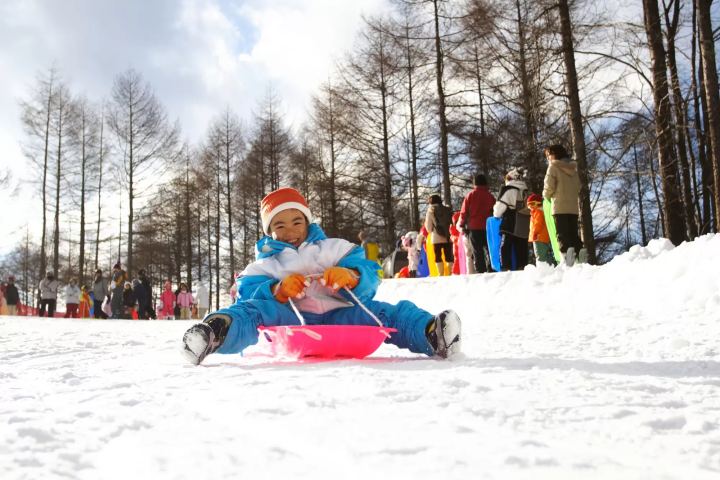
Whether you are an avid skier looking for fresh powder, a professional seeking a tranquil environment to reset, or a nature lover eager to witness the fiery hues of an autumn forest, Karuizawa provides the stage. By respecting the climate, preparing with the right gear, and embracing the seasonal shifts, any traveler can find a meaningful connection to this highland haven. The town remains a permanent fixture on the Japanese travel itinerary, proving that with the right perspective, every season is the "best" time to visit.











