Suro Senen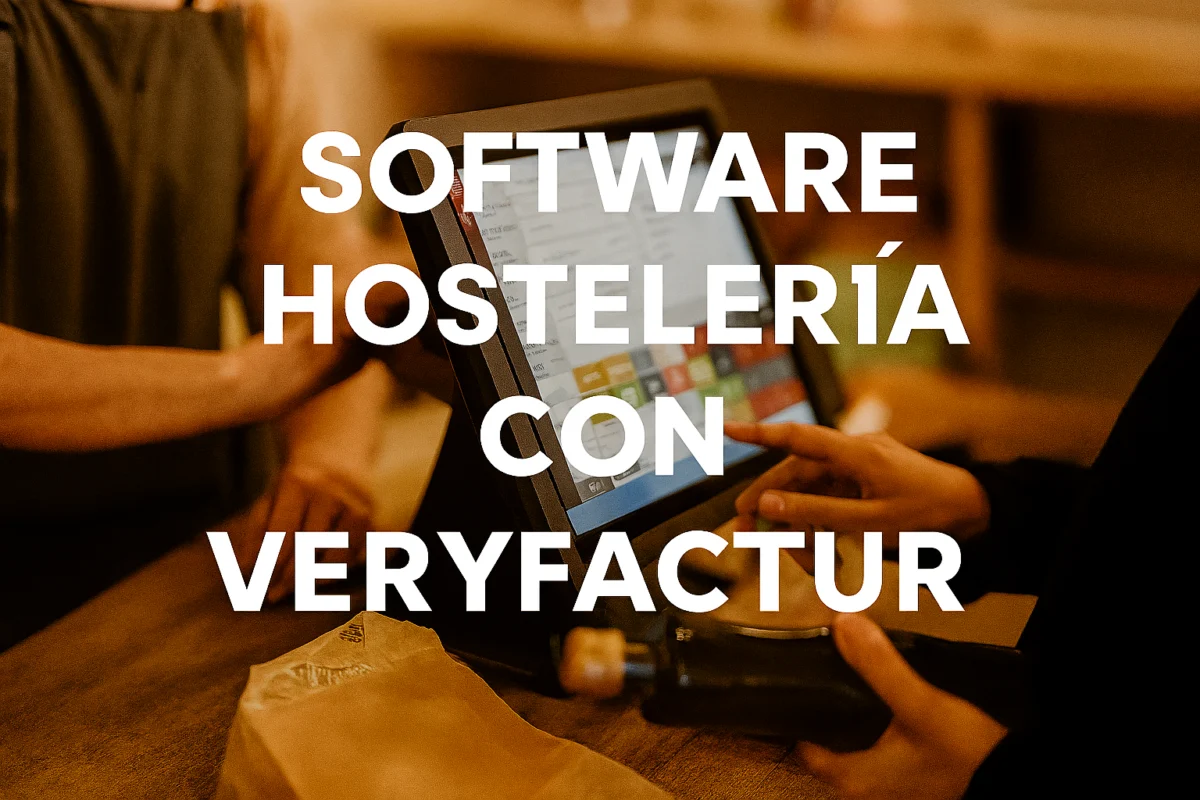
The landscape of the hospitality industry has undergone a seismic shift. Once viewed as an optional luxury, digitalization has evolved into a fundamental condition for survival and success. In a market defined by razor-thin margins and fluctuating consumer expectations, restaurants are increasingly turning to sophisticated software ecosystems to optimize repetitive tasks, mitigate human error, and elevate the overall guest experience. By automating the friction-heavy administrative burden, owners are finally empowering their chefs, waitstaff, and managers to focus on the core value proposition: exceptional culinary service.
At the heart of this revolution lies the integration of advanced point-of-sale (POS) systems, digital order management, and automated fiscal solutions like Veryfactur. This comprehensive digital infrastructure closes the loop from the initial customer order to the final tax filing, creating a seamless workflow that defines the modern restaurant.
A Paradigm Shift: From Pen and Paper to Data-Driven Precision
Historically, the restaurant industry relied on the "analogue triad": handwritten notes, scattered spreadsheets, and the collective memory of the staff. While this system possessed a rustic charm, it was inherently fragile and prone to bottlenecks. Today, that paradigm has been dismantled.
The move toward digitization is not merely a technological upgrade; it is a strategic repositioning. By centralizing operations—unifying sales data, floor management, and stock control—restaurants can eliminate the "operational friction" that leads to burnout and inefficiency. The adoption of a robust POS system for restaurants serves as the foundational layer, transforming raw transaction data into a treasure trove of actionable intelligence. By tracking sales by the hour and by the item, managers can now make evidence-based decisions regarding staffing schedules and menu engineering.
Chronology of Digital Adoption: A Strategic Roadmap
The transition to a fully digital restaurant does not happen overnight. Successful establishments typically follow a structured path of implementation:
- Phase I: The Digital Foundation (Months 1–3): Implementation of a centralized POS system. This stage focuses on digitizing the menu, training staff on basic interfaces, and establishing a real-time record of all sales transactions.
- Phase II: Operational Integration (Months 3–6): The introduction of digital ordering systems. This phase eliminates the paper ticket, bridging the communication gap between the dining room and the kitchen.
- Phase III: Administrative Automation (Months 6–9): Integrating accounting and fiscal compliance tools like Veryfactur. This phase synchronizes sales data with tax obligations, ensuring that financial reporting is both accurate and instantaneous.
- Phase IV: Advanced Analytics (Year 1+): Leveraging the accumulated data to perform deep-dive analyses, optimize inventory turnover, and predict demand cycles.
Supporting Data: The Cost of Inefficiency
The fiscal implications of maintaining manual processes are profound. Industry studies suggest that restaurants failing to digitize inventory and order management lose an average of 5% to 8% of their gross revenue to "hidden leaks." These leaks include:
- Inventory Shrinkage: Untracked waste or spoilage due to poor stock rotation.
- Communication Errors: According to industry feedback, kitchens that transition to digital display systems report a 30% reduction in "returned dishes" caused by misheard or miswritten orders.
- Labor Costs: Manual scheduling often results in 10–15% excess labor costs due to overlapping shifts or overstaffing during "slow" periods that could have been predicted by historical data.
Reducing Errors and Enhancing Communication
One of the most persistent "pain points" in the restaurant business is the breakdown of communication between the front-of-house and the kitchen. Handwritten tickets are often illegible, prone to being misplaced, or susceptible to "lost" modifiers (such as allergy alerts or special requests).
By implementing a digital command flow, the order travels instantly from the waiter’s mobile device to the kitchen display screen (KDS). This not only reduces the margin of error but also provides the kitchen with precise data on "ticket times." When a chef can monitor exactly how long a dish takes to prepare, they can better coordinate the timing of multiple orders, ensuring that an entire table’s meal arrives simultaneously. This synchronization is the difference between a good dinner and a memorable one.
Efficiency in Human Resources
The human element remains the heartbeat of any restaurant, but managing personnel in an industry with high turnover is notoriously difficult. Software solutions provide:
- Real-time Clock-ins: Eliminating "buddy punching" and ensuring payroll accuracy.
- Demand-Based Scheduling: Using historical sales data to predict when the restaurant will be busy, thereby optimizing staff numbers.
- Performance Metrics: Identifying which staff members generate the highest average ticket size or have the fastest turnover rates, allowing for targeted training and incentivization.
Inventory Control: Protecting the Margin
Every ingredient has a cost, and every wasted item is a direct deduction from profit. Advanced software allows for "recipe-level" inventory tracking. When a dish is sold, the system automatically deducts the exact quantity of ingredients used from the total stock.
This level of granular control offers several advantages:
- Auto-Ordering: Triggering alerts when stock reaches a critical threshold, preventing "out-of-stock" scenarios during peak hours.
- Waste Management: Tracking spoilage and theft, allowing management to identify which ingredients are not yielding a return.
- Costing Accuracy: Updating the cost of goods sold (COGS) in real-time, which helps managers adjust menu prices to maintain profit margins despite inflationary pressures.
Analytics: Turning Intuition into Strategy
The "gut feeling" of a veteran restaurateur is valuable, but it is no longer sufficient in a competitive market. Today’s managers require dashboards that translate transactions into strategic insights. Data analytics allow for:
- Menu Engineering: Identifying "stars" (high popularity, high profit) versus "dogs" (low popularity, low profit).
- Predictive Staffing: Knowing exactly how many staff members are needed on a rainy Tuesday versus a sunny Saturday.
- Loyalty Insights: Understanding customer behavior to create targeted marketing campaigns.
Official Perspective: The Role of Fiscal Automation
The introduction of platforms like Veryfactur marks a significant advancement in the relationship between restaurants and regulatory bodies. As tax compliance becomes more digital and stringent, the integration of billing software is no longer just about efficiency; it is about risk management.
Veryfactur simplifies the complex process of fiscal compliance by automating the generation of invoices and ensuring that every transaction is logged in accordance with local tax laws. By automating the reconciliation process, the software significantly reduces the risk of human error in tax filings, which can save business owners from costly audits and administrative penalties. Furthermore, it streamlines communication with accounting firms, who can now access clean, reliable data instantly rather than wading through stacks of physical receipts.
Implications for the Future: A Connected Ecosystem
The ultimate goal for any modern restaurateur should be the creation of a "connected ecosystem." When the POS, the kitchen display, and the accounting software function as a single unit, the result is a virtuous cycle of productivity.
Consider the implications: An order is taken on a tablet at the table. The kitchen receives it immediately. The inventory of the ingredients used is updated automatically. The sale is recorded in the POS, and the fiscal data is pushed to the accounting software. There is no manual entry, no double-handling, and no risk of a lost paper slip. This level of automation is what separates thriving businesses from those struggling to stay afloat.
Overcoming Barriers to Implementation
Despite the clear benefits, many restaurateurs hesitate to digitize due to fear of high initial costs, staff resistance, or technical complexity. These are valid concerns, but they are increasingly mitigated by:
- Cloud-Based Solutions: Reducing the need for expensive hardware maintenance.
- Intuitive Interfaces: Designing systems that require minimal training for non-tech-savvy staff.
- Phased Rollouts: Allowing businesses to adopt modules gradually, minimizing disruption to daily operations.
Conclusion
The digital transformation of the hospitality sector is not merely a trend; it is a necessary evolution. By embracing an integrated approach—combining POS systems, digital command centers, and automated fiscal management—restaurateurs can reclaim their time and focus on what truly matters: the culinary experience.
Investing in technology is an investment in the longevity of the business. It reduces the stress of daily operations, minimizes the margin for error, and provides the data-driven insights necessary to compete in an increasingly crowded market. For the restaurant owner of today, the choice is clear: either adapt to the digital age or risk being left behind by those who have already unlocked the efficiency of the modern, connected kitchen.

 Ammar Sabilarrohman
 Nana Wu