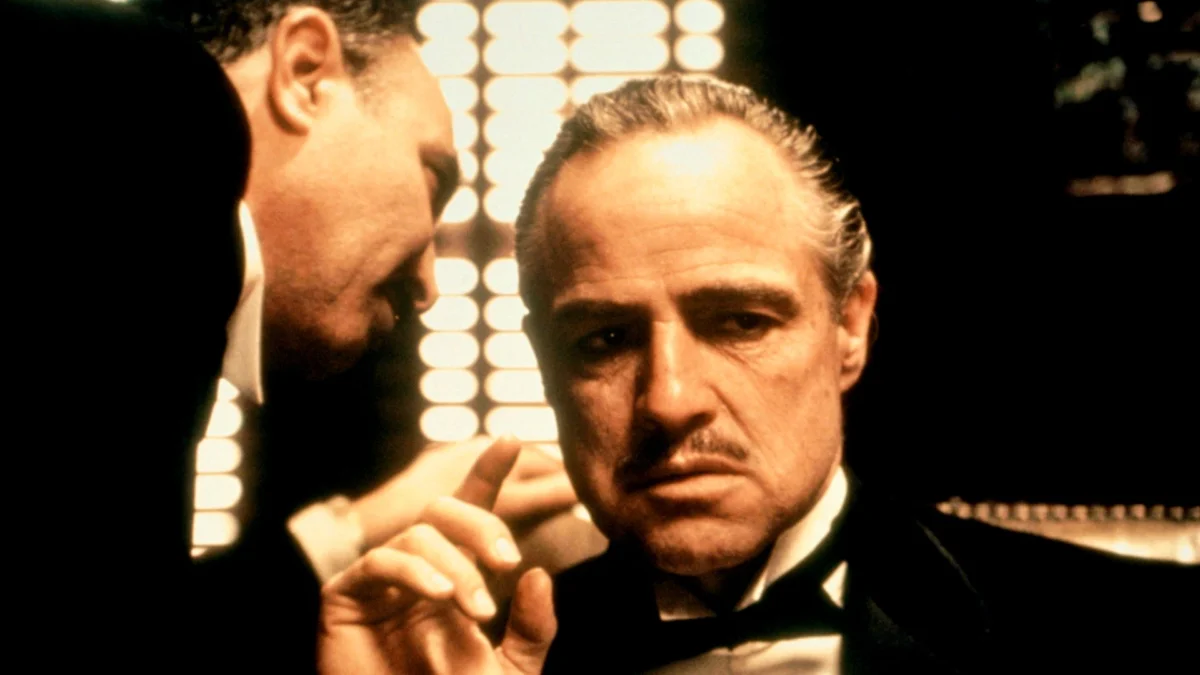
Francis Ford Coppola’s The Godfather (1972) is more than a film; it is a cultural monolith. Adapted from Mario Puzo’s 1969 novel, the crime saga fundamentally altered the trajectory of American cinema. By transforming the "gangster flick"—a genre previously relegated to B-movie status—into a Shakespearean tragedy of operatic proportions, Coppola provided the blueprint for the New Hollywood era.
Yet, as we pass the 54-year mark since its premiere, a curious phenomenon has emerged. While the film remains enshrined in the pantheon of the greatest works of art ever created, the modern audience’s relationship with the Corleone family is fraught with complications. The lens through which we view cinema has shifted, and the "timeless" quality of the film is increasingly tested by the weight of its own historical, social, and cultural baggage.
A Chronology of Cinematic Dominance
To understand the current tension, one must recognize the seismic impact of The Godfather upon its release in 1972. The film was not an immediate "sure thing." Paramount Pictures, skeptical of Coppola’s vision, initially pushed back against the casting of Al Pacino and the inclusion of Marlon Brando, whose career was widely considered to be in a tailspin.
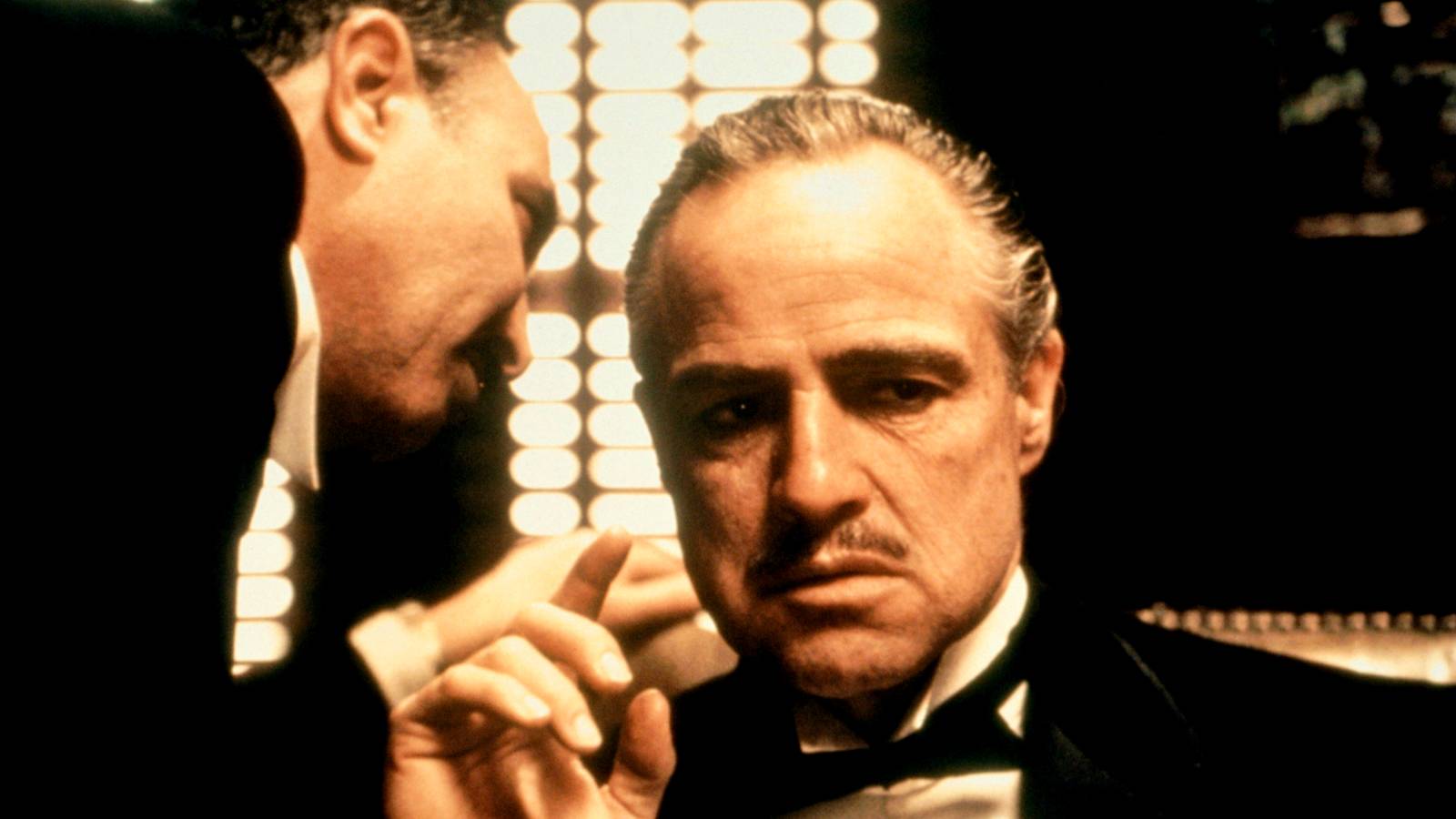
When it finally hit theaters, it shattered expectations. It became the highest-grossing film of its era, earning over $200 million and winning the Academy Award for Best Picture. It acted as the catalyst for the "New Hollywood" movement—a period characterized by director-driven, gritty, and artistically daring narratives. Following the film’s success, directors like Martin Scorsese, Brian De Palma, and Michael Cimino were given the creative capital to redefine the American aesthetic.
However, over the subsequent five decades, the film transitioned from a piece of living, breathing art into a static cultural artifact. It holds the number three spot on the American Film Institute’s "100 Years… 100 Movies" list, yet its ubiquity has paradoxically made it harder for the average viewer to engage with it on its own terms.
The ‘Guy’s Movie’ Paradox and Cultural Stereotyping
One of the primary hurdles for contemporary viewers is the film’s calcified reputation as the quintessential "guy’s movie." This label acts as a gatekeeping mechanism that colors the audience’s expectations before the opening credits even roll.

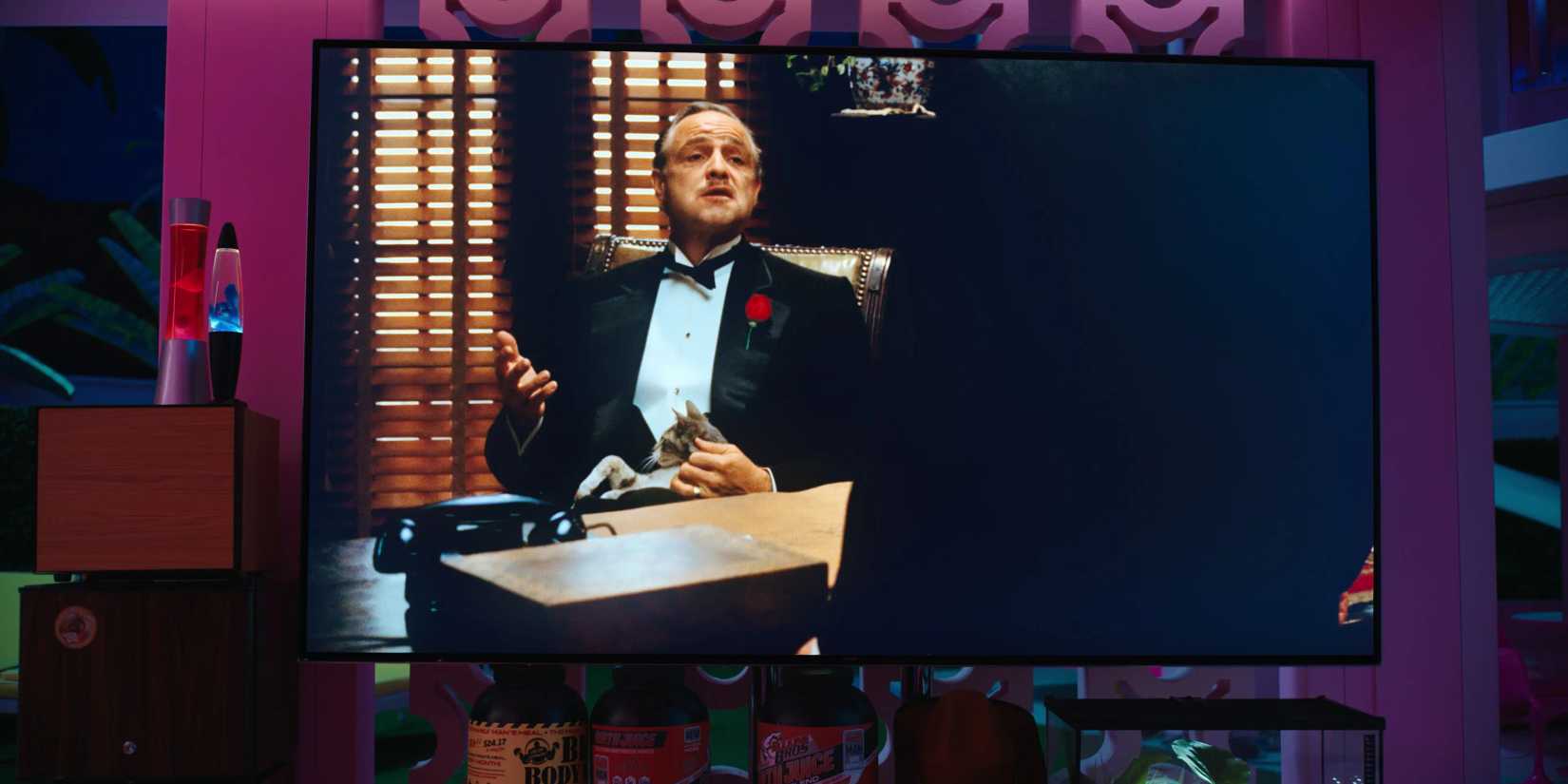
In the 1998 film You’ve Got Mail, the term "go to the mattresses" is used as a shorthand for a shared, masculine cultural literacy. Decades later, Greta Gerwig’s Barbie (2023) lampooned this dynamic, showing the Kens using the film as a tool for "mansplaining" to the Barbies. When a film becomes a meme—or worse, a tool for social posturing—it loses its ability to surprise. For many, the barrier to entry is no longer the three-hour runtime, but the exhausting expectation that one must "understand" the film to belong to a certain demographic. This cultural baggage can turn a viewing session into an exercise in performance rather than a genuine exploration of theme.
The Over-Quoted Legacy
The film is a victim of its own success in the realm of dialogue. Lines like "I’m going to make him an offer he can’t refuse" have been so thoroughly absorbed into the American lexicon that they have lost their original gravitas.
When a viewer hears "Sleeps with the fishes" or the ubiquitous, often misremembered, "It’s not personal, it’s business," they are hearing decades of pop-culture parodies before they are hearing the original line delivery. This leads to a "deja-vu" effect that prevents the audience from feeling the genuine, sinister weight behind Marlon Brando’s performance. The dialogue, once revolutionary in its subtextual power, now feels like a greatest-hits compilation of clichés, making it difficult for the modern viewer to appreciate the subtlety of the writing.
The Gender Critique: A Historical Blind Spot
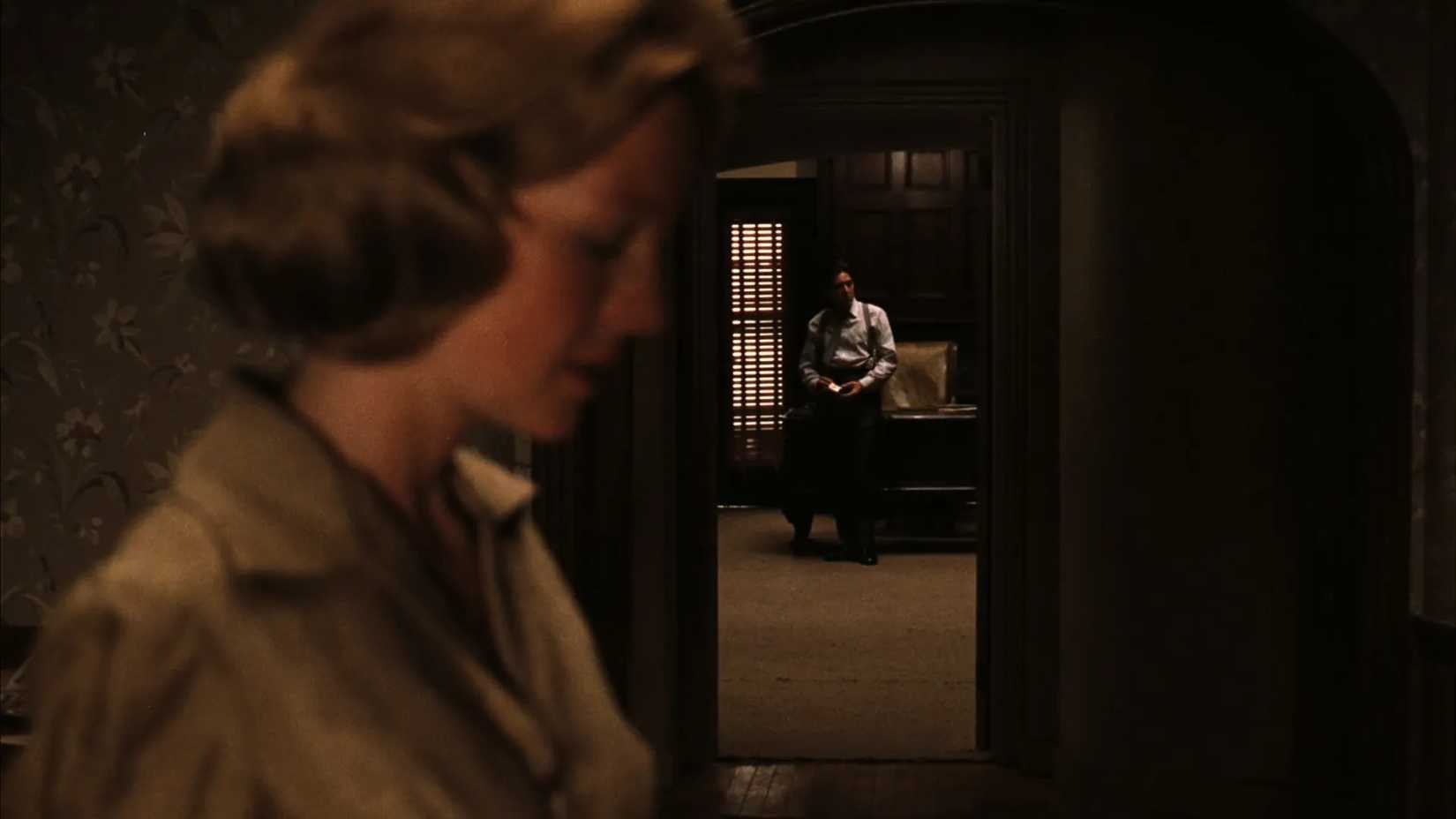
Perhaps the most significant friction point for modern audiences is the depiction of women. The Corleone world is one of rigid, suffocating patriarchy. While this is intentional to the narrative’s exploration of power, it creates a stark disconnect with the values of 2026.
As noted by critic Molly Haskell in her seminal 1997 analysis, The Godfather essentially shuttered its doors to the female perspective at the exact moment the women’s liberation movement was beginning to reshape the social fabric of the United States. While the wives and daughters of the Corleone family—Kay, Connie, and Mama Corleone—serve as tragic mirrors to the male corruption, they are fundamentally excluded from the narrative agency. Watching this today, the isolation of these characters feels less like a stylistic choice and more like a restrictive limitation that ignores half the human experience.
The Weight of Stardom: When the Actor Outshines the Character
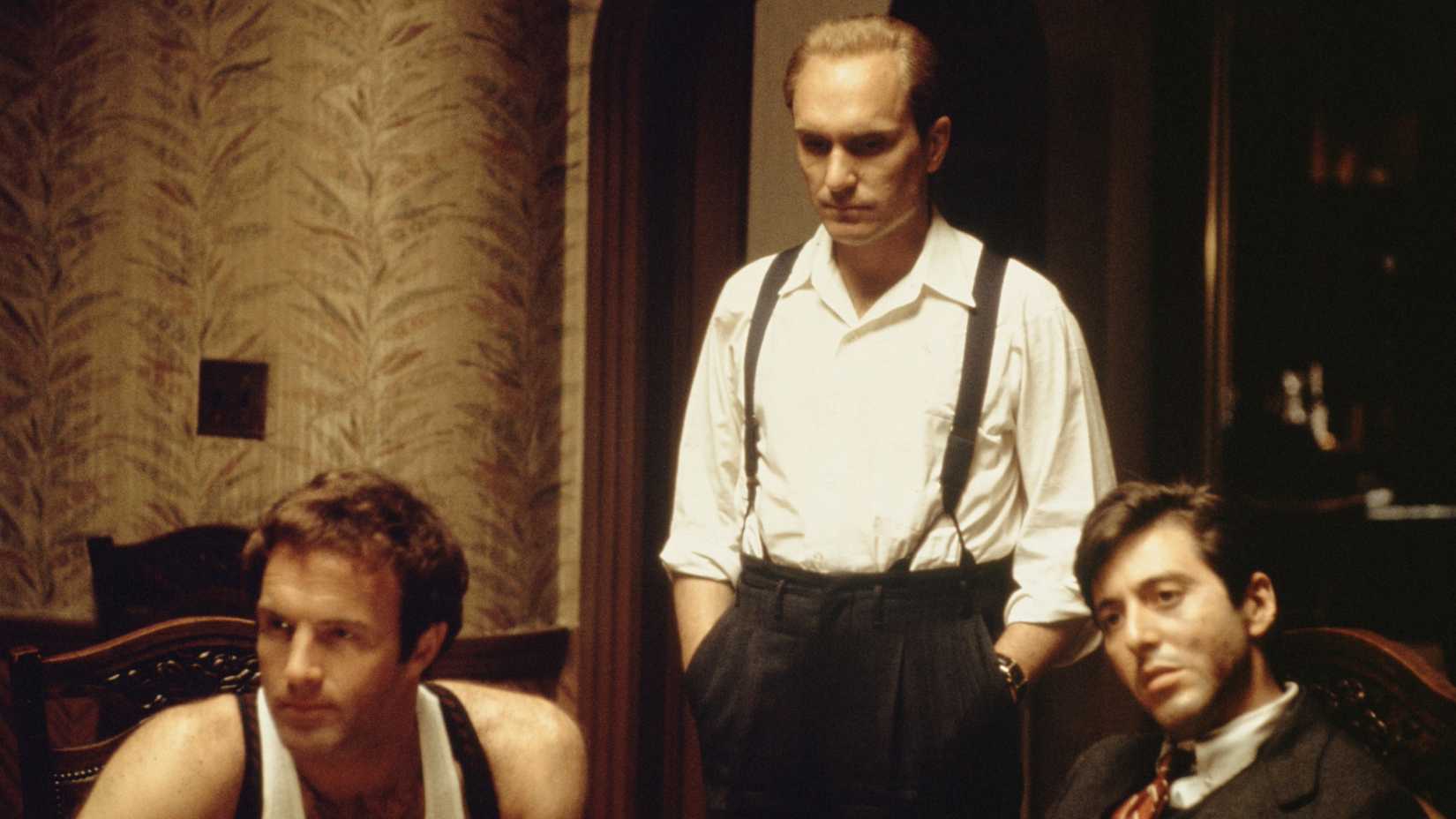
The casting of The Godfather is a masterclass in history, but that history now serves as a barrier to immersion. In 1972, the audience did not see Al Pacino; they saw Michael Corleone. Today, we see the entire career of a Hollywood legend.
The same can be said for Diane Keaton and James Caan. Because these actors became the faces of American cinema for the next 50 years, the "star image" often precedes the character. When Pacino enters the frame, the modern brain immediately recognizes the icon, which can disrupt the necessary suspension of disbelief required to enter the world of 1940s New York. The transformation of these actors into "legends" has, in a sense, made them less effective as "everymen" within the narrative.
Narrative Pacing in the Digital Age
Beyond the sociological critique, there is the functional reality of the viewing experience. The Godfather is a slow-burn epic. It prioritizes mood, atmosphere, and dialogue over the rapid-fire editing and sensory overload typical of contemporary media.
In an era of hyper-connectivity and fragmented attention spans, the film’s three-hour runtime—and the nine-hour commitment for the full trilogy—requires a level of discipline that is increasingly rare. The film demands that the viewer sit with the silence. For a generation accustomed to dual-screening or episodic streaming, the deliberate pace can feel like a test of endurance. While the payoff is undeniably rewarding, the "barrier to entry" is significantly higher than it was in the mid-20th century.
Structural Cracks: Does the Narrative Hold Up?
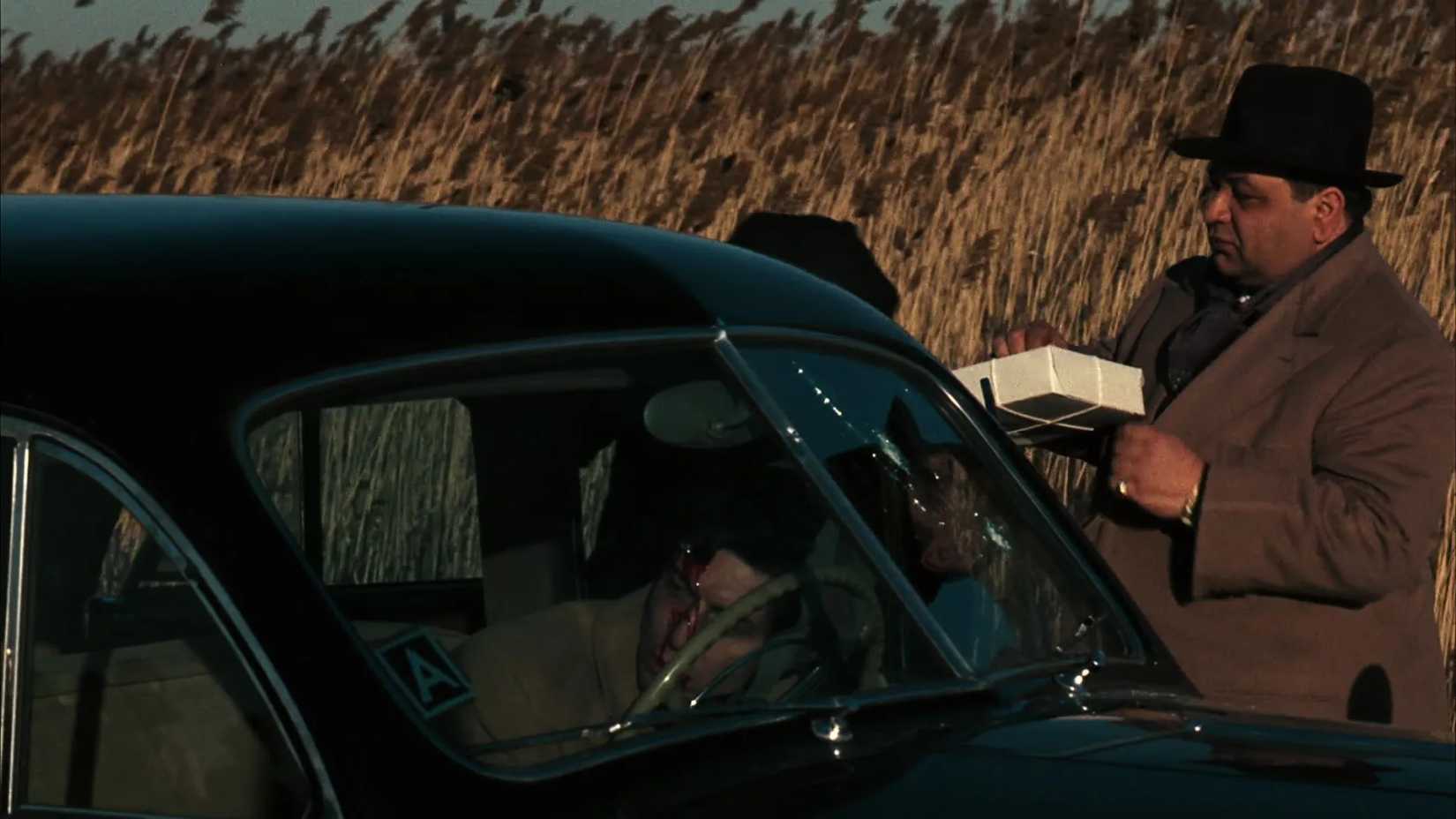
Even masterpieces have seams. When examined with a critical eye, the plot contains elements that feel increasingly incongruous. The infamous "Sonny Corleone hit" is the most glaring example. From a purely tactical standpoint, the scene is nonsensical, yet it remains a staple of cinematic violence. Furthermore, Michael’s exile to Sicily, while rich in atmosphere, often feels like a narrative detour that pauses the momentum of the New York-based conflict.
Modern audiences, trained by sophisticated, tightly plotted prestige television, are often more sensitive to these structural "snags." While they don’t necessarily ruin the film, they do serve as reminders that The Godfather is a product of a specific, pre-digital era of filmmaking.
The Verdict: A Living Monument
Despite these challenges, The Godfather remains a seminal masterpiece. Its cinematography, the mastery of Gordon Willis’s lighting, and the thematic depth of Nino Rota’s score ensure that it will never truly lose its power.
The struggle modern viewers face is not with the film itself, but with the context surrounding it. The film is no longer just a movie; it is an institution. To watch it today is to engage in a conversation with history, stereotypes, and the evolution of the American mythos. While it may not feel the same as it did in 1972—and perhaps it was never meant to—the film’s ability to provoke, frustrate, and awe proves that it is still very much alive.
The challenge for the next generation of viewers is to look past the memes, the parodies, and the cultural baggage to find the human heart beating beneath the surface of the Corleone empire. If they can manage that, the masterpiece remains as potent today as it was half a century ago.