Evan Lee Salim
Final Fantasy X stands as a monumental pillar in the history of the JRPG genre. Originally released in 2001, Square Enix’s tenth mainline installment redefined the capabilities of the PlayStation 2 era, offering a lush, voice-acted, and emotionally charged odyssey through the world of Spira. While it was celebrated at launch for its innovative "Conditional Turn-Based Battle" system and breathtaking visuals, the game’s true longevity lies in its narrative complexity.
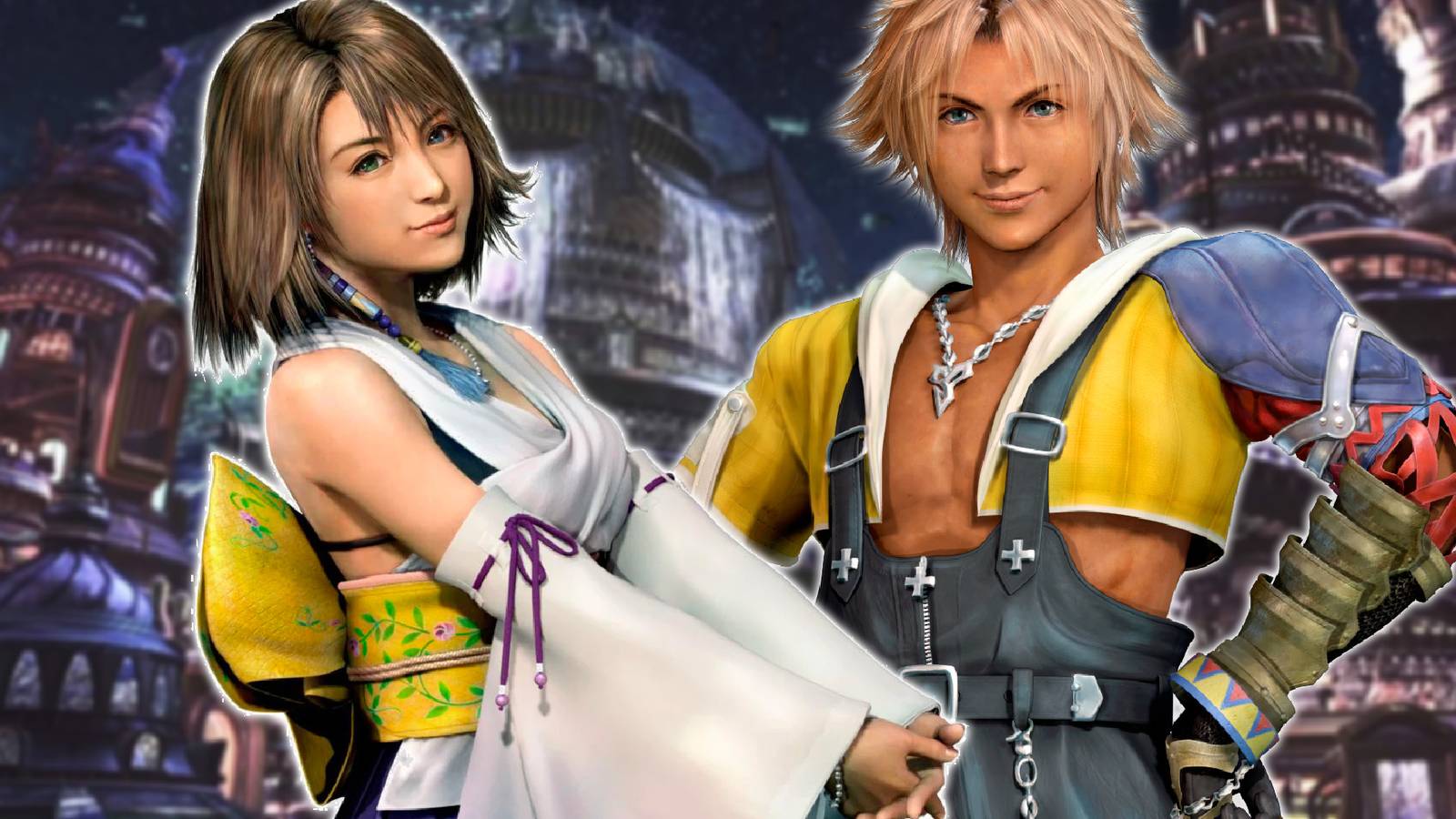
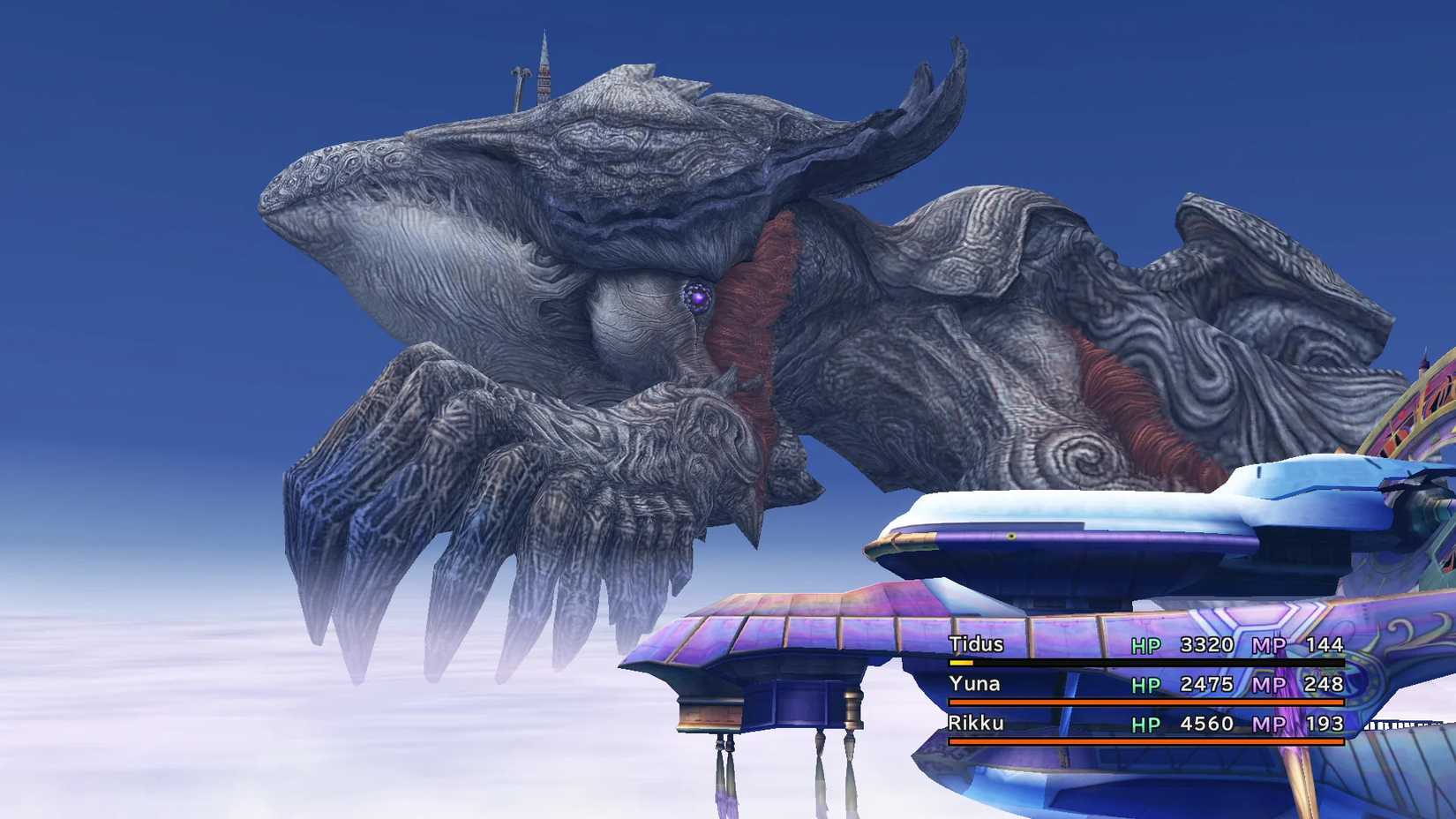
For many, Final Fantasy X was a childhood hallmark—a sprawling adventure filled with magic, epic summons, and a seemingly straightforward battle against a whale-like monster named Sin. However, revisiting the journey of Tidus and Yuna through the lens of adulthood reveals a much darker, more profound commentary on the human condition. When we were younger, we consumed the story at surface level; as adults, we recognize the subtext of grief, institutional rot, and the crushing weight of legacy.

The Chronology of a Masterpiece
The development of Final Fantasy X marked a pivotal transition for Square Enix. It was the first title in the series to utilize full voice acting, a technical leap that required a shift in how characters were animated and how cutscenes were directed. Released on December 17, 2001, in North America, it arrived at a time when the JRPG genre was reaching its creative zenith.
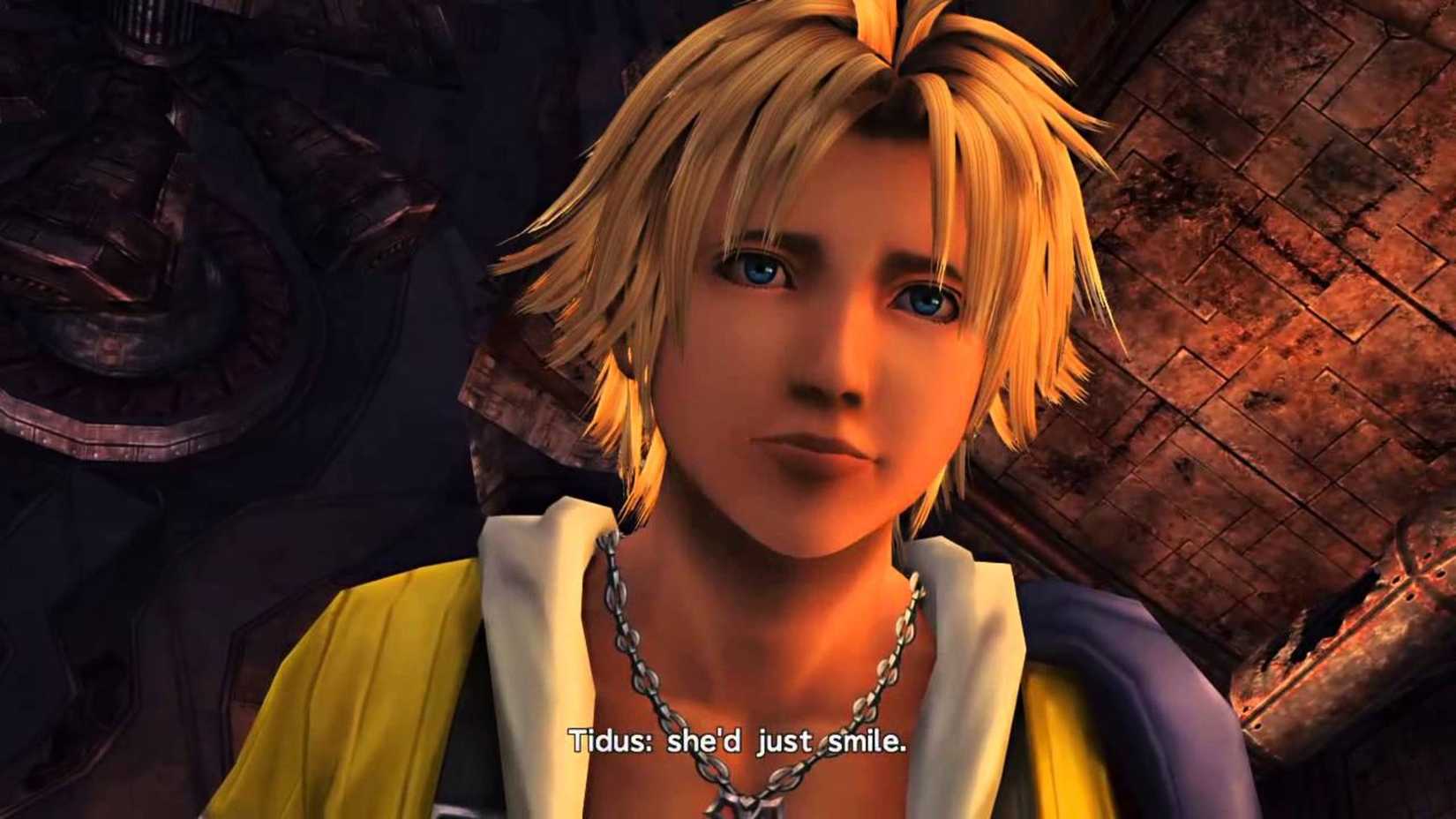
Following the immense success of the original, the game was eventually ported to multiple platforms, including a high-definition remaster that introduced the title to a new generation of players. The legacy of Spira even expanded into the franchise’s first-ever direct sequel, Final Fantasy X-2, solidifying the world as one of the most fleshed-out settings in Square Enix’s repertoire.
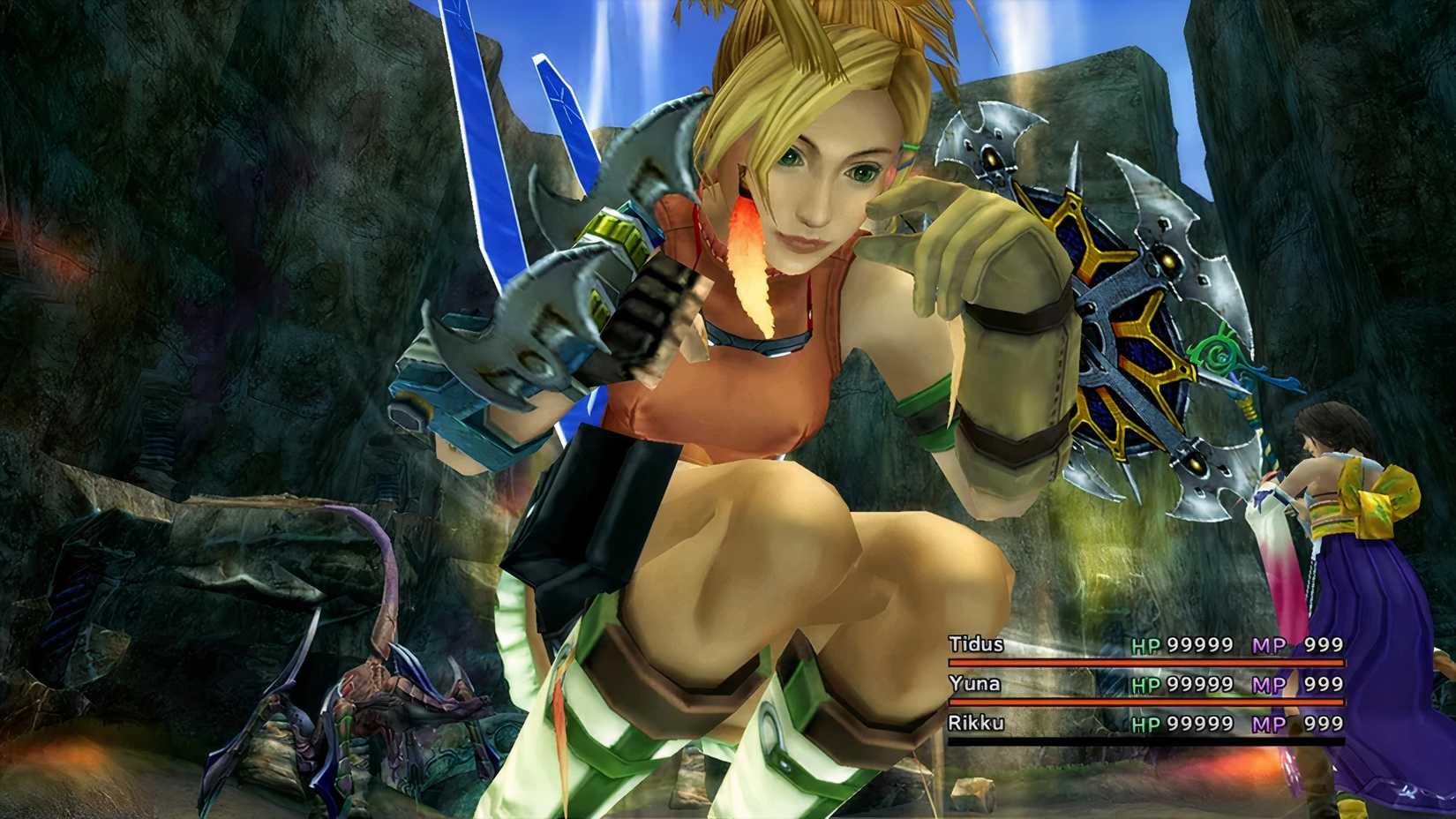
Tidus: Beyond the "Whiny Kid" Trope
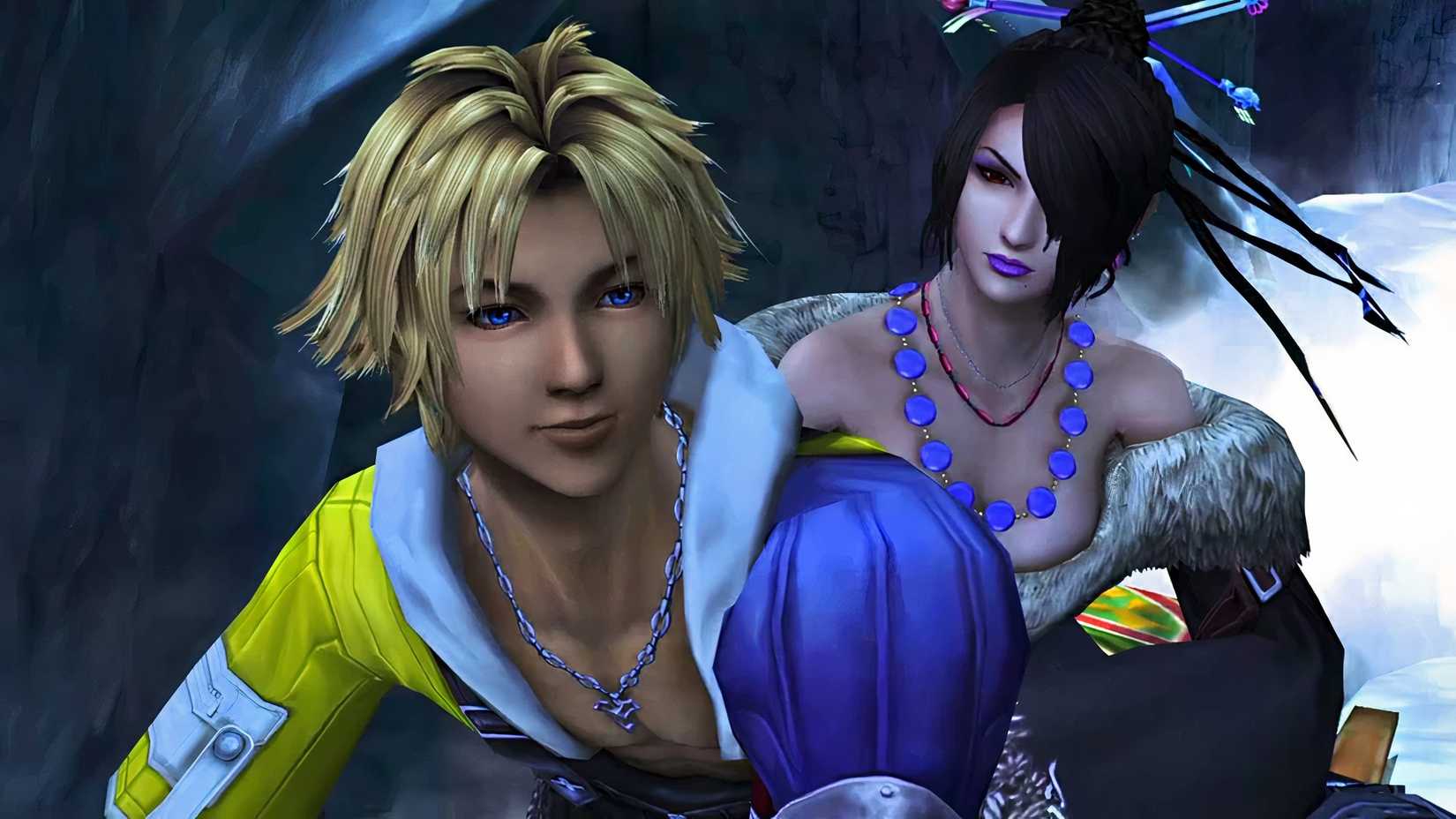
When players first encounter Tidus, the protagonist of Final Fantasy X, it is common for younger audiences to perceive him as impulsive, loud, and needlessly abrasive. He is the quintessential fish-out-of-water, thrust from the high-tech metropolis of Zanarkand into the rural, superstitious landscapes of Spira.
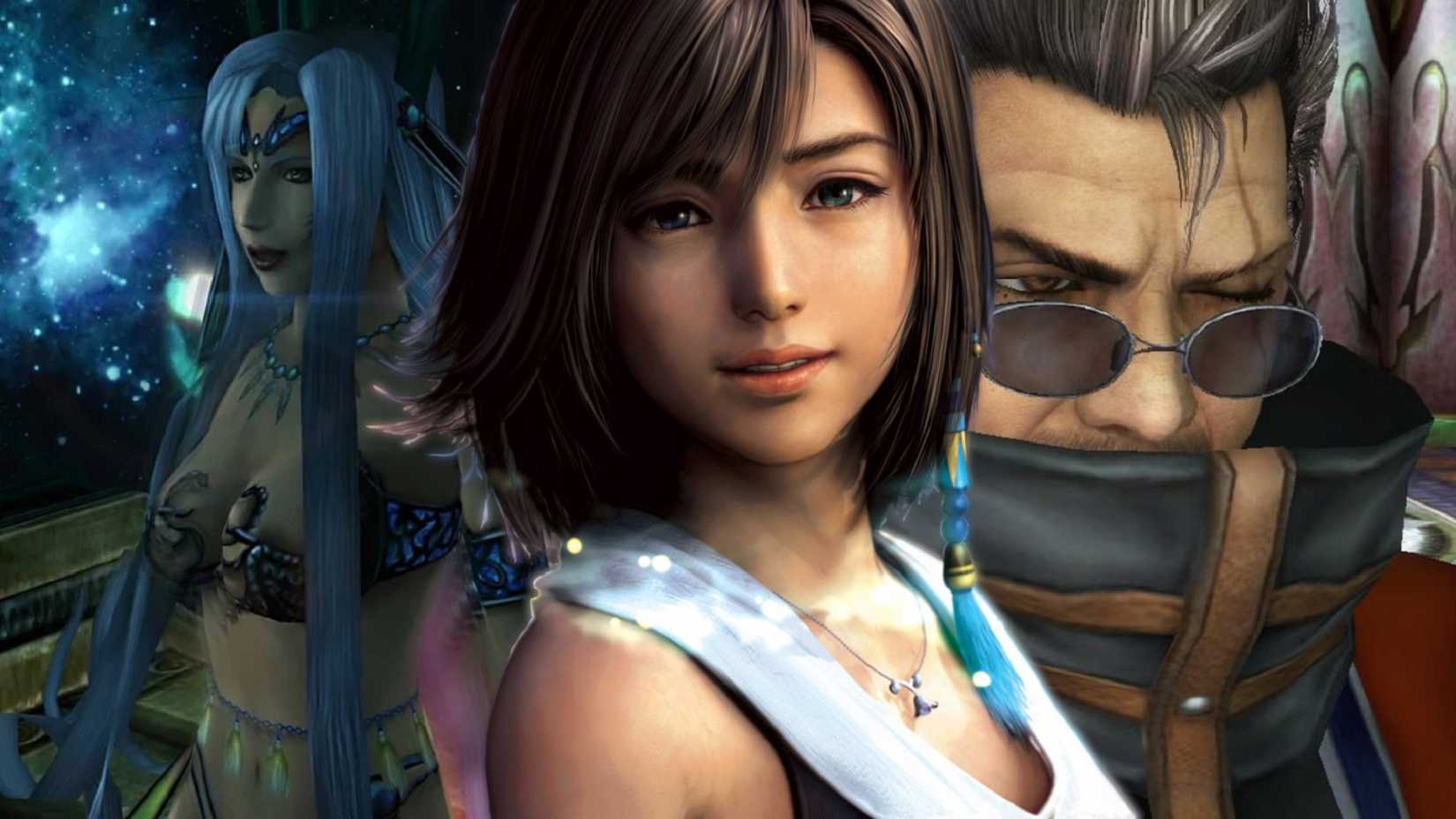
However, a mature playthrough reveals that Tidus is not merely a "whiny kid"—he is a young man processing profound abandonment and trauma. His "annoying" behaviors are defense mechanisms. Throughout the narrative, he displays remarkable emotional intelligence. He is the first to openly challenge the status quo, questioning why people must die for a religious dogma that clearly isn’t working. His ability to remain vulnerable—to show fear, to grieve, and to fall in love while facing his own inevitable erasure—is a testament to his maturity. Tidus is not a static hero; he is a beacon of defiance in a world that has been taught to accept its own demise.
Institutional Corruption and the Yevon Facade
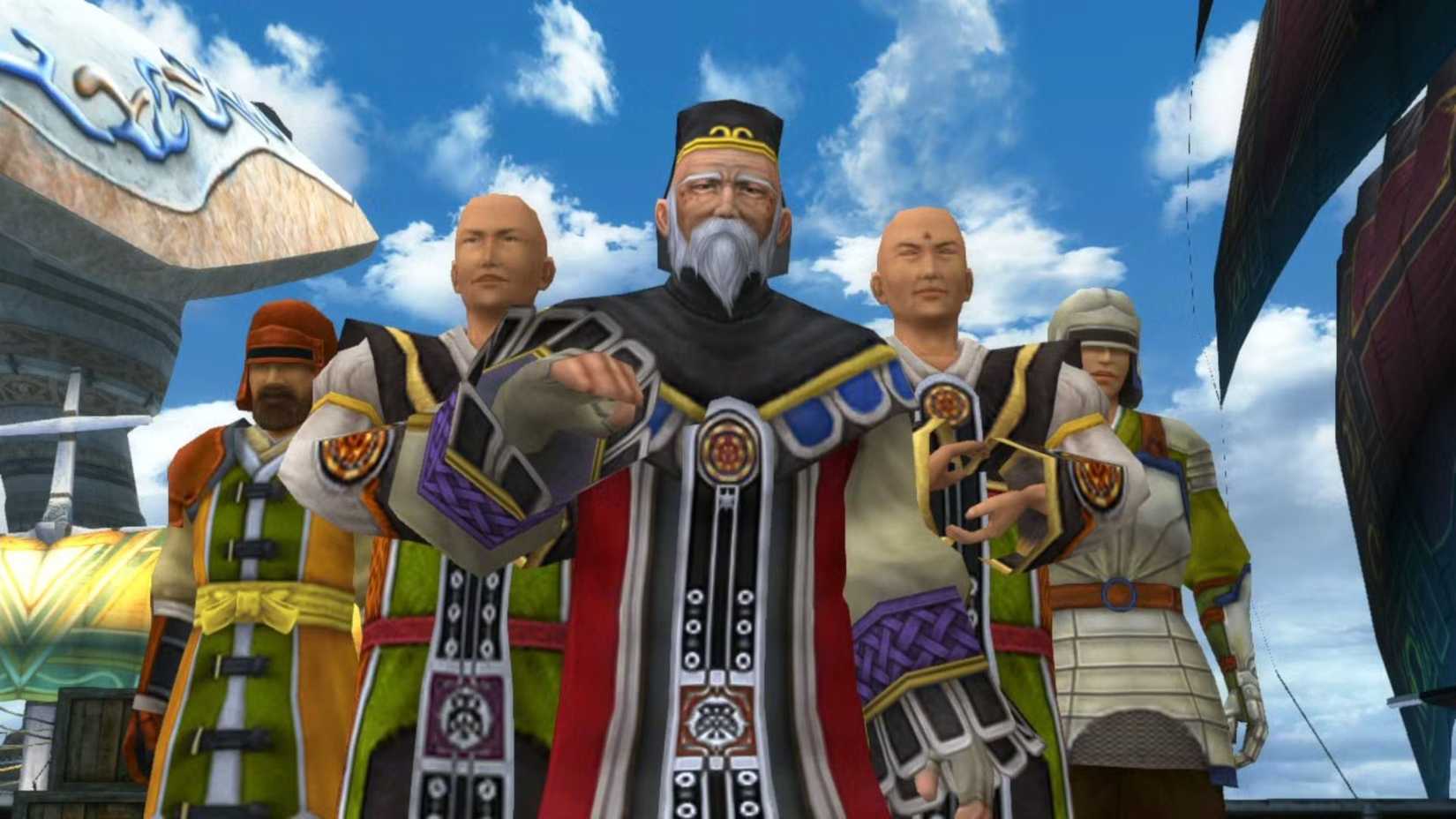
In our youth, the Church of Yevon felt like a classic fantasy antagonist—a shadowy, corrupt religious order. But as adults, the portrayal of Yevon strikes an uncomfortably familiar chord. It serves as a stark reflection of real-world systemic corruption.
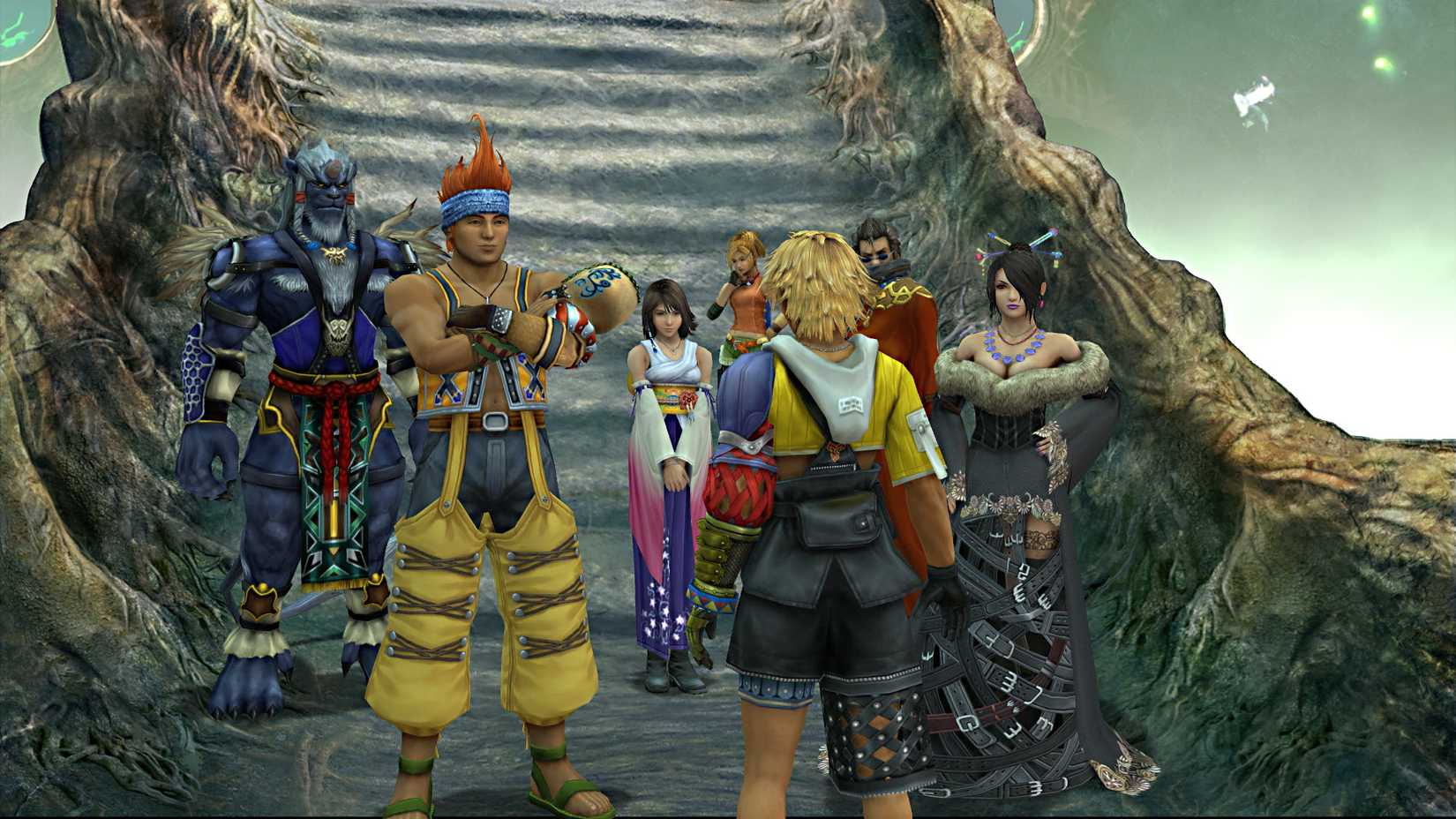
The game explores how institutions maintain power through the manipulation of fear and the manufacturing of consent. By branding the Al Bhed as "sinners" for their use of machina—technology that could potentially solve many of Spira’s problems—Yevon ensures that the populace remains dependent on the Church for protection against Sin. This is a chillingly accurate depiction of how organizations weaponize dogma to marginalize progress and silence dissent. Seeing Maester Mika and the other leaders of Yevon prioritize their own continuity over the lives of their followers is no longer just "villainous" storytelling; it is a recognizable portrait of bureaucratic malice.
The Weight of Generational Trauma
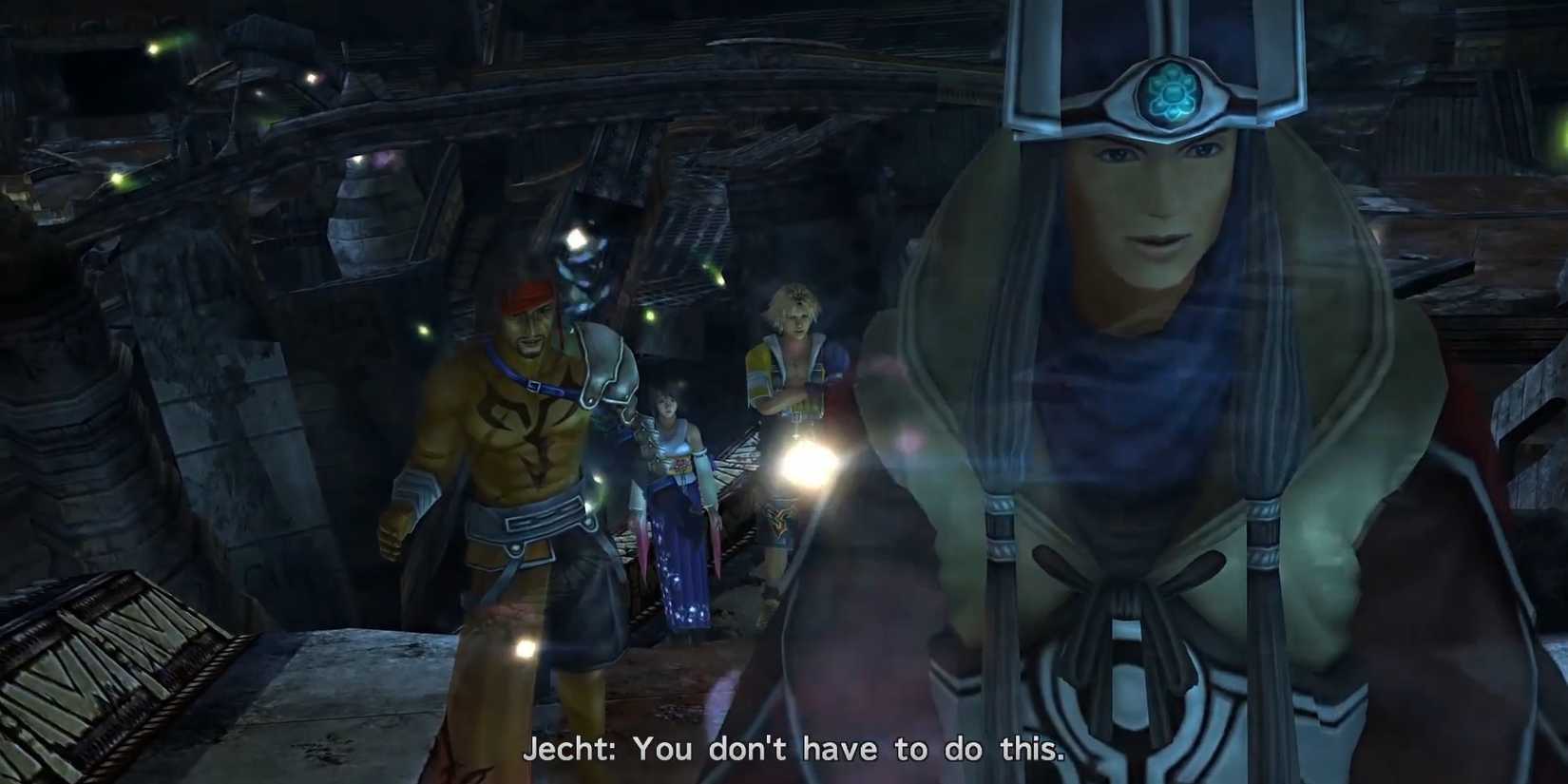
Perhaps the most poignant aspect of Final Fantasy X is its unflinching look at generational trauma. The world of Spira is essentially a society held hostage by the sins of its ancestors. Every character is burdened by the legacy of someone else: Yuna lives in the shadow of her father, Lord Braska; Wakka is haunted by the death of his brother, Chappu; and Tidus is forever chasing the ghost of his father, Jecht.
The game posits that true change can only occur when the cycle of trauma is broken. This requires the characters to confront their parents’ mistakes—and their own complicity in perpetuating them. Watching Yuna move from a submissive devotee of her father’s legacy to an independent leader who chooses her own fate is a powerful arc. It resonates deeply with any adult who has had to reconcile their upbringing with their own personal growth.
Supporting Data: Why It Hits Differently
The emotional resonance of Final Fantasy X is supported by its character-driven focus. While the game provides standard JRPG elements, the "pilgrimage" itself is a masterclass in narrative pacing.
| Element | Childhood Perception | Adult Perspective |
|---|---|---|
| Yuna’s Smile | A sign of her cheerfulness. | A mask of duty and self-denial. |
| The Pilgrimage | An epic, heroic adventure. | A ritualized, suicidal procession. |
| The Al Bhed | "The bad/tech-savvy guys." | A scapegoated minority. |
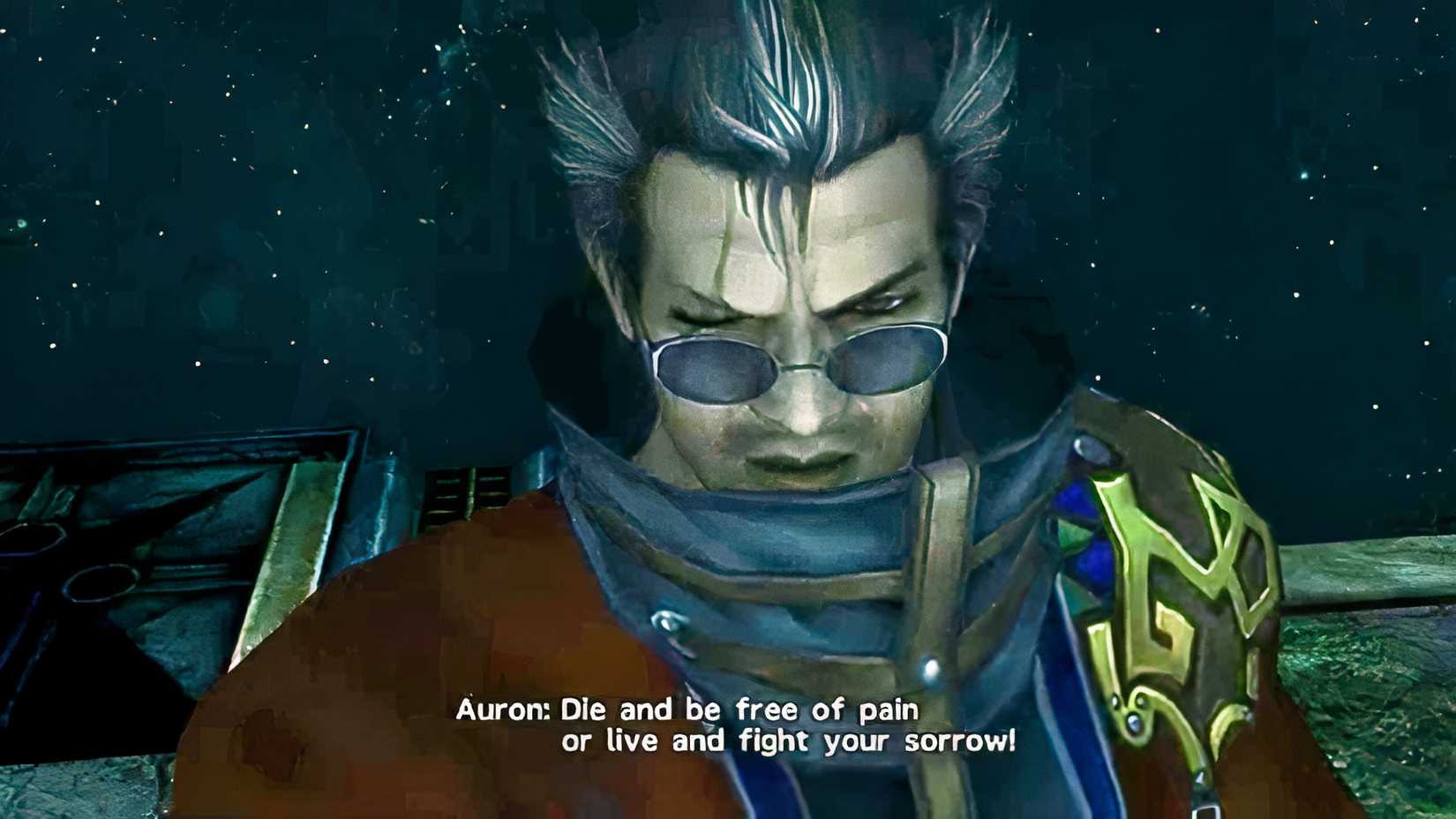
| Auron | The cool, mysterious mentor. | A man consumed by grief and guilt. |
These shifts in perspective transform the gameplay experience. When we are young, we focus on leveling up our stats and perfecting our Overdrives. When we are older, we find ourselves lingering in cutscenes, reading between the lines of dialogue, and feeling the genuine, heavy sorrow of a cast that is essentially composed of children asked to save a world that refuses to save itself.
Official Responses and Cultural Impact
Over the years, Square Enix developers have often cited Final Fantasy X as a "pivotal" project. In various interviews and retrospective features, the development team has acknowledged that they wanted to create a game that felt like a "story of loss." This intent clearly landed. The game’s ending—which sees Tidus fade away after the defeat of Sin—is frequently ranked among the most bittersweet conclusions in gaming history.
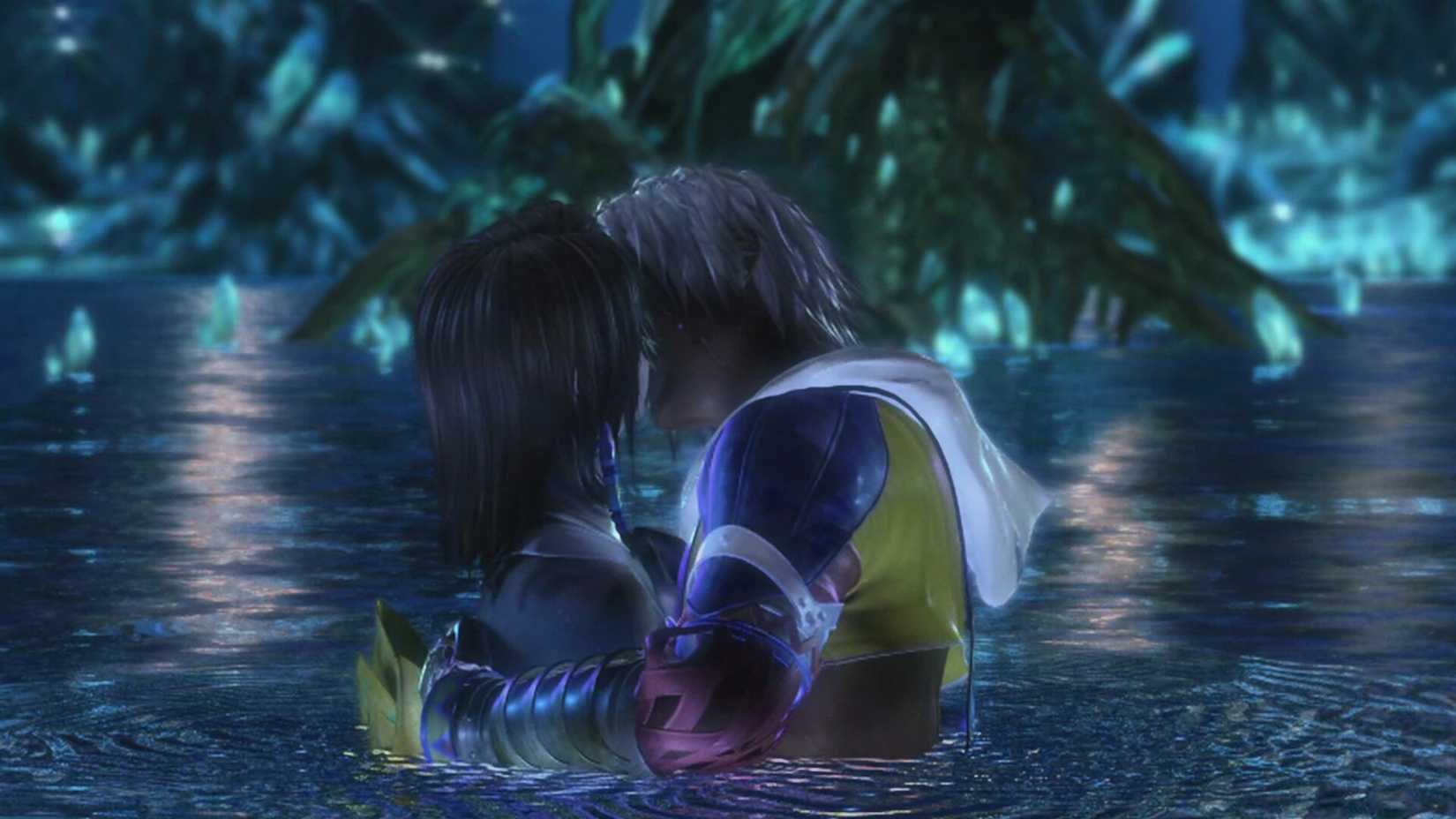
Critics and fans alike have noted that the game’s commitment to its ending was a bold move. It refused to provide a "happily ever after," instead opting for a "goodbye for now." This narrative choice reinforced the game’s core theme: the journey is more important than the destination, and the people we lose change us in ways that define our future.
Implications: The Enduring Legacy of Spira
The implications of Final Fantasy X go beyond the screen. It teaches players that questioning authority, even when it is ingrained in culture, is a moral imperative. It highlights that grief is not a process to be "finished" but a burden to be integrated into one’s life.

Furthermore, the game’s portrayal of the "pilgrimage" acts as a metaphor for the societal pressure to follow a preordained path. By the end of the game, the destruction of the status quo is not just a plot point—it is a liberation. When the cast rejects the teachings of Yevon, they aren’t just defeating a monster; they are claiming their right to self-determination.
In conclusion, Final Fantasy X is more than a classic game from the PS2 era. It is a mirror held up to our own maturation. It invites us to grow alongside its characters, moving from the naive optimism of youth to the nuanced, often painful wisdom of adulthood. Whether you are playing it for the first time or the tenth, Spira remains a world that has something new to teach you about the nature of love, loss, and the courage it takes to break the cycle.


 Asep Darmawan
 Iffa Jayyana