Neng Nana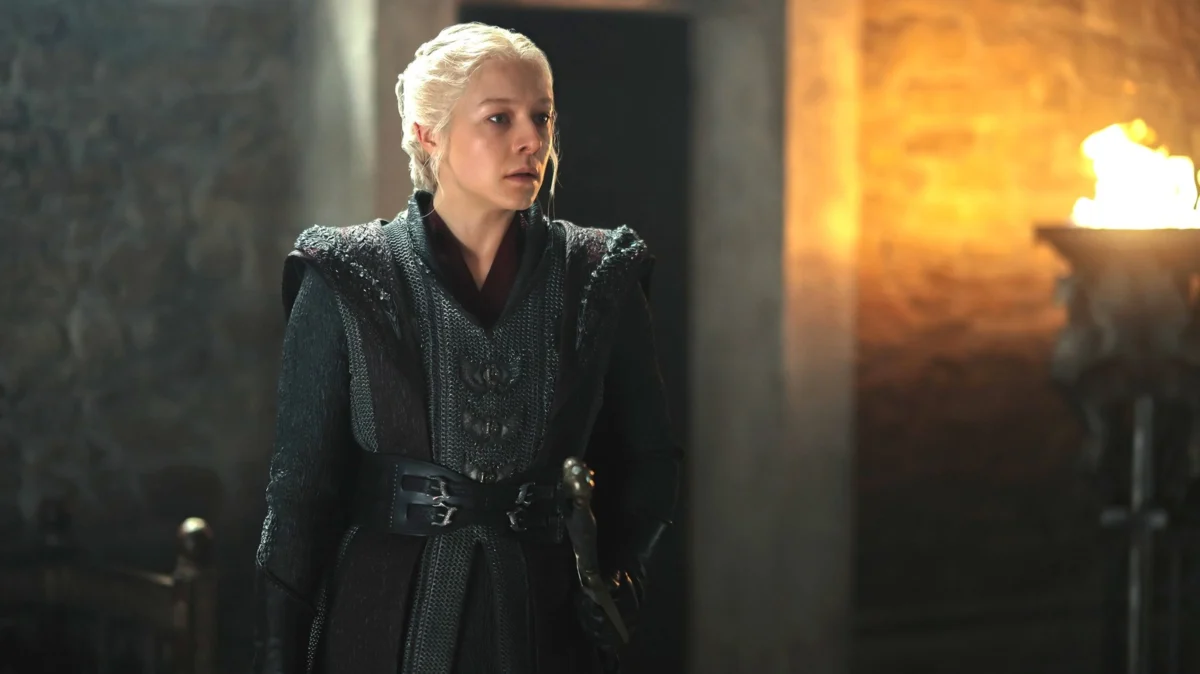
The third season of HBO’s House of the Dragon has arrived with a narrative intensity that feels both chaotic and transformative. As the Targaryen civil war, the Dance of the Dragons, enters a phase of total mobilization, the series has begun to pivot away from the high-fantasy splendor of the early episodes toward a grittier, more morally ambiguous reality.
However, this shift has brought with it a distinct sense of unease among the franchise’s dedicated fanbase. Specifically, the third episode of the new season features a sequence—the knighting of the "Dragonseeds"—that stands in stark, almost painful contrast to the themes explored in the recent prequel series, A Knight of the Seven Kingdoms. By juxtaposing the desperate, transactional nature of the Dragonseeds’ elevation with the earnest, soul-searching honor found in the Dunk and Egg era, House of the Dragon is forcing viewers to confront the rapid decay of Westerosi ideals.
The Context: A Realm in Flux
Following a climactic conclusion to the second season, the third season’s opening episodes have been preoccupied with establishing a "new normal" in King’s Landing. Queen Rhaenyra Targaryen, now firmly in control of the capital, faces a logistical and political nightmare. Her claim to the Iron Throne is absolute, yet her resources are stretched thin.
Central to her military strategy are the Dragonseeds—bastards of Valyrian descent capable of claiming and riding the dragons of the Targaryen bloodline. Among these, three individuals have emerged as focal points of the narrative: Ulf the White, Hugh the Hammer, and Adam of Hull. While these men are essential to Rhaenyra’s bid for total dominance, they represent an existential threat to the social order of Westeros.
The Chronology of Disenchantment
The narrative arc of Episode 3 centers on the legitimization of these men. Rhaenyra, recognizing that her war effort requires more than just brute force, tasks her husband, Daemon Targaryen, with inducting these bastards into the ranks of the nobility.
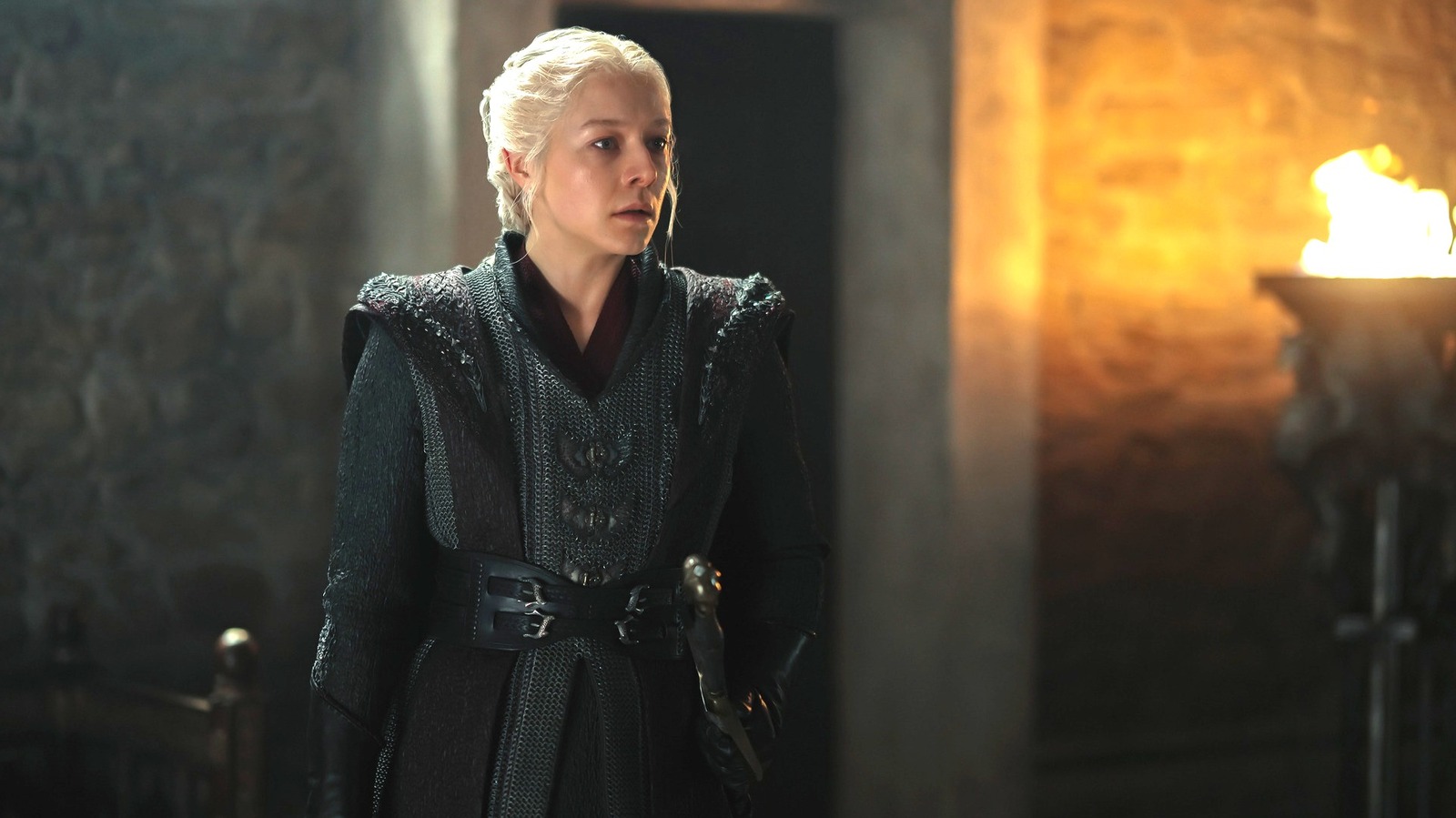
- The Recruitment: Initially, the Dragonseeds are portrayed as desperate, opportunistic individuals. Ulf, in particular, spends the early part of the season posturing, demanding castles and titles that far exceed his station.
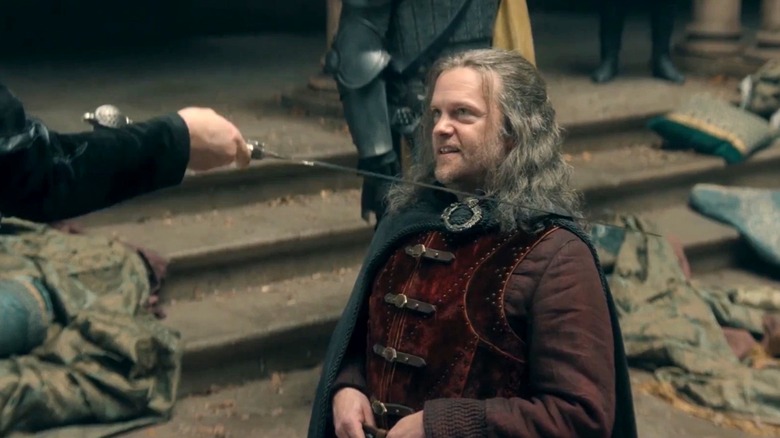
- The Ceremony: Rhaenyra instructs Daemon to knight the men, effectively granting them the prestige of the knightly class—a rank traditionally reserved for those of high birth or proven martial valor.
- The Subversion: The ceremony itself is devoid of the solemnity usually associated with knighthood. As Daemon recites the ancient oaths, the participants—particularly Ulf—behave with a mixture of arrogance and detached cynicism.
This sequence serves as a deliberate pivot point in the series. Where once knighthood was a sacred bond between a sovereign and a protector, it has now become a bureaucratic tool, stripped of its spiritual weight to serve the pragmatic needs of a war-torn monarchy.
Supporting Data: The Contrast in Values
To understand the viewer frustration, one must look at the standard set by A Knight of the Seven Kingdoms. The recent adaptation of George R.R. Martin’s Dunk and Egg tales offers a stark, poignant look at what knighthood should be.
The Fossoway Standard
Raymun Fossoway’s elevation in A Knight of the Seven Kingdoms was a masterclass in thematic storytelling. It underscored the virtues of selflessness, protection of the weak, and the weight of one’s word. The scene resonated deeply with audiences precisely because it echoed the eventual knighting of Brienne of Tarth in Game of Thrones—a moment that served as a moral North Star in a series defined by darkness.
The Dragonseed Reality
In contrast, the knighting of the Dragonseeds feels hollow. Adam of Hull remains the only individual in the group who approaches the honor with a sense of genuine duty. Hugh the Hammer remains an enigma, drifting between indifference and ambition. But it is Ulf who serves as the ultimate indictment of the era. A man driven by petty grievances and an insatiable hunger for status, Ulf views his knighthood not as a commitment to serve the realm, but as a shortcut to the privilege of the high-born. When Rhaenyra denies his audacious request to be named a Targaryen, the tension in the room is palpable—it is the sound of an institution cracking under the weight of opportunism.
Official Perspectives and Behind-the-Scenes Intent
While HBO has remained tight-lipped regarding specific critiques of the episode, the creative direction of House of the Dragon has consistently leaned into the concept of "The Fall of Rome." Showrunners have previously suggested that the series is intended to depict the slow, agonizing decline of the Targaryen dynasty.
The inclusion of the Dragonseeds as "knights" is a deliberate narrative choice meant to illustrate the dilution of Valyrian exceptionalism. By forcing Rhaenyra to elevate men of low status to the rank of high nobility, the show highlights how the pressures of war compel the elite to compromise their own perceived purity. The "Targaryen mystique"—the idea that only those of the blood of the dragon are fit to rule—is being cannibalized by the very bastards they once ignored.
Implications for the Future of the Franchise
The implications of this shift are profound for the broader Westerosi mythos. If the "Golden Age" of knighthood—represented by the likes of Ser Duncan the Tall—is a fading memory, and the era of the Targaryens is characterized by the cynical exploitation of titles, then the audience is being prepared for a long, steady decline in moral standards.
1. The Corruption of Institutions
The House of the Dragon portrayal suggests that the institutions of Westeros are not merely failing; they are being actively corrupted from within. When knighthood becomes a transactional commodity, the social contract that keeps the realm from total anarchy begins to dissolve. This explains why, by the time of Game of Thrones, the "true knight" is an endangered species.
2. The Weight of History
The juxtaposition of these two series creates a "sandwich effect" on the viewer. We see the decline in House of the Dragon, and we see the desperate attempt to reclaim that lost nobility in Game of Thrones. This makes characters like Brienne of Tarth and Jaime Lannister—who struggled with the duality of the knightly vow—far more compelling. Their battles were not just against external enemies, but against the weight of a dying, cynical tradition.
3. A Mirror to the Audience
Ultimately, the anger felt by fans is a testament to the show’s success. By making the knighting of the Dragonseeds feel "wrong," the series creators are successfully transmitting the characters’ internal sense of unease. We are meant to feel that the honor of the realm is being traded for a temporary tactical advantage. We are witnessing the death of a dream, and it is uncomfortable to watch.
Conclusion: The Long Road to Decay
House of the Dragon Season 3 is not trying to be a romanticized tale of chivalry. It is a tragedy about the cost of power and the inevitability of decay. The knighting of the Dragonseeds serves as a grim milestone in this process. While the audience may yearn for the grounded, honorable moments found in A Knight of the Seven Kingdoms, they are instead being treated to a sobering look at how great empires lose their way.
As the war progresses, viewers should expect further erosion of the traditions that once held the Seven Kingdoms together. The tragedy of the Dance of the Dragons is not just the loss of dragons or the death of princes; it is the slow, deliberate destruction of the ideals that made the realm worth fighting for in the first place. In this, House of the Dragon succeeds not by making us happy, but by making us feel the profound, hollow ache of a world that is losing its soul.


 Lina Hope
 Pevita Pearce