In the modern era of “Peak TV,” the sheer volume of content available on demand has transformed the act of watching television from a leisure activity into a logistical challenge. With hundreds of platforms vying for viewer attention, the landscape of fantasy, science fiction, and horror has become increasingly fragmented. To help audiences navigate this saturated market, we have curated a definitive guide to the genre-defining series and anime premieres hitting screens this July.
This month is particularly notable for its intersection of high-profile Western genre revivals and a massive influx of Japanese animation. From the multiverse-hopping antics of The Big Bang Theory’s extended universe to the high-stakes survival of The Walking Dead: Dead City, July promises a diverse spectrum of escapism.
Chronology: A July Viewing Calendar
The release schedule for July is densely packed. Below is a breakdown of the key titles arriving on major streaming platforms and linear networks.
Week 1: The Heavy Hitters
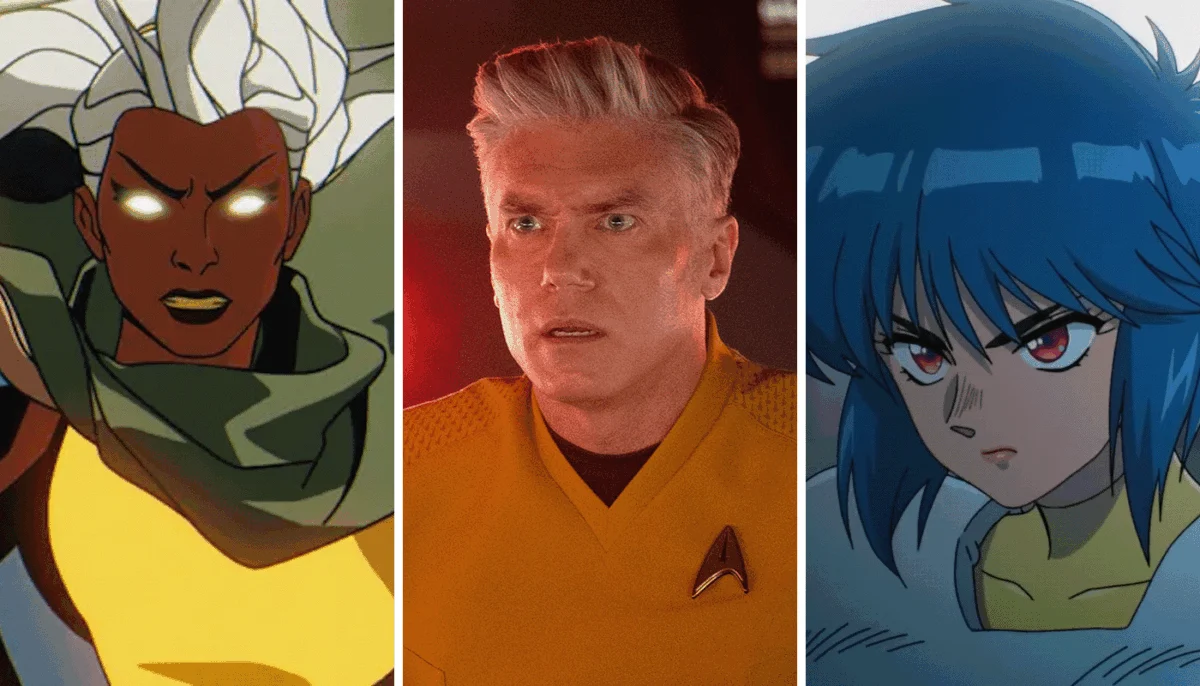
- July 1: X-Men ’97 (Season 2) – Disney+
- July 2: Dara-san of Reiwa, Kaiju Girl Caramelise, The Villager of Level 999, The Exiled Heavy Knight Knows How to Game the System – Crunchyroll
- July 3: Silo (Season 3) – Apple TV+; I Became a Legend after My 10 Year-Long Last Stand – Crunchyroll
- July 4: Black Torch, Skeleton Knight in Another World (Season 2), The Cat and the Dragon, Magical Girl Lyrical Nanoha Exceeds Gun Blaze Vengeance – Crunchyroll; Hell Mode – HIDIVE
- July 5: The Ogre’s Bride, The 100 Girlfriends Who Really, Really, Really, Really, Really Love You (Season 3), Azur Lane: Slow Ahead!, Goodbye, Lara, The World’s Strongest Rearguard, Mushoku Tensei: Jobless Reincarnation (Season 3) – Crunchyroll; Magilumiere Magical Girls Inc. – Prime Video; Sparks of Tomorrow – Netflix
- July 6: The Insipid Prince’s Furtive Grab for The Throne – Crunchyroll; The Forsaken Saintess and Her Foodie Roadtrip in Another World – HIDIVE
- July 7: The Ghost in the Shell – Prime Video; Yoroi-Shinden Samurai Troopers (Part 2), Victoria of Many Faces, I Want to Love You Till Your Dying Day – Crunchyroll
Mid-to-Late July
- July 8: Clevatess II, Tomb Raider King, Trapped in a Dating Sim (Season 2), The Saga of Tanya the Evil (Season 2) – Crunchyroll; From Old Country Bumpkin to Master Swordsman – Prime Video
- July 9: Mebius Dust – Crunchyroll; Thunder 3 – Netflix
- July 12: Hanaori-san Still Wants to Fight in the Next Life, Though I Am an Inept Villainess – Crunchyroll
- July 23: Star Trek: Strange New Worlds (Season 4) – Paramount+; Stuart Fails to Save the Universe – Max
- July 26: The Walking Dead: Dead City (Season 3) – AMC
- July 29: The Ark (Season 3) – Syfy
Supporting Data: Spotlight on Key Series
X-Men ’97 (Disney+)
The revival of the 1990s animated classic has proven that nostalgia, when executed with narrative depth, remains a powerful engine for streaming growth. Season 2 finds the mutant ensemble scattered across the temporal stream, facing an existential threat from Apocalypse. The production retains the vibrant, Saturday-morning aesthetic of the original while grounding the character arcs in mature, serialized storytelling.
Silo (Apple TV+)
Following the revelation of the silo’s mysterious governance and the truth behind its origins, Silo enters its third season as a cornerstone of prestige sci-fi. The series continues to explore the claustrophobia of a subterranean society living under the strict dogma of the "greater good," pushing its protagonist toward a confrontation with the architects of their reality.
Star Trek: Strange New Worlds (Paramount+)
As the 11th installment in the Star Trek franchise, Strange New Worlds has succeeded by returning to the episodic, adventurous roots of the Original Series. By balancing the inclusion of legacy characters with a modern, character-driven approach, the show remains the most consistent entry in the current Trek canon.
Stuart Fails to Save the Universe (Max)
Perhaps the most unconventional release of the month, this Big Bang Theory spinoff leans into the current obsession with the multiverse. By elevating "minor" characters like Stuart, Denise, and Barry Kripke to leading roles, the show offers a comedic deconstruction of sci-fi tropes, featuring cameos from alternate versions of the core cast.
Official Responses and Industry Context
The influx of "isekai" (portal fantasy) titles this season—such as The Villager of Level 999 and The Exiled Heavy Knight Knows How to Game the System—reflects a broader trend in Japanese media. Industry analysts suggest that the rise of game-like narratives is a direct response to a generation of viewers who grew up with MMORPGs as their primary form of social interaction.
"We are seeing a shift in how audiences relate to escapism," says media consultant Elena Vance. "The viewer no longer wants to just watch a hero; they want to see a hero navigate a system that behaves like a video game. It’s about agency, leveling up, and finding value in a world that often feels indifferent."
Furthermore, the commitment to long-running franchises like The Walking Dead: Dead City and Silo highlights a strategic move by major platforms to prioritize "IP-anchored" content. By betting on established fanbases, networks minimize the financial risk associated with launching entirely new, unproven intellectual properties.
Implications for the Future of Genre TV
The current state of genre television suggests a few key takeaways for the industry and the consumer:
- The Death of the "Slow Burn": With so many shows premiering simultaneously, the pressure to hook audiences in the first 15 minutes is immense. This has led to faster pacing, even in high-concept dramas.
- Multiversal Fatigue vs. Fandom: While the multiverse is a popular plot device, shows like Stuart Fails to Save the Universe demonstrate that it can also be used for satire. Audiences are becoming increasingly savvy, and simple "crossover events" are no longer enough to generate excitement without genuine character development.
- The Global Exchange: The massive volume of anime releases on platforms like Crunchyroll and Prime Video illustrates that "niche" genre content has moved firmly into the mainstream. The lines between "Western TV" and "Japanese Anime" are blurring as both industries adopt shared narrative techniques, such as the "reincarnated office worker" trope or "magical girl startups."
Conclusion
July is a month of extremes. Whether you are looking for the gritty, dystopian survival of Silo and The Walking Dead, or the lighthearted, meta-comedic absurdity of The 100 Girlfriends Who Really, Really, Really, Really, Really Love You, the schedule is robust. The challenge for the viewer remains the same: deciding where to allocate their limited time.
As we look toward the fall season, the success of these July premieres will likely dictate which sub-genres remain profitable. For now, the message is clear: whether through a portal to another world or a journey to a distant star, the desire to escape our current reality remains the most consistent trend in global entertainment.