Nana Wu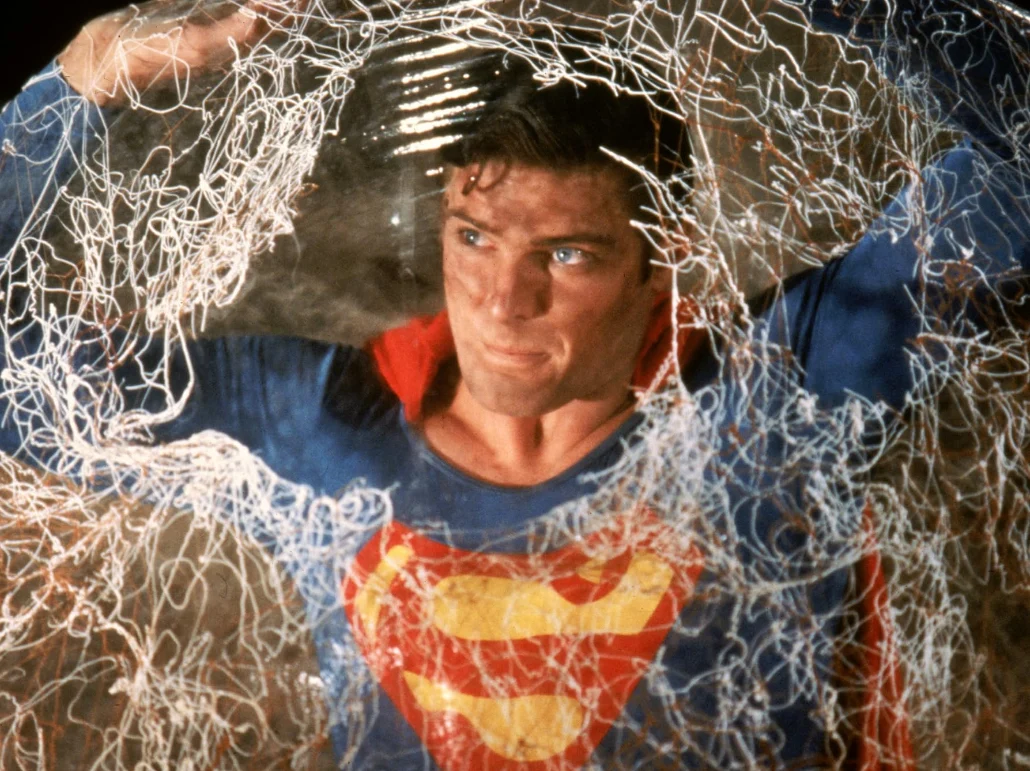
By Alfredo Federico Robelo | July 6, 2026
Horror, as a genre, functions on a contract between the filmmaker and the audience: you pay for the thrills, and in exchange, the production promises to deliver them. We enter a haunted house movie expecting shadows, silence, and sudden jolts. However, the most effective scares are rarely those we anticipate. They are the ones that ambush us in the comfort of a Saturday morning cartoon, a family adventure, or a high-stakes sci-fi epic.
When a non-horror production takes a sudden, sharp detour into nightmare territory, the impact is visceral. Because we have let our guard down, these moments bypass our intellectual defenses and strike directly at our subconscious. Whether through uncanny valley animation, grotesque body horror, or existential dread, these 15 moments have etched themselves into the collective cultural psyche, proving that true terror doesn’t need a “horror” label to leave a lasting scar.
The Psychology of the Unexpected Scare
The phenomenon of the "unexpected scare" in non-horror media is rooted in cognitive dissonance. When a viewer is watching a film classified as a comedy or family adventure, they are operating under a specific set of expectations regarding safety and resolution. When those boundaries are violated, the brain experiences a form of “genre shock.”

Psychologists suggest that these moments are often more traumatizing than traditional jump scares because they occur in spaces where the viewer feels psychologically safe. A sudden shift in tone—the introduction of a grotesque visual or a deeply existential concept—forces the audience to re-evaluate their environment, often leading to a heightened state of anxiety that persists long after the scene has concluded.
A Chronological Descent into Unsettling Cinema
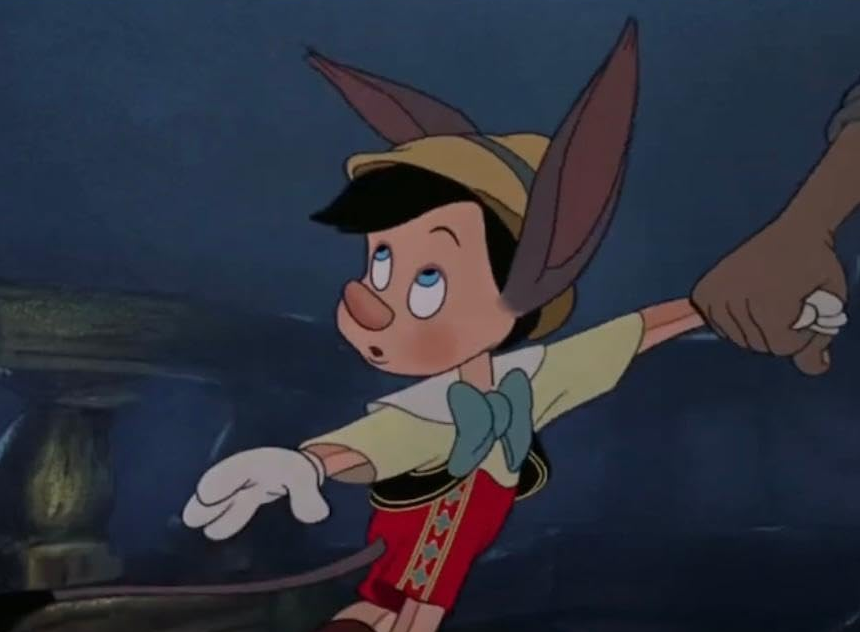
1. Pinocchio (1940): The Pleasure Island Transformation
Disney’s early animation is legendary for its darkness, but the Pleasure Island sequence remains the gold standard for childhood trauma. The sight of boys transforming into donkeys—their screams shifting into braying, their human pleas silenced by animalistic panic—is a masterpiece of body horror. It is a cautionary tale that abandoned subtext in favor of raw, visceral transformation.
2. Willy Wonka & the Chocolate Factory (1971): The Tunnel Ride
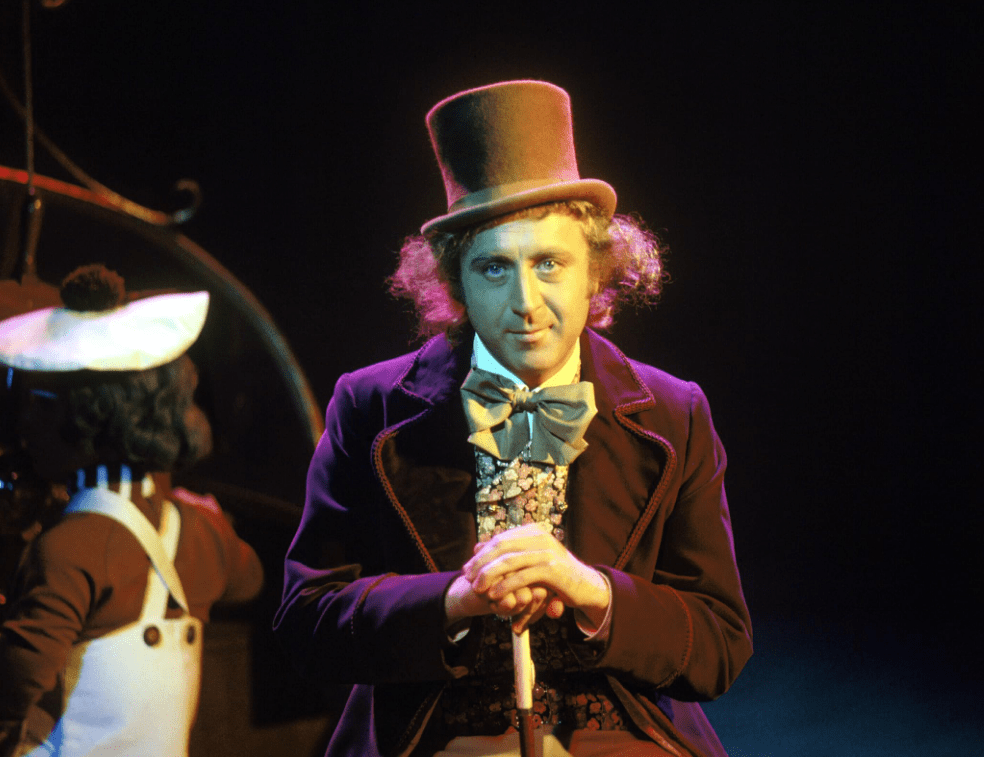
What should have been a whimsical boat ride becomes a psychedelic descent into madness. With erratic editing, flashing lights, and Gene Wilder’s manic recitation of disturbing poetry, the tunnel sequence is a masterclass in psychological discomfort. It remains one of the few instances where a children’s musical briefly morphed into a surrealist nightmare.
3. The Adventures of Mark Twain (1985): The Mysterious Stranger
Often cited as one of the most terrifying pieces of claymation ever produced, this sequence features the “Mysterious Stranger” character. His cold, clinical destruction of living beings, paired with his haunting, philosophical nihilism, creates a tone that is profoundly adult and existential. It is a jarring departure from the whimsical nature of the source material.
4. Pee-wee’s Big Adventure (1985): Large Marge
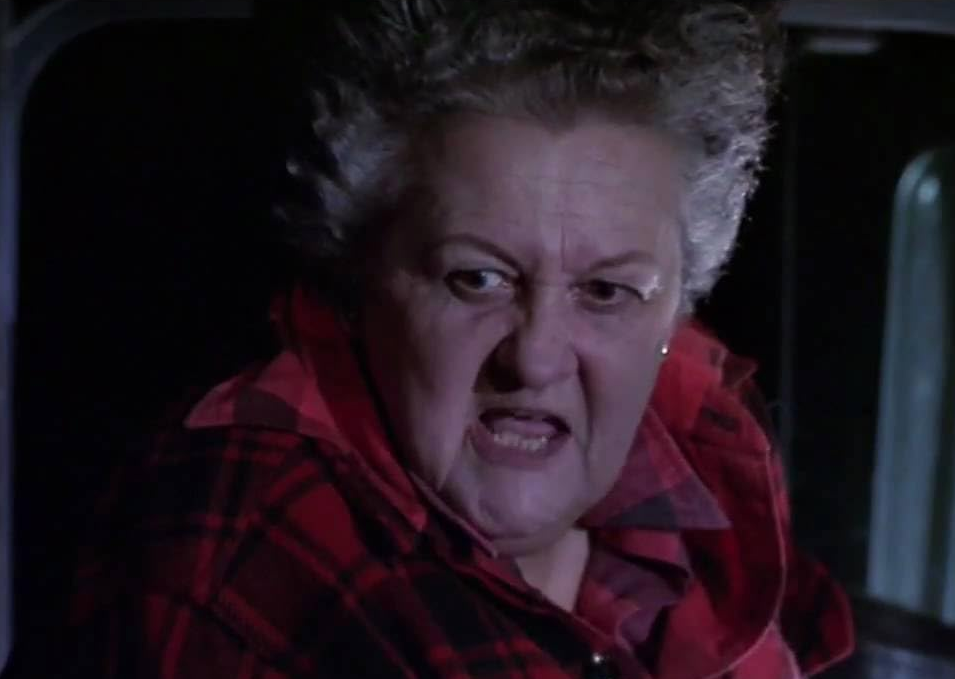
Few cinematic "jump scares" have the pedigree of Large Marge. A lighthearted road-trip comedy suddenly pauses for a ghost story that devolves into grotesque, stop-motion facial distortion. The shift from a campfire anecdote to a horrific visual reveal remains a rite of passage for 80s and 90s children.
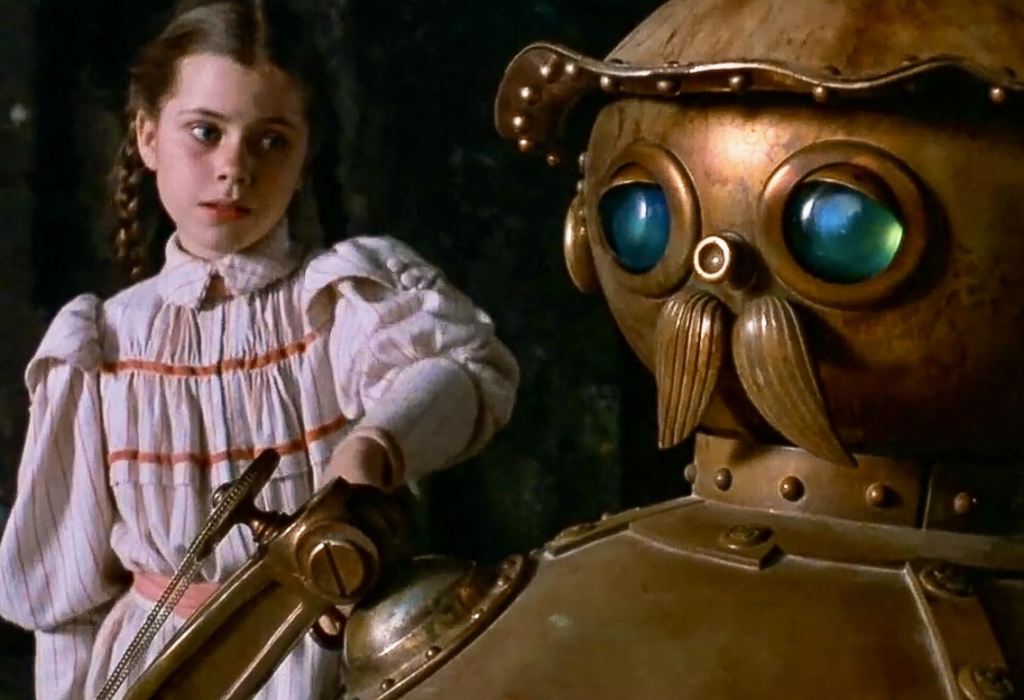
5. The Return to Oz (1985): Princess Mombi’s Gallery
While the original Wizard of Oz had its scary moments, the 1985 sequel leaned into genuine gothic terror. Princess Mombi’s collection of severed, interchangeable heads, kept in a dimly lit hall, brought a level of surrealist body horror to the family fantasy genre that few films have dared to replicate since.
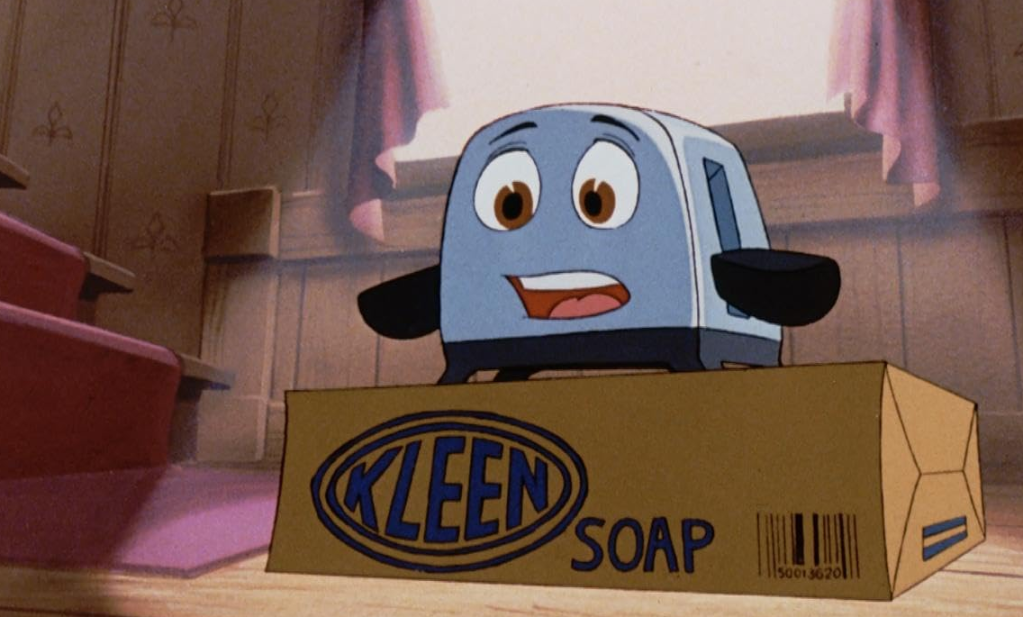
6. The Brave Little Toaster (1987): The Air Conditioner
In a film about sentient household appliances, one would expect a lighthearted romp. Instead, the audience is treated to an unhinged, existential breakdown from an air conditioner. The sequence utilizes distorted animation and raw, guttural screaming to depict a character spiraling into suicide, an incredibly heavy subject for an animated feature.
7. The Land Before Time / The NeverEnding Story (1984): The Nothing
The NeverEnding Story presented audiences with a villain that couldn’t be fought: The Nothing. It wasn’t just a monster; it was the total annihilation of reality. When combined with the tragic, mud-soaked death of Artax the horse in the Swamp of Sadness, the film taught an entire generation about the crushing weight of grief and existential erasure.
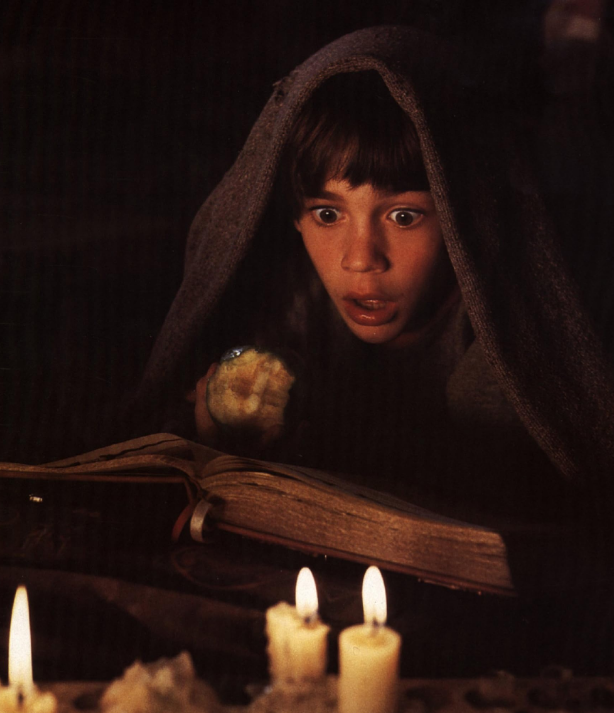
8. The Secret of NIMH (1982): The Great Owl
Don Bluth’s animation style is defined by its grit, but the encounter with the Great Owl is pure gothic atmosphere. The towering size of the owl, the glowing eyes, and the oppressive, cavernous set design create a sense of being trapped in a predator’s lair that feels lifted directly from a Hammer horror film.
9. The Dark Crystal (1982): The Garthim
The Garthim were the nightmare-inducing foot soldiers of the Skeksis. Their crab-like, armored appearance and their mechanical, clicking movements created a sense of unrelenting dread. Whenever they appeared on screen, the tone shifted from fantasy quest to a claustrophobic survival horror.
Sci-Fi and Adventure: When the Stakes Turn Dark
10. Star Trek: The Next Generation (1989): The Borg
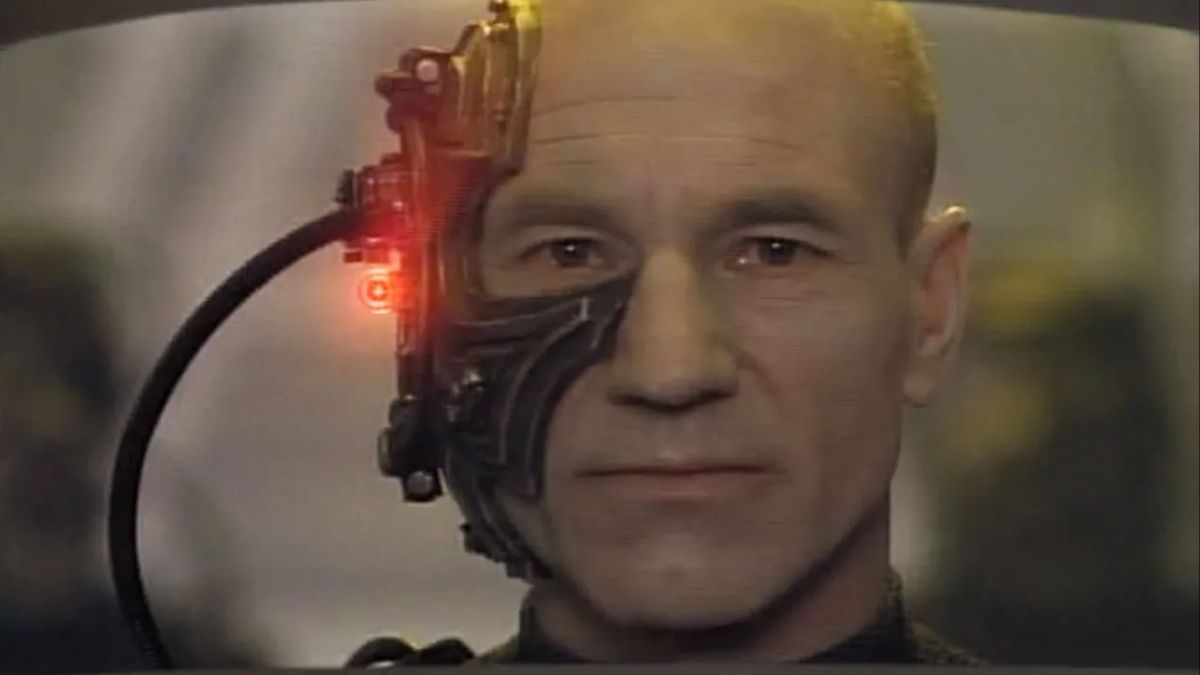
In the episode “Q Who,” Star Trek introduced the Borg, fundamentally altering the show’s DNA. The concept of "assimilation"—stripping individuals of their humanity and turning them into mindless, cybernetic drones—is pure sci-fi body horror. The Borg represented a loss of self that was far more terrifying than any alien blaster fight.
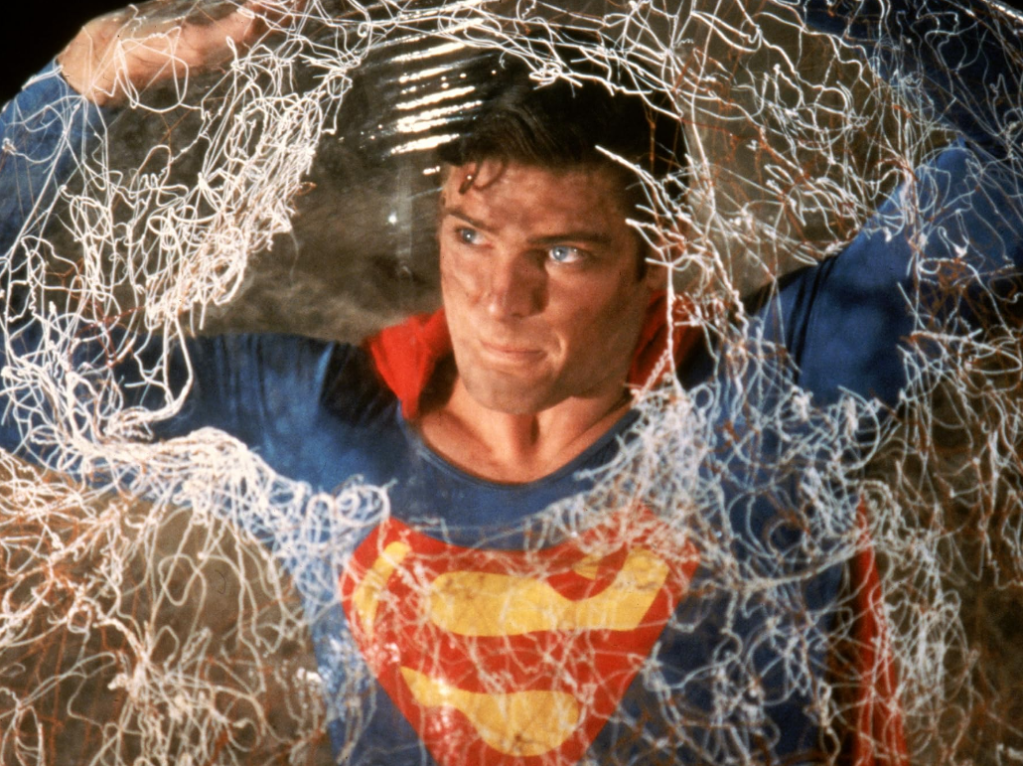
11. Superman III (1983): The Robot Transformation
For a franchise rooted in hope, the transformation of Vera into a cybernetic servant in Superman III was a jarring pivot. The scene is cold, clinical, and genuinely disturbing, stripping away the heroics to focus on the cold, unfeeling nature of a machine consuming a human being.
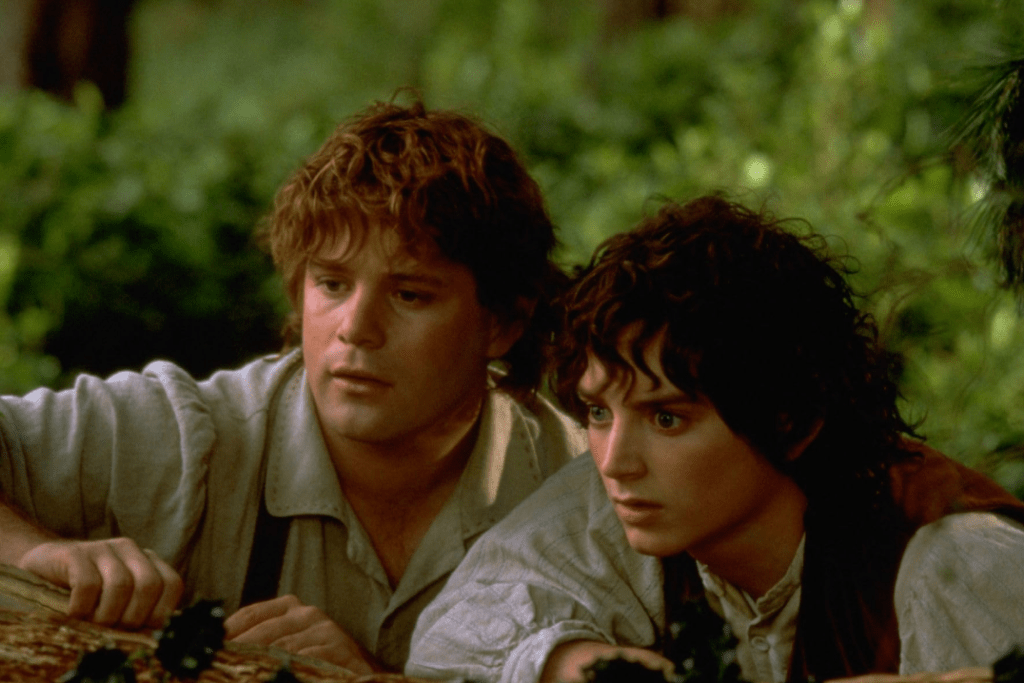
12. Raiders of the Lost Ark (1981): Opening the Ark
The climax of Raiders is a textbook example of a PG-rated film pushing the boundaries of horror. When the spirits are released, the film descends into a supernatural bloodbath. The practical effects of melting faces and exploding heads remain some of the most shocking visuals ever captured in a mainstream blockbuster.
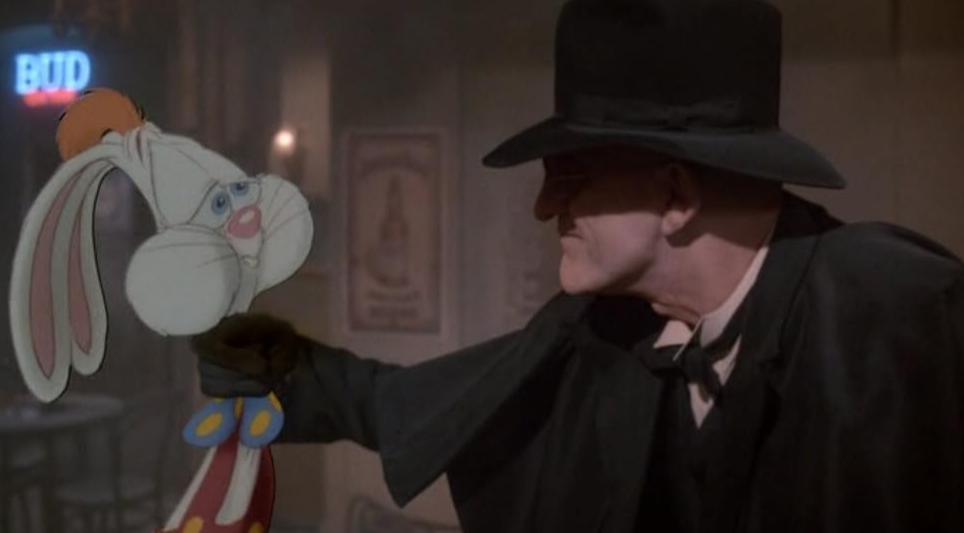
13. Who Framed Roger Rabbit (1988): Judge Doom’s Reveal
Christopher Lloyd’s performance as Judge Doom is menacing, but his reveal as a "Toon"—with shrieking, red eyes and a high-pitched, distorted voice—is the stuff of nightmares. Seeing him flattened by a steamroller and then reconstituting himself remains a seminal moment of "uncanny" horror in family cinema.
14. The Fellowship of the Ring (2001): Bilbo’s Lunge
Peter Jackson’s Lord of the Rings is an epic masterpiece, but it contains one of the most effective jump scares in modern cinema. When Bilbo briefly loses his composure, his face twists into a fleeting, monstrous mask of greed. The speed and intensity of the transformation caught audiences entirely off guard.
15. Harry Potter and the Chamber of Secrets (2002): The Basilisk
While the series grew darker over time, Chamber of Secrets introduced the concept of a creature stalking the halls of a school. The mystery of the petrified students and the unseen predator moving through the pipes turned Hogwarts into a haunted house, setting a precedent for the series’ transition into darker territory.
Implications for Modern Storytelling
These moments demonstrate that audiences are often more receptive to horror elements when they are woven into the fabric of other genres. By disrupting the viewer’s expectations, creators can deliver a stronger emotional punch.
However, there is a delicate balance to strike. As seen with the resurgence of "elevated" horror and dark fantasy, modern audiences have become increasingly sophisticated. The success of these 15 examples proves that "scary" isn’t a genre—it’s a technique. Whether it is through the tragic loss of a character in an animated film or the existential threat of a cybernetic hive mind in sci-fi, these moments remind us that the most effective stories are those that dare to show us our own fears when we are least prepared to see them.
As we look toward the future of media, we can expect creators to continue utilizing these "horror pivots." In an age of constant content, the ability to subvert genre expectations is one of the most valuable tools in a storyteller’s kit, ensuring that even in our favorite comedies and adventures, the shadows remain long and the surprises remain truly chilling.


 Evan Lee Salim