Asro
Asro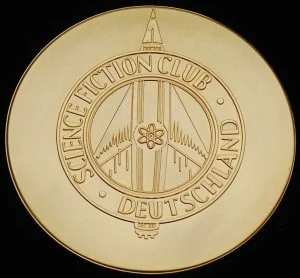
By Science Fiction Correspondent
The landscape of German-language speculative fiction reached a significant milestone this week as the Science Fiction Club Deutschland (SFCD) unveiled the highly anticipated shortlist for the 2026 Deutscher Science Fiction Preis (DSFP). Announced on July 4, the nominations serve as a definitive barometer for the state of the genre, highlighting the most inventive and thought-provoking narratives published in the German language throughout the previous calendar year.
In a move that signals both the growing cultural significance of the genre and the robust financial health of the award, the committee has introduced a structural change to the prize money, broadening the scope of recognition for finalists.
The Core Facts: Celebrating Excellence in Speculative Fiction
The Deutscher Science Fiction Preis stands as the most prestigious juried award in the German-speaking literary world. Unlike popular-vote awards, the DSFP is meticulously curated by a panel of experts appointed by the SFCD, Germany’s largest and oldest science-fiction organization. The mandate of the jury is to identify works that push the boundaries of imagination, literary craftsmanship, and thematic depth.
The 2026 nominations cover two primary categories: Beste deutschsprachige Kurzgeschichte (Best German Language Short Story) and Bester deutschsprachiger Roman (Best German Language Novel). The selection process is rigorous, involving a year-long assessment of hundreds of submissions, ranging from independent small-press releases to major commercial publications.
The shortlist represents a diverse array of sub-genres, from hard science fiction grounded in astrophysical theory to speculative social commentary that reflects the anxieties and technological shifts of the modern era. By spotlighting these authors, the DSFP continues its mission of elevating science fiction from a niche interest to a central pillar of contemporary German literature.
Chronology of the 2026 Award Cycle
The path to the 2026 awards has been marked by a transparent and methodical selection process. The timeline is designed to ensure that every work published within the eligibility window receives equitable consideration.
- January 2025 – December 2025: The eligibility period. All works published in the German language during this timeframe were eligible for consideration by the jury.
- January 2026 – June 2026: The intensive reading and deliberation phase. The jury conducted multiple rounds of review, narrowing the extensive field of submissions down to the final shortlist.
- July 4, 2026: The official announcement of the nominees. This date marks the beginning of the public campaign, during which readers, critics, and literary scholars analyze the shortlisted works.
- September 2026: The announcement of the winners. The jury will reconvene to select the final recipients based on the shortlist.
- September 18–20, 2026: The grand finale. The awards ceremony will take place at Elstercon 18, one of Germany’s most storied science fiction conventions. The event serves as a focal point for the community, drawing authors, publishers, and fans from across Europe to witness the culmination of the year’s literary efforts.
Supporting Data: An Investment in the Future
The most transformative news accompanying this year’s announcement is the significant increase in the award’s financial commitment. Historically, the DSFP provided a prize of €1,000 for the winners of each category. Starting with the 2026 cycle, the committee has opted to extend financial recognition to the second and third-place finalists.
This shift is not merely cosmetic; it represents a strategic investment in the health of the German science fiction ecosystem. By providing monetary incentives to more authors, the SFCD aims to lower the barrier to entry for writers who balance creative output with professional careers, allowing them to dedicate more time and resources to their craft.
The committee’s official statement regarding this change is telling: "In light of the large number of excellent texts and with a desire to further promote science fiction, the committee will also award prize money to second and third place winners starting with the 2026 German Science Fiction Prize."
This expansion reflects a broader trend in literary awards, where recognition is increasingly being used as a tool for career development rather than simply a trophy for the winner. For a genre that is often undervalued by mainstream literary institutions, this commitment from the SFCD is a powerful statement of self-worth and institutional stability.
Official Responses and Industry Sentiment
The announcement has been met with widespread enthusiasm within the German speculative fiction community. Writers and editors alike have praised the SFCD for its foresight in expanding the prize pool.
"The expansion of the award structure is a recognition of the sheer depth of talent currently operating in the German language," said a prominent literary critic specializing in speculative fiction. "The ‘shortlist’ has always been a curated reading list for the discerning reader, but by attaching monetary value to the runner-up positions, the DSFP is effectively saying that excellence is a spectrum, not a single point."
Furthermore, the choice of Elstercon 18 as the venue for the awards ceremony highlights the symbiotic relationship between the DSFP and the convention scene. Elstercon, known for its intellectual rigor and its focus on fostering dialogue between authors and readers, provides the ideal environment for the announcement. It ensures that the winners are honored in front of an audience that deeply understands the technical and philosophical nuances of their work.
Implications: The State of the Genre
The 2026 nominations offer a compelling snapshot of the themes dominating the current German-language discourse. Based on the breadth of the nominations, several trends emerge:
1. The Intersection of Technology and Ethics
Many of the shortlisted novels deal with the ethical implications of artificial intelligence and biotechnology. These are not merely cautionary tales of "mad science," but nuanced explorations of how technology alters the human experience. The jurors appear to be favoring works that interrogate the "how" and "why" of technological adoption rather than relying on standard tropes.
2. Environmental Speculation
Reflecting the global climate crisis, a significant portion of the nominated short stories focuses on post-catastrophic environments. The authors are moving away from traditional apocalyptic narratives, opting instead for "solarpunk" or "climate-fiction" (cli-fi) approaches that emphasize adaptation, resilience, and the possibility of a sustainable future.
3. Linguistic Innovation
The DSFP has consistently prioritized the quality of prose. The 2026 shortlist highlights a generation of writers who are experimenting with form—using non-linear narratives, epistolary styles, and experimental voice to challenge the conventions of the genre. This suggests that German science fiction is currently undergoing a "literary turn," where stylistic sophistication is just as important as high-concept world-building.
Looking Ahead: The Road to Elstercon 18
As the community looks forward to the September ceremony, the focus now shifts to the final deliberation of the jury. The nominees are currently undergoing a "second life" of scrutiny, with readers and critics engaging with the works in preparation for the announcement.
For those interested in the future of the genre, the DSFP is more than just a list of books; it is a roadmap. It identifies the voices that will likely dominate the conversation in the coming decade. Whether a reader is looking for the next great space opera or a deeply philosophical meditation on the nature of reality, the 2026 shortlist serves as the definitive starting point.
The increase in prize money, the focus on diverse storytelling, and the partnership with major conventions like Elstercon ensure that the Deutscher Science Fiction Preis remains the gold standard for German-language speculative literature. As the industry evolves, the SFCD’s commitment to rewarding excellence—not just at the top, but across the board—guarantees that German science fiction will remain a vibrant, essential, and intellectually daring corner of the literary world.
For further updates on the winners and the upcoming festivities at Elstercon 18, enthusiasts are encouraged to follow the official announcements from the SFCD and continue monitoring the literary journals that provide in-depth critiques of the nominated works. The journey to September is just beginning, and for these nominees, the recognition of their hard work is only the first step in a long and celebrated career.


 Laily UPN
 Lina Irawan