Dwi Wanna
In a high-stakes legal confrontation that has ignited a firestorm of debate across the global creative community, French luxury powerhouse Louis Vuitton has secured a decisive legal victory against the Chinese bubble tea chain, Molly Tea. A court in China’s eastern Jiangsu province has ordered the beverage retailer to pay 10.3 million yuan—approximately US$1.5 million—in damages for trademark infringement.
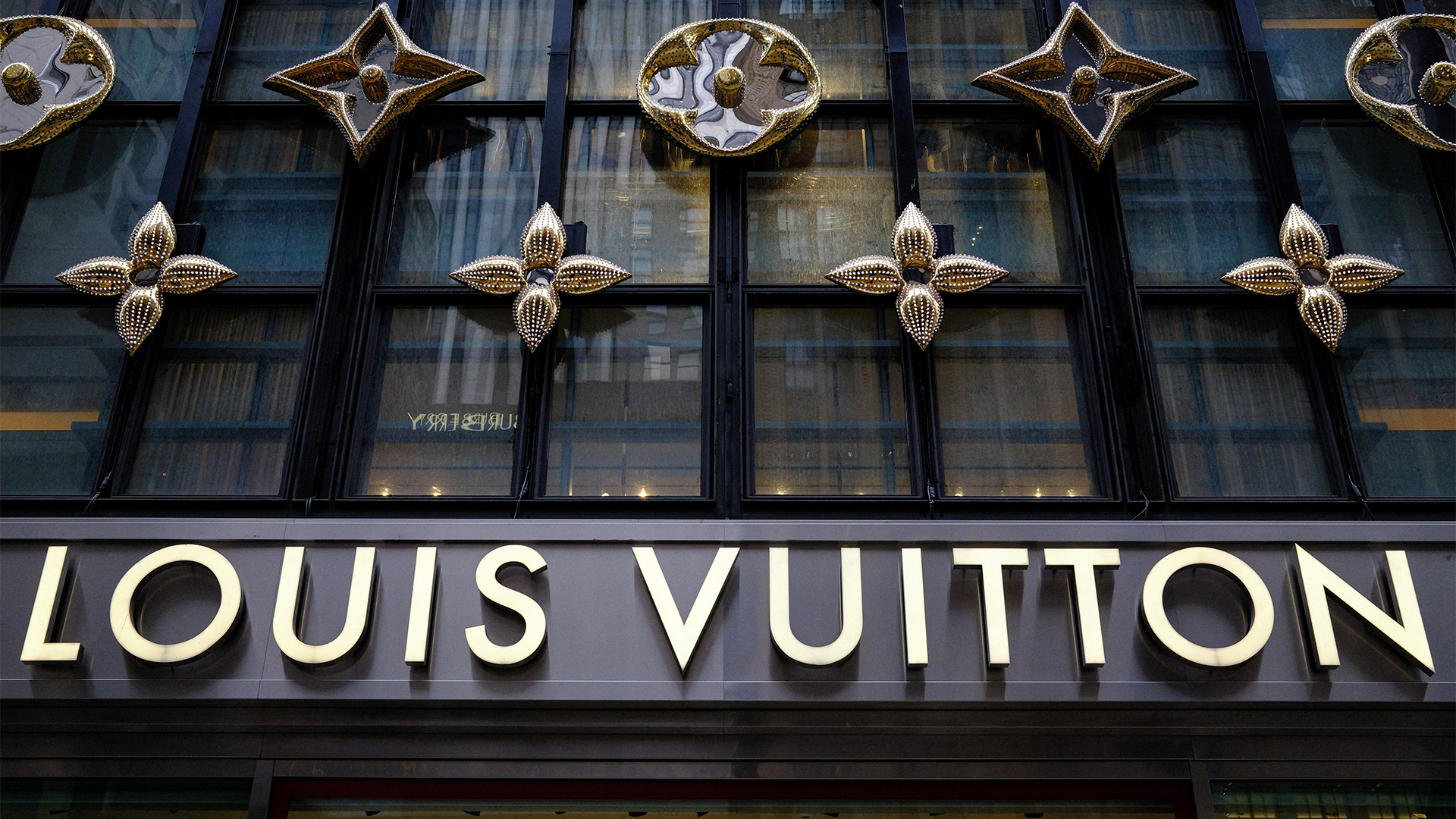
The ruling centers on allegations that Molly Tea’s visual branding misappropriated the iconic four-petal monogram that has served as the bedrock of Louis Vuitton’s identity since the late 19th century. While the luxury fashion house views the decision as a necessary defense of its intellectual property, the court of public opinion has been significantly less forgiving. The verdict has sparked a wave of criticism from social media users, who argue that the fashion brand is weaponizing its legal resources to claim ownership over geometric patterns that have historical and cultural roots far deeper than the house of Vuitton itself.
The Core Facts: A Clash of Icons
The dispute, which reached its culmination in a Jiangsu courtroom, highlights the friction between aggressive corporate intellectual property protection and the broader evolution of design. Louis Vuitton, a brand synonymous with status and heritage, alleged that Molly Tea’s logo and decorative motifs were too closely aligned with its protected four-petal floral monogram.
The legal reality for Molly Tea was stark: while the company had attempted to register various trademarks for its branding, the Chinese authorities rejected almost every application, with the sole exception being the specific Chinese characters for the brand’s name. Without formal trademark protection for its visual identity, the tea chain was left vulnerable when the fashion giant initiated legal proceedings, claiming the unauthorized use of seven distinct registered trademarks.
Beyond the hefty $1.5 million financial penalty, the court has mandated that Molly Tea issue a formal corrective statement across its social media channels. This move is designed to publicly acknowledge the infringement and mitigate the potential for consumer confusion between the luxury fashion house and the beverage retailer.
Chronology: From Tea Leaves to the Courtroom
The timeline of this dispute underscores the growing scrutiny luxury brands are placing on smaller businesses, particularly in the rapidly expanding Chinese retail market.
- Initial Expansion: As Molly Tea expanded its footprint across China, its branding—characterized by a minimalist, floral-inspired aesthetic—began to gain significant traction among urban consumers.
- The Trademark Standoff: During the expansion phase, Molly Tea sought to secure legal protection for its visual brand assets. These applications were met with systemic rejection by Chinese trademark regulators, who cited similarities to existing global marks, including those held by Louis Vuitton.
- Legal Escalation: Louis Vuitton, which maintains a robust global legal team tasked with aggressively protecting its monogram, formally filed suit in the Jiangsu province. The fashion house argued that the beverage brand’s use of a four-petal motif infringed upon its long-standing intellectual property rights.
- The Verdict: The Jiangsu court ruled in favor of the plaintiff, citing the violation of seven registered trademarks. The court determined that the visual similarities were sufficient to constitute infringement, leading to the 10.3 million yuan penalty.
- The Aftermath: Following the ruling, the case moved from the courtroom to the internet, where a heated debate regarding the nature of "originality" and "cultural appropriation" began to unfold.
Supporting Data: The Value of a Monogram
To understand the severity of this ruling, one must appreciate the financial and symbolic weight of the Louis Vuitton monogram. First created in 1896 by Georges Vuitton to honor his father, Louis, the pattern of interlocking LVs, stars, and four-petal flowers was originally designed as a security measure to prevent the rampant counterfeiting of the company’s luxury trunks.
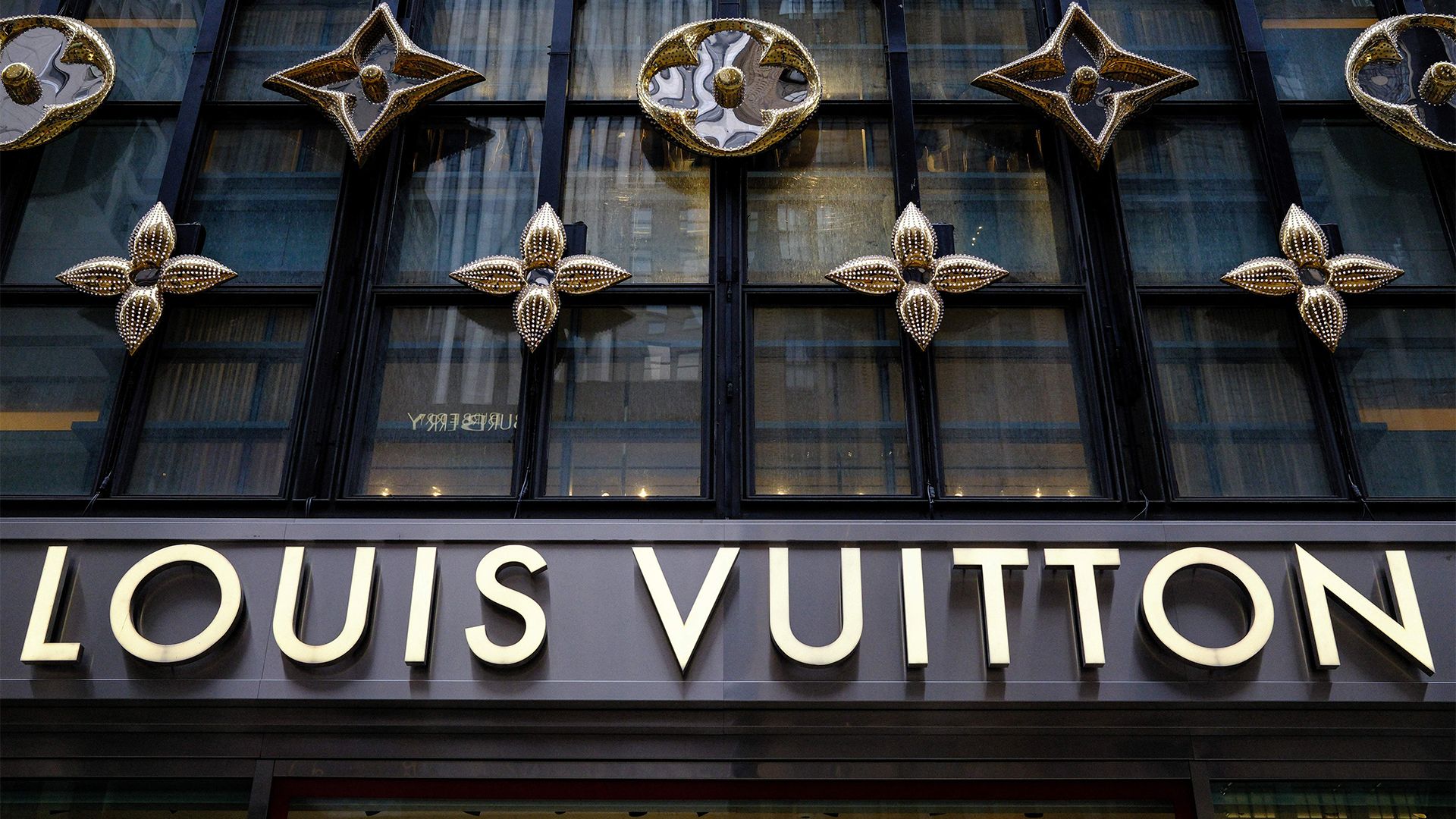
Over the past 128 years, this motif has transformed from an anti-counterfeiting tool into one of the most recognizable graphic identities in history. According to recent industry reports, Louis Vuitton remains one of the most valuable luxury brands in the world, with its logo acting as a primary driver of its multi-billion dollar valuation. By consistently litigating against entities that mirror its designs, the brand aims to maintain the "exclusivity" and "uniqueness" of its aesthetic, preventing the dilution of the brand’s equity.
However, the opposition points to the historical reality of these designs. Critics have noted that the four-petal floral shape is a ubiquitous geometric form found in traditional architecture, textiles, and art throughout the Tang Dynasty and beyond. The argument presented by the public is not necessarily that Molly Tea did not copy a commercial design, but that the design itself should not be subject to exclusive ownership in perpetuity.
Official Responses and Public Sentiment
The reaction to the court’s decision has been deeply polarized. Louis Vuitton, adhering to its standard corporate policy regarding intellectual property, has maintained that its actions are essential to protecting the brand’s identity and the investments made by its shareholders. For the luxury sector, the loss of control over a primary design element represents an existential threat to the brand’s ability to demand premium pricing.
Conversely, the internet has become a theater for a scathing critique of the fashion house. On platforms like X (formerly Twitter) and various Chinese social media forums, users have accused Louis Vuitton of "cultural hegemony."
"LV greed knows no bounds," noted one commentator, echoing the sentiment of thousands. The most compelling arguments are those that highlight the disconnect between luxury copyright and history. When one user pointed out that the floral pattern appears on textiles dating back over a thousand years, it reframed the narrative: is the fashion house protecting a creative invention, or is it merely squatting on a piece of human heritage?
Another user argued, "China’s ancient traditional patterns are stolen, registered as trademarks after being turned into luxury goods, and then used to file lawsuits in return." This specific critique suggests a growing fatigue with Western luxury brands utilizing their legal weight to stifle local, independent businesses in Asia.
Implications: A Shifting Legal Landscape
The ruling against Molly Tea is not an isolated event; it is part of a broader trend of luxury brands policing their visual borders with increasing intensity. Just recently, Louis Vuitton took a casino to court in a similar "high-stakes" logo dispute, further cementing its reputation as one of the most litigious entities in the fashion world.
1. The Burden on Small Businesses
For small and medium-sized enterprises (SMEs), this outcome serves as a cautionary tale. The cost of legal defense in trademark disputes can be as damaging as the settlement itself. Companies operating in the creative space must now conduct exhaustive "freedom-to-operate" searches that extend far beyond their direct competitors and into the vast, protective portfolios of global luxury giants.
2. The Question of "Generic" Design
This case reignites the debate regarding whether common geometric shapes—circles, squares, and simple floral motifs—should ever be eligible for exclusive trademark protection. As more brands attempt to claim ownership of minimalist shapes, the pool of "available" design elements for new companies shrinks, potentially stifling creative innovation.
3. Cultural Backlash and Brand Perception
While the court has provided a legal win for Louis Vuitton, the public relations fallout is more ambiguous. By alienating a large segment of the digital-native demographic in China, the brand risks damaging its reputation among younger consumers who value cultural authenticity and fairness. In the era of social media, legal victories do not always equate to moral or brand-equity victories.
4. Future Precedents
Legal experts will likely watch how this ruling influences future litigation in the region. If the Chinese courts continue to uphold the exclusivity of these classic luxury motifs, it may force a massive pivot in the design strategies of domestic Chinese brands, driving them toward more abstract or complex graphic identities to avoid the "monogram trap."
Conclusion: The Cost of Luxury
The $1.5 million penalty imposed on Molly Tea is a significant sum, but the true cost of this dispute may be measured in the shifting relationship between global luxury conglomerates and the global public. As Louis Vuitton continues its crusade to protect its legacy, it must navigate the thin line between safeguarding its intellectual property and appearing as an entity that seeks to privatize cultural history.
As the industry moves forward, designers and business owners alike will be forced to look closely at their own portfolios. The "Monogram Wars" are far from over, and as the lines between historical inspiration and protected trademark continue to blur, the global creative community will be forced to ask: at what point does the protection of a brand become the stifling of creativity? For now, the lesson is clear—in the eyes of the law, the monogram is king, regardless of its origins in the distant past.


 Neng Nana
 Asro
Asro