In a landmark moment for the Chicago contemporary art scene, Joy Machine and Vertical Gallery have joined forces to present Wanderland, the highly anticipated sixth solo exhibition by the Dutch artist Collin van der Sluijs. Spanning over a decade of creative partnership with Vertical Gallery and marking a prestigious debut at Joy Machine, the exhibition serves as a profound meditation on the resilience of the human spirit. Wanderland is not merely an aesthetic display; it is a two-year odyssey of personal loss, physical struggle, and the transcendent power of nature as a mechanism for healing.
The Core of the Exhibition: Fact Sheet and Scope
The exhibition, which opens on July 10 and runs through August 22, 2026, features a diverse range of mediums that define van der Sluijs’s multidisciplinary approach. The collection includes:
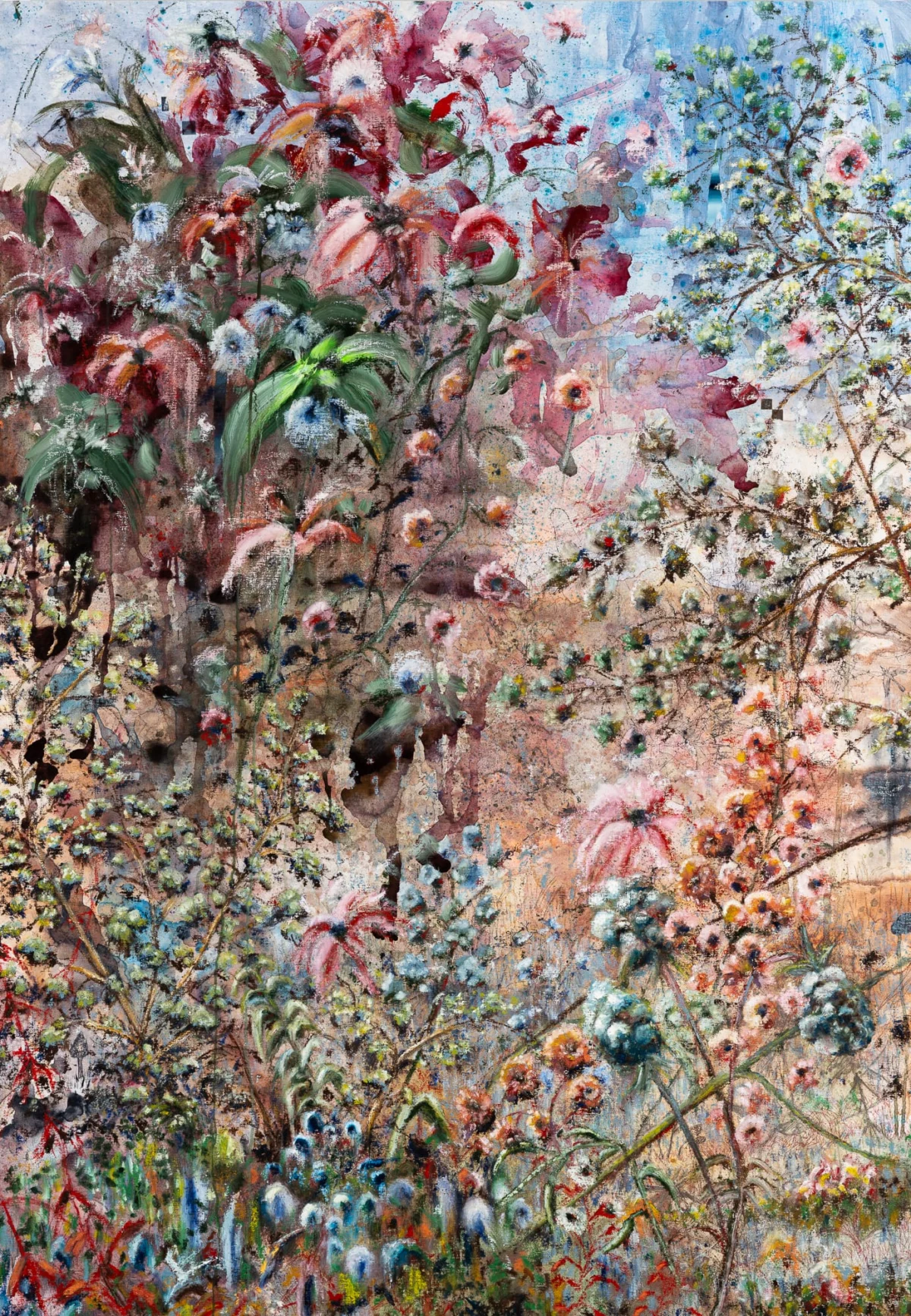
- Large-scale mixed-media paintings: Expansive canvases that utilize oil, acrylic, watercolor, and ink.
- Intimate drawings: Delicate, highly detailed works that capture the artist’s fascination with organic forms.
- Sculptural elements: Custom skate decks featuring the artist’s iconic avian motifs.
- The Commemorative Archive: The publication of Wanderland: 1991-2026, a career-spanning book that bridges the gap between the artist’s professional achievements and his private life.
The title itself, a portmanteau of "wander" and "wonderland," encapsulates the artist’s desire to invite the viewer into an immersive, dreamlike ecosystem. By blending the structured elegance of classical Dutch still-life traditions with the gritty, spontaneous energy of street art, van der Sluijs has created a visual language that feels both timeless and urgently contemporary.

A Chronology of Creation: From Pandemic Shadows to New Light
To understand Wanderland, one must view it as the latest chapter in a long-standing "world-building" exercise. Van der Sluijs has spent the last ten years refining an intuitive process that prioritizes emotional honesty over rigid technique.
The Early Pandemic Years (2020–2022)
Following the onset of the global pandemic, the artist’s output was characterized by a darker, more introspective tone. His work during this period reflected the collective anxiety and isolation that permeated the global consciousness. These pieces were essential precursors to the current show, establishing a foundation of vulnerability that allows the current works to achieve their sense of "levity and hope."
The Period of Physical Limitation (2024–2025)
The production of Wanderland was marked by a sudden, life-altering event: the artist suffered a broken ankle. This injury forced a complete recalibration of his artistic process. For a creator accustomed to moving rhythmically in front of large, wall-mounted canvases, the inability to stand necessitated a shift in perspective. By sitting, he was forced to stretch across horizontal surfaces, engaging with the canvas from a new physical vantage point. This limitation—often a source of frustration—ultimately yielded a "novel, challenging mode of making" that brought an unexpected texture to his work.

The Present Era: Healing and Synthesis (2026)
As the artist navigated the grief associated with the loss of a close friend, his creative focus shifted toward the outdoors. Spending time in nature became a restorative practice. The small works on paper created during this time serve as the heartbeat of Wanderland, documenting the transition from deep mourning to a fragile, hard-won optimism.
Supporting Data: The Anatomy of a Masterpiece
The technical execution of the works in Wanderland relies on a "trial and error" methodology that is as exhausting as it is rewarding. Van der Sluijs is known for keeping pieces in his studio for years, frequently turning them to face the wall to gain the necessary distance for objective assessment.
"I really need to make big mistakes and fight my way out of it," the artist notes. This statement provides critical insight into the layered, chaotic, yet harmonious aesthetic of his paintings. His use of materials is deliberately eclectic—oil sticks meet watercolor, and pencil markings pierce through acrylic washes. This technical hybridity serves as a metaphor for the human condition: a mix of the refined and the raw, the planned and the accidental.

Perspectives from the Gallery: An Official Appraisal
The collaboration between Vertical Gallery and Joy Machine is viewed by curators as a milestone in the Chicago art landscape. Patrick Hull, owner and curator of Vertical Gallery, highlights the unique appeal of the artist’s stylistic synthesis.
"Collin works in such a wide range of styles—like a modern twist on classical painting, with graffiti and illustration mixed in," Hull remarks. This cross-pollination of genres has allowed van der Sluijs to build a cult following that spans from high-art collectors to street art enthusiasts.
The publication of Wanderland: 1991-2026 further cements this partnership. By contextualizing his roles as a husband, father, son, and friend alongside his public work as a muralist and painter, the gallery provides a holistic look at the man behind the canvas. This transparency is intended to humanize the artist, stripping away the pretension often associated with contemporary gallery presentations.

Implications for Contemporary Art
The emergence of Wanderland signals a broader shift in contemporary art toward "vulnerable storytelling." In an age dominated by digital imagery and rapid-fire content, van der Sluijs’s work demands a slower, more deliberate engagement. The implications of his process—particularly his emphasis on the "therapeutic power of nature"—resonate with a post-pandemic audience seeking solace and meaning.
The Role of the "Visual World"
Van der Sluijs describes the exhibition as "a walk to the visual world that you create around yourself." By creating these ecosystems, he provides a space for the audience to "dive into the unknown." This concept of the artist as an architect of emotional landscapes suggests that art serves a vital function in helping society process collective and personal trauma.
The Intersection of Heritage and Modernity
Furthermore, his work challenges the boundaries of traditional Dutch art. By injecting the hazy, melancholic beauty of his homeland’s history with the chaotic, vibrant marks of graffiti, he creates a dialogue between the past and the present. His birds—a signature motif—serve as constant, recurring observers in this chaos, representing the fleeting nature of life and the endurance of memory.

Concluding Thoughts
As Wanderland opens to the public, it offers more than just a series of portraits and still lifes; it offers a roadmap for resilience. Whether it is through the meticulous detail of a sphinx moth drawing or the sprawling, drip-heavy intensity of a large oil painting, the exhibition encourages us to embrace the "big mistakes" of our own lives.
The opening reception, held on July 10 from 6 to 8 p.m., provides an opportunity for the public to engage directly with the artist and experience the weight and warmth of these works in person. For those who have followed Collin van der Sluijs’s decade-long evolution, this exhibition is a testament to the fact that while the act of wandering may lead us into the unknown, it is precisely in that space that we find the most profound truths.
Wanderland stands as a reminder that even when we are grounded by injury or weighed down by grief, the act of creation remains a primary vehicle for reclaiming one’s sense of wonder. In the quiet, intentional corners of Joy Machine, the artist has built a world where loss is not the end, but rather the raw material for something new.