Suro Senen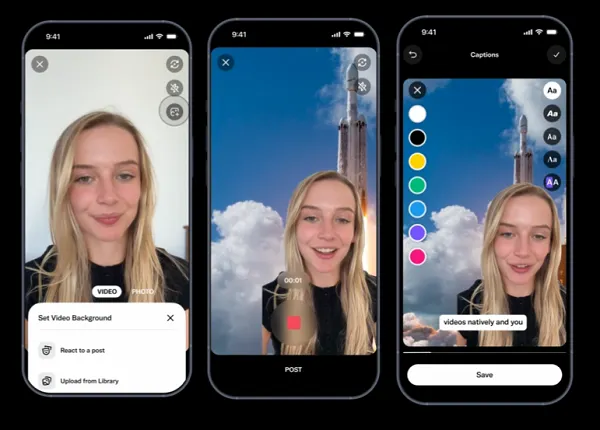
In a move aimed at bolstering its standing as a "video-first" platform, X (formerly Twitter) has officially rolled out a significant update to its video recording and editing interface for iOS users. This latest iteration introduces a suite of advanced features, including multi-language captioning and green screen recording, designed to lower the barrier to entry for content creators. As the platform struggles to compete with established video titans like TikTok, Instagram, and YouTube, these functional enhancements represent a tactical shift from mere aspiration to practical product development.
The Core Update: A New Toolkit for Creators
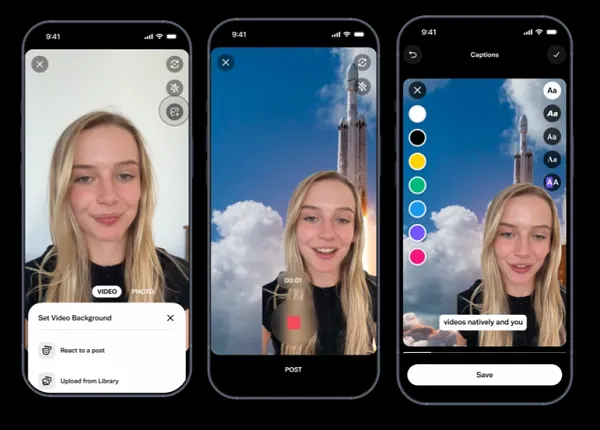
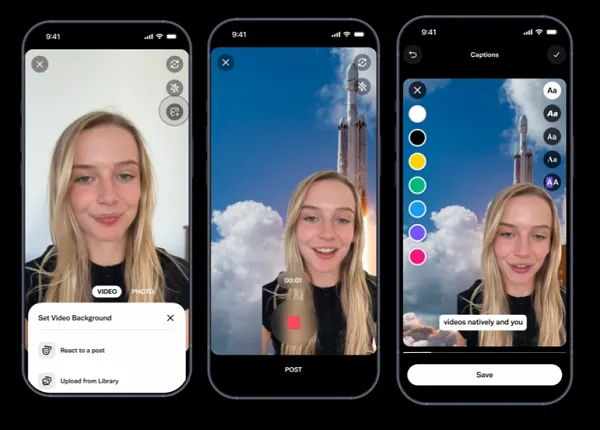
The recent update, showcased by X’s Head of Product, Nikita Bier, fundamentally revamps how users interact with the app’s camera interface. The new UI is designed with an intuitive, overlay-based workflow that prioritizes ease of use without sacrificing professional utility.
Key Functional Additions:
- Multi-Language Captioning: By integrating automated, multi-language support, X is positioning itself to help creators reach global audiences. This feature is a direct response to the demand for accessibility and inclusivity in short-form and long-form social video.
- Green Screen Recording: A staple feature on TikTok and Instagram Reels, the inclusion of green screen technology allows creators to layer their video feed over background images or clips. This is a critical addition for creators who utilize reaction videos, news commentary, or educational content.
- Streamlined Editing Suite: Beyond the headline features, the UI update focuses on a more robust, faster, and cleaner editing flow, ensuring that the process from "record" to "post" is as frictionless as possible.
These tools are not merely aesthetic; they are designed to keep users within the X ecosystem. By providing native tools, the platform aims to discourage creators from recording in third-party apps—where they might be tempted to post their content elsewhere first—and instead utilize X as their primary production hub.
A Chronology of the "Video-First" Strategy
To understand the current update, one must look at the timeline of X’s turbulent transition under Elon Musk’s ownership.
Late 2022 – Early 2023: The Visionary Pivot
Following the acquisition, Musk and the leadership team began signaling a desire to move beyond the text-based microblogging roots of Twitter. The goal was clearly stated: to challenge YouTube and TikTok for the world’s attention.
2023: Testing the Waters
The platform began experimenting with a dedicated video tab in the lower navigation bar, aiming to mimic the "For You" feeds that have made TikTok and Instagram Reels so addictive. Simultaneously, X began courting high-profile creators with "X Originals," offering financial incentives to bring exclusive video content to the platform.
2024: The Yaccarino Declaration
Early in 2024, CEO Linda Yaccarino boldly declared that X had officially become a "video-first platform." During this period, the company reported significant increases in video views, using these metrics to pitch the platform to advertisers as a high-engagement environment.
Late 2024 – 2025: Operational Realization
The rollout of the new video editor marks the end of the "rhetoric phase" and the beginning of the "utility phase." The company appears to have recognized that simply declaring a status—or paying for exclusive content—is insufficient if the underlying infrastructure is clunky or lacks modern creative tools.
Supporting Data and Market Realities
Despite the optimism emanating from X headquarters, the data paints a complex picture. While video consumption on the app has undoubtedly grown, the platform remains a distant contender in the broader creator economy.
The Competitive Gap
- TikTok: Remains the undisputed leader in short-form video engagement, with an algorithm that facilitates rapid content discovery that X has yet to replicate.
- Instagram (Reels): Successfully leveraged its existing user base to transition from a photo-sharing app to a video-centric powerhouse, maintaining high retention rates.
- YouTube: Continues to dominate long-form video while aggressively expanding its "Shorts" feature. YouTube’s monetization model for creators remains the gold standard, a hurdle X is currently trying to clear through its ad-revenue sharing programs.
X’s primary challenge is not just the lack of features, but the existing user behavior. Historically, X has been the "town square"—a place for news, debate, and text-based updates. Converting this space into an entertainment-first video hub requires a fundamental change in how users perceive the app. The "video-first" label was premature; true transition requires a sustained period of feature parity with competitors.

Official Responses and Strategic Intent
Nikita Bier’s commentary on the update highlights a shift in focus toward the creator experience. "One of our biggest priorities is to give creators the tools to create original content & reward those creators," Bier stated. "We have plenty more updates coming to the video editor in the coming weeks."
This statement serves as a dual-pronged promise:
- Product Utility: The promise of continuous updates suggests that the current video editor is a "Version 1.0" and that a more robust suite is in the pipeline.
- Monetization Commitment: By linking tools to "rewarding creators," Bier is reinforcing the platform’s ad-revenue share model, which aims to keep talent on the platform through direct financial compensation.
The strategic intent is clear: X wants to move away from being a platform where video is an afterthought (or a link to another site) to being the primary home for creator-led media.
The Implications: Can X Truly Compete?
The rollout of the new editor is a necessary step, but it raises significant questions regarding the platform’s future.
The "Build vs. Buy" Dilemma
By building these features natively, X is betting that a better user experience will drive organic adoption. However, if the platform does not simultaneously improve its discovery algorithm—the "secret sauce" that makes TikTok’s video feed so engaging—then even the most advanced video editor will struggle to find an audience. A user may record a video, but if that video is not served to an interested audience, the effort will yield little ROI for the creator.
The Cultural Shift
There is a distinct "vibe" to X that is fundamentally different from the polished, aesthetic-driven content of Instagram or the chaotic, fast-paced nature of TikTok. For X to succeed, it must carve out a unique niche for video. Perhaps this lies in "real-time" video—leveraging the platform’s strength as the home of live news and public conversation—rather than attempting to mimic the pre-produced content of its rivals.
The Role of Advertisers
For advertisers, video is the most lucrative format. If X can successfully capture more video time-spent, it will inherently increase the value of its ad inventory. This is the ultimate goal of the "video-first" strategy: creating a sustainable, high-revenue ad business that can operate independently of the volatility often associated with Musk-led platform changes.
Conclusion: A Long Road Ahead
X’s latest update is a step in the right direction, acknowledging that to compete in the creator economy, a platform must provide the tools that allow for high-quality, efficient production. However, these features arrive in a crowded market where competitors have spent years refining their own suites.
While the new green screen and captioning tools will undoubtedly be welcomed by X’s existing power users, the platform’s success as a video giant will depend on whether it can attract a new generation of creators who prioritize X over other social apps. The company has moved beyond the empty marketing slogans of 2024 and is now engaged in the hard, unglamorous work of product engineering. Whether this is enough to bridge the gap remains to be seen, but for the first time in years, the focus is squarely on providing value to the people who matter most: those who create the content.

 Asro
Asro
 Nila Kartika Wati