

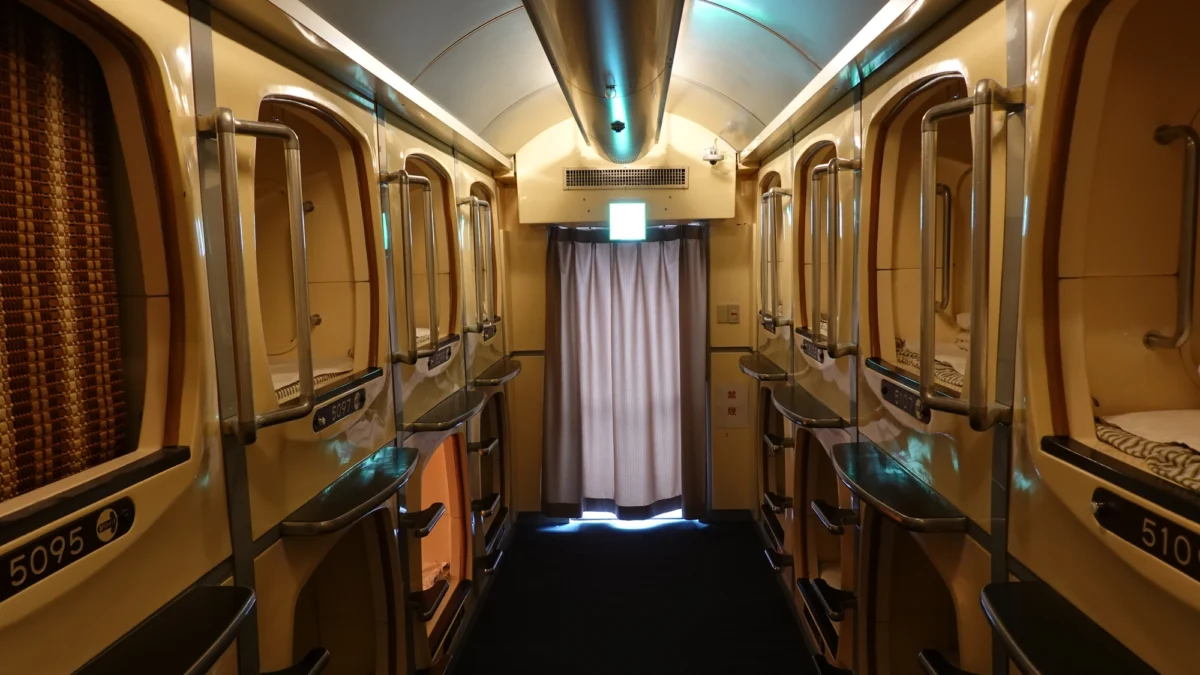
For decades, the concept of the capsule hotel has occupied a specific, somewhat grim corner of the Japanese travel consciousness. To the uninitiated, these "hotels" conjure images of futuristic morgue drawers—cramped, fiber-reinforced plastic (FRP) tubes where salarymen, having missed the last train home, collapse in a state of exhaustion. For many, the capsule hotel is a relic of one’s early twenties, a budget-tier necessity chosen only when a massive bowl of ramen is considered a luxury meal.
However, the reality of Japan’s evolving hospitality sector is far more nuanced. While the traditional "stack-em-high" pod hotels persist, a new generation of "cabin-style" accommodations is challenging the stigma associated with ultra-budget travel. A recent stay at a First Cabin location in Kyoto revealed that while these facilities still operate within the constraints of Japanese lodging laws, they are successfully rebranding the capsule experience as a viable, design-forward, and surprisingly comfortable alternative for the modern traveler.
The Origins: A Response to Urban Crisis
The capsule hotel is not merely a gimmick; it is a direct product of Japan’s rapid economic expansion and urban density during the post-war era. The concept was pioneered by the visionary architect Kurokawa Kishō, who introduced the idea of "capsule housing" at the 1970 Osaka Expo. Kurokawa’s vision was based on "metabolism"—the idea that buildings should be organic, replaceable, and modular.
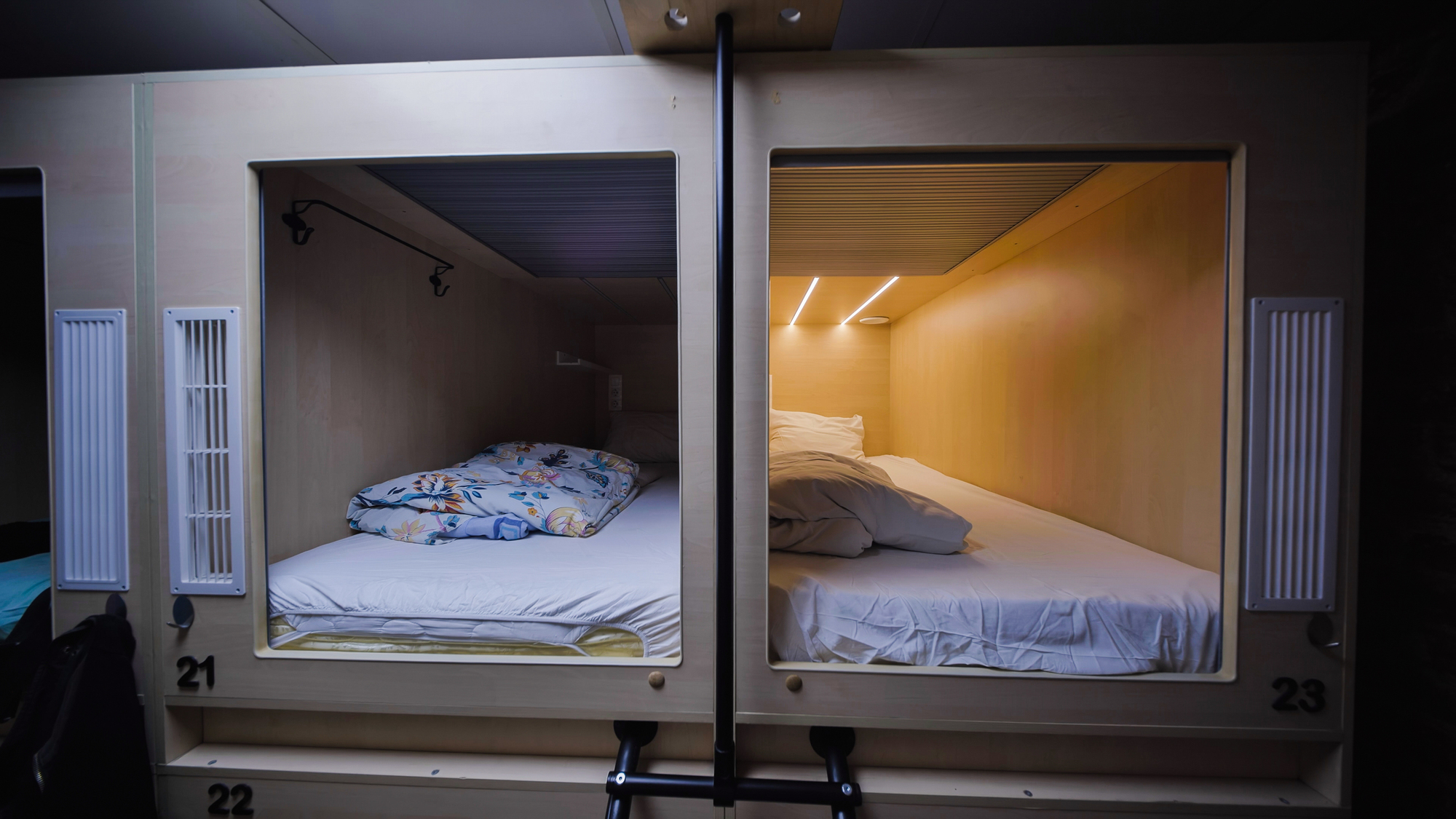
The practical application of this philosophy fell to operator Nakano Yukio, who opened the Capsule Inn Osaka on February 1, 1979. Originally intended to provide an affordable crash pad for patrons of his existing sauna and cabaret business, the model found an immediate and unexpected secondary market. The 1979 transit crisis, which left thousands of commuters stranded after the final trains stopped running, cemented the capsule hotel as a staple of Japanese urban life. These units—typically one by two meters—became the sanctuary of the overworked, providing just enough space for a nap, a small television, and a moment of solitude.
Chronology of Evolution: From Men-Only to Modern Comfort
For the first thirty years of their existence, capsule hotels were overwhelmingly gender-segregated and focused almost exclusively on a male clientele. It was not until the early 2010s that the industry began to pivot, recognizing the growing market of female solo travelers and tourists looking for cost-effective, safe accommodations.
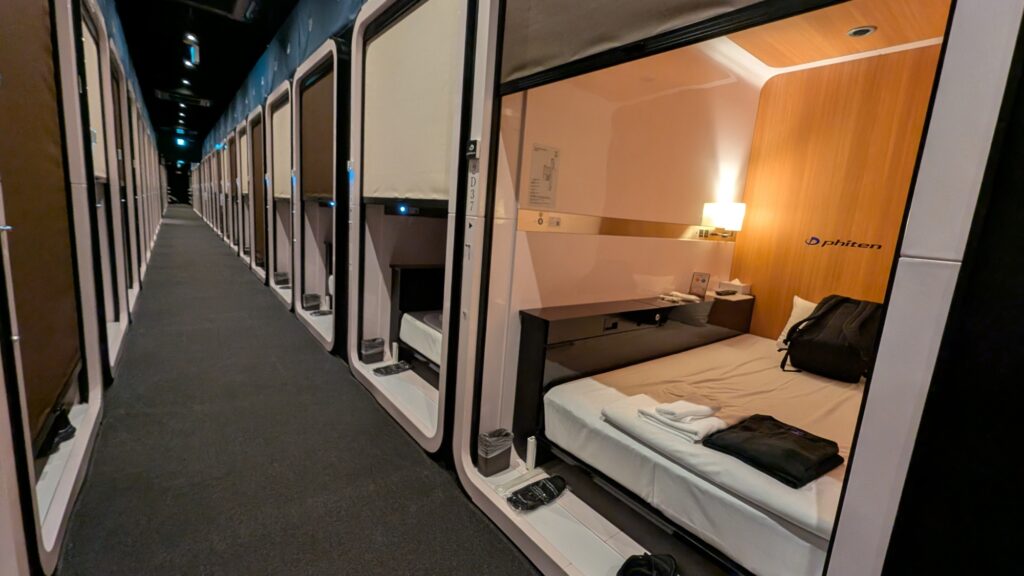
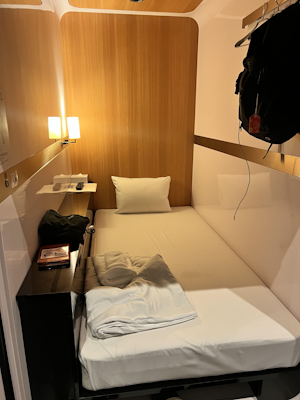
The modern "cabin" format represents the most significant shift in this timeline. Unlike the classic, two-tiered pods that require a ladder to reach, cabin-style hotels like First Cabin offer floor-to-ceiling partitions. This design shift moves away from the "coffin-like" aesthetic and toward a "mini-room" experience. By categorizing their units into "Business Class," "First Class," and "Premium" tiers, these chains have successfully introduced a tiered pricing model that mirrors the airline industry, allowing travelers to pay for the specific amount of vertical space and amenity access they require.
Supporting Data: The Logistics of the "Cabin" Experience
My recent experience at the First Cabin Kyoto Nijōjō highlights the tangible differences between these tiers. Booking a "Business Class" cabin at roughly $24.70 (4,000 yen) a night, I found a room measuring 1.2m x 2.1m x 2.1m. While it offered more vertical space than a traditional capsule, the footprint remained restrictive. Every action—from retrieving a toiletry bag to changing clothes—required a level of choreography that could eventually lead to "cabin fever."
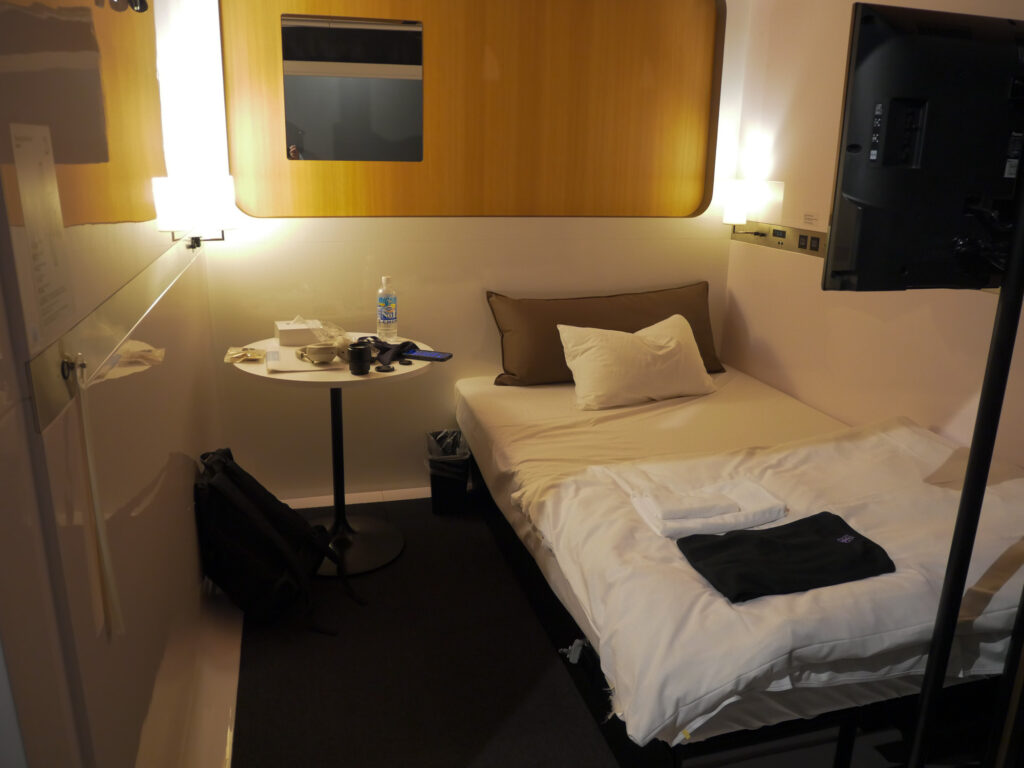
However, for a mere 1,000 yen ($6) upgrade, the "First Class" cabin provided a 2.1m x 2.1m space. This additional meter proved to be the difference between a cramped storage unit and a functional, albeit small, bedroom. With space for a dedicated side table, a laptop setup, and room to move freely, the perceived value skyrocketed. When paired with high-end communal amenities—such as an artificial onsen (hot spring) bath and free lounge access—the $31-per-night price point presents a compelling case for the budget-conscious professional.
Official Regulations and the "Simple Lodging" Barrier
Despite the sleek marketing and improved aesthetics, it is crucial to understand why these facilities still feel like hostels rather than hotels. Under Japan’s Hotel Business Act (Ryokan Gyōhō), capsule hotels are classified as "simple lodging" (kan-i shukusho).
This legal distinction carries significant weight. To meet stringent fire-safety codes, these facilities are prohibited from using solid, locking doors for individual sleeping units. Consequently, the "door" to your cabin is typically a screen or a sliding partition. This structural limitation is the primary cause of the lack of soundproofing.
Official operators are transparent about this; they provide earplugs at the reception and mandate strict "no talking" policies in the sleeping quarters. However, the architecture is inherently permeable. A heavy-footed neighbor or a loud conversation in the hallway will inevitably penetrate the walls. For the light sleeper, this is a non-negotiable drawback that no amount of modern interior design can fully rectify.
Implications for the Future of Hospitality
The rise of the cabin-style hotel has broader implications for the Japanese travel landscape. As standard hotel prices in major hubs like Tokyo, Kyoto, and Osaka continue to skyrocket—with business hotels often exceeding 10,000 yen ($61) per night—the market is shifting toward alternative lodging.
1. The Rise of the Net Cafe
Internet cafes, such as the ubiquitous Kaikatsu Club, have stepped into the void left by rising hotel costs. These facilities, which offer private, lockable booths, have become a lifeline for a segment of society often referred to as "net cafe refugees." With prices between $19 and $24, they offer a level of privacy that even some high-end capsule hotels cannot match, though they lack the communal facilities of dedicated hotels.
2. The Decline of Traditional Business Hotels
The traditional "business hotel" is becoming an endangered species. As developers renovate aging properties into luxury boutiques to cater to the post-pandemic tourism boom, the supply of truly "cheap" rooms is vanishing. This leaves the capsule/cabin model as the only remaining bastion of genuinely affordable, safe accommodation in Japan’s city centers.
3. The Shift in Traveler Expectations
The success of the "First Cabin" model suggests that travelers are willing to sacrifice traditional privacy in exchange for location, cleanliness, and value. The "communal vibe" of these hotels—where guests share bathing facilities, lounges, and common workspaces—is increasingly being viewed not as a deficiency, but as a feature. For the digital nomad or the solo traveler, these spaces offer a sense of community that a standard, isolated hotel room cannot.
Conclusion: A Viable Experiment
Is the cabin hotel for everyone? Absolutely not. If you are a light sleeper, a stickler for privacy, or someone who requires a secure, lockable room to feel at ease, the experience will likely prove frustrating. The inability to fully escape the ambient noise of a dormitory-style environment remains the Achilles’ heel of the entire capsule industry.
However, for the traveler looking to optimize their budget without resorting to the squalor of the lowest-tier hostels, the modern cabin hotel is a triumph of Japanese efficiency. By reinterpreting the 1970s capsule concept through the lens of modern design, operators have successfully moved these facilities from the category of "emergency shelter" to "intentional budget choice."
As I left Kyoto, my impression was not of having stayed in a cramped tube, but of having engaged in a fascinating, cost-effective experiment. In an era where the cost of travel is rising, the ability to pack a full hotel experience into a few square meters is not just clever architecture—it is a necessity for the survival of accessible travel in Japan. Whether it becomes a permanent fixture of your travel habits or remains a one-time experiment, the capsule hotel is no longer just a place to sleep; it is a testament to how Japan continues to solve the problem of space in an increasingly crowded world.











