Ammar Sabilarrohman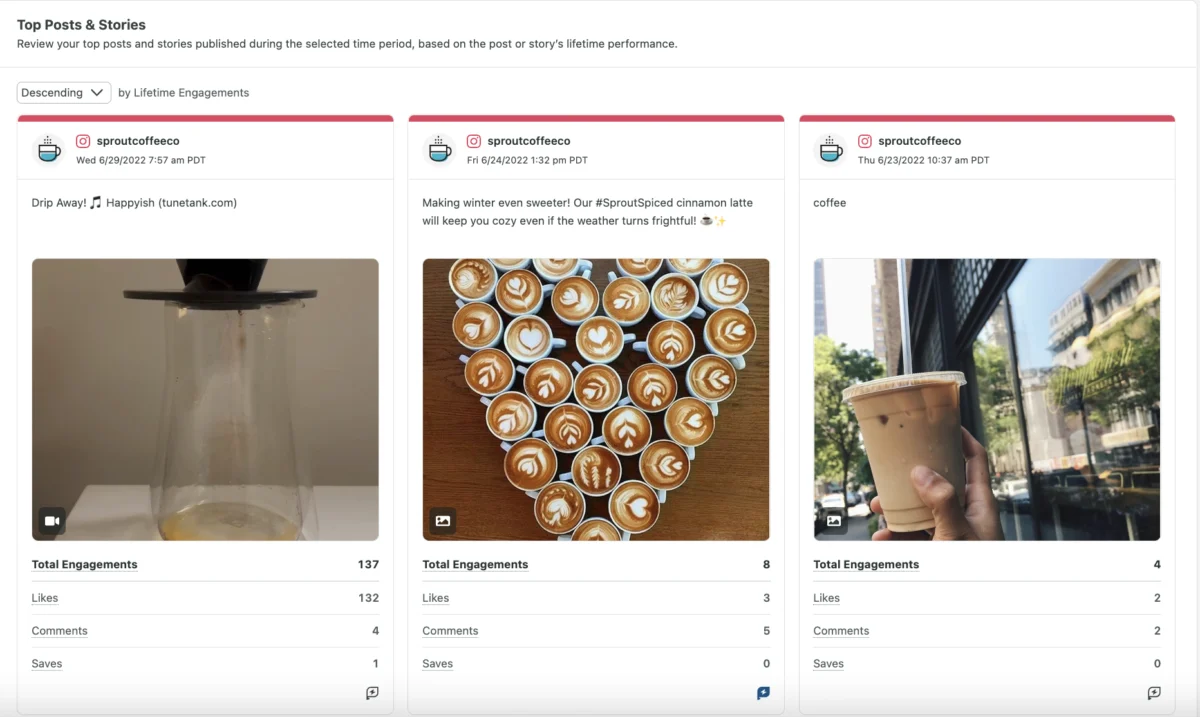
For many small and medium-sized businesses (SMBs), Instagram has evolved from a simple photo-sharing app into a critical revenue driver. Yet, a persistent disconnect remains: while business owners are obsessed with "vanity metrics"—like follower counts and double-taps—these figures rarely correlate with a healthy bottom line.
In an era where lean teams must do more with less, chasing the wrong numbers is more than just a distraction; it is a drain on limited resources. To truly thrive, small businesses must pivot from passive observation to active, data-driven strategy. By leveraging the right metrics and moving beyond native dashboard limitations, SMBs can turn their Instagram presence into a predictable engine for growth.
The Reality of Instagram Analytics for Small Teams
For a global conglomerate, a failed social media campaign is a rounding error. For a local boutique or a neighborhood cafe, every post represents an investment of time, creativity, and budget. When a post fails to convert, it isn’t just a "bad reach day"—it is a missed opportunity for a sale, a booking, or a customer visit.
Instagram analytics provide the roadmap to avoid these pitfalls. They reveal exactly what users are watching, saving, and engaging with, effectively removing the guesswork from your marketing strategy. By making data-backed decisions, SMBs can ensure their limited resources are funneled into formats that demonstrably improve their bottom line.

Linking Social Interactions to Real Revenue
The most common mistake small businesses make is treating social media as a silo. Engagement is only valuable if it leads to a tangible business outcome. To bridge this gap, businesses must track the journey from a post to a purchase.
The most effective method involves utilizing trackable URLs. By adding UTM (Urchin Tracking Module) parameters to every link shared in Instagram Stories, DMs, or the bio, businesses can trace the exact origin of their website traffic. For instance, a beauty salon might post a Story featuring a limited-time facial treatment. By using a unique UTM tag, they can observe that 38 users clicked the link and nine ultimately booked an appointment. This turns a "social media effort" into a clear, measurable ROI.
Strategic Growth: Finding Patterns in Historical Data
Strategic growth is not about viral hits; it is about consistency. The best place for any SMB to start is by auditing their historical performance over the last 30, 60, or 90 days.
By analyzing which content formats drive specific outcomes, teams can build a content calendar that serves the business rather than just filling a feed. For example, a local coffee shop might discover that "Latte Art" Reels drive the highest reach and new follower acquisition, while "Seasonal Menu" carousels drive the highest number of website clicks and saves. Armed with this knowledge, the shop can use Reels to build top-of-funnel awareness and carousels to drive bottom-of-funnel conversions. This is the definition of strategic marketing: using data to decide what to repeat, what to improve, and what to abandon entirely.
Key Metrics: What Actually Matters?
While Instagram provides a deluge of data, not all metrics are created equal. SMBs must prioritize "high-intent" metrics that indicate a deeper level of audience commitment.
1. Engagement: The Quality of Interaction
Likes are largely passive; they require a split-second of effort and often signify nothing more than a fleeting acknowledgment. In contrast, comments, saves, and shares represent a deeper level of engagement. When a user saves a post, they are signaling that the content provides value they wish to return to. When they share it, they are acting as an advocate for your brand. These metrics do more than just make the business owner feel good—they tell the Instagram algorithm that your content is valuable, which in turn increases the likelihood of your content being distributed to a wider audience.
2. Audience Growth and Quality
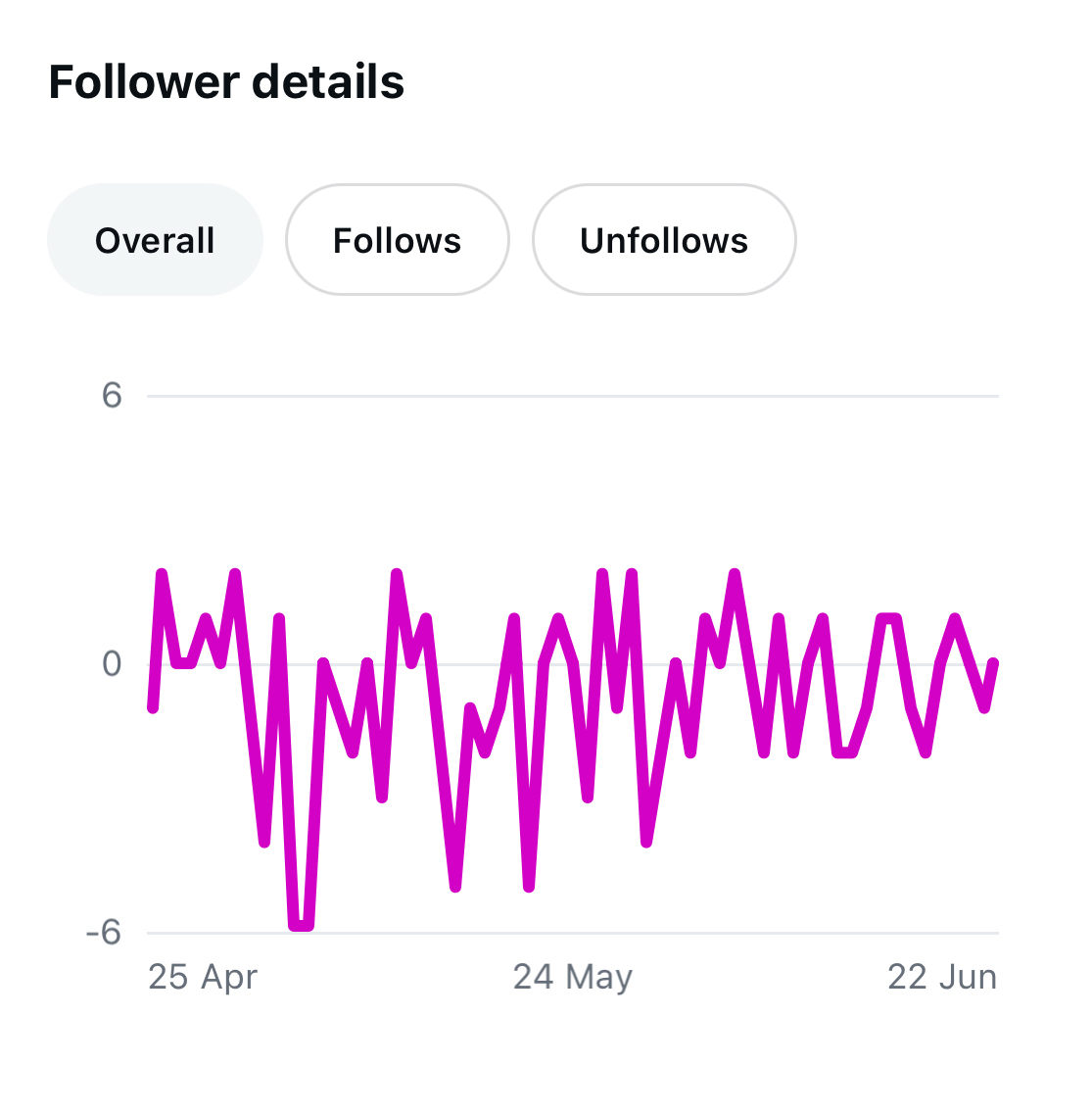
A common trap is the pursuit of raw follower counts. For a local service provider, 500 followers who live in the area and actively engage with content are infinitely more valuable than 5,000 "drive-by" followers from across the globe who will never purchase a product.
To assess follower quality, businesses should monitor:
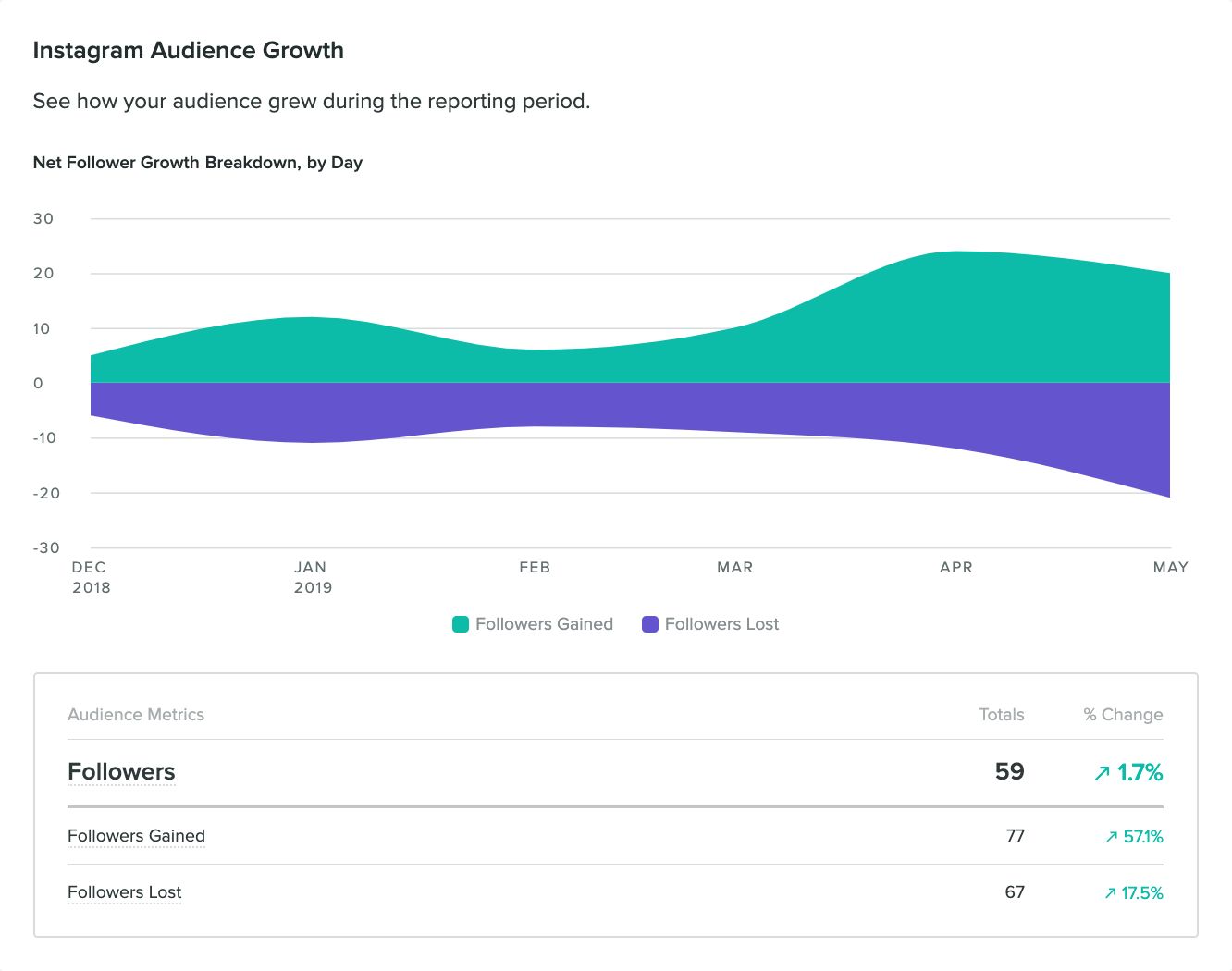
- Follower-to-Engagement Ratio: Are your followers actually interacting with your content?
- Source of Growth: Which specific posts are driving new followers?
- Demographic Alignment: Does your current audience match your target customer profile?
The "Hidden Tax" of Native Analytics
While Instagram’s native insights are free, they are not "cost-free." They come with what experts call a "hidden tax"—the cost of the time spent on manual administration.
When relying solely on native mobile dashboards, small teams often find themselves trapped in a cycle of fragmentation. Comparing month-over-month engagement often requires screenshots, manual calculations, and disparate spreadsheets. Because Instagram’s native historical window is limited, older data frequently vanishes, making it impossible to perform long-term trend analysis.
Furthermore, because Instagram is only one piece of the digital puzzle, teams often have to log into multiple platforms to reconcile their performance across different channels. This is an inefficient use of a small team’s most valuable resource: time.
When to Graduate to Third-Party Tools
At what point should an SMB move beyond native tools? The answer is simple: when the time spent "managing the data" begins to impede the time spent "managing the business."
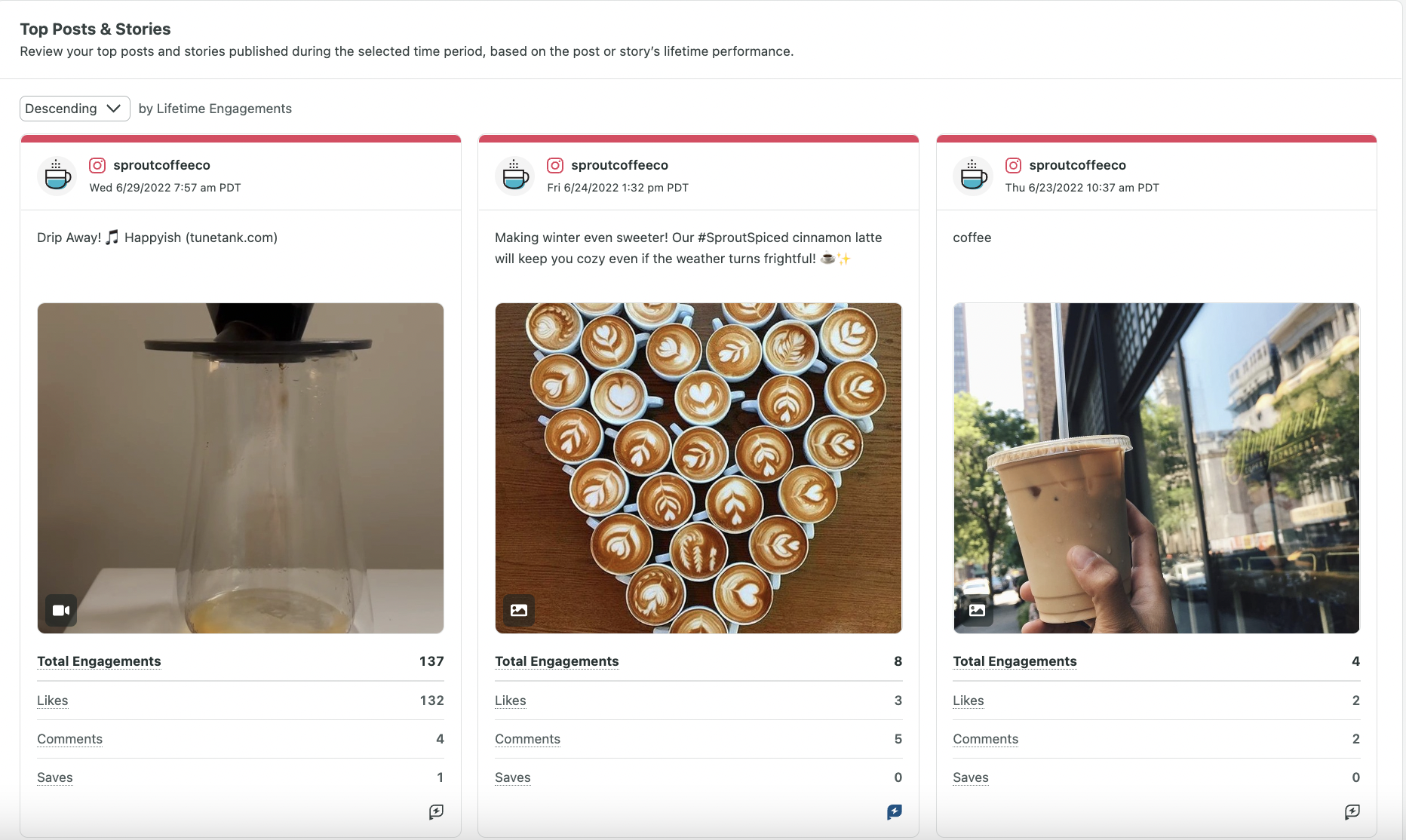
If you are spending hours each week screenshotting, manually logging numbers, or struggling to create a cohesive picture of your performance, you are paying a higher price than the cost of a software subscription. Transitioning to a unified platform like Sprout Social allows businesses to aggregate data from multiple channels into a single source of truth. This shift moves the team from a reactive state of reporting to a proactive state of strategy.
Leveraging Sprout Social for Strategic Execution
For ambitious small businesses, Sprout Social Essentials serves as a centralized hub. By automating the reporting process, it eliminates the manual data entry that drains productivity.
Automating Performance Reports
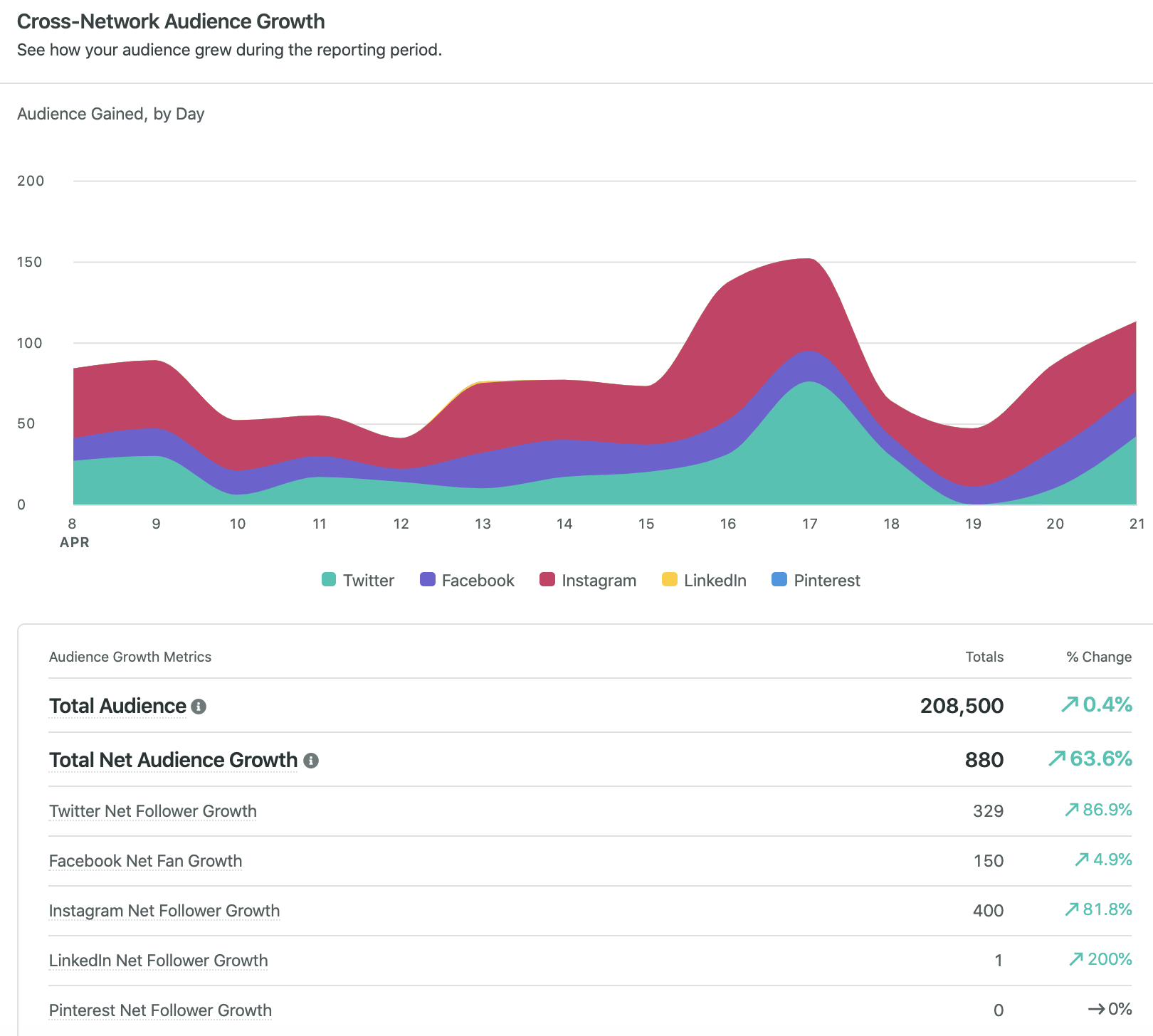
Instead of manually building reports, businesses can use Sprout to generate automated, professional-grade reports that highlight cross-network audience growth, top-performing posts, and engagement trends. These reports are not just for internal record-keeping; they provide clear, visual evidence that can be shared with stakeholders or partners, demonstrating the concrete value of social media efforts.
Scaling Success
The final stage of the analytics lifecycle is execution. Once you identify a winning format—such as the "Morning Bake Prep" series for a bakery—you must have a system to scale it. Sprout’s integrated content calendar allows teams to:
- Map out recurring series to ensure consistency.
- Schedule content for peak engagement times, ensuring that high-value posts reach the maximum number of followers.
- Refine visuals and metadata in a single, streamlined interface.
Conclusion: The Path Forward
The goal of Instagram analytics is not to create a pile of reports; it is to create a path to sustainable growth. By prioritizing intent-based metrics, eliminating the manual labor of data collection, and utilizing integrated platforms to bridge the gap between insight and action, small businesses can transform their Instagram presence from a time-consuming chore into a powerful competitive advantage.
In the world of small business, you cannot manage what you do not measure. But more importantly, you cannot succeed if you are measuring the wrong things. By focusing on the data that drives revenue and refining your content strategy accordingly, you can ensure that every post, story, and comment contributes to the long-term health and profitability of your brand.



 Siti Muinah