

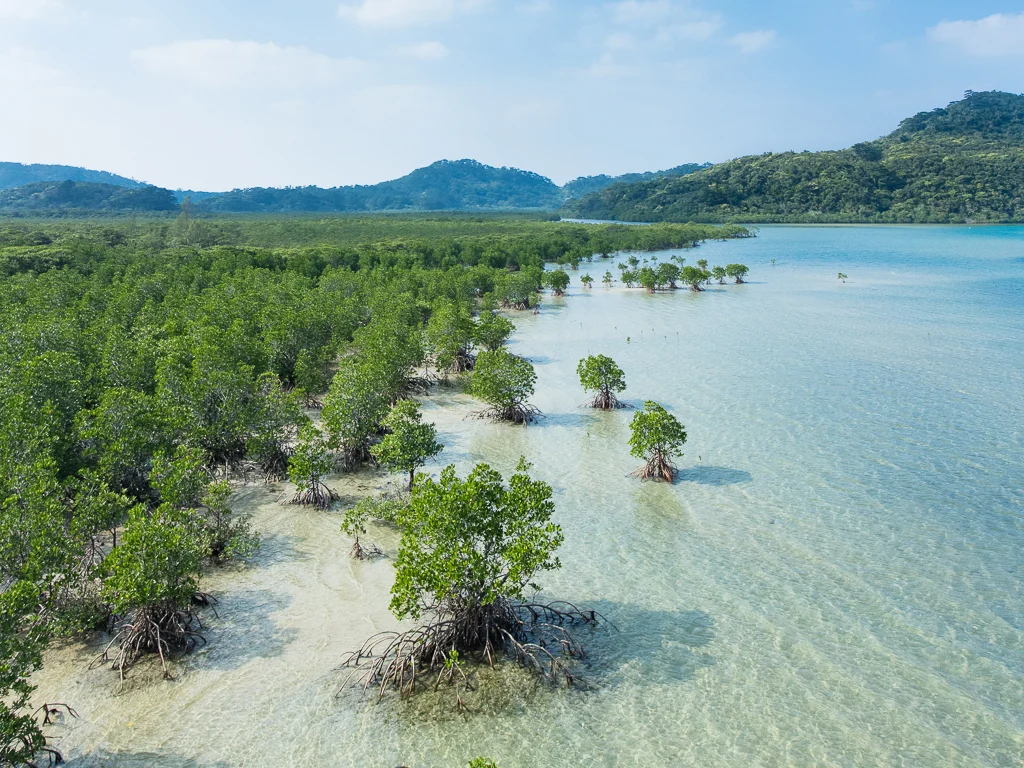
The Yaeyama Islands (Yaeyama Shoto) represent the final, emerald-hued frontier of the Japanese archipelago. Situated 400 kilometers southwest of Okinawa’s main island, these 12 islands occupy a unique geographical and cultural space closer to Taiwan than to the neon-lit thoroughfares of Tokyo. Far from the mainland’s temperate climate, the Yaeyama group offers a subtropical experience defined by mangrove estuaries, coral-reef lagoons, and a distinct Ryukyuan identity that has flourished in isolation for centuries.
As international travelers increasingly look beyond the "Golden Route" of Tokyo, Kyoto, and Osaka, the Yaeyama Islands have emerged as a premier destination for those seeking deep nature, biodiversity, and a Japan that feels vastly different from the one depicted in traditional guidebooks.
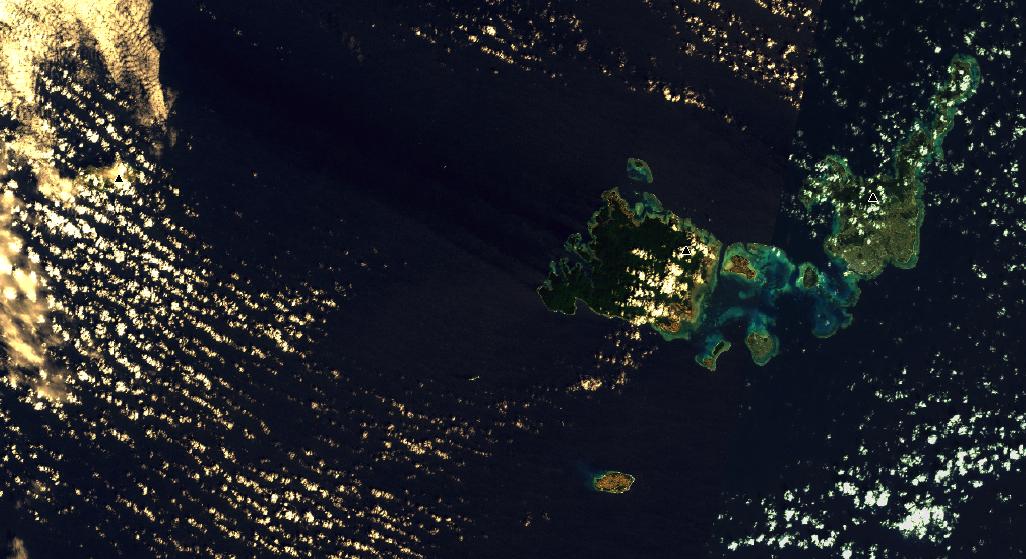
Main Facts: The Geography of Isolation
The Yaeyama Islands form a distinct cultural and biological zone. Unlike the standardized landscapes of mainland Japan, this region is characterized by:
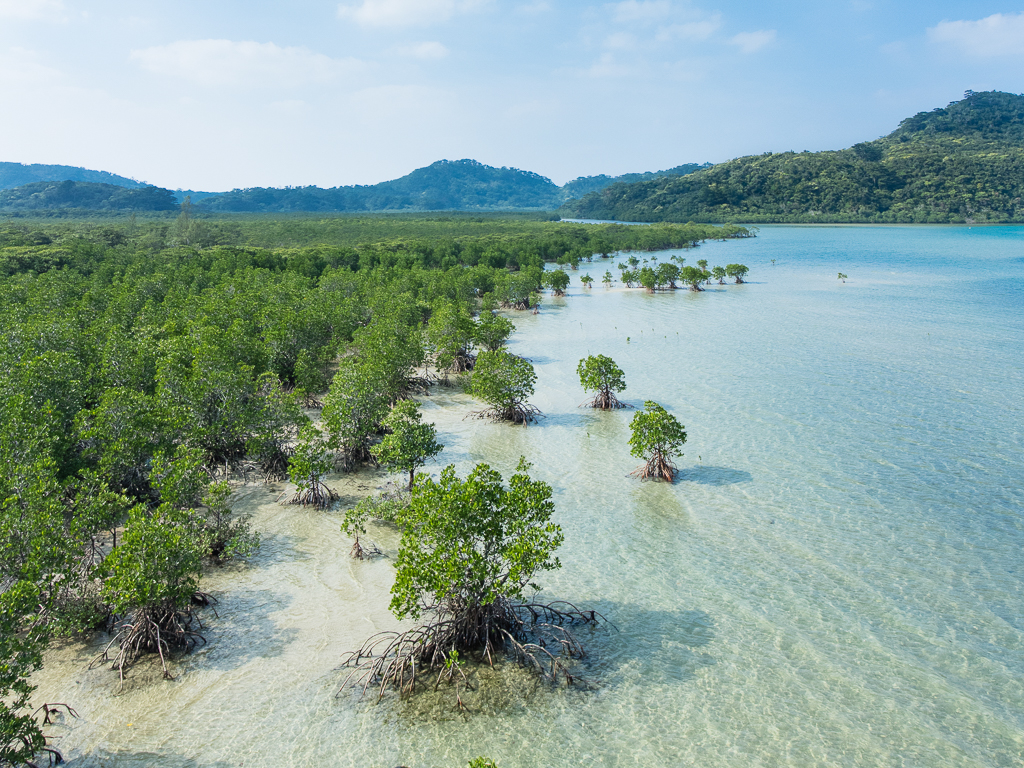
- Subtropical Biodiversity: The islands harbor the last remnants of Japan’s endemic wildcat, the Iriomote yamaneko, and contain some of the country’s most expansive mangrove forests.
- Ryukyuan Heritage: The archipelago preserves village architecture that predates the 1879 Japanese annexation of the Ryukyu Kingdom.
- Linguistic Distinction: Residents speak Yaeyama-go, a language distinct from both mainland Japanese and the Okinawan dialect spoken on the main island.
- Proximity to Asia: Geographically, these islands are significantly closer to Taiwan, a proximity that has historically influenced the region’s food, architecture, and maritime history.
The tourism "workhorse" of the region is a triumvirate of islands: Ishigaki (the transit hub and largest island), Iriomote (the "Galapagos of Japan"), and Taketomi (a living museum of traditional village life). Beyond these, the archipelago extends into a scatter of specialized islets, including the cattle-rich Kuroshima and the southernmost inhabited point of Japan, Hateruma.
Chronology: A History of Preservation
The history of the Yaeyama Islands is a narrative of resilience and deliberate preservation.
- Pre-1879: The Ryukyu Kingdom exerts influence over the region, establishing the unique architectural and cultural norms that persist today.
- 1879–1945: Following the Japanese annexation, the islands were integrated into the prefecture. The unique cultural identity, however, remained shielded by geographic distance.
- 1987: A pivotal moment for modern tourism. Taketomi Island implemented strict local ordinances to preserve its traditional red-tile roofs and white coral-chip walls, effectively banning modern construction materials. This move turned the island into a protected, "film-set" environment that remains the gold standard for heritage conservation in the Pacific.
- 2020s–Present: The post-pandemic era has seen a surge in "deep travel," with visitors prioritizing biodiversity and authentic cultural immersion. The islands have seen a shift from transient day-trippers to long-stay, experiential tourists, leading to the development of eco-conscious infrastructure.
Supporting Data: Infrastructure and Access
For the logistics-minded traveler, the Yaeyama group requires significant planning. Ishigaki acts as the central node for all maritime and aerial traffic.
The Gateway: Ishigaki
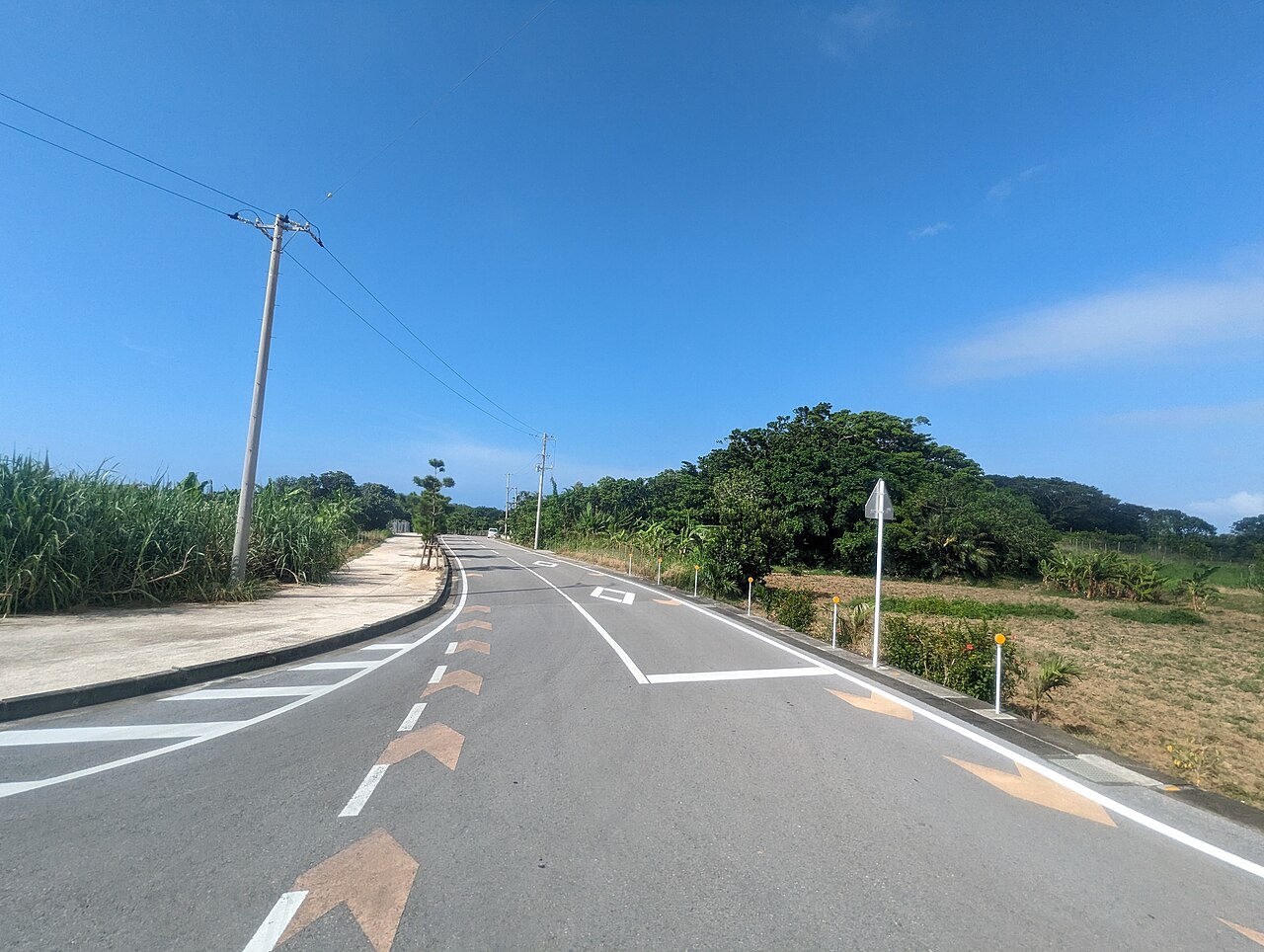
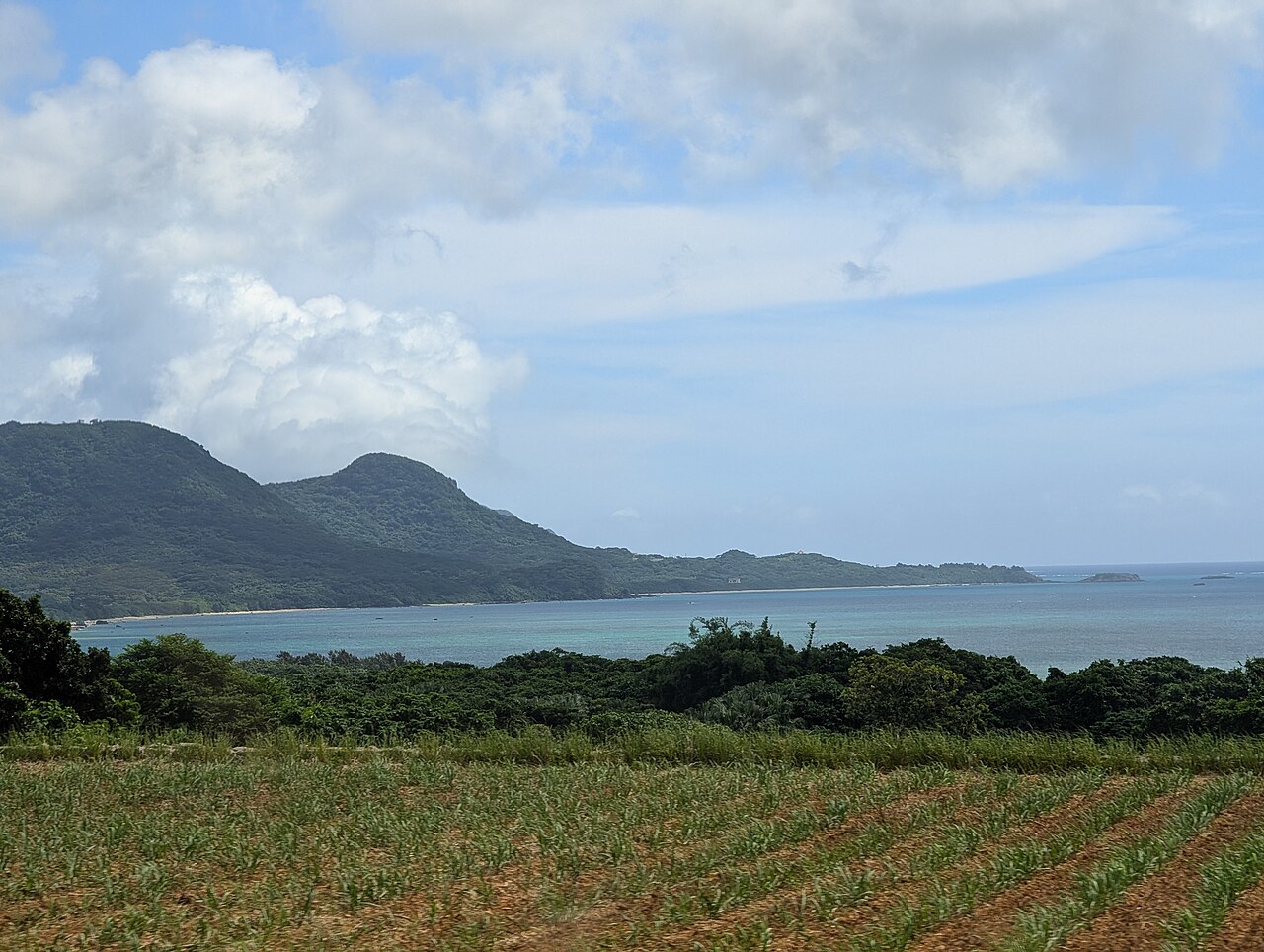
Ishigaki Island is home to 48,000 residents and serves as the primary point of entry. With a central mountain range, including Mt. Omoto (the highest point in Okinawa Prefecture at 526m), the island provides a diverse landscape. A rental car allows for a complete loop of the island in roughly three hours, though visitors typically stay 2–3 nights to use it as a base for snorkeling and scuba diving.
The Jungle: Iriomote
Iriomote is 25% larger than Ishigaki but holds only 2,400 residents. Nearly 90% of the island is designated as the Iriomote-Ishigaki National Park. It represents the most pristine equatorial environment in Japan.
- Logistics: Ferries from Ishigaki to Uehara or Ohara ports take 40–50 minutes.
- Risk Mitigation: The islands are subject to typhoon-related ferry cancellations. A standard rule among locals and frequent visitors is: "Take the first ferry out, return by 14:00, and never rely on the last boat of the day."
The Living Museum: Taketomi
With a population of only 360, Taketomi is a study in architectural integrity. The island operates on a strictly pedestrian and bicycle-friendly model. The lack of automobiles and the preservation of coral-paved streets ensure that the village remains a functional, inhabited museum.
Official Responses and Sustainability
The local government and the Iriomote-Ishigaki National Park authorities have adopted a proactive stance regarding the impact of tourism on fragile ecosystems.
Protecting the Iriomote Wildcat
The Iriomote yamaneko is a subject of intense conservation efforts. With only an estimated 100 individuals remaining, the island has implemented night-driving speed limits and constant monitoring of forest corridors. Official signage and educational centers throughout the island emphasize that the cat is not a "tourist attraction" but a critically endangered species. Visitors are explicitly discouraged from seeking out the animal, and wildlife encounters are limited to passive observation via conservation center exhibits.
Managing Environmental Footprint
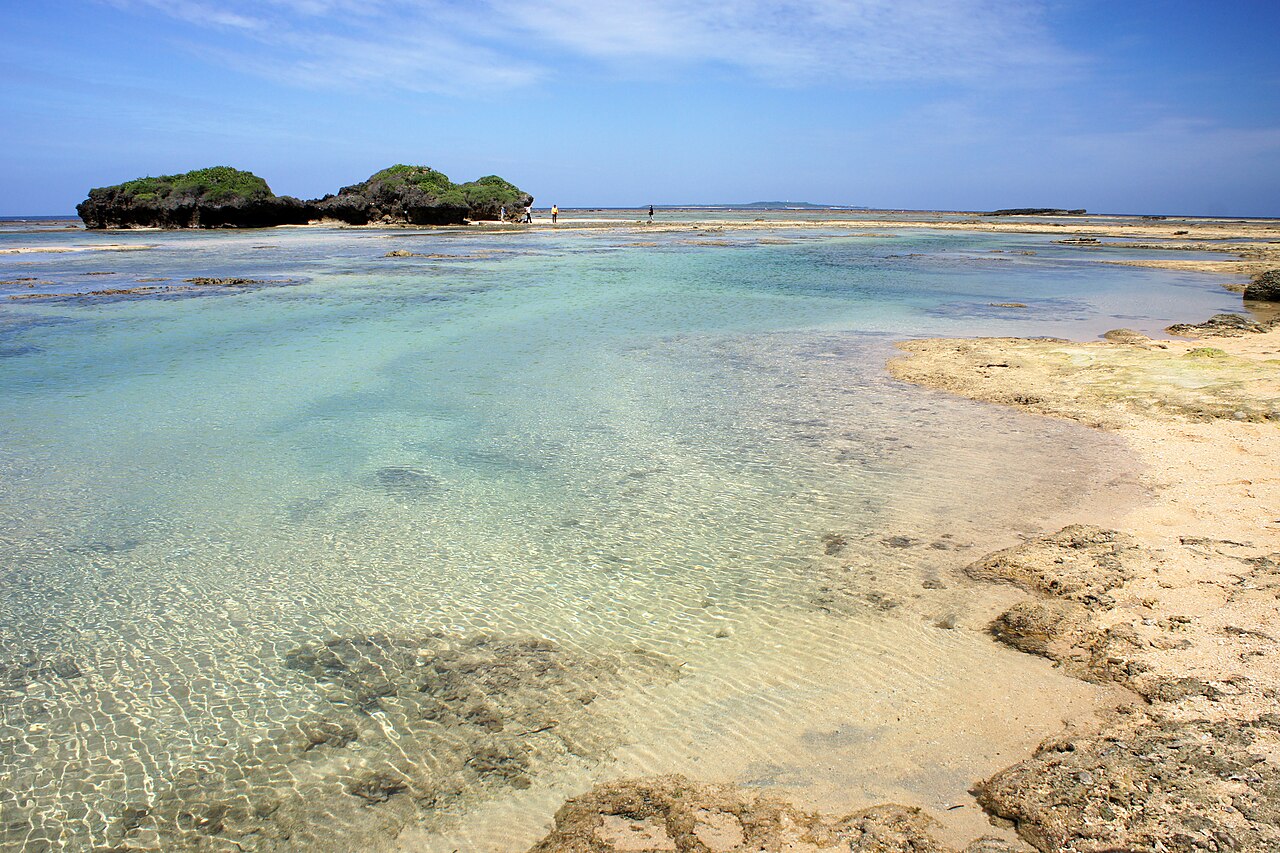
The "Star Sand" beaches of Iriomote are a case study in legislative protection. Because the sand is composed of 80% foraminifera skeletons, it is a protected natural resource. Removing even a small amount of sand is illegal, and tourism operators are required to educate guests on the ecological importance of these micro-skeletons before landing on the beaches.
Implications for Future Tourism
The Yaeyama Islands occupy an awkward space in the Japanese tourism market. They are too far from the mainland to be a "weekend getaway" for the average visitor, yet they are too culturally significant to be dismissed as mere beach resorts.
The "Deep Japan" Trend
The implication for travelers is clear: the Yaeyamas are "second-trip" territory. The commitment required to reach these islands—a three-hour flight from Tokyo followed by ferry transfers—filters the visitor demographic. Those who do make the journey are increasingly seeking:
- Sustainable Diving: Ishigaki is one of the world’s most accessible locations for observing manta rays. Dive schools here are increasingly adopting "no-touch, no-feed" policies that align with international marine biology standards.
- Cultural Immersion: The demand for authentic Ryukyuan cuisine—such as Yaeyama soba and rafute (braised pork belly)—has led to a revival of traditional cooking methods in local villages.
- Astronomy Tourism: Hateruma Island, due to its low light pollution and southern latitude, has become a pilgrimage site for stargazers. Official efforts are underway to maintain these "dark sky" zones against the creep of modern artificial lighting.
Conclusion: Is the Commitment Worth It?
For the casual tourist, the Yaeyama Islands may seem like an logistical hurdle. However, for those who value biodiversity, architectural history, and the quiet rhythm of island life, they are indispensable. The islands offer a rare glimpse into a Japan that is untethered from the frantic pace of the mainland.
As climate change impacts coral reefs globally, the Yaeyamas serve as both a sanctuary and a testing ground for how Japan manages its most precious natural resources. Travelers who arrive with a spirit of conservation and a willingness to adapt to the "island time" of the Ryukyus will find that the Yaeyama group is not just a destination, but a fundamental expansion of what it means to experience Japan.
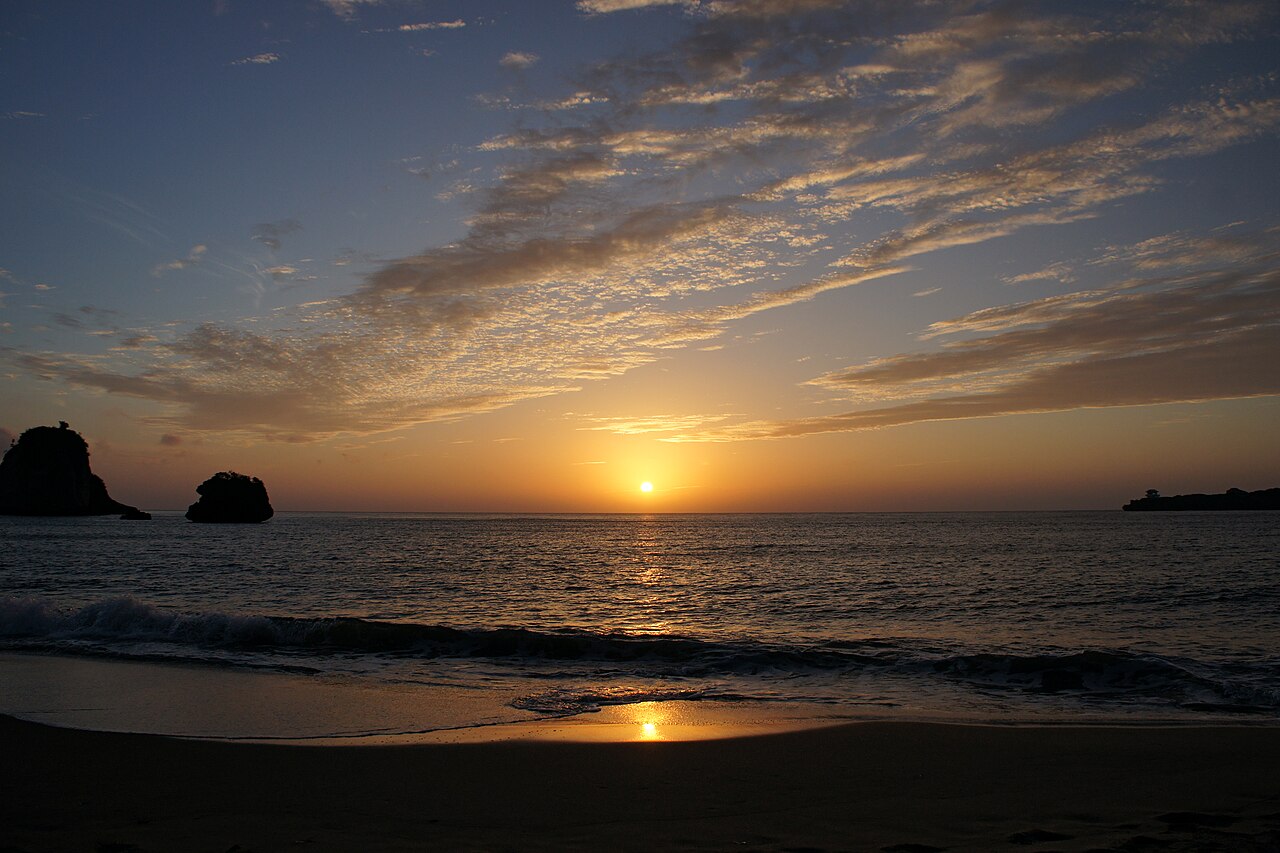
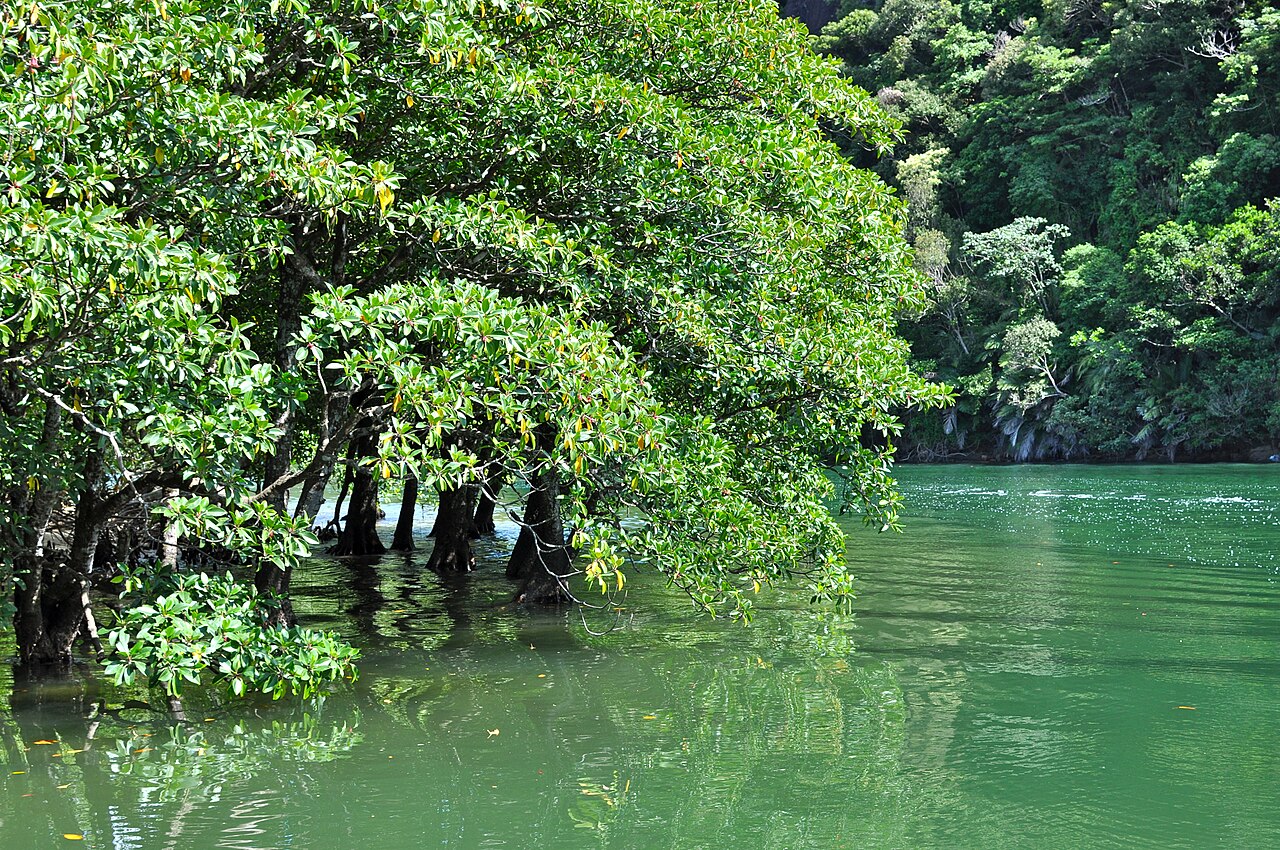
Whether you are navigating the mangrove tunnels of Iriomote, cycling the coral-strewn lanes of Taketomi, or watching the sunset from the westernmost point of Yonaguni, the Yaeyama Islands reward the curious with a sense of discovery that is increasingly difficult to find in the 21st century.











