

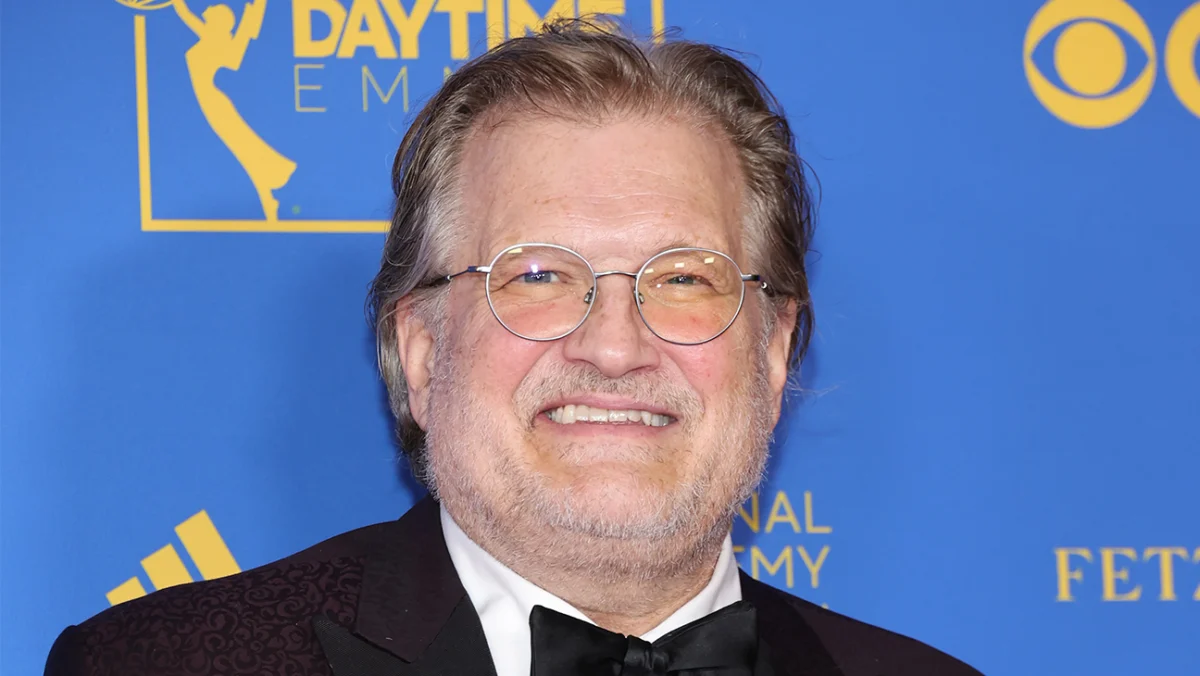
The political landscape of Los Angeles has long been defined by the friction between municipal bureaucracy and the high-octane influence of the entertainment industry. However, the current race for the mayoralty has transcended traditional celebrity involvement, descending into a vitriolic clash of personalities. This week, the simmering tensions reached a boiling point when comedian and television personality Drew Carey took to Threads to launch a blistering broadside against candidate Spencer Pratt, the reality television figure turned political disruptor.
The Carey Critique: A Demand for Competence
In a post that has since rippled through both political and pop-culture circles, Drew Carey did not mince words regarding his disdain for Pratt’s campaign. "Anyone who votes for, or endorses Spencer Prattfall for Mayor of LA needs to get their head out of their ass," Carey wrote.
Carey’s rebuke was not merely an ad hominem attack; it served as a stinging indictment of the current political discourse. "I understand being angry/unsatisfied, but at least get behind someone competent and not some serial scammer without a soul or moral compass. Fuck this guy already."
The severity of Carey’s language highlights a growing anxiety among long-time Los Angeles residents and cultural commentators who fear that the city’s governance is being reduced to a performative reality show. By labeling Pratt a "serial scammer," Carey tapped into a narrative that has followed the former The Hills star since his ascent to fame in the mid-2000s.
Chronology of a Campaign: From Reality TV to City Hall
To understand the gravity of this confrontation, one must examine the path that led Spencer Pratt from the MTV screen to the ballot box.
The Catalyst: The 2025 Wildfires
Pratt’s entry into politics was not an abstract ambition but a reaction to personal and municipal tragedy. In January 2025, a series of devastating wildfires—including the Palisades fire that destroyed his family’s home and the widespread Eaton fire—laid bare the vulnerabilities of Los Angeles’ emergency infrastructure.
In the immediate aftermath, Pratt shifted his public persona from that of a reality television antagonist to an outspoken, often aggressive, activist. His campaign, announced in January 2026, positions him as a man "forged in fire," arguing that the current administration—led by incumbent Mayor Karen Bass—failed the city during its darkest hour.
The Escalation
Throughout the latter half of 2025 and into early 2026, Pratt utilized his massive social media following to hold the Mayor’s office accountable. While critics argue his efforts are opportunistic, supporters view his rise as a natural consequence of voter fatigue. With the primary election set for June 2, 2026, the rhetoric has shifted from policy debate to character assassination.
Supporting Data: The Coalition of the Unexpected
Spencer Pratt’s campaign is an anomaly in modern American politics. Despite casting himself as a "non-partisan" outsider, he has managed to secure endorsements that baffle political analysts.
High-Profile Backing
The most striking aspect of the Pratt campaign is the coalition behind him. The endorsement of podcaster Joe Rogan provided Pratt with significant credibility among his core demographic of disaffected, anti-establishment voters. Even more surprising was the support from former President Donald Trump, signaling a strategic alignment with the Republican base, despite Pratt’s insistence that he is not bound by traditional party lines.
Domestic Dissent
While the campaign has gained traction with some, it has faced fierce opposition from within the candidate’s own family. His sister, Stephanie Pratt, has been one of his most vocal critics, publicizing her opposition to his mayoral bid. Her refusal to endorse him has served as a powerful counter-narrative, suggesting that even those closest to the candidate view his political ambitions with skepticism.
Official Responses and the "Reality Show" Controversy
The legitimacy of the campaign has been further clouded by rumors regarding the role of media production in his political activities. Earlier this month, reports surfaced suggesting that Pratt had entered into a production deal to document his run for mayor—a move that would turn his campaign into a literal television show.
Denials and Damage Control
The fallout from these reports was immediate. Pratt’s representatives moved quickly to quell the rumors, issuing a definitive statement: "This is a non-starter as there is no signed contract. Nothing has been pitched, nothing has been filmed, there is no contact or deal of any sort in existence. Cameras have not been rolling and there are no plans at all for cameras to film."
Whether this denial successfully silences the critics remains to be seen. In the eyes of many, including Drew Carey, the mere perception that a mayoral run could be a vehicle for a reality series is enough to disqualify a candidate.
Implications: What Does This Mean for Los Angeles?
The friction between Pratt and his detractors represents a broader "bifurcation" of the Los Angeles electorate.
The Erosion of Traditional Politics
The involvement of celebrities like Carey and the backing of political heavyweights like Trump and Rogan signifies that the barrier between entertainment and civic duty has effectively vanished. When candidates are evaluated based on their ability to generate social media "heat" rather than their ability to manage a $12 billion municipal budget, the city faces a crisis of governance.
The Burden of the Incumbent
Mayor Karen Bass finds herself in a precarious position. While she represents the institutional status quo, her handling of the 2025 wildfires has provided her opponents with a potent weapon. The challenge for her administration is to defend her record while avoiding getting pulled into the mud-slinging contests that defined the campaigns of her challengers.
The Future of the Primary
As the June 2 primary approaches, the discourse is likely to become even more extreme. The Pratt campaign relies on the "outsider" archetype, a model that has proven successful in American politics over the last decade. However, the urban environment of Los Angeles presents unique challenges—homelessness, infrastructure decay, and the aftermath of environmental disasters—that require more than just soundbites and celebrity endorsements.
Conclusion: A City at a Crossroads
Drew Carey’s recent outburst is symptomatic of a larger exhaustion felt by a segment of the population that desires a return to "competent" leadership. Conversely, Pratt’s supporters view this same exhaustion as a mandate for radical change, regardless of how unconventional or polarizing the candidate may be.
As the race moves into its final months, the question for Los Angeles voters is simple yet profound: Is the city looking for a politician to solve its complex problems, or is it looking for a protagonist to lead them through the next episode of its ongoing drama? With the primary election rapidly approaching, the city will soon have its answer. One thing is certain: in the race for Los Angeles, the line between reality and the screen has never been more blurred, and the stakes have never been higher.











No comments yet. Be the first to join the conversation!