

Just weeks after the ambitious launch of Halide Mark III, the development team at Lux is moving at a breakneck pace to keep the momentum alive. This Friday, July 10, the company will release Halide 3.1: "Scarlet Edition," a mid-cycle update that underscores the studio’s commitment to transforming the iPhone from a simple point-and-shoot device into a sophisticated tool capable of mimicking the nuanced workflows of professional view cameras.
The Core Evolution: Expanding the Creative Toolkit
The headline feature of the 3.1 update is a significant overhaul of the application’s "Frame" tab. While Halide has long been lauded for its intuitive interface and manual control suite, the new update addresses a common pain point for mobile photographers: geometry.
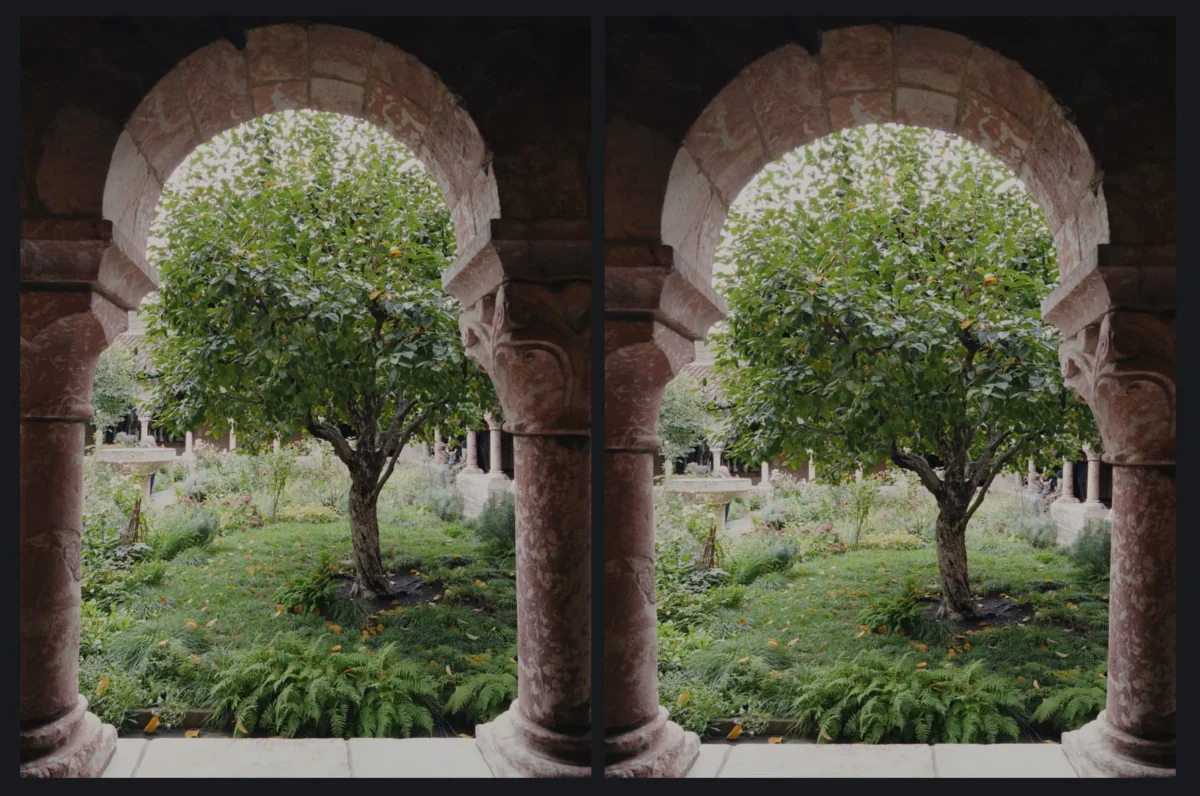
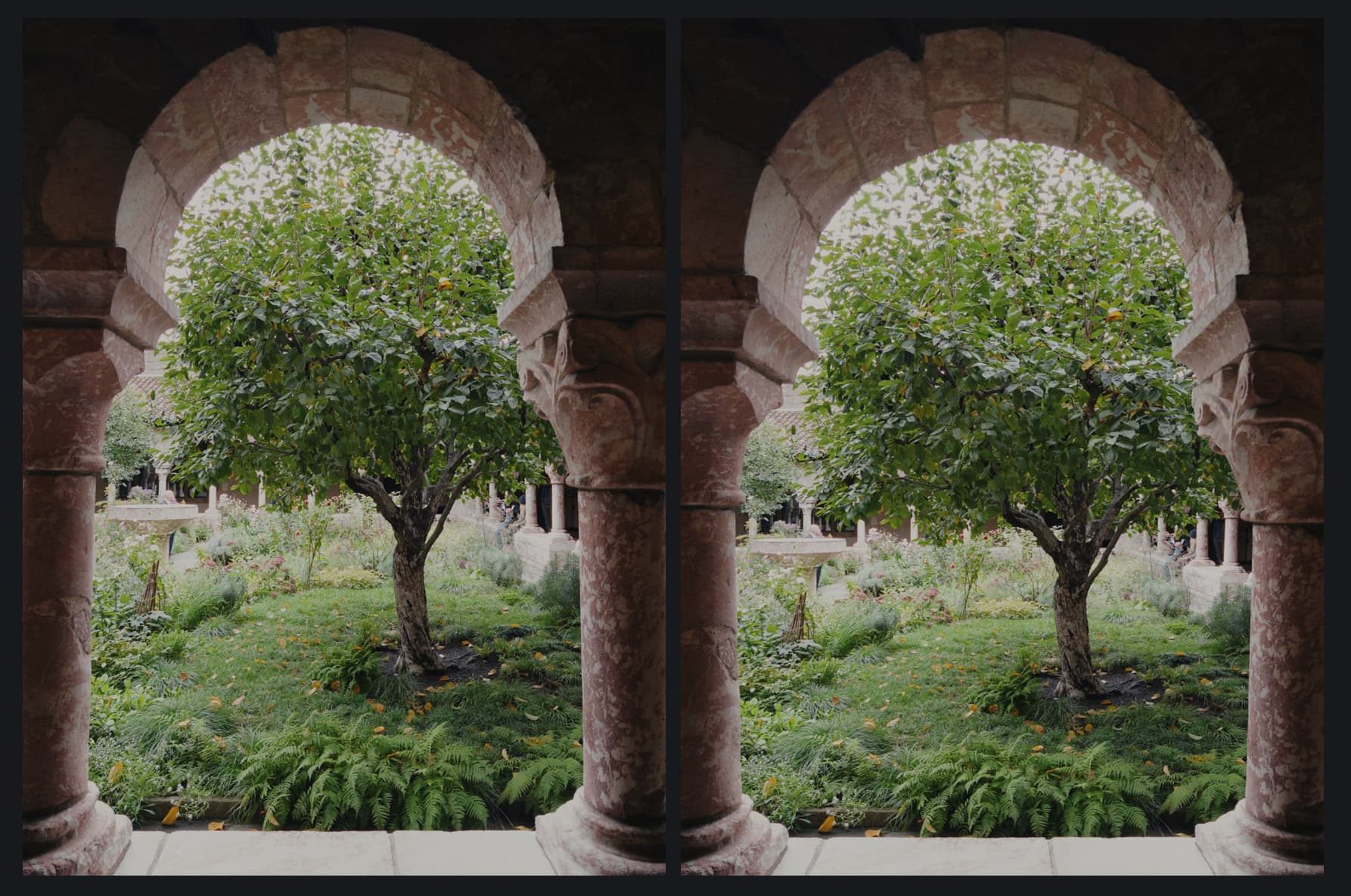
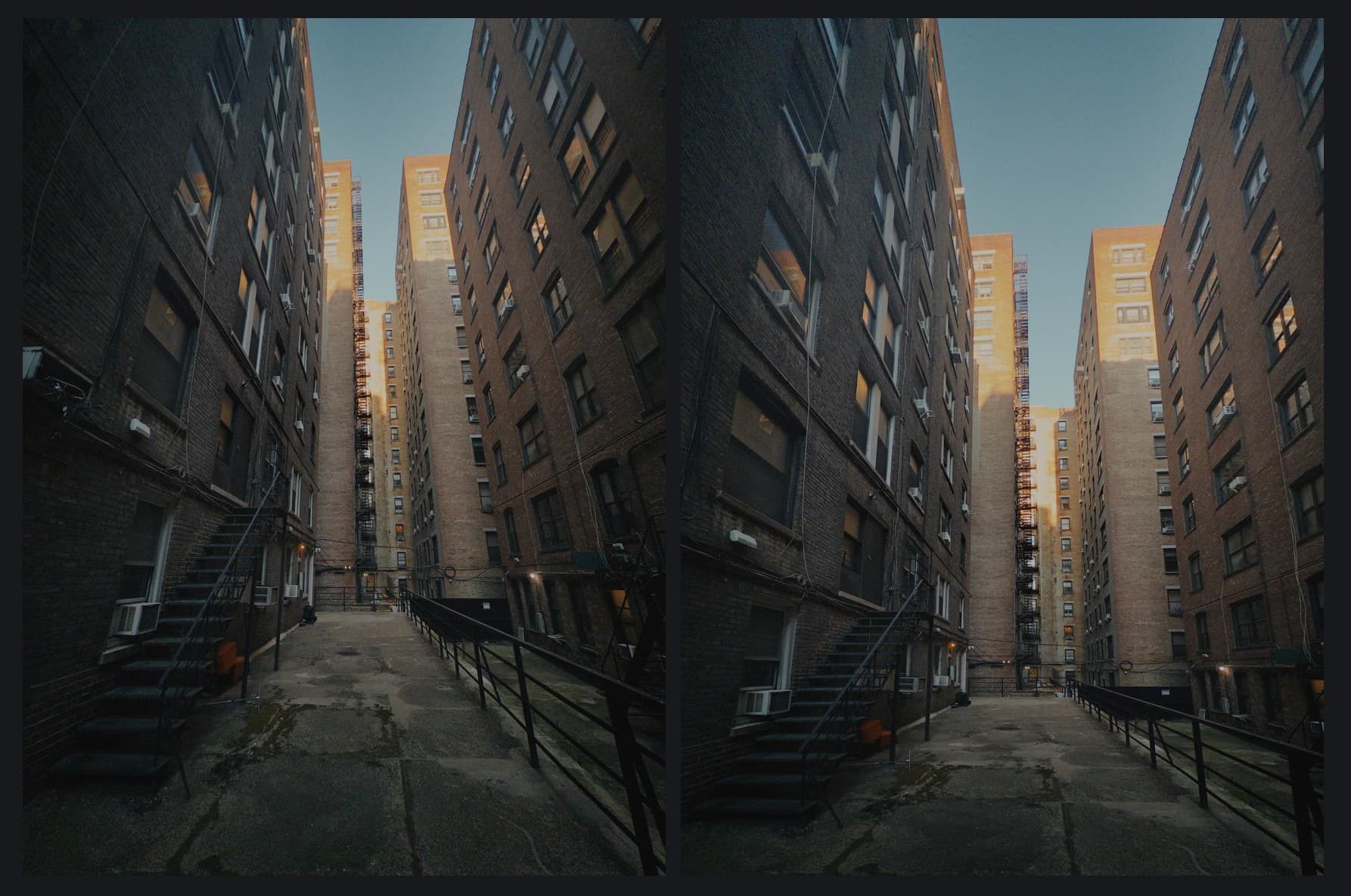
By introducing a dedicated perspective correction tool, Lux is effectively democratizing a process that once required specialized tilt-shift lenses or high-end desktop post-processing software. The tool functions via an elegant, haptic-enabled dial, allowing users to intuitively realign the vertical and horizontal axes of their images. This is particularly useful for architectural photography, where the wide-angle lenses of modern iPhones often introduce "keystoning"—a visual distortion where buildings appear to lean backward or converge toward the top of the frame.

A Chronology of Iteration
The rapid succession of these updates—from the major architectural shift of Mark III in late May to the feature-dense 3.1 release in July—highlights the agility of the Lux team.
- Late May 2026: Lux releases Halide Mark III, introducing a fundamental redesign of the camera interface and backend processing pipeline. This version set the stage for more complex image-processing tasks to be handled directly on the device.
- Early July 2026: Following a brief but intense period of user feedback gathering, Lux announces the 3.1 "Scarlet Edition."
- July 10, 2026: The official public rollout of the 3.1 update.
This timeline suggests that the developers at Lux are operating on a "continuous improvement" model, moving away from static, once-a-year major version updates in favor of modular, feature-rich drops that keep the app relevant as mobile hardware capabilities evolve.
Technical Implications of Perspective Correction
According to the technical documentation provided by Lux, the new correction tool is rooted in the principles of classic view camera photography. In a view camera, the photographer can shift the lens plane relative to the film plane to correct perspective distortion at the moment of capture.
While the iPhone lacks a movable lens assembly, Halide 3.1 utilizes advanced computational algorithms to simulate this effect. Users can scroll through the dial to adjust the degree of correction. Lux emphasizes that while the tool is primarily designed for subtle, "natural-looking" corrections, the engine is robust enough to handle extreme adjustments without excessive pixel degradation. This capability is a testament to the high-bit-depth RAW files that the Halide engine processes, allowing for surgical edits that would likely break a standard, highly-compressed JPEG file.
The "Scarlet" Aesthetic: A New Look at Color Science
Beyond the geometric utilities, the "Scarlet Edition" introduces a new visual aesthetic to the app’s processing engine. As the name implies, "Scarlet" is a color profile curated to handle the difficult task of rendering warm tones, particularly reds, with increased punch and depth.
In an era where many smartphone cameras lean toward hyper-realistic or "cool" color temperatures, the decision to lean into warmth is a stylistic statement. Lux notes that the profile features medium-high contrast, which helps in defining edges and textures in landscapes—specifically sunsets and golden-hour portraits. By providing this as a built-in profile, Lux is offering users a "film stock" equivalent for the digital age, reducing the time spent in third-party editors like Lightroom or VSCO.
Official Response and Philosophy
The team at Lux has been vocal about their design philosophy regarding these updates. In a recent statement, the developers noted:
"With Halide 3.1, we’re not just adding buttons; we’re adding utility. We want our users to feel that the limitations of their phone camera are not hardware-bound, but software-bound. By bringing these pro-grade corrections to the palm of your hand, we’re bridging the gap between the convenience of a smartphone and the intentionality of a dedicated camera."
This sentiment reflects a broader industry trend where software is increasingly tasked with compensating for the physical limitations of small sensors and fixed-aperture lenses.
Implications for Mobile Photography
The release of Halide 3.1 has several implications for the future of mobile photography:
1. The Death of the "Snapshot"
By making tools like perspective correction and advanced color grading easily accessible, apps like Halide are encouraging users to treat their photos with more intention. When a user spends time correcting the lines of a building or choosing a specific color profile, the act of photography shifts from a passive documentation habit to an active creative process.
2. Desktop-Class Workflows on Mobile
The inclusion of keystone correction is a subtle nod to the fact that mobile devices are becoming primary editing platforms. Users are no longer just capturing photos on their iPhones; they are finishing them there. As processing power (via the A-series chips) continues to grow, we can expect to see more "desktop-only" features like noise reduction masks, advanced local adjustments, and batch processing make their way into apps like Halide.

3. The Monetization of Niche Expertise
Lux’s strategy of releasing high-quality, iterative updates creates a compelling case for their subscription and one-time purchase models. By offering "editions" like the Scarlet Edition, they keep the user base engaged and provide tangible value that justifies the cost of premium software. It is a masterclass in software-as-a-service (SaaS) retention within the creative tools market.
Conclusion: A Sharper, Warmer Future
As the industry waits for the next hardware iteration from Apple, developers like those at Lux are proving that there is still significant headroom to be gained through software optimization. The Halide 3.1 "Scarlet Edition" is more than just a minor version bump; it is a refinement of the photographic experience. By providing the tools for geometric precision and artistic color expression, Lux is ensuring that the iPhone remains a formidable competitor to traditional cameras, provided the user is willing to engage with the sophisticated controls provided.
Whether you are an architect looking to straighten your building captures or a hobbyist hoping to capture the perfect sunset, the update provides the tools to elevate your mobile photography. As we look toward the second half of 2026, it is clear that for the professional mobile photographer, the "Scarlet" look may soon become a hallmark of the craft.

For those interested in exploring the full capabilities of Halide 3.1, the update will be available on the iOS App Store starting July 10. Users are encouraged to check the official Lux blog for detailed tutorials on how to best utilize the new perspective correction dials.











