Raul Delapena Setiawan
In the contemporary landscape of visual arts, few emerging voices possess the clinical precision and philosophical depth of Vancouver-born artist Adrian Wong. A recent graduate of the esteemed Combined Degree BA + BFA program at Tufts University, Wong has carved out a unique niche within the realm of image-based practice. His work serves as a cartography of the modern world—a meticulous investigation into the infrastructures that govern our lives, whether they operate in plain sight or remain shrouded in the invisibility of systematic efficiency.
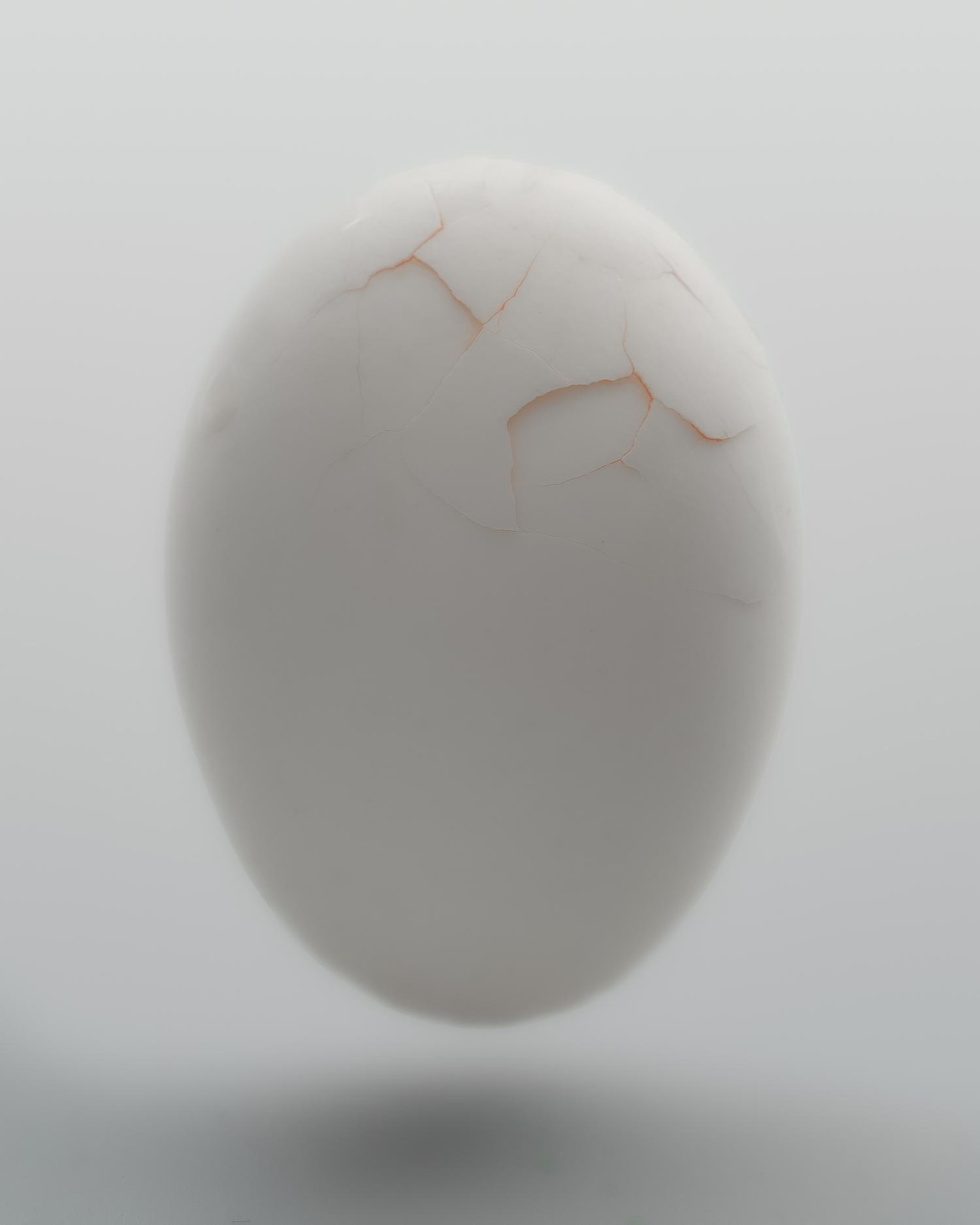
Wong, whose heritage bridges the cultural sensibilities of his Cantonese roots and his upbringing in Hong Kong, brings a globalized perspective to his art. His latest series, Carton, represents a pivot toward the visceral intersection of biology, industrial engineering, and the human condition. By utilizing the common egg as a primary lens, Wong interrogates the pervasive modern obsession with optimization and the precarious nature of existence within standardized systems.
The Infrastructure of the Egg: A Case Study in Standardization
At the heart of Carton lies a profound meditation on the "perfect" product. In our current era, where supply chains are optimized to the micro-second and agricultural output is governed by rigorous quality control, the egg stands as a singular, fragile metaphor for contemporary perfection.
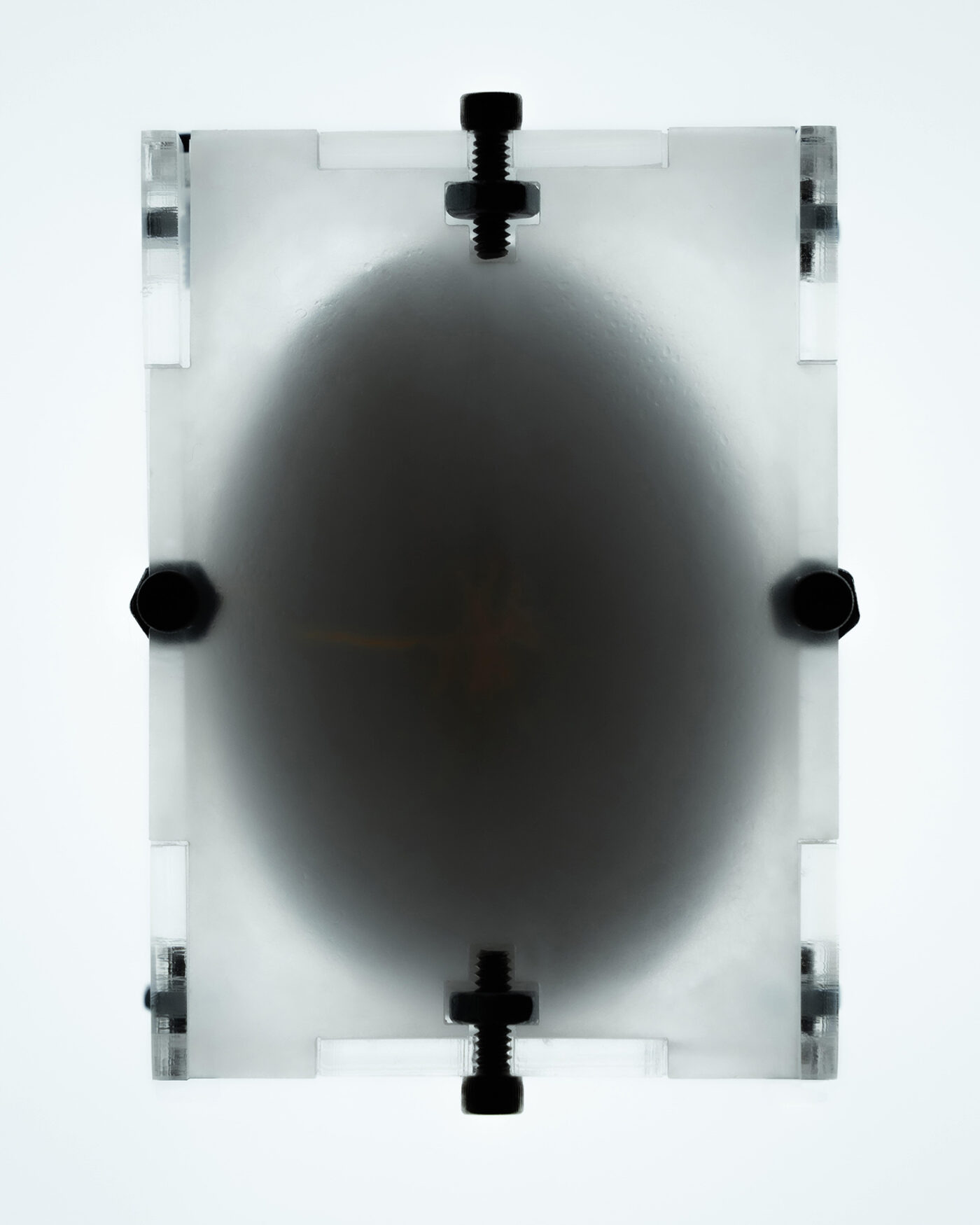
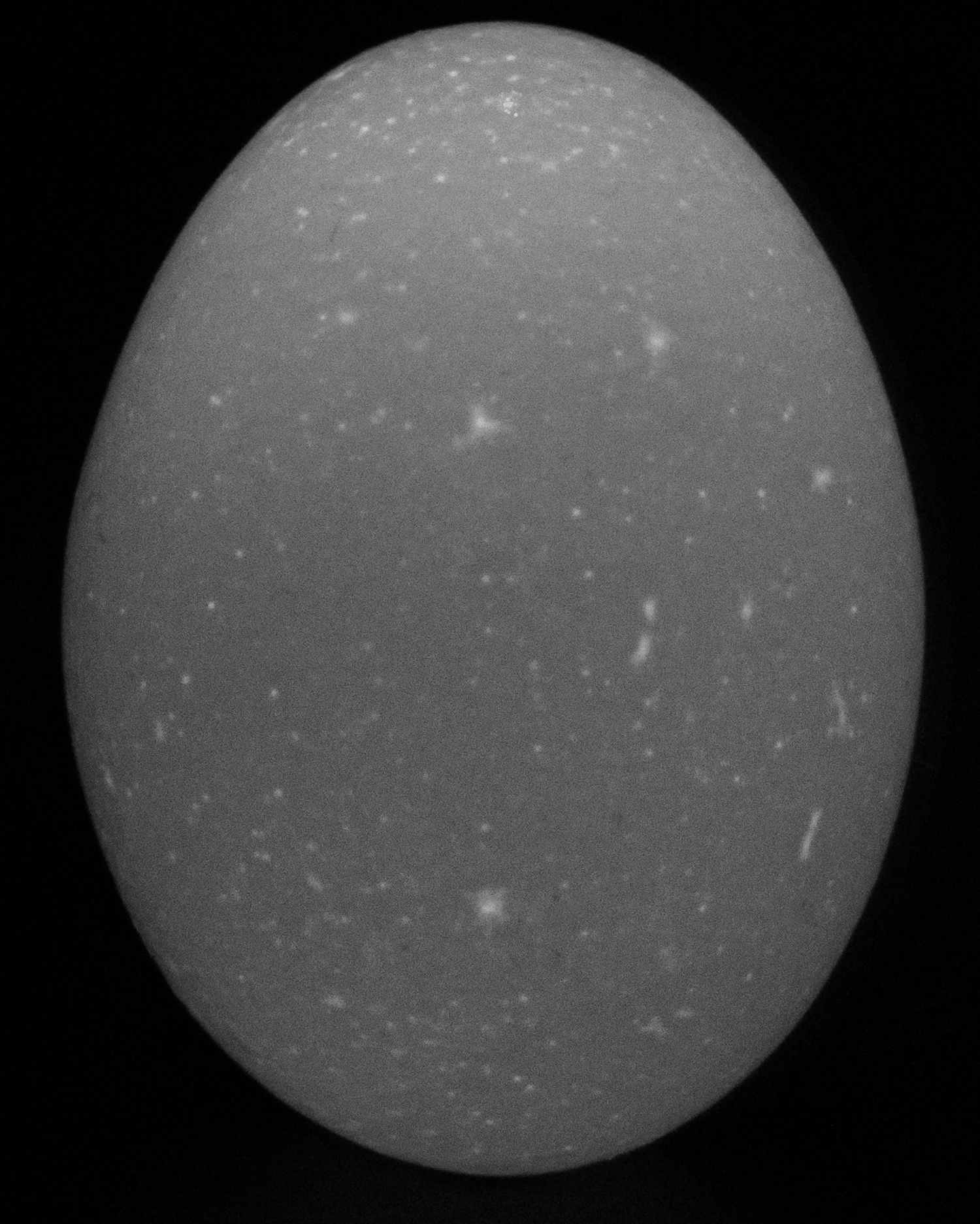
"I am thinking a lot about optimization and infrastructure, and the egg is in many ways a perfect metaphor for contemporary notions of perfection," Wong notes. He points to the sterile, hyper-controlled environments in which chickens are raised—facilities designed to minimize variance and maximize output. In these settings, the egg is not merely a biological entity; it is a commodity subject to the rigid scrutiny of industrial sorting. Only those that adhere to specific, oval geometric ideals are permitted to progress to the carton.
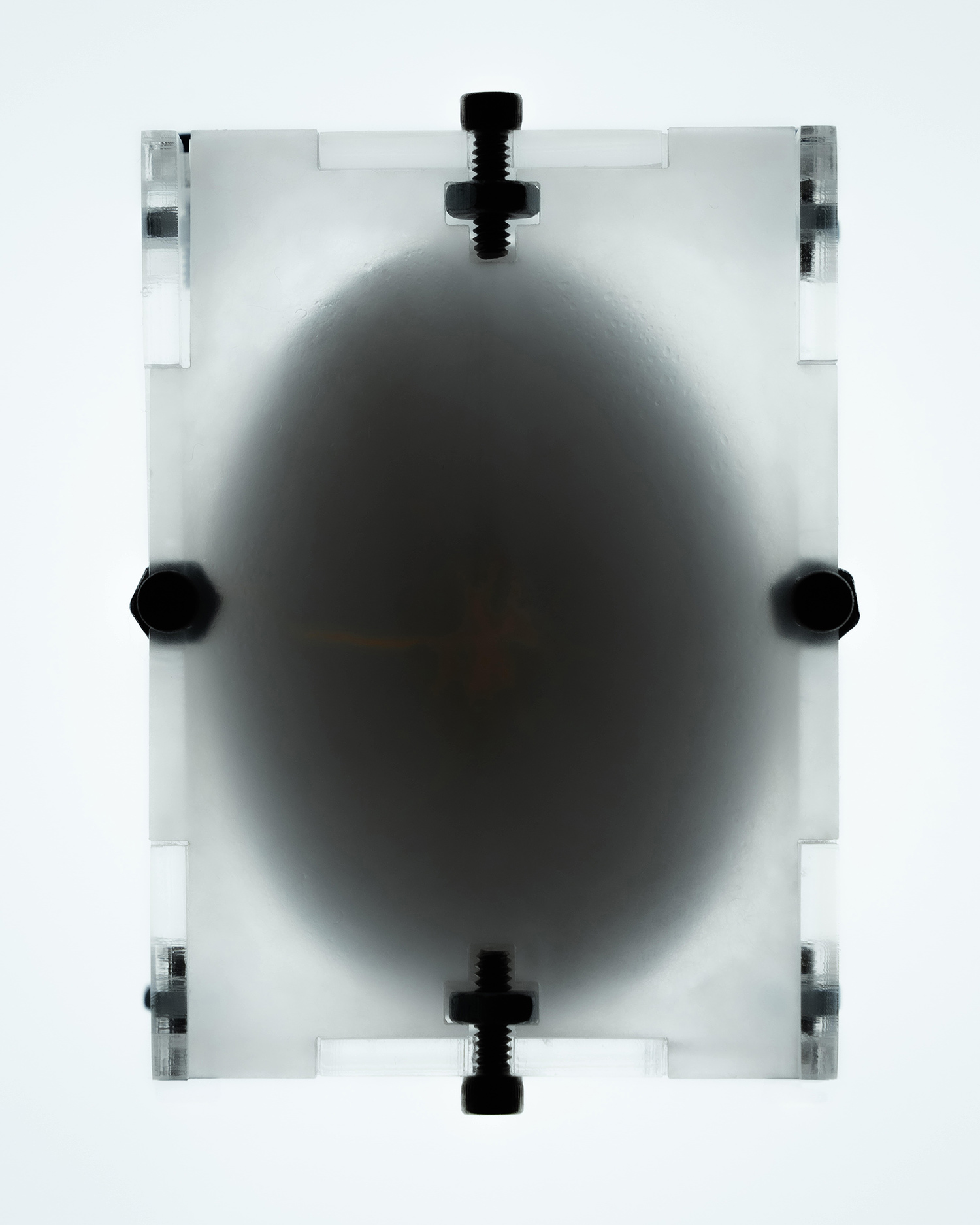
This process of selection reveals the tension between the organic and the manufactured. Wong argues that the carton itself—the physical vessel of transport—is an architectural marvel of precision. It is designed to mitigate the inherent fragility of its contents, providing a structural buffer against the stresses of modern logistics. "In this sense," Wong reflects, "I am thinking about the ways of ‘housing’ fragility."
A Chronology of Artistic Evolution
Wong’s trajectory toward Carton was not instantaneous; it was the culmination of years of academic rigor and iterative artistic experimentation.
- Formative Years (Early Life): Raised in Hong Kong, Wong’s early exposure to the dense, high-functioning urban infrastructure of one of the world’s most efficient cities provided the foundation for his fascination with "visible and invisible networks."
- Academic Pursuit (Tufts University): During his enrollment in the Combined Degree BA + BFA program, Wong shifted his focus from traditional photography to a more conceptual, research-based practice. His time at Tufts allowed him to bridge the gap between sociological theory and aesthetic execution.
- Conceptual Development (The Genesis of Carton): The series began as an inquiry into industrial logistics. Initially, Wong was interested in the physical architecture of shipping crates and protective packaging.
- The Personal Realization (The IVF Connection): As the series matured, the artist underwent a process of internal reflection that linked his artistic inquiry to his own biography. He realized that the themes of "optimization and precision" were not merely abstract concepts observed in the world, but were the very conditions of his own arrival into existence.
Supporting Data: The Science of Optimization
To understand the weight of Wong’s artistic claims, one must look at the data governing the systems he depicts. The global egg industry is a multibillion-dollar machine defined by extreme precision.
Modern "egg-sorting" technology utilizes high-speed computer vision to grade eggs based on shape, shell integrity, and color. According to agricultural research, the goal of these systems is to minimize "downstream loss"—the breakage that occurs during transport. This "housing of fragility" is a multi-layered process:
- Biological Calibration: Selective breeding ensures that the shell thickness and shape are conducive to automated handling.
- Structural Containment: The molded fiber or plastic cartons are engineered to distribute mechanical stress, effectively creating a structural cage for the egg.
- Algorithmic Sorting: Automated sensors reject any unit that deviates from the standard, creating a loop of homogeneity.
Wong’s work highlights the irony that in our effort to protect the fragile, we have constructed systems so rigid that they fundamentally alter the nature of the object being protected.
The Human Element: IVF and the Sublime
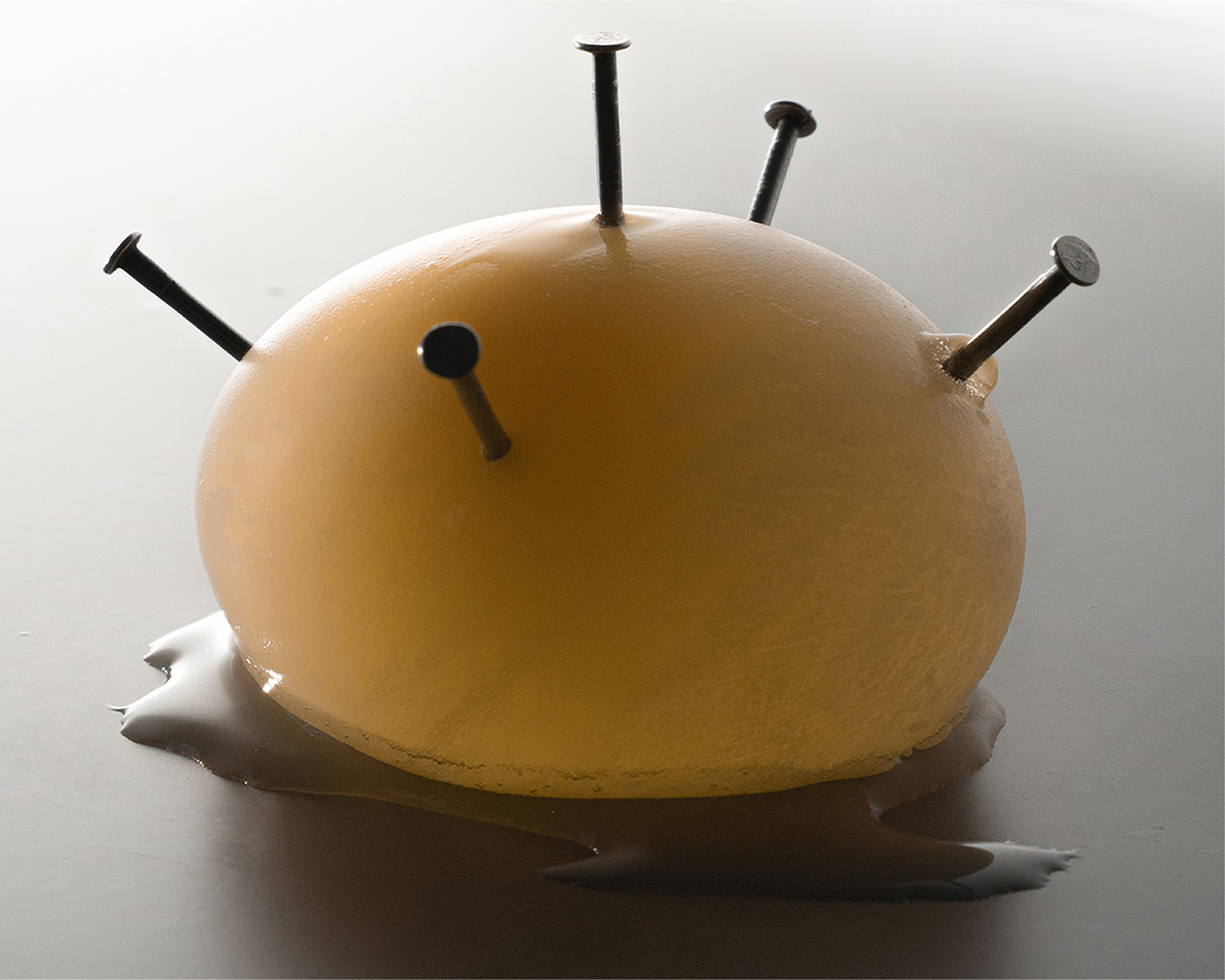
Perhaps the most startling development in Wong’s artistic narrative is the connection he drew between industrial standardization and his personal history. As a child of in vitro fertilization (IVF), Wong acknowledges that his own life began within a, perhaps more extreme, system of optimization and risk.
"I had completely overlooked the fact that perhaps these themes arose out of my own origins as a child of IVF," Wong admits. The medical process of fertilization—characterized by the careful selection of gametes, the monitoring of embryonic development in a sterile laboratory environment, and the precise timing of implantation—mirrors the industrial processes he documents in Carton.
There is, as he describes, something "strangely sublime" about the end product of such a process. It invites a complex dialogue between the natural and the synthetic. If a human life can be "optimized" through the same logic as an egg in a factory, what does that imply for our definitions of agency, destiny, and biological authenticity?
Implications for the Contemporary Art Scene
Wong’s work poses a challenge to the viewer: how do we reconcile our reliance on these infrastructures with our inherent, undeniable fragility? By placing these concepts side-by-side—the industrial egg and the human life—Wong forces an uncomfortable recognition of the systems that govern our existence.
Philosophical Implications
The work suggests that modern life is defined by a paradoxical pursuit. We build thicker, more precise "cartons" (social, technological, and medical) to protect our fragility, yet these very structures can alienate us from the organic, chaotic realities of being.
Aesthetic Implications
Visually, Wong’s work—as seen in the Carton series—utilizes a clean, almost clinical aesthetic. The compositions are deliberate, emphasizing the geometric repetition of the carton against the organic curves of the eggs. This contrast effectively communicates the tension between human intent and natural reality.
The Role of the Artist as Researcher
Wong’s success as a young artist signals a broader trend in the art world: the "Researcher-Artist." By grounding his work in deep inquiry—whether that be the physics of egg transport or the biology of reproductive technology—Wong elevates the practice from mere observation to critical social commentary.
Conclusion
Adrian Wong’s Carton is more than a series of images; it is a profound exploration of the hidden scaffolds that support modern life. By bridging the gap between the mundane infrastructure of our food systems and the deeply personal realities of his own creation, Wong has produced a body of work that resonates with the urgency of our times.
As we continue to navigate an era where technology promises to "optimize" every facet of human experience, Wong’s work serves as a necessary reminder of the fragility that remains beneath the surface. He invites us to look at the "cartons" in our own lives—the systems we accept as given—and consider what is being preserved, what is being excluded, and what is being sacrificed in the name of perfection.

In the final analysis, Wong does not offer simple answers. Instead, he provides a space for reflection—a way of holding the fragility of the world up to the light, and in doing so, finding something unexpectedly, and perhaps disturbingly, beautiful.


 Ali Ikhwan
 Jia Lissa