

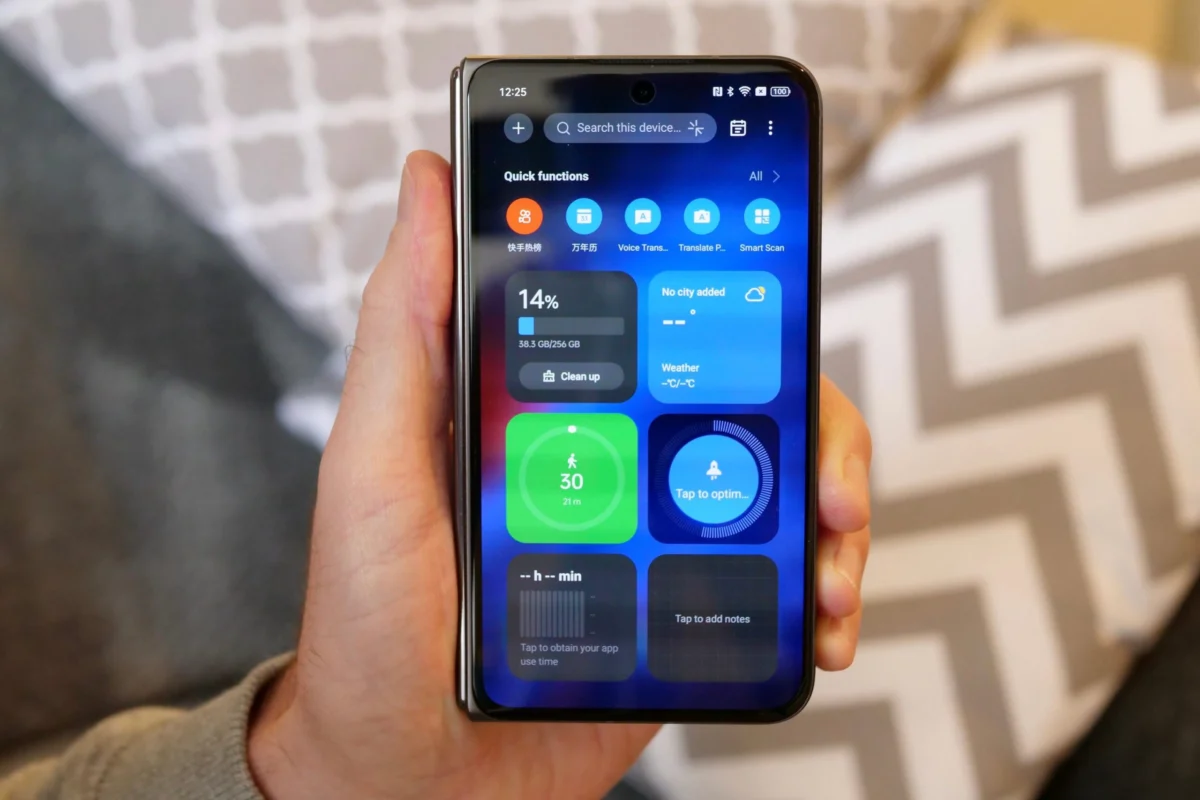
The foldable smartphone market, once a niche playground for early adopters and experimental tech, is undergoing a profound structural evolution. For years, the industry standard—championed by the Samsung Galaxy Z Fold series—favored a narrow, tall aspect ratio. This design, while distinct, often drew criticism for being cramped and awkward for traditional typing or standard app scaling.
However, the tide is turning. Recent reports indicate that the industry is pivoting toward a "passport-style," wider form factor. While Samsung and Apple are reportedly retooling their upcoming lineups to accommodate this trend, a new player has emerged in the rumors cycle: Oppo. According to leaks from the prominent Chinese tipster Digital Chat Station, Oppo is deep in the development of a wide-screen foldable, tentatively expected in the first quarter of 2027.
The Evolution of the Form Factor
To understand the significance of this shift, one must look at the trajectory of the foldable market. The original "tall and narrow" design was born out of technical necessity; engineers struggled to balance battery density, hinge durability, and screen real estate. As the technology matured, manufacturers realized that users were not just looking for a phone that turns into a tablet, but a device that handles like a standard smartphone when closed.
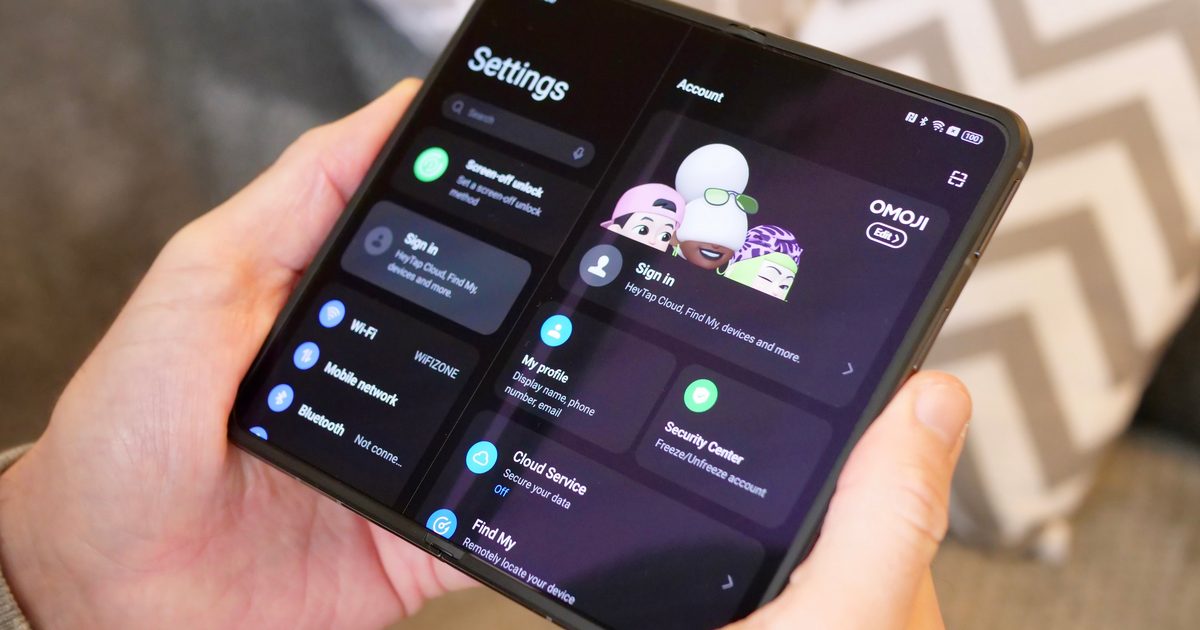
Huawei has already made significant strides in this direction with the Pura X Max, which features a 5.5-inch outer display that unfolds into a sprawling, 16:10 aspect ratio, 7.6-inch interior screen. This transition effectively bridges the gap between the compact "Flip" style devices and the massive, sometimes unwieldy "Fold" style devices. By adopting this wider canvas, manufacturers are providing a superior experience for media consumption, multitasking, and productivity.
Oppo’s Strategic Entry: The "Find N7" Speculation
While Oppo has been a quiet but formidable competitor in the foldable space, their next iteration—internally discussed as the successor to the Find N6, likely the "Find N7"—is poised to be their most aggressive play yet.
The Engine Under the Hood
The most compelling detail from the latest leaks concerns the internal hardware. The device is expected to debut with the unannounced Qualcomm Snapdragon 8 Gen 6 (model number SM8950). More importantly, the inclusion of a dedicated AI accelerator is set to be a cornerstone feature. As on-device artificial intelligence becomes the primary battleground for smartphone manufacturers, the ability to process complex models locally—without relying on the cloud—will be a massive selling point for power users and enterprise clients.
A Battery Breakthrough
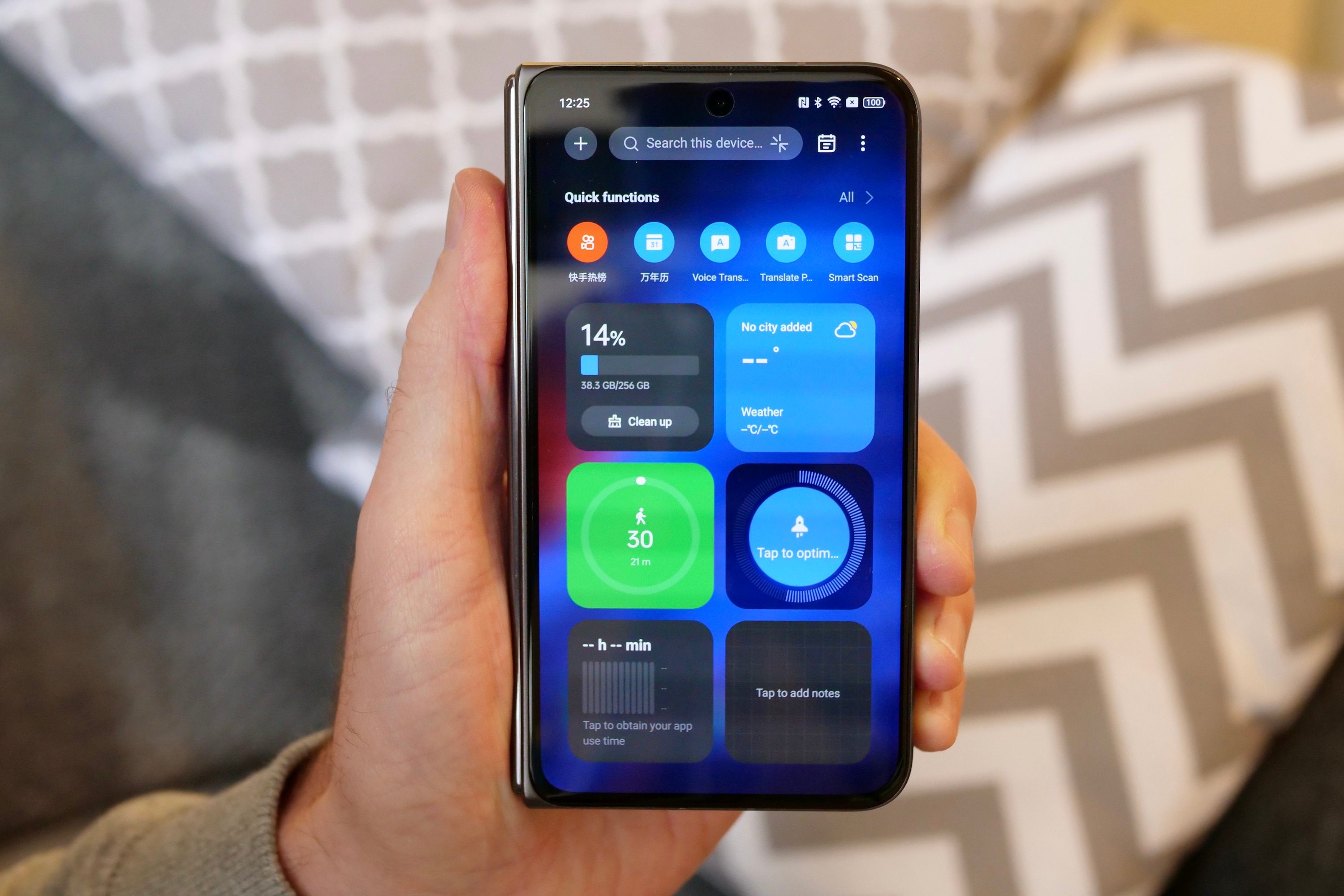
Perhaps the most ambitious claim regarding the upcoming Oppo foldable is the battery capacity: an estimated 6,500mAh. For context, this is a significant leap over current industry leaders. The Motorola Razr Fold, widely praised for its endurance, currently tops out at 6,000mAh. To achieve this in a foldable chassis without turning the device into an unwieldy brick, industry experts suggest that Oppo will likely leverage advanced silicon-carbon battery technology. This chemistry allows for higher energy density in a smaller physical volume, effectively solving the "thinness vs. power" paradox that has plagued foldables since their inception.
Chronology of the Foldable Pivot
The transition toward wider aspect ratios did not happen overnight. The industry has been trending toward this design language through a series of iterative releases:
- 2023: Oppo releases the Find N2, which experimented with a wider, more ergonomic outer screen compared to the Samsung Galaxy Z Fold 4. It served as a proof of concept for the "passport" form factor.
- 2024-2025: Competitors like Huawei launch ultra-thin, wide-screen models, proving that consumers preferred a more natural, phone-like experience when the device is closed.
- 2026: Samsung faces increased pressure to refine the Galaxy Z Fold 8, with rumors intensifying that the "Ultra" variant will adopt a significantly wider footprint to compete with Chinese OEMs.
- 2027 (Projected): Oppo is expected to launch its wide-screen flagship, focusing on AI-integrated performance and class-leading battery capacity to capture the premium market segment.
Implications for the Market
The move toward wider foldables has profound implications for software developers and the broader mobile ecosystem. For years, Android developers were forced to create two versions of their apps: one for standard screens and one for the awkward, narrow aspect ratios of early foldables. A standardized "wide" ratio simplifies the UI/UX design process, allowing for more consistent app scaling.
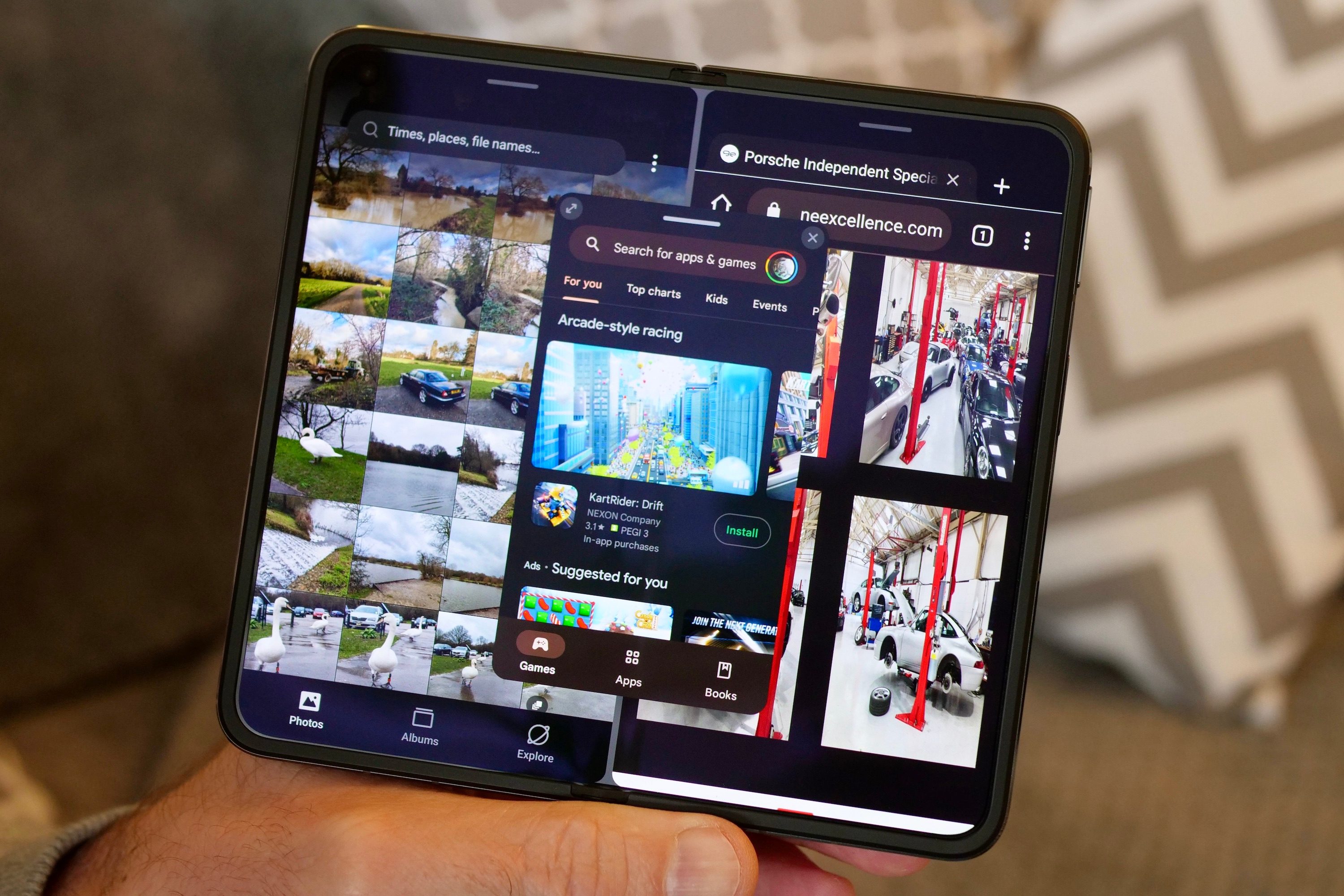
Furthermore, this pivot suggests that the foldable category is finally reaching its "mature" phase. The initial novelty—the "wow" factor of a folding screen—has worn off. Consumers are now demanding the same ergonomics, battery life, and camera quality as their non-folding flagships. By focusing on battery longevity and AI integration, Oppo is signaling that the next era of foldables will be defined by utility rather than gimmickry.
The Competitive Landscape: Samsung and Apple
The presence of Apple in the rumor mill regarding a foldable iPhone is perhaps the most significant indicator of the category’s legitimacy. If Apple proceeds with a wide, passport-like design, it will effectively cement this as the "correct" way to build a foldable.
Samsung, meanwhile, is in a precarious position. As the incumbent king of the foldable market, their upcoming Galaxy Z Fold 8 and Z Fold 8 Ultra are expected to be make-or-break devices. If they fail to address the ergonomic concerns that have pushed users toward wider Chinese alternatives, they risk losing the "power user" demographic that has fueled their growth for years.

Conclusion: The Path Ahead
While technical specifications like the Snapdragon 8 Gen 6 and the 6,500mAh battery remain subject to change, the direction of the industry is clear. The era of the "tall, skinny" foldable is drawing to a close.
Oppo’s potential entry into this space with a high-performance, long-lasting device suggests that the company is aiming to move beyond its role as a regional challenger and into the position of a global trendsetter. For the average consumer, this is an unequivocal win. As the competition heats up between Apple, Samsung, and Oppo, the beneficiaries will be the users, who can finally look forward to foldable phones that offer the screen real estate of a tablet without sacrificing the comfort and endurance of a daily-driver smartphone.
Whether or not the "Find N7" lives up to these lofty expectations will depend on how successfully Oppo balances its advanced AI capabilities with the physical constraints of a foldable hinge. However, one thing is certain: the "wide foldable" party has officially begun, and the guest list is growing more crowded by the day.











