Nana Wu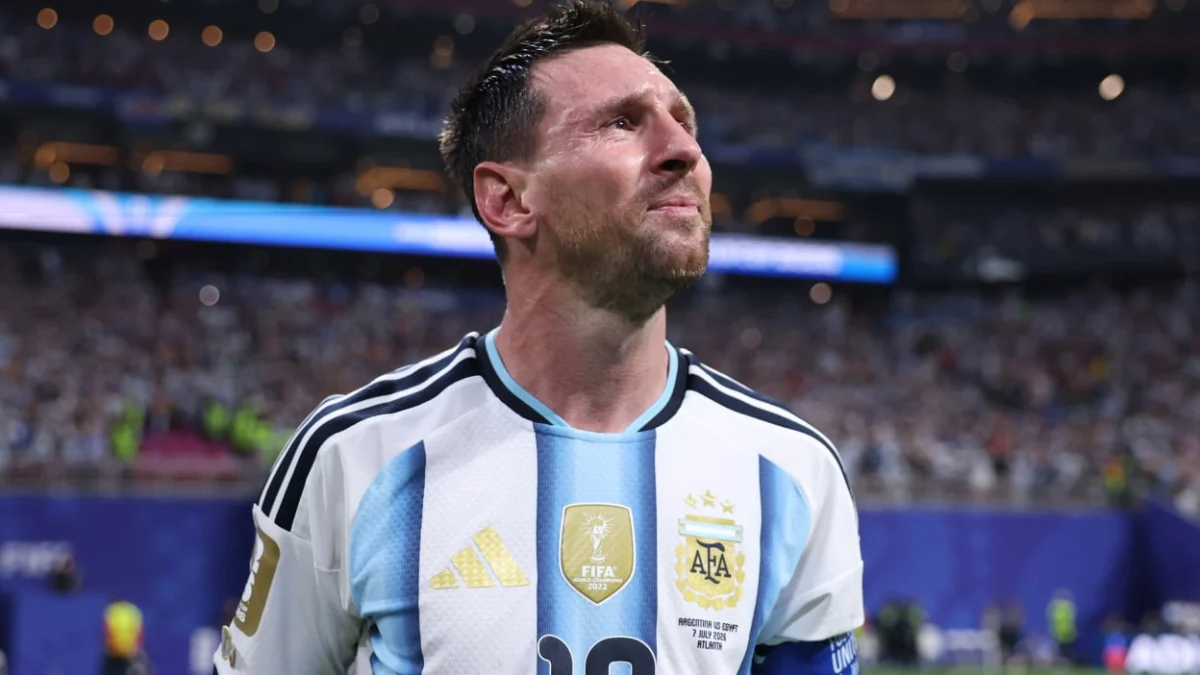
Spend a few minutes scrolling through the "World Cup" side of TikTok or navigating the volatile discourse on X (formerly Twitter), and a recurring narrative becomes impossible to ignore: the world—or at least the digital manifestation of it—appears to be united in its opposition to Argentina.
While Lionel Messi remains one of the most revered icons in sporting history, the national team he leads has become the lightning rod of the 2026 World Cup. To many online observers, Argentina is no longer just the defending champion; they have been cast as the tournament’s "heel," a team that seems to exist in a perpetual state of controversy, officiating luck, and perceived arrogance. However, as the digital dust settles, it becomes clear that this backlash is far more complex than simple sports rivalry. It is a collision of geopolitical history, evolving national identities, and the unique way social media compresses decades of tension into 90-second viral clips.
The Catalyst: A Tournament of Discontent
The current wave of anti-Argentina sentiment reached a fever pitch following their 3-2 comeback victory over Egypt in the Round of 16. The match was marred by high-stakes VAR interventions and officiating calls that left the Egyptian squad—and a massive global audience—furious.
In the immediate aftermath, Egypt filed a formal complaint with FIFA, alleging that the officiating was biased toward ensuring the survival of the tournament’s biggest star. Head coach Hossam Hassan did not mince words, publicly bemoaning an "injustice" that he felt was engineered to keep Lionel Messi in the competition. While FIFA has not substantiated these claims, the optics were poor. A subsequent BBC Sport analysis concluded that while the officiating was indeed inconsistent, it did not constitute a formal conspiracy. However, the damage to public perception was done, further cemented by the decision to appoint an all-Argentine officiating crew for the France-Morocco quarterfinal—a move that many neutral observers labeled as a major administrative oversight.
A Chronology of Friction
The current vitriol did not emerge in a vacuum; it is the latest chapter in a long-running saga of friction between Argentina and the global football community.

- The Historical Context: For decades, Argentine football has been defined by a mix of brilliance and brinkmanship. From the "Hand of God" in 1986—which many in England still view as a direct insult—to the intense, often bitter rivalries with Brazil and Uruguay, Argentina has long occupied a polarizing space in the global psyche.
- The 2024 Copa América Aftermath: Tensions boiled over following the 2024 Copa América victory, where chants by Argentine players targeting the French national team’s diversity led to a formal complaint by the French Football Federation. The incident forced an apology from Enzo Fernández and prompted internal disciplinary action from his club, Chelsea.
- The 2026 World Cup Cycle: As the tournament kicked off, the atmosphere was already charged. The ongoing investigation into alleged racist abuse directed at creator iShowSpeed during the match against Cape Verde served as a flashpoint, turning a sporting event into a broader conversation about race, discrimination, and the cultural image of Argentina.
The Geography of Resentment
The World Cup occupies a unique position in global culture. Unlike club football, which is built on municipal pride and league standings, the World Cup forces entire nations into a proxy war of identity.
Writer Franklin Foer, in his seminal work How Soccer Explains the World, argued that the sport acts as a mirror for nationalism and historical conflict. For the modern fan, an Argentina match is never just a game. To a Mexican fan, it is a reminder of repeated World Cup eliminations. To a Brazilian, it is a battle for continental hegemony. To a European viewer, it is often seen through the lens of a "cultural gap."
Furthermore, sociologists have long noted that Argentina’s historical self-identification as a "uniquely European" nation has created friction with its Latin American neighbors. This self-image, which critics argue has historically minimized or erased the nation’s Black and Indigenous roots, has become a frequent topic of debate in the digital sphere. When online discourse turns toward Argentina, it often bypasses the soccer pitch and enters the realm of sociology, with users dissecting the country’s racial history as part of the reason for their animosity toward the team.
Official Responses and FIFA’s Dilemma
The burden of managing these tensions rests heavily on FIFA. The governing body’s handling of the Egypt controversy and the officiating assignments has faced intense scrutiny. In the modern era, the "integrity of the game" is measured not just by the scoreline, but by the optics of fairness.
FIFA’s silence on certain allegations and its perceived failure to address the systemic nature of the complaints—such as the appointment of the all-Argentine officiating crew—has fed the "conspiracy" narrative. By failing to provide transparent explanations, FIFA has inadvertently allowed the internet to fill the vacuum with speculation, which, in the algorithm-driven age of social media, spreads significantly faster than official press releases.

The Impact of Digital Echo Chambers
Social media has fundamentally altered how we consume the World Cup. On platforms like TikTok and X, nuanced arguments are flattened into memes and viral soundbites. If a creator posts a video highlighting a bad call, the algorithm serves it to thousands of people who already harbor skepticism toward Argentina.
This leads to a feedback loop where "everyone hating Argentina" becomes a self-fulfilling prophecy. When a fan sees thousands of posts echoing the same sentiment, it reinforces their own bias, regardless of whether they have seen the full match or understood the context. This "fandom fatigue"—the simple exhaustion of seeing one team or player dominate the headlines for years—also plays a massive role. After nearly two decades of the Messi era, a segment of the audience is simply ready for a new story to be written, and the easiest way to facilitate that is to root for the "villain" to fall.
Implications for the Future of the Sport
The hostility directed at Argentina is not merely a temporary trend; it represents a fundamental shift in how the World Cup is experienced. The tournament has become a digital battlefield where 90 minutes of gameplay are dissected through hours of social media debate.
As the tournament moves into its final stages, the pressure on the Argentine team is immense. They are not only playing against opposing squads on the pitch; they are playing against a global perception that has been carefully constructed in the digital arena. For the governing bodies, this presents a significant challenge: how to maintain the prestige of the tournament when the fans themselves are increasingly skeptical of the process.
Ultimately, the phenomenon of "rooting against Argentina" is a testament to the power of the World Cup. It remains the only event on earth capable of bringing together millions of people to debate, argue, and obsess over a single point of conflict. Whether the criticism is justified or simply a byproduct of an internet that thrives on polarization, one thing is certain: the conversation surrounding Argentina is now as important as the goals they score. As we look toward the final whistle, the question is not just who will lift the trophy, but what the legacy of this "villain" narrative will be for the future of international football.

 Neng Nana
 Ammar Sabilarrohman