

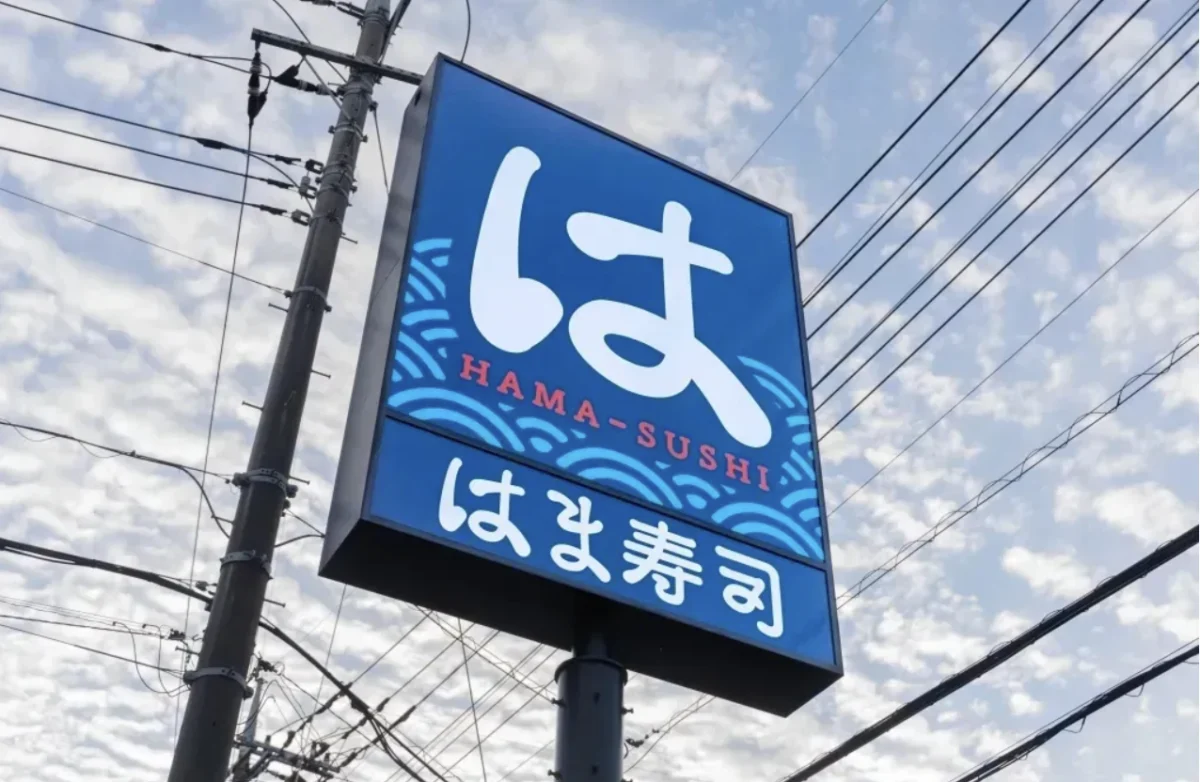
The foundation of Japanese society—and by extension, its world-renowned service industry—rests upon a tacit social contract: the belief that citizens will operate with mutual respect, consideration, and hygiene. Nowhere is this reliance more apparent than in the nation’s ubiquitous conveyor-belt sushi (kaiten-zushi) restaurants. These establishments rely on an honor system where food travels along an open track, operating under the assumption that patrons will refrain from disruptive or unsanitary behavior.
However, this delicate balance of trust was shattered recently when a 43-year-old resident of Moroyama, Saitama Prefecture, prioritized social media clout over public decency. The man, who remains unemployed, has been arrested following the publication of a video depicting a disturbing "prank" at a local branch of Hama Sushi, one of the nation’s largest sushi chains. The incident serves as a stark reminder of the legal and societal consequences awaiting those who attempt to leverage the reputation of businesses for digital attention.
The Incident: A Bid for Viral Fame
On May 27, a video surfaced on TikTok that immediately drew the ire of the Japanese public. The footage showed a man sitting at a Hama Sushi branch, holding a bottle labeled as dishwashing liquid. In a calculated move designed to garner views, the man squirted the viscous liquid onto a plate of sushi as it passed his seat.
The reaction was swift. Within a week, the Saitama Prefectural Police had identified the perpetrator through digital forensics and internal restaurant data. By early June, the man was taken into custody on charges of "forced obstruction of business"—a serious offense in Japan that carries significant legal weight. Upon his arrest, the man admitted to the act, offering the motive that he simply wanted to "get a lot of views on social media."
The Modern Mechanics of Kaiten-Zushi
To understand why this incident caused such a visceral reaction, one must look at how the modern conveyor-belt sushi industry operates. In the past, sushi was prepared in bulk and left to circulate on the belt, waiting for a hungry diner to pick it up. This model, while nostalgic, was inefficient and prone to food waste.
In recent years, the industry has undergone a technological revolution. Most modern chains, including Hama Sushi, have shifted to an "order-on-demand" system. Using touchscreens or mobile apps, customers request specific items, which are then prepared fresh and sent via an automated, high-speed delivery belt directly to the customer’s table.
In the case of the Moroyama incident, the sushi targeted by the man was indeed an order meant for his own table. However, the legal and social implications remain grave. By squirting an unknown substance onto a plate while it was still traveling along the main thoroughfare of the restaurant, he created a hazard for the entire dining environment. The potential for the liquid to splash onto adjacent tracks, other patrons’ food, or the mechanical components of the delivery system itself constitutes a direct interference with the restaurant’s ability to provide a safe and sanitary service.
The suspect claimed, post-arrest, that the bottle had been emptied of soap and refilled with water. However, this defense is largely irrelevant in the eyes of the law. The act of simulating a health violation is, in itself, a form of "sushi terrorism" that forces the business to halt operations, sanitize equipment, and address the public perception of contamination.
The "Sushi Terrorism" Phenomenon: A Chronology
The Moroyama incident did not occur in a vacuum. It is the latest chapter in a trend that began to gain notoriety in early 2023. During that period, Japan witnessed a "rash" of copycat prank videos that swept across social media platforms like TikTok and X (formerly Twitter). These videos, which featured individuals licking soy sauce bottles, touching food as it passed by, or placing foreign objects on dishes, earned the derogatory but apt moniker of "sushi terrorism."
2023: The Year of the Prank Crisis
- January 2023: A viral video showing a teenager licking a communal soy sauce bottle at a Sushiro branch in Gifu Prefecture led to a massive public outcry and a plummeting stock price for the chain’s parent company.
- February 2023: Legal experts and law enforcement began issuing formal warnings. Police in several prefectures made the first arrests specifically targeting these pranks, signaling that the "boys will be boys" era of social media behavior was over.
- Late 2023: As arrests mounted and businesses began installing surveillance cameras and protective barriers, the frequency of these pranks saw a significant decline.
- May/June 2024: The Moroyama incident represented a resurgence of this behavior, proving that despite the high-profile arrests of the previous year, the allure of viral fame continues to tempt some individuals into criminal activity.
Official Responses and Corporate Strategy
The response from the parent company of Hama Sushi, Zensho Holdings, has been uncompromising. In a formal statement released following the arrest, the company characterized the man’s actions as "utterly unacceptable." Zensho emphasized that they would continue to provide full cooperation to the police and the judiciary to ensure that the perpetrator faces the maximum extent of the law.
The industry has moved beyond mere complaints. Major sushi chains have invested millions of yen into:
- Surveillance Technology: AI-enhanced camera systems that detect non-standard behavior on the belt.
- Infrastructure Changes: Implementing covers or "lids" for sushi plates to prevent airborne or physical contamination.
- Strict Legal Prosecution: Establishing a zero-tolerance policy where any individual caught tampering with food is immediately reported to the police, with the company pursuing civil damages for the resulting loss of business and reputation.
The Broader Implications for Japanese Society
The ripple effects of "sushi terrorism" extend far beyond the bottom line of a restaurant chain. They strike at the heart of Japanese "high-trust" society. In a culture where public order is maintained through internal self-regulation, the rise of individuals who prioritize their own "internet presence" over the collective good is viewed as a systemic threat.
1. Economic Impact
When a video of poor hygiene goes viral, the restaurant’s brand value suffers instantly. Customers, fearing for their health, avoid the chain, leading to decreased revenue and lower stock valuations. This impact forces companies to divert funds away from innovation and toward security and legal defense.
2. Legal Precedent
The use of "forced obstruction of business" charges is a clear signal from the Japanese legal system. By treating these incidents as crimes rather than "pranks," the government is setting a precedent that digital platforms do not grant immunity from the law. This shift is essential for restoring public confidence in the safety of the kaiten-zushi experience.
3. Cultural Shift
There is a growing national conversation in Japan regarding the ethics of the creator economy. Educators, parents, and community leaders are increasingly debating how to teach digital literacy, emphasizing that the virtual world has real-world consequences. The shame associated with these arrests is intended to act as a deterrent, reminding the public that one’s "fifteen minutes of fame" is not worth a permanent criminal record.
Conclusion
The arrest of the 43-year-old man in Saitama is a sobering reminder that society’s reliance on trust is not a weakness, but a vulnerability that must be protected. While technology has allowed for the rapid expansion and efficiency of the sushi industry, it has also provided a megaphone for the reckless.
As Japan moves forward, the message from the authorities is clear: the era of "sushi terrorism" is being met with the full force of the law. For businesses, the focus remains on regaining the absolute trust of their customers through enhanced security and rigorous standards. For the public, the incident serves as a cautionary tale: in the digital age, true consideration—and the law—must always prevail over the pursuit of likes and views. The survival of Japan’s beloved conveyor-belt sushi culture depends on it.












No comments yet. Be the first to join the conversation!