In the evolving landscape of professional networking, LinkedIn has transitioned from a simple digital resume repository into a dynamic content ecosystem. As the platform cements its status as a primary source of data for Large Language Models (LLMs) and generative AI tools, the rules for visibility have shifted. LinkedIn has recently unveiled a comprehensive strategic framework designed to help creators and brands maximize their reach, engagement, and, crucially, their "AI discoverability."
For professionals and organizations alike, the message is clear: success is no longer just about what you say, but how you structure, time, and maintain your presence.
Main Facts: The New Rules of Engagement
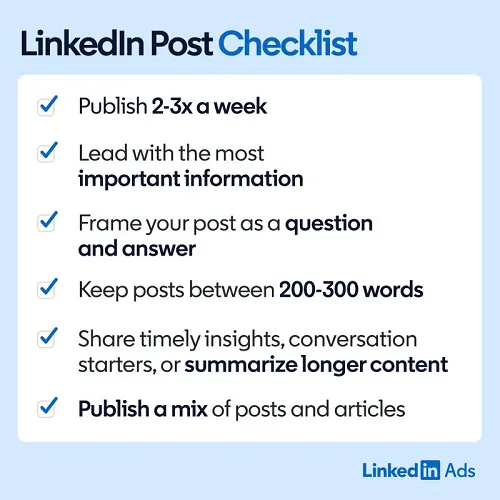
LinkedIn’s latest guidance serves as a definitive checklist for anyone looking to increase their footprint on the platform. The core strategy revolves around three pillars: frequency, depth, and structural clarity.
The platform explicitly suggests a cadence of two to three high-quality posts per week. While the temptation to post daily—or hourly—exists, LinkedIn emphasizes that consistency is the primary driver of reach. A regular, predictable schedule signals to the algorithm that a user is an active, reliable contributor, which in turn fosters a higher trust score for the account.
Beyond frequency, the platform is pushing for greater content length. While short-form posts have their place, LinkedIn is now advocating for more substantive, longer-form updates that offer deeper insights. This shift is designed to encourage high-quality discourse, keeping users within the app for longer periods while simultaneously providing more data for AI systems to crawl, index, and reference.
Chronology: From Static Profiles to Dynamic Feeds
To understand the current state of LinkedIn strategy, one must look at the platform’s trajectory over the past several years.
- The Early Years: LinkedIn was largely a static repository for CVs and job postings.
- The Creator Era: Around 2020, LinkedIn pivoted toward a creator-first model, introducing tools like newsletters, creator mode, and advanced analytics. This era prioritized personal branding over corporate broadcasting.
- The AI Integration: In the last 18 months, LinkedIn has positioned itself as the "authoritative voice" for the professional world. As AI chatbots (like ChatGPT, Claude, and Gemini) began training on vast datasets, LinkedIn’s unique, expert-driven content became a goldmine for these models.
- The Current Optimization Phase: Following the realization that LinkedIn content is one of the most referenced sources for AI answers, the platform is now actively coaching its users on how to "write for the machines" without losing the "human touch."
Supporting Data: Why Structure Matters
The platform’s data suggests that the way a post is written dictates its lifecycle. LinkedIn VP of Marketing Davang Shah has been instrumental in translating technical SEO requirements into actionable advice for human creators.
The Power of the First Line
One of the most vital takeaways from recent platform updates is the significance of the first sentence. LinkedIn’s backend systems use the opening line of a post to generate its URL.
- The Pitfall: Starting with hashtags like #ProfessionalDevelopment or #Networking creates a generic URL that fails to provide context to search engines or AI crawlers.
- The Strategy: Lead with your strongest keywords. If your post is about "sustainable supply chain logistics," that phrase should be at the very beginning. This transforms the URL into a semantic signal, making your content significantly more likely to be retrieved by an AI when a user asks a query on the topic.
The "First Hour" Rule
Engagement is not a static metric; it is a time-sensitive currency. LinkedIn’s research indicates that interaction within the first 60 minutes of posting is a critical determinant of long-term distribution. By responding to comments, asking follow-up questions, and fostering a conversation immediately after publishing, creators trigger a "positive feedback loop."
This is not merely for the human algorithm; it is a signal to AI retrieval systems that the post is "alive" and authoritative. High-quality, insightful comments—those that provide perspective rather than just emojis—are treated as high-value metadata that increases the post’s relevance score.
Official Responses and Expert Insights
LinkedIn leadership has been vocal about the necessity of adapting to an AI-augmented future. Davang Shah notes that the goal of these guidelines is not to turn users into robots, but to ensure that high-value human expertise is not "lost in translation" when processed by machines.
"Engagement signals in the first 24 hours influence how widely a post is distributed," Shah stated in a recent advisory. He emphasized that the goal is to create "high-quality comments"—conversations that add to the dialogue. When a post generates a thread of intelligent, diverse perspectives, it becomes a stronger candidate for AI retrieval. Essentially, if an AI is asked a question about a specific professional trend, it is more likely to cite a post that has fostered a deep, multi-perspective discussion than a post that received hundreds of "likes" but zero substantive comments.
Furthermore, the platform recommends the repurposing of top-performing content. If a particular topic or format has historically performed well, creators should look to expand upon it in new formats, such as converting a text-heavy post into a carousel or a long-form article.
Implications: The Future of Professional Content
The implications of these changes are profound for both personal brands and corporate entities.

1. The Death of the "Generic" Post
The era of the "low-effort" post is ending. Algorithms—and by extension, the AI systems they feed—are becoming increasingly adept at filtering out "fluff." If your content does not contain original insights, clear formatting, or logical structure, it will be deprioritized. Users must now treat every update as a mini-article, complete with a hook, a clear argument, and a conclusion.
2. Formatting as a Competitive Advantage
The shift toward short paragraphs, bullet points, and numbered lists is not just about aesthetics. It is about "readability" for machines. AI models prefer content that is logically chunked because it allows the model to map the information more accurately. Creators who embrace clear, scannable formatting will see their content ranked higher in both platform search and external AI-driven search results.
3. The "AI-First" Mindset
We are moving toward a paradigm where you are writing for two audiences simultaneously: the professional colleague and the AI engine. By following the "keyword-first" URL strategy and focusing on high-quality engagement, professionals can effectively "SEO" their personal brands.
4. Sustainability and Longevity
The advice to focus on consistency rather than intensity suggests that LinkedIn is trying to curb burnout. By recommending two to three posts per week, the platform is acknowledging that the "hustle culture" of daily posting is unsustainable and often results in lower-quality content. This shift encourages creators to put more time into fewer, better pieces of content, which benefits the overall health of the platform’s ecosystem.
Final Recommendations for Creators
To successfully navigate this new landscape, creators should adopt a structured approach to their content calendar:
- Audit Your Headlines: Look back at your recent posts. Did you lead with a hashtag or a keyword? If you led with a hashtag, consider how you can rewrite your upcoming content to lead with a strong, search-friendly phrase.
- Standardize Your Format: Adopt a template that uses short paragraphs and lists. This makes your content more accessible to the average reader and more indexable for the machine.
- Cultivate Conversations: Move away from "broadcast" posts. Every post should end with a specific question designed to elicit a thoughtful response. When the comments roll in, dedicate time to engage with them thoughtfully.
- Leverage Long-Form: Don’t ignore the LinkedIn Article feature. For complex topics, this is your best tool for establishing domain authority and feeding the AI systems with the high-quality, long-form data they crave.
In conclusion, the path to visibility on LinkedIn in 2024 is through intentionality. By aligning your content strategy with the needs of both the human reader and the AI algorithm, you can ensure that your voice remains relevant, discoverable, and authoritative in an increasingly crowded digital landscape.