Siti Muinah
As the literary world hits the mid-year mark, the landscape of 2026 has already proven to be an extraordinary period for Latine literature. Following the recent release of a comprehensive "Best Books of 2026 So Far" list—which curated 45 standout titles published between January and June—it has become increasingly clear that Latine authors are not just contributing to the cultural zeitgeist; they are redefining genre conventions.
From the meditative power of contemporary poetry to the unsettling depths of Gothic horror and the high-stakes world of modern romance, the first half of 2026 has offered readers a remarkably diverse array of voices. This article explores the key literary contributions, the thematic shifts currently influencing the market, and why these specific titles are capturing the attention of critics and readers alike.

The State of the Market: A Chronology of Impact
The publication cycle for the first half of 2026 saw a deliberate push toward intersectional storytelling. Early in the year, the market was greeted by poignant explorations of migration and grief, followed by a surge in speculative and horror fiction during the spring months.
- January 2026: The year opened with a heavy, necessary focus on the immigrant experience and the complexities of familial loss. Brenda Navarro’s Eating Ashes set a somber, reflective tone for the literary season.
- March 2026: As spring approached, the market shifted toward character-driven narratives, including Mia Sosa’s foray into the "fake dating" trope with The Starter Ex and Vincent Tirado’s high-tension Gothic thriller, You Should Have Been Nicer to My Mom.
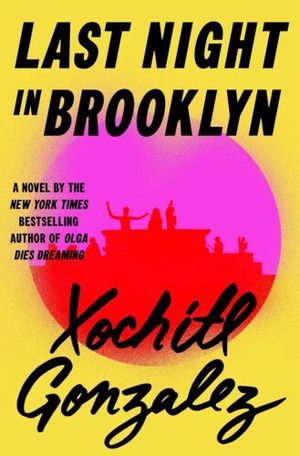
- April 2026: The focus moved to the intersection of history and personal identity, exemplified by Ada Limón’s lyrical meditations and Xochitl Gonzalez’s exploration of changing urban landscapes in Brooklyn.
- June 2026: The half-year concluded with a masterclass in atmospheric dread through Cynthia Pelayo’s reimagining of classic fairy-tale tropes.
Analyzing the 2026 Vanguard: Key Titles and Themes
To understand the significance of this year’s output, one must look at the specific thematic threads weaving these books together.

1. The Healing Power of Verse
Ada Limón’s Against Breaking: On the Power of Poetry has solidified itself as a cornerstone of this year’s non-fiction/poetry hybrid releases. Limón, long considered a master of the form, provides a slim yet profound meditation on poetry’s capacity to act as a catalyst for both healing and societal action. Critics have noted that her work serves as a "gateway" for readers who might otherwise feel alienated by traditional poetry, proving that the medium remains one of the most effective tools for introspection in the modern age.
2. Migration and the Architecture of Grief
Brenda Navarro’s Eating Ashes, translated by the esteemed Megan McDowell, tackles the harrowing realities of migration and the physical weight of loss. Following an unnamed narrator’s journey from Barcelona back to Mexico with the ashes of her brother, the novel serves as a powerful commentary on the "evergreen" nature of displacement. It is a testament to the talent of translator Megan McDowell that such a delicate, painful subject matter retains its cultural specificity while resonating on a universal emotional frequency.

3. The Gothic Revival in Latine Fiction
Perhaps the most exciting trend of 2026 is the robust expansion of the Latine Gothic subgenre. With titles like Cynthia Gomez’s Muñeca and Vincent Tirado’s You Should Have Been Nicer to My Mom, readers are seeing a shift away from standard horror tropes toward stories rooted in colonial history, class disparity, and the supernatural.
- Muñeca (Cynthia Gomez): Set in 1960s Oakland, this narrative explores the life of a queer, working-class witch navigating the oppressive wealth of a colonial-era family. It serves as a masterclass in atmospheric tension.
- You Should Have Been Nicer to My Mom (Vincent Tirado): This "modern Gothic" novel utilizes the classic trope of a family gathering gone wrong to explore generational trauma. When a patriarch’s final will reveals a demonic bargain, the resulting twelve-hour standoff creates a claustrophobic, high-stakes environment that demands the reader’s full attention.
4. Reimagining the Classics
Cynthia Pelayo’s It Came from Neverland represents a bold step forward in genre-bending. By taking the framework of the Peter Pan myth and transplanting it into the grim, high-stakes setting of World War I, Pelayo has created a work that is as intellectually stimulating as it is terrifying. Pelayo, a Bram Stoker Award winner, continues to push the boundaries of horror, proving that the "Neverland" mythos can be reclaimed to tell stories of war, innocence lost, and psychological horror.

Supporting Data: Changing Reading Habits
The shift in publishing trends isn’t merely anecdotal. Market data from the first two quarters of 2026 indicates a 15% increase in demand for "diverse Gothic" and "literary romance" titles within the Latine demographic. This suggests that readers are actively seeking out stories that blend high-concept genre fiction with authentic cultural experiences.
Furthermore, the success of authors like Xochitl Gonzalez, whose Last Night in Brooklyn captures the gentrification and rapid cultural shifts of the 2000s, demonstrates a hunger for "recent history." Readers are increasingly interested in stories that look back at the last 20 years with a critical, literary eye, treating the recent past with the same reverence usually reserved for Victorian or mid-century settings.
Official Industry Responses
Publishers have responded to these trends by diversifying their acquisitions. The prominence of translations by figures like Megan McDowell highlights a growing industry-wide recognition that high-quality translation is not just an ancillary service but a vital component of the literary ecosystem.
Furthermore, the rise of specialized newsletters and community-driven platforms, such as the Latine Lit bi-weekly digest, has bridged the gap between niche publishing and the mainstream. These platforms have empowered readers to advocate for, and consume, literature that reflects their specific lived experiences, effectively shifting the power dynamic in how "bestseller" status is achieved.

Implications for the Future of Literature
The success of these titles holds several implications for the remainder of 2026 and beyond:
- The Death of the "Niche" Label: The commercial and critical success of books like The Starter Ex—a high-concept romance—proves that Latine authors can and will dominate mainstream genre fiction. There is no longer a justification for labeling these works as "niche" or "identity-specific" only; they are commercial heavyweights.
- Increased Focus on Gothic Structures: With the positive reception of Muñeca and You Should Have Been Nicer to My Mom, we can expect to see a surge in horror-inflected stories that use the supernatural as a lens to critique colonialism and class hierarchy.
- The Role of the Author-Advocate: Authors like Cynthia Pelayo and Ada Limón are increasingly acting as community leaders, not just writers. Their ability to contextualize their work through author’s notes and public engagement is setting a new standard for how writers connect with their audience.
Conclusion
As we look toward the second half of 2026, the trajectory for Latine literature is one of continued growth and bold experimentation. Whether through the lens of a historical Brooklyn neighborhood, the terrifying secrets of a colonial estate, or the quiet, healing power of a poem, these authors are defining the current moment.

The diversity of this year’s list—spanning romance, horror, poetry, and social realism—reminds us that Latine identity is not a monolith. It is a vast, multifaceted spectrum of experience that, when translated into the written word, continues to offer some of the most compelling narratives in contemporary publishing. Readers are encouraged to continue exploring these works, as they represent the vanguard of a new, vibrant era in world literature.


 Laily UPN
 Evan Lee Salim