As the release date for DC Studios’ highly anticipated horror-thriller Clayface looms on the horizon, anticipation among comic book enthusiasts and horror aficionados has reached a fever pitch. Despite the relative silence from the studio following the initial teaser trailer, the project remains one of the most intriguing entries in the modern DC cinematic landscape. With San Diego Comic-Con approaching, industry insiders expect a deluge of new details to clarify the film’s tone, scope, and, most importantly, its fidelity to the character’s iconic, grotesque origins.
The Core Inquiry: Will the Monster Emerge?
For months, the central debate surrounding the film has focused on the transformation of protagonist Matt Hagen, portrayed by Tom Rhys Harries. Fans of the source material—specifically the seminal Batman: The Animated Series—have long wondered if this big-screen iteration would embrace the visceral, Cronenbergian body horror that defined the character’s most famous appearances.
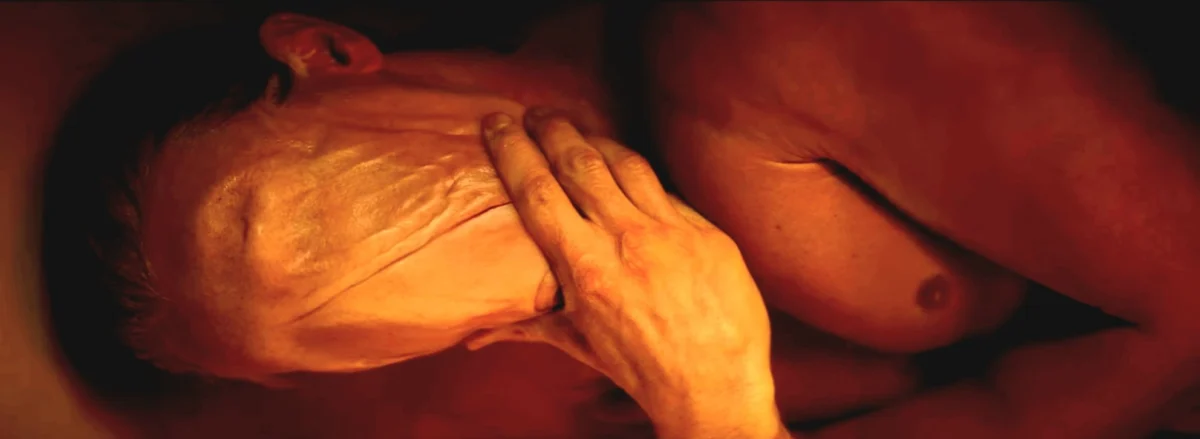
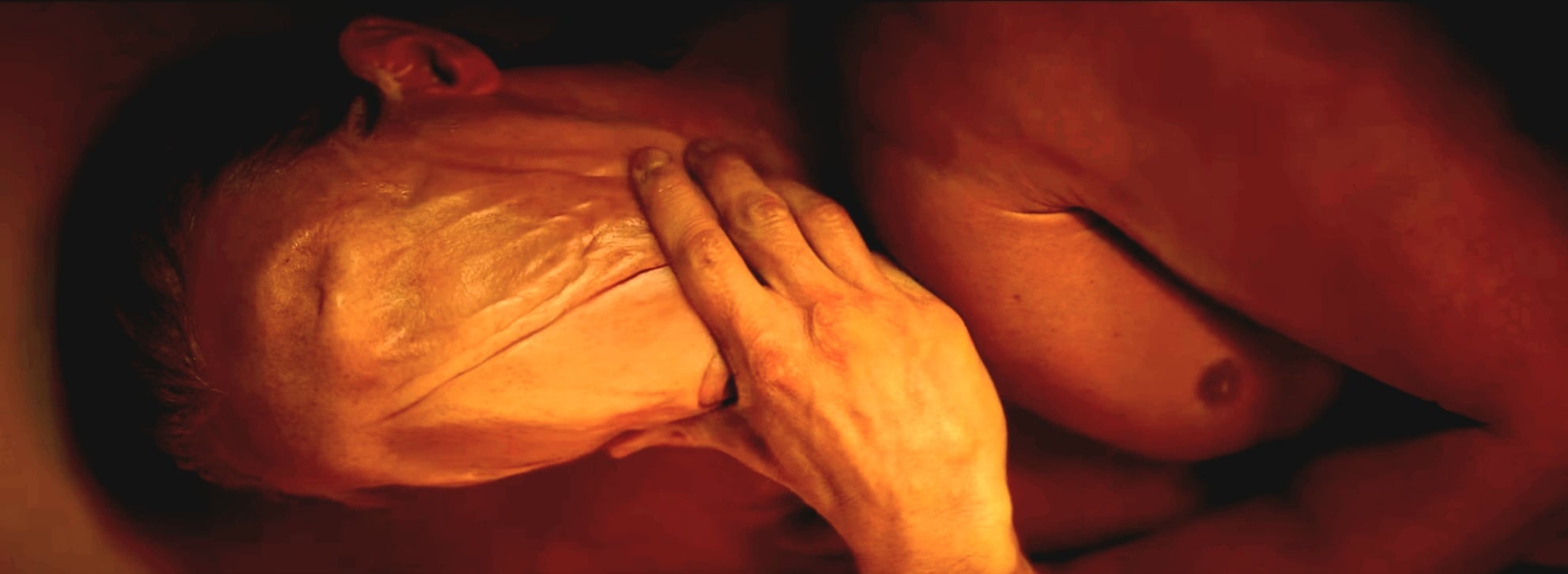
Recent test screening leaks suggest that those fears may be put to rest. Contrary to earlier rumors that the film might adopt a more psychological or restrained approach, reports indicate that Hagen’s descent into monstrosity is not only present but central to the narrative. According to these accounts, Hagen undergoes multiple, unstable transformations throughout the film. These sequences reportedly depict his limbs and extremities bubbling and losing structural integrity as he struggles to maintain a human facade. Most significantly, these moments build toward a "full transformation" in the film’s final act, described by viewers as a terrifying, faithful homage to the classic, mud-bound aesthetic of the BTAS era.
Chronology of a Horror Gamble
To understand the weight of Clayface, one must look at the character’s history and the trajectory of this specific production:
- 1992: The Defining Moment: The two-part Batman: The Animated Series arc, "Feat of Clay," established the tragic, sympathetic, and horrifying nature of Matt Hagen. By framing the character not just as a villain but as a victim of his own biology, the series set a standard for what a Clayface story should be.
- The Development Phase: When it was announced that DC Studios would be pursuing a solo Clayface film, there was initial skepticism regarding whether a character primarily known for his fluid, non-human form could carry a theatrical feature.
- The Creative Vision: The appointment of Mike Flanagan—a director synonymous with elevated, character-driven horror—as the screenwriter provided the project with immediate credibility. Flanagan’s stated intent was to treat the story as both a psychological thriller and a profound tragedy.
- The Present Day: We are currently in the pre-marketing "dry spell" before a major convention reveal, with the film slated for a 2026 release.
Supporting Data and Creative Inspirations
The production philosophy behind Clayface marks a radical departure from the traditional DC Universe "superhero" formula. Under the stewardship of DC Studios co-heads James Gunn and Peter Safran, the film has been explicitly classified as a hard R-rated horror experience. This creative mandate appears to be fueled by a desire to explore the visceral nature of body horror.
Industry reports have consistently linked the film’s visual language to works like David Cronenberg’s The Fly and Coralie Fargeat’s The Substance. These influences suggest that the film is less interested in "slugfests" and caped crusaders and more focused on the disintegration of the self. By grounding the narrative in the physical, painful reality of Hagen’s transformation, the filmmakers are leaning into the "tragic destiny" that is intrinsic to the character’s comic book roots.
Mike Flanagan’s screenplay reportedly draws heavily from the aforementioned "Feat of Clay" saga. By prioritizing the internal turmoil of a man losing his physical identity, Flanagan aims to deliver the same heart-wrenching payoff that solidified the character as a tragic icon over three decades ago.
Official Responses and Studio Strategy
While official press releases have remained sparse, James Gunn and Peter Safran have been vocal about their commitment to tonal diversity within their shared cinematic universe. They have categorized Clayface as a "genre-defying" project, confirming that it is not intended to be a conventional superhero movie.

The studio’s decision to move away from the "corny one-liners" and "slugfests" that have historically defined comic book films is a strategic shift. By investing in a high-concept, R-rated horror story, DC Studios is attempting to broaden its demographic appeal while simultaneously providing a palate cleanser for audiences fatigued by the standard blockbuster template. This strategy mirrors their broader goal of allowing unique directorial voices to shape individual projects, ensuring that films like Clayface possess a distinct identity separate from the core Justice League-focused narratives.
Implications for the DC Cinematic Landscape
The success of Clayface carries significant implications for the future of the DC brand. In a year where even established properties like Supergirl have faced significant box-office headwinds, Clayface represents a "high-risk, high-reward" proposition.
1. The Horror Pivot
If Clayface succeeds, it validates the studio’s push into darker, more niche sub-genres. It demonstrates that the DC library is deep enough to sustain stories that don’t require the presence of Batman or Superman to draw an audience. A successful horror outing could open the door for adaptations of Swamp Thing, Constantine, or Justice League Dark with a similar tonal consistency.
2. Character-Driven Storytelling
The emphasis on Tom Rhys Harries’ performance suggests that the studio is prioritizing character studies over spectacle. In an era where audiences are increasingly critical of CGI-heavy climaxes, a film that relies on the "body horror" of a transformation—as opposed to a sky-beam laser battle—is a refreshing change of pace.

3. Overcoming "DC Branding"
Perhaps the greatest challenge facing Clayface is the inherent skepticism surrounding the DC logo. The film must work twice as hard to convince general audiences that it is a "real" horror film rather than a comic book movie with a horror skin. The marketing campaign, which will likely kick into high gear after the San Diego Comic-Con, will be pivotal in positioning the film as a standalone cinematic experience.
Conclusion: The Shape of Things to Come
As the marketing machine prepares to reveal more, the primary takeaway for fans is one of cautious optimism. The evidence points toward a film that respects the source material’s tragic core while utilizing the aesthetic freedom of an R-rating to push the boundaries of what a DC movie can be.
If the test screening reactions hold true—if the film truly delivers on the promise of a visceral, multi-stage transformation that culminates in a terrifying, classic Clayface—then DC Studios may well have a sleeper hit on their hands. By moving away from the conventional and embracing the monstrous, Clayface stands as a test of whether a legacy comic book character can survive the transition into a modern, mature horror landscape.
For now, the audience waits, watching the mud slowly take shape, hoping that the tragedy of Matt Hagen is treated with the gravity it deserves. Whether the film reaches the heights of its genre predecessors remains to be seen, but one thing is certain: the era of the "caped slugfest" is being challenged by something much more fluid, and perhaps, much more dangerous.