After two decades of fluctuating fortunes, experimental spin-offs, and long periods of dormancy, the Prince of Persia franchise has finally reclaimed its throne. By pivoting back to its 2D roots—the very format that birthed the series in 1989—Ubisoft and developer Evil Empire have crafted a revitalization that feels both nostalgic and refreshingly modern. The Rogue Prince of Persia is more than just a trip down memory lane; it is a masterclass in blending the high-stakes tension of the roguelite genre with the fluid, acrobatic elegance that defined the series at its peak.
The Evolution of a Legend: A Chronological Retrospective
To understand the significance of The Rogue Prince of Persia, one must look at the turbulent history of the IP. Following the massive success of the Sands of Time trilogy in the early 2000s, the franchise struggled to find a consistent identity in the 3D space. While titles like Warrior Within and The Two Thrones were commercially successful, the series eventually hit a wall, leading to a decade-long hiatus that left fans wondering if the Prince had been relegated to history.
The turning point arrived with the success of recent 2D-focused titles, which proved that the franchise’s DNA is best expressed through platforming precision rather than complex 3D combat engines. The Rogue Prince of Persia serves as the latest evolution of this philosophy. Developed by the team behind Dead Cells, the game was designed to lean into the "fail, learn, adapt" loop that defines modern roguelites, while simultaneously honoring the wall-running, trap-dodging spirit of Jordan Mechner’s original masterpiece.
Narrative Integration: Dying with Purpose
One of the most common criticisms leveled against the roguelite genre is the feeling of repetitive futility. The Rogue Prince of Persia tackles this head-on by weaving its narrative directly into the mechanics of death. Rather than forcing the player to restart from a blank slate, the Prince possesses the supernatural ability to rewind time upon his demise.
This is not merely a gameplay gimmick; it is the core of the storytelling experience. Every failure allows the Prince to retain knowledge of the enemy’s movements, the layout of the invading Hun army’s fortifications, and the secrets of his own kingdom. As players progress, they uncover new story threads and character interactions, transforming the "run-based" structure into a cohesive, unfolding mystery. This design choice ensures that every defeat feels like a step toward a grander objective, successfully mitigating the frustration that often plagues the genre.
Movement as a Language: The Art of Acrobatics
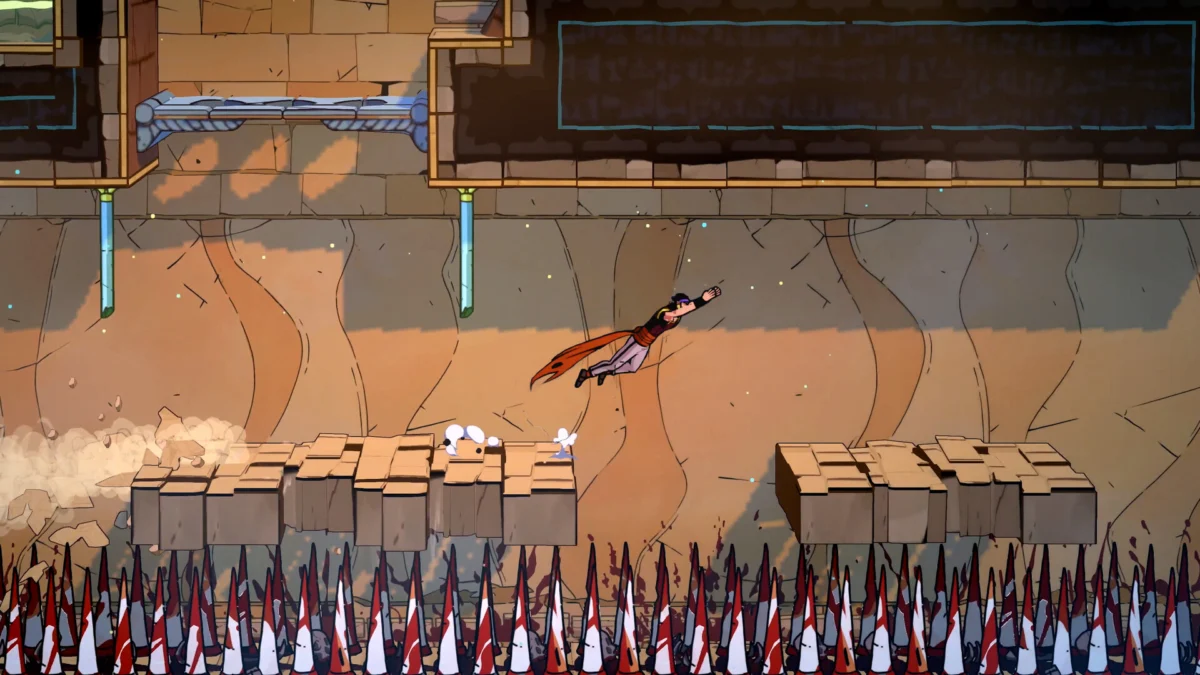
If the heart of the Prince of Persia is its movement, then The Rogue Prince of Persia is a triumphant pulse. The game’s greatest achievement is the fluidity of its traversal mechanics. From the opening seconds, players are encouraged to utilize a repertoire of wall-runs, air-dashes, and acrobatic maneuvers that feel intuitive and responsive.

The kinetic energy of the game is infectious. Once the player internalizes the rhythm of the movement, navigating the platforming challenges stops feeling like a mechanical chore and starts feeling like a dance. Whether it is dodging spiked traps or weaving through enemy projectiles, the controls provide a level of tactile feedback that is rare in 2D action games. The developers have successfully captured the feeling of being an agile, untouchable warrior, making the environment itself an extension of the player’s combat prowess.
Combat Systems: Fluidity Meets Tactical Depth
The combat in The Rogue Prince of Persia avoids the "button-mashing" trap, instead opting for a system that rewards deliberate, aggressive movement. Each weapon—from daggers to spears—comes with distinct attack patterns, critical hit windows, and utility effects.
The integration of the environment into combat is a standout feature. Players are incentivized to kick enemies into traps or lure them into precarious positions, rewarding creative thinking over raw strength. For players who prefer speed and precision over the "tank-like" builds common in many Metroidvanias, the game offers a refreshing, responsive experience. The responsiveness of the inputs ensures that every parry and strike feels earned, creating a combat loop that remains engaging from the first level to the final encounter.
Balancing Accessibility and Challenge
In the competitive landscape of indie gaming, finding the right difficulty curve is a Herculean task. The Rogue Prince of Persia occupies a unique "sweet spot." By offering permanent upgrades via skill trees and a wealth of customization options for weapons and tools, the game provides a path for players of varying skill levels to succeed.
However, this design choice has sparked a debate among the most hardcore roguelite enthusiasts. Some veterans of the genre—those who cut their teeth on the brutal difficulty of Hades or Dead Cells—have noted that The Rogue Prince of Persia feels significantly more forgiving. For these players, the game may lack the "endless" challenge or extreme punishing nature of its contemporaries. Yet, this "easier" experience is clearly a deliberate design choice meant to prioritize flow and story discovery over mechanical masochism.
Presentation: A Visual and Auditory Feast
Visually, the game is a departure from the gritty realism of the Sands of Time era, opting instead for a bold, vibrant, and highly stylized aesthetic. The hand-drawn art style is rich with color and character, making the world of the Prince feel alive and distinct. This visual flair is matched by an evocative soundtrack that masterfully blends traditional Persian instrumentation with modern, pulsating electronic beats. The audio-visual harmony creates an immersive atmosphere that respects the series’ heritage while boldly stepping into a new artistic frontier.

Implications for the Future of the Franchise
What does the success of The Rogue Prince of Persia mean for the long-term future of the series? It signals that Ubisoft has finally recognized the value of the franchise’s smaller-scale, high-quality roots. By allowing developers to take risks with the genre—specifically by leaning into the roguelite space—the publisher has opened the door for a sustainable, multi-faceted future for the Prince.
This shift suggests that the franchise no longer needs to chase the "AAA blockbuster" trends of the 2010s to be relevant. Instead, by focusing on tight gameplay loops, high-quality art direction, and accessible but deep mechanics, the brand can thrive in a marketplace that increasingly values quality and replayability over sheer scale.
Final Verdict: A Worthy Successor
The Rogue Prince of Persia is a triumph of design. It manages to balance the high-octane excitement of the roguelite genre with the soul of a classic platformer. While those looking for a punishing, soul-crushing experience might find it slightly too accessible, the vast majority of players will find themselves caught in its satisfying, addictive loop.
It is a testament to the fact that when you respect the core pillars of a franchise—movement, mystery, and atmosphere—you don’t need to reinvent the wheel to create something extraordinary. For long-time fans who have waited years for a return to form, the wait has officially ended. The Prince is back, and he has never moved with such style.
Marcus Orchard is a gaming journalist and critic with a penchant for high-skill ceiling action titles and narrative-driven experiences. When he isn’t dissecting the latest releases, he is likely revisiting his favorite RPGs or curating his extensive collection of graphic novels.