Ali Ikhwan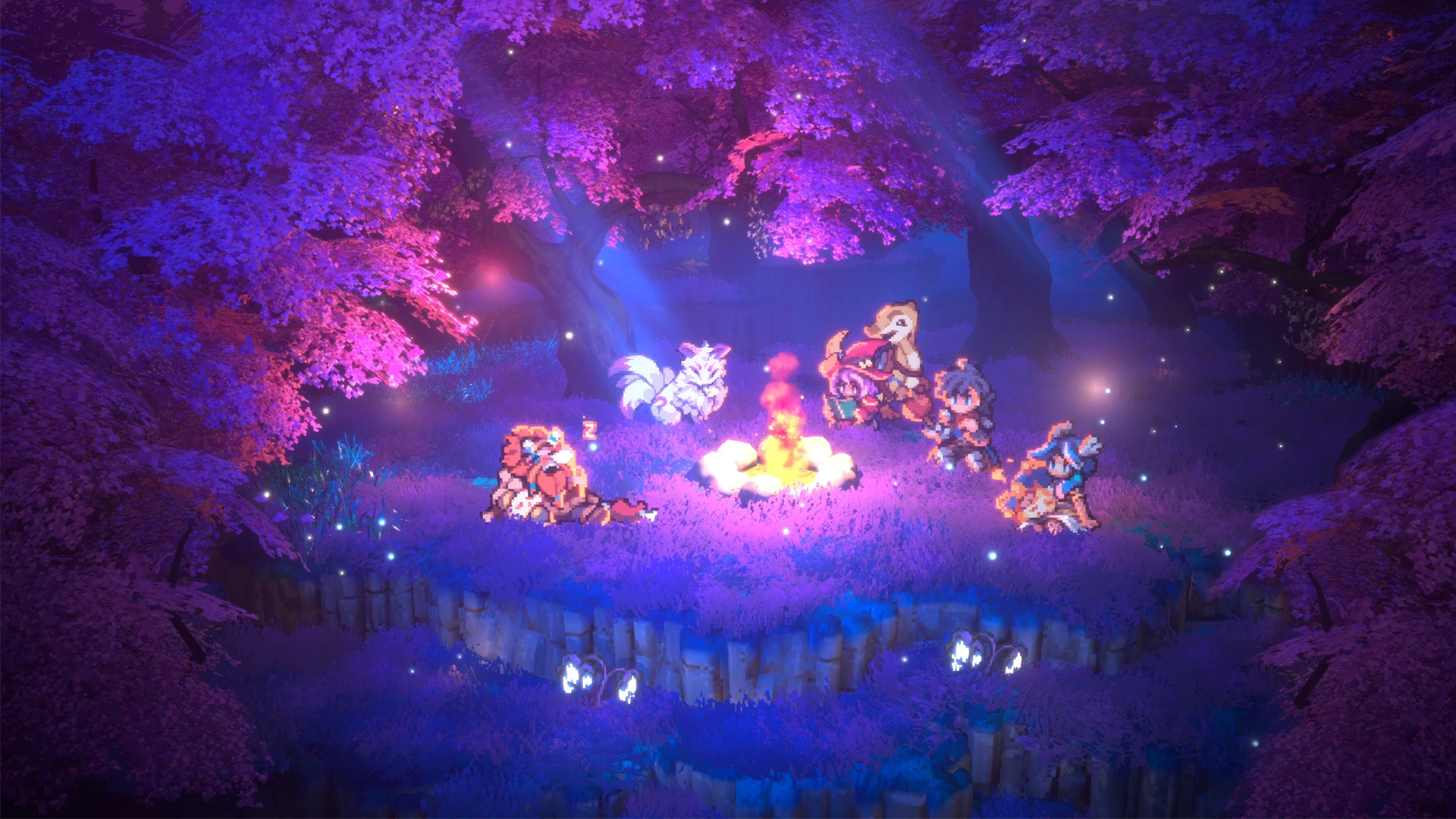
The landscape of modern role-playing games is often defined by a dichotomy: the pursuit of hyper-realistic, cutting-edge graphics versus the nostalgic, warm embrace of classic 16-bit and 32-bit aesthetics. Rarely do these two worlds converge with such artistic intentionality as they do in Riyo Games’ upcoming title, Threads of Time. Revealed to the public eye during the highly anticipated Day of the Devs 2026 presentation, the latest trailer for Threads of Time serves as both a technical showcase and a testament to the creative vision of its developers, Robbie Lennon and Nick Knight.
Main Facts: A Time-Hopping Odyssey
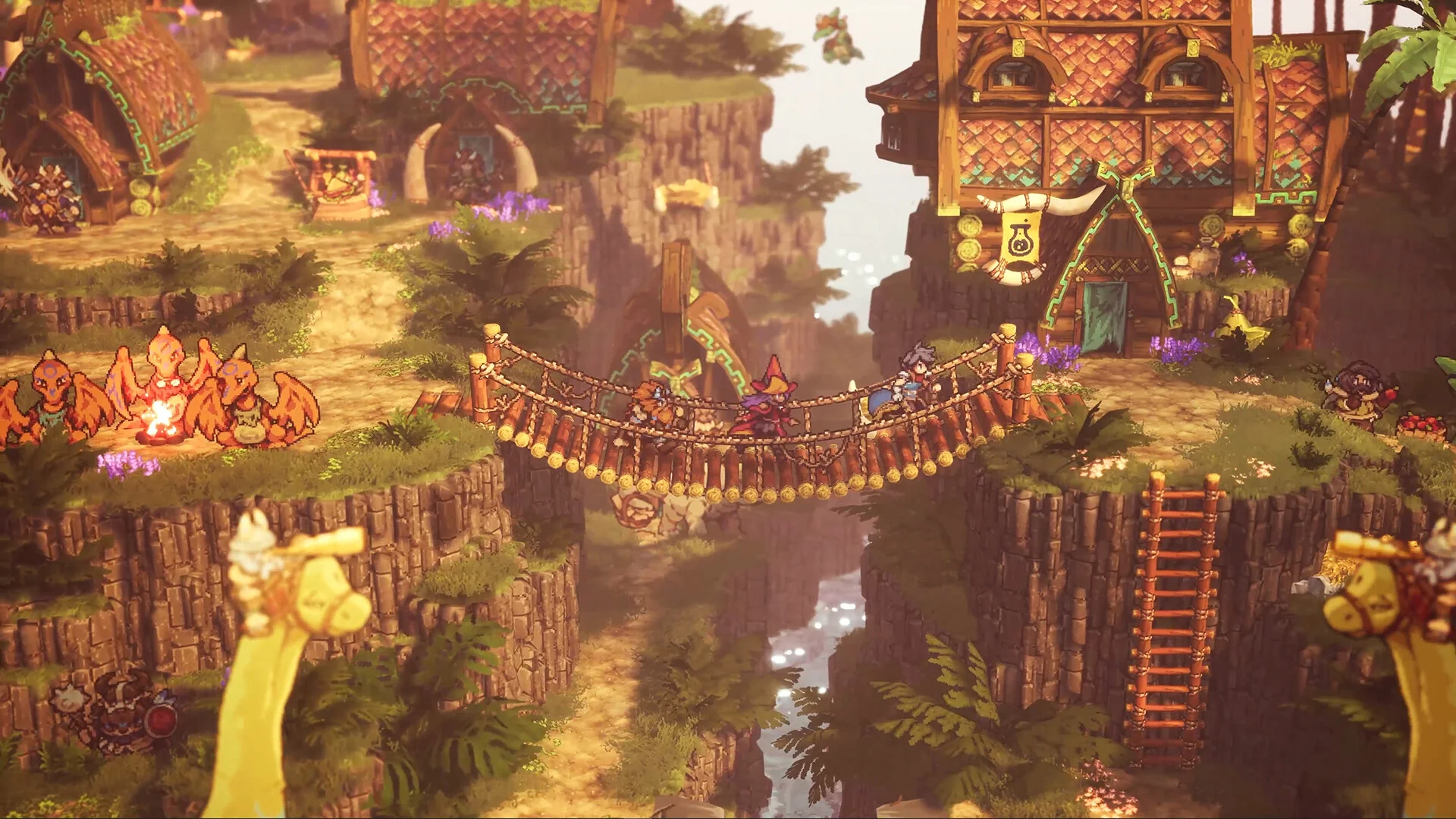
At its core, Threads of Time is a narrative-driven, turn-based RPG that centers on the concept of temporal manipulation. Players are tasked with navigating a party through various distinct eras—ranging from the primordial age of dinosaurs to the neon-drenched, high-tech horizons of the distant future.
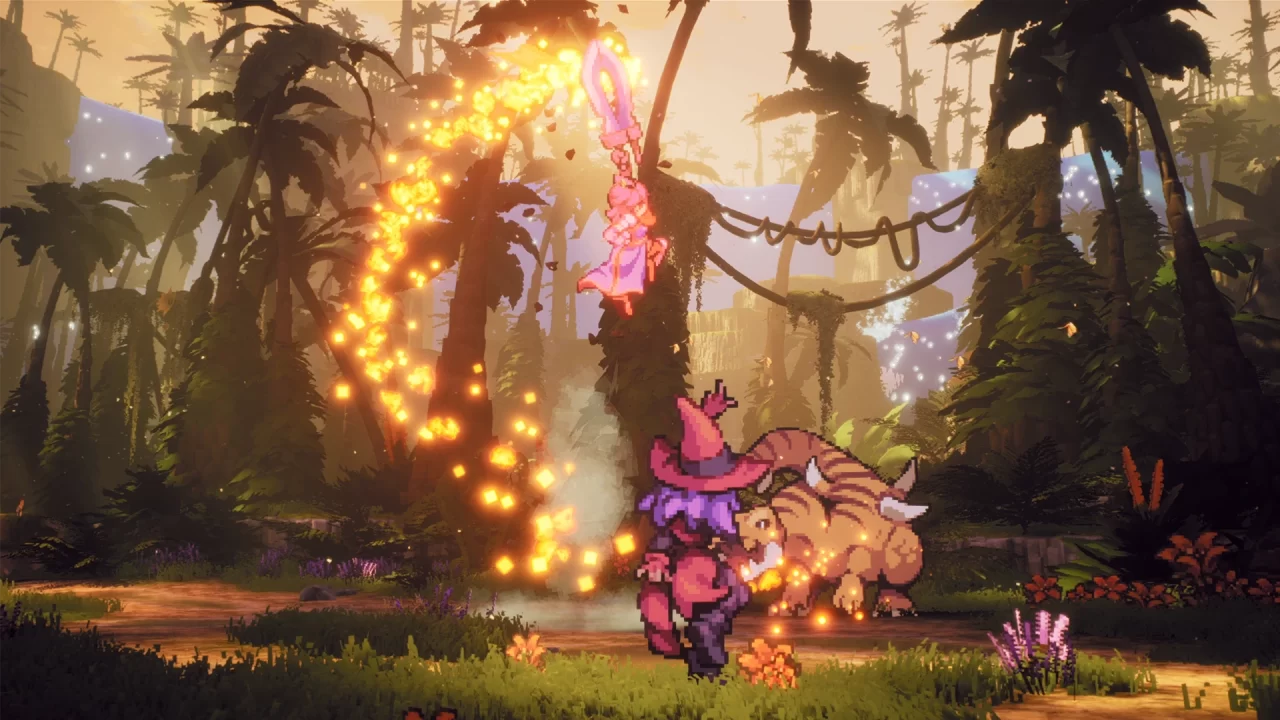
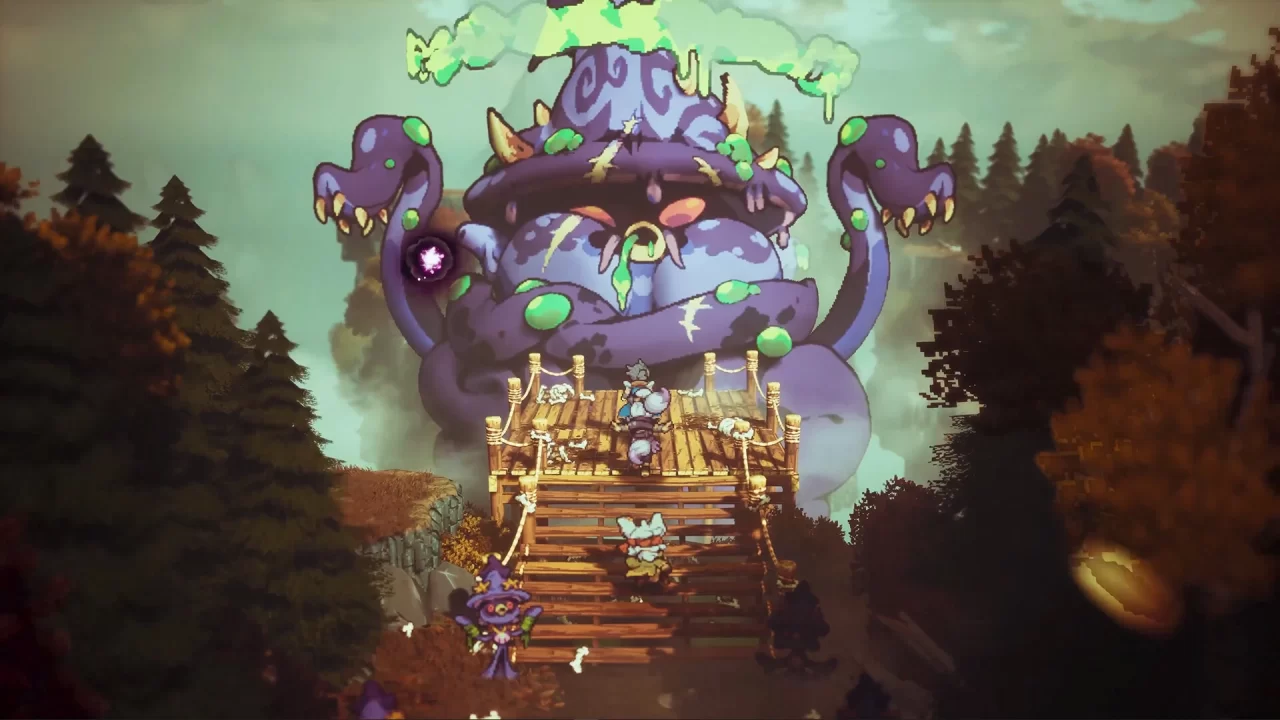
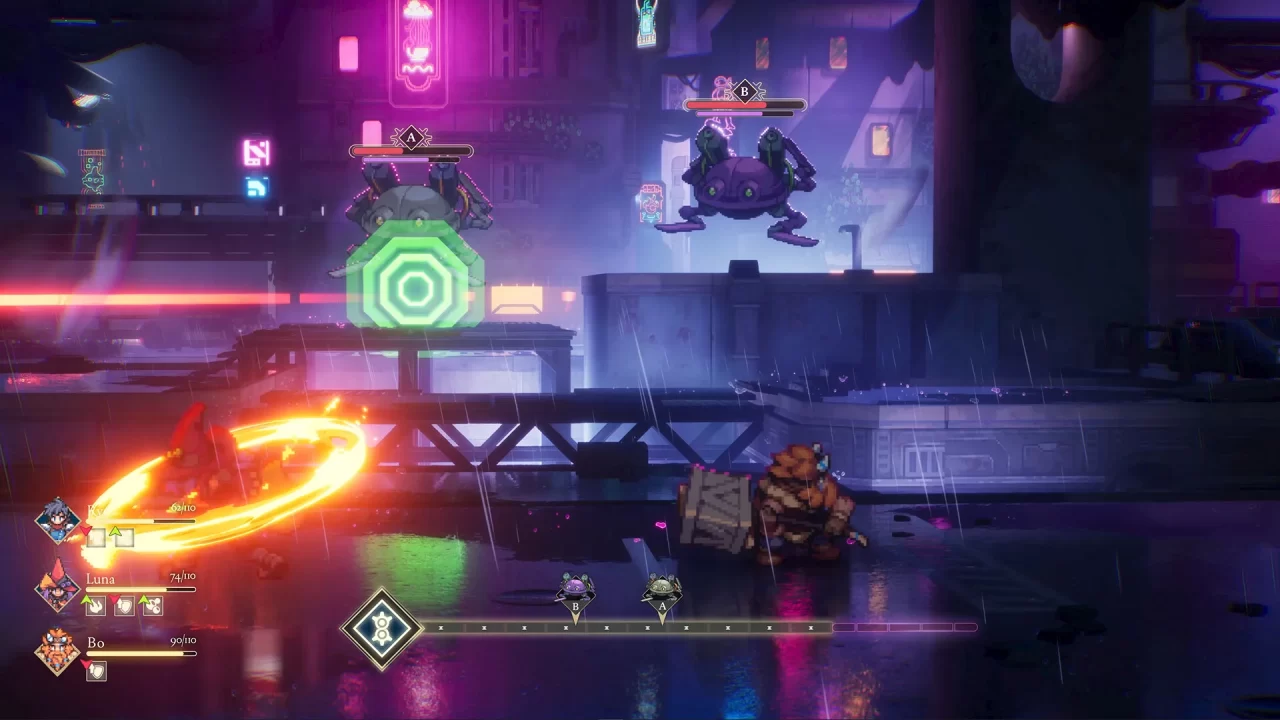
The game’s primary hook is its integration of time-travel mechanics into the very fabric of its turn-based combat system. Unlike traditional RPGs where turn order is often static or governed by simple speed stats, Threads of Time allows players to manipulate the flow of battle. By utilizing time-themed attacks and specialized abilities, players can disrupt enemy turn orders, create tactical openings, and unleash devastating team-based combos. The objective is clear: players must restore the ancient Order of the Time Knights, recruiting a diverse roster of heroes from across history to prevent a looming, multidimensional corruption that threatens the very tapestry of reality.
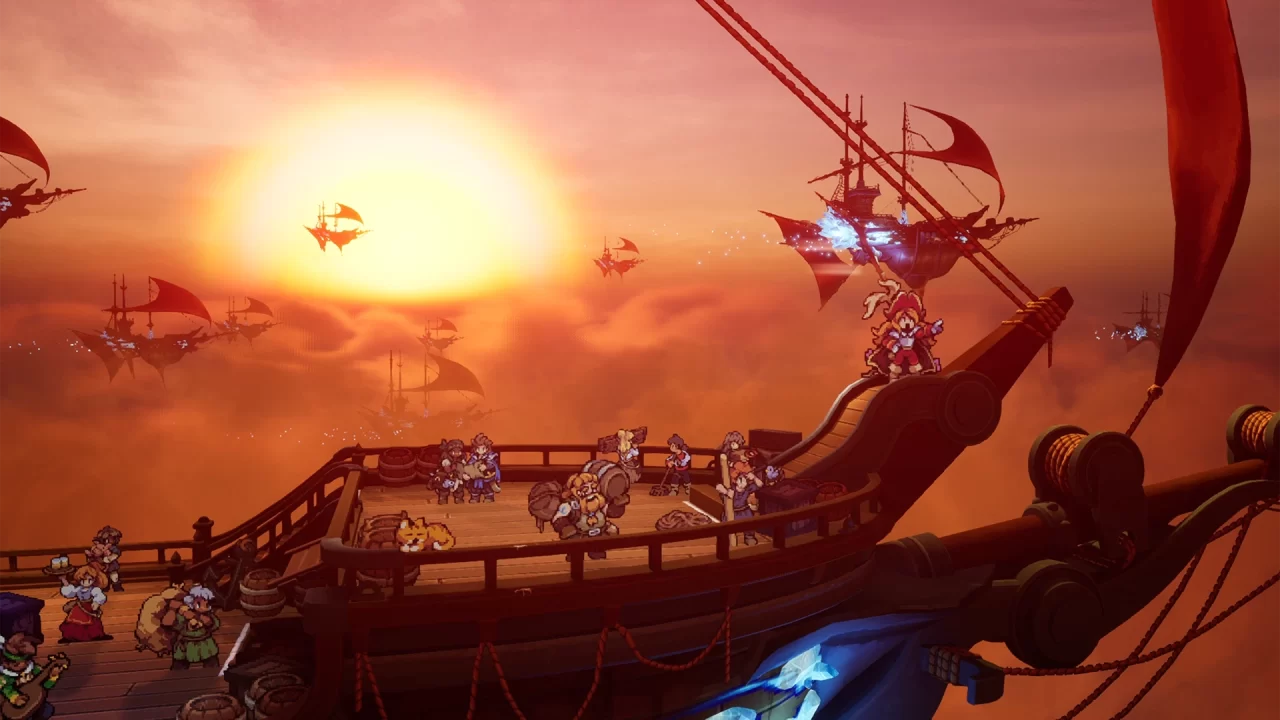
The Chronology of Development: From Childhood Dreams to Reality
The story of Threads of Time is as much about the creators as it is about the game itself. Robbie Lennon and Nick Knight, lifelong friends, have channeled their shared love for the golden era of Japanese RPGs into this project. Their journey began with a simple question: what would happen if the aesthetic charm of 90s-era pixel art were married to the immense processing power of modern technology?
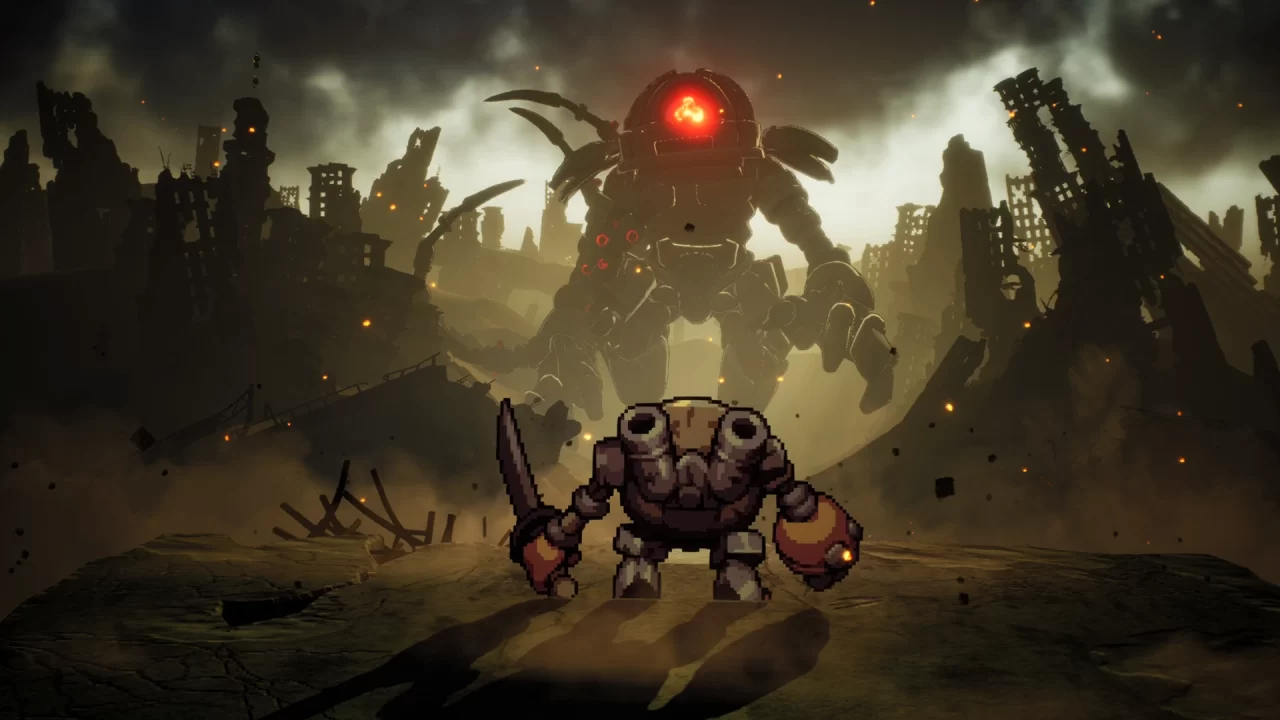
Following the initial conceptualization, Riyo Games began assembling a team that reads like a "who’s who" of industry veterans. While the studio has been guarded about specific staff identities, the trailer drop at Day of the Devs confirmed that the development team includes talent that has previously contributed to iconic franchises such as Shovel Knight, the Final Fantasy series, and the Xenoblade Chronicles saga. This pedigree is immediately apparent in the footage released thus far, which showcases a level of environmental detail and animation fluidity that pushes the boundaries of the genre.
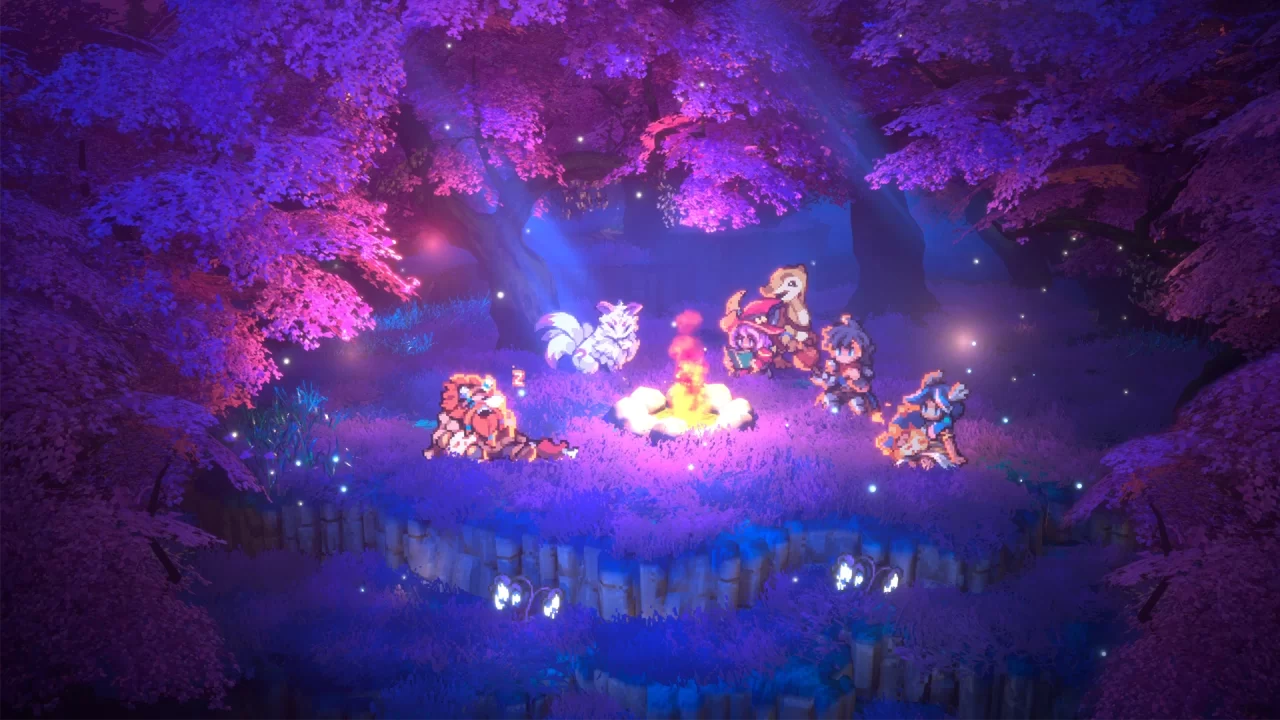
Supporting Data: Technical Marvels and Visual Fidelity
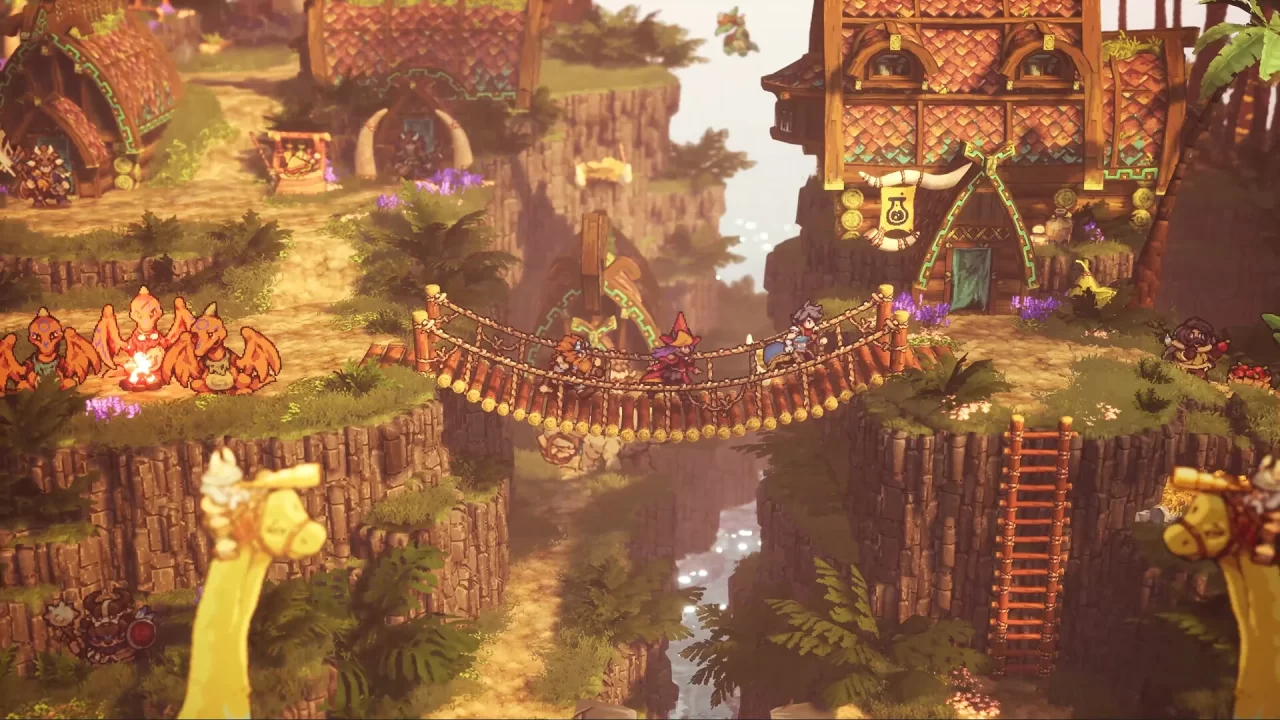
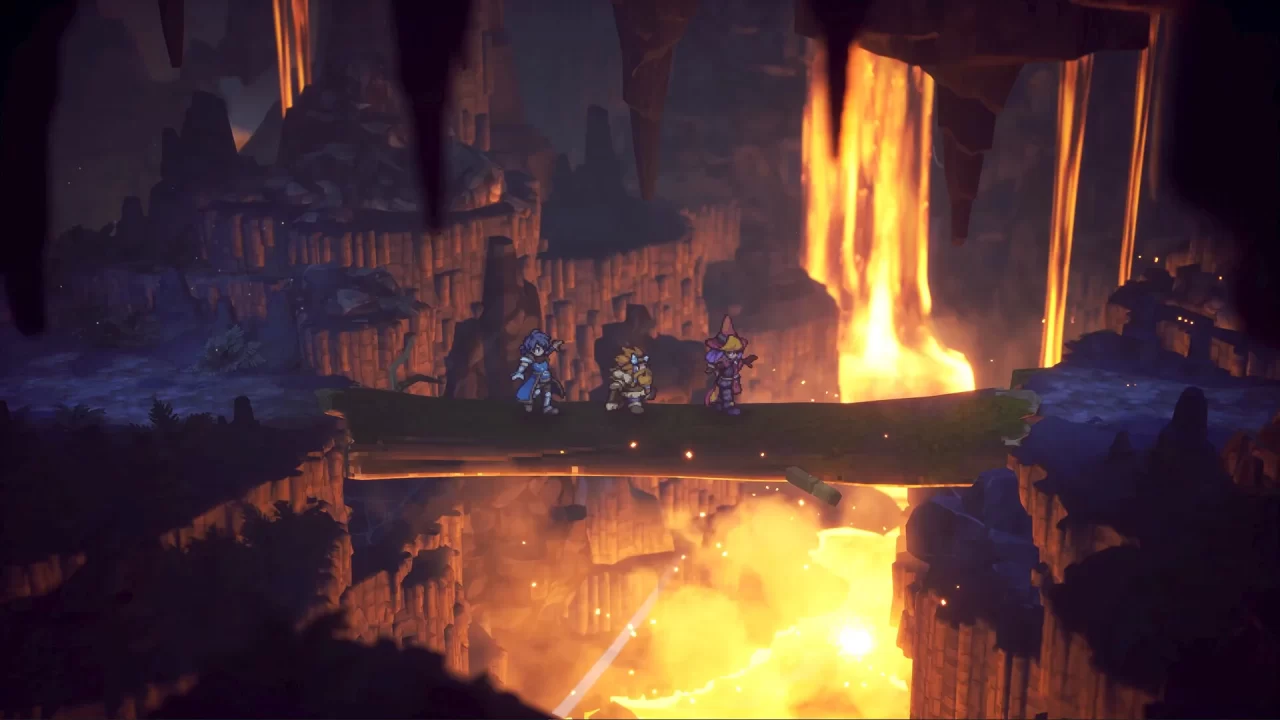
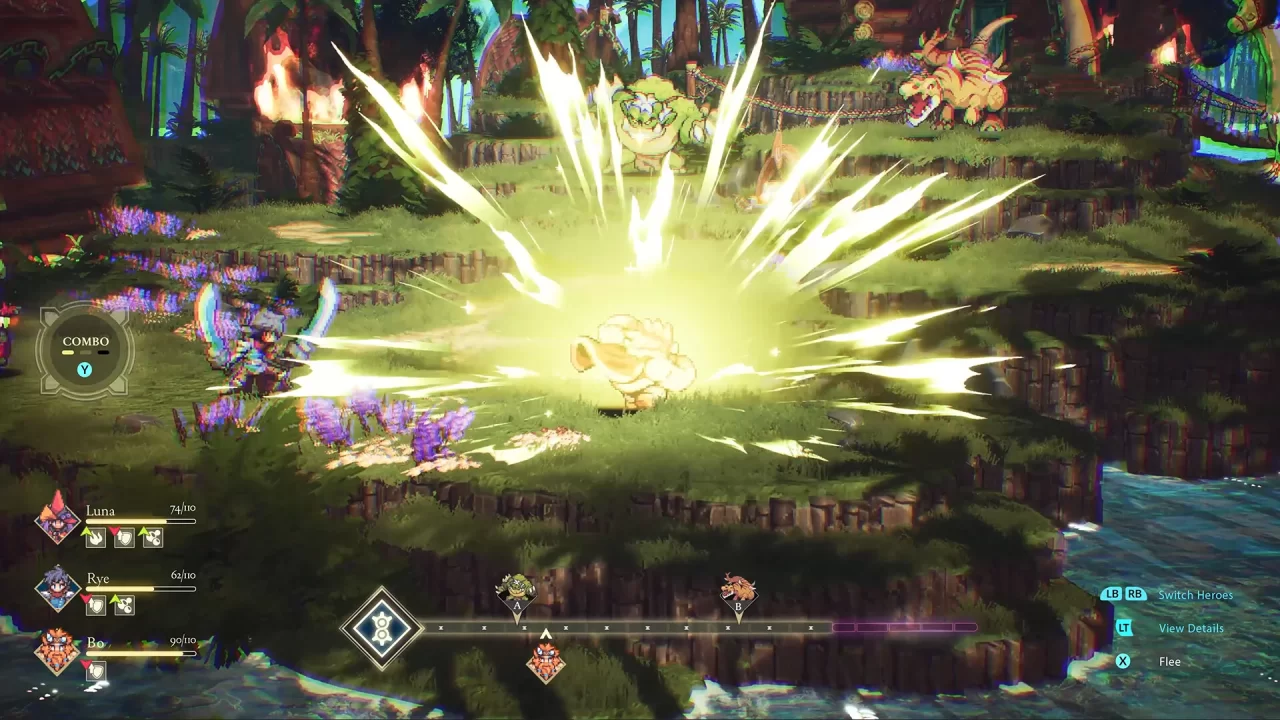
The "Retro Charm Meets Modern Visuals" promise is not merely marketing hyperbole. The game is built upon the Unreal Engine 5 framework, which provides the backbone for the game’s sophisticated lighting, particle effects, and dynamic environments. However, these modern systems are layered beneath a gorgeous, hand-crafted 2D art style.
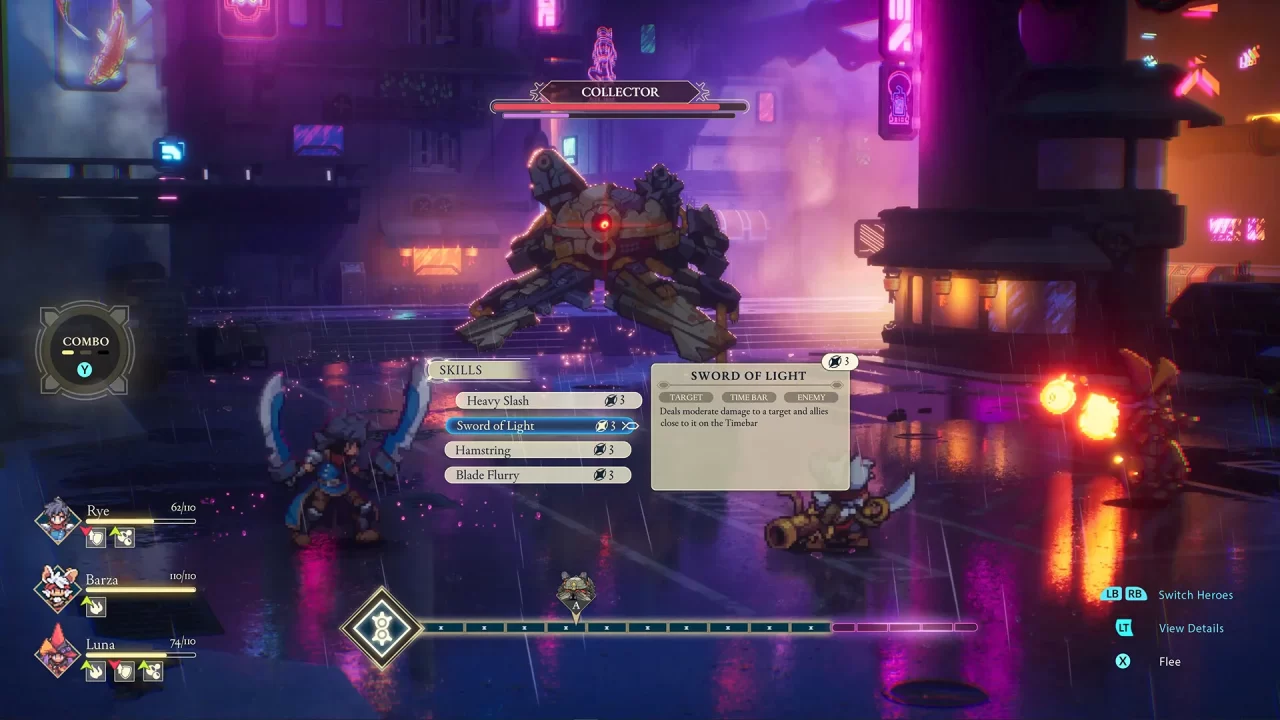
Key Technical Pillars:
- Engine: Unreal Engine 5, providing advanced volumetric lighting and real-time environmental reactivity.
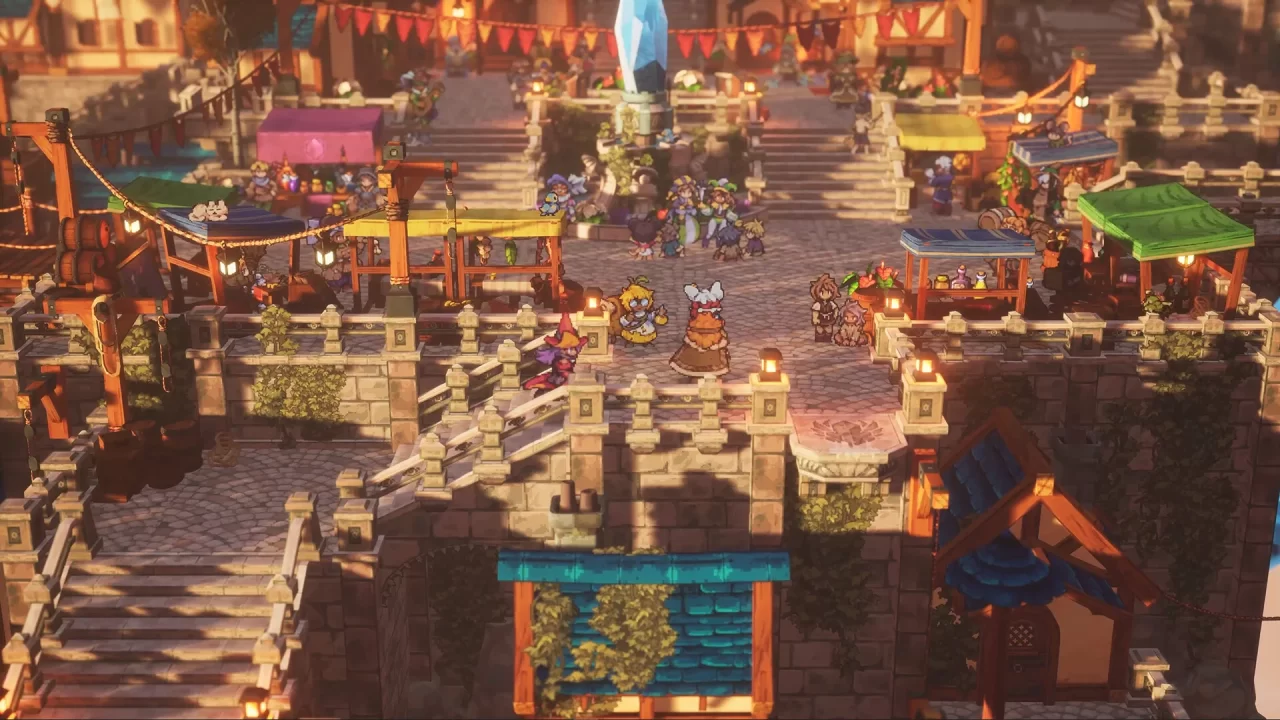
- Art Direction: A fusion of high-fidelity 2D pixel art characters set within 2.5D, depth-enhanced environments.
- Combat Mechanics: A proprietary turn-based system centered on "Time Manipulation," allowing for the temporal shifting of enemy and ally actions.
- Platforms: The title is confirmed for Xbox Series X|S and PC via Steam, ensuring that the visual fidelity is preserved across high-end hardware.
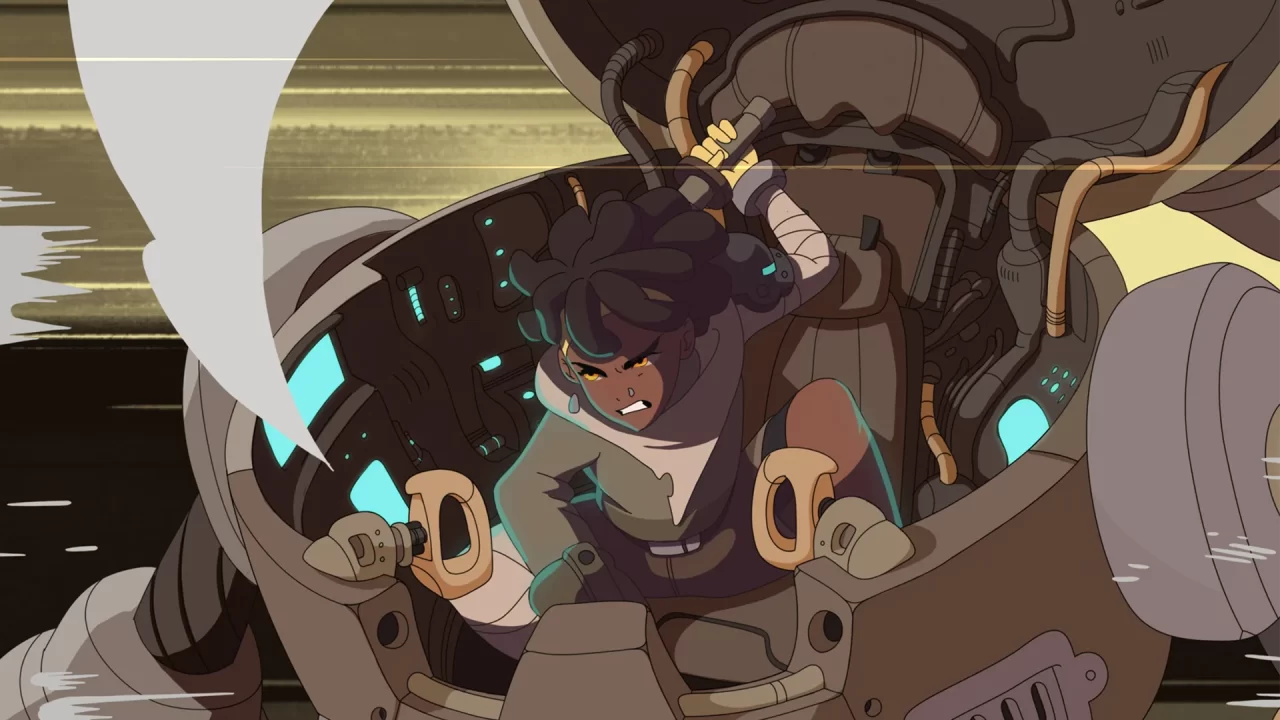
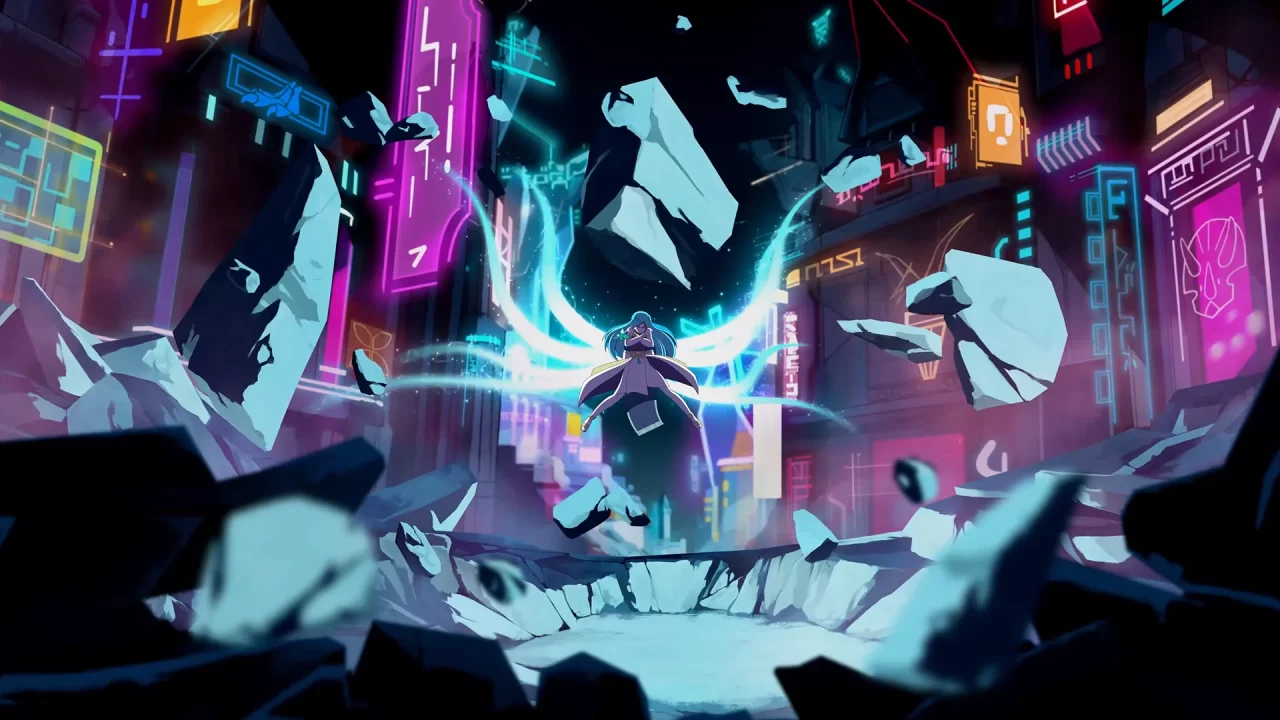
The screenshot gallery provided by the studio highlights the sheer variety of the game’s world-building. From lush, verdant jungles filled with prehistoric flora to the cold, metallic spires of futuristic cities, the environments feel alive and reactive. The animated sequences further emphasize the "cinematic" quality the developers are striving for, with fluid character movements that breathe personality into the silent sprites.
Official Responses and Developer Insights
During the Day of the Devs presentation, the atmosphere was one of quiet confidence. Lennon and Knight highlighted that their primary goal was to recapture the "feeling" of the RPGs they played growing up, but without the technical limitations that defined those experiences.
"We didn’t want to just copy the past," the duo suggested in their presentation. "We wanted to honor the mechanics that made us love games like Chrono Trigger or Final Fantasy VI, while leveraging Unreal Engine 5 to create an experience that feels truly contemporary."
The duo’s transparency regarding their influences has resonated well with the RPG community. By openly referencing the legendary titles they are paying homage to, they have set a high bar for themselves. The industry’s response has been largely one of cautious optimism—the visuals are indisputably top-tier, and the core gameplay loop seems to address the common criticism that turn-based combat can sometimes feel "stagnant" or "slow" by modern standards.
Implications: The Future of the "Pixel-HD" Genre
The release of Threads of Time arrives at a pivotal moment for the industry. As hardware capabilities continue to expand, many developers are moving away from stylized art in favor of realism. Riyo Games is taking the opposite path, proving that "pixel art" is not an aesthetic choice made out of budgetary necessity, but a stylistic one that can be elevated to high-art status.

If Threads of Time succeeds, it could set a new industry standard for the "Pixel-HD" sub-genre. It poses a significant question to other mid-sized developers: can we achieve the same level of market success as AAA titles by focusing on tight, refined mechanics and a distinct, high-quality art style?
Furthermore, the game’s focus on time-travel as a narrative device allows for immense replayability. The "threads that bind the ages" suggest a branching narrative structure where player choices in the past will have tangible, visual, and mechanical consequences in the future. If the narrative lives up to the complexity of its combat system, Threads of Time could easily become a seminal title in the history of independent RPG development.
Awaiting the Final Clock-Tick
While excitement is palpable, the lack of a confirmed release date remains the primary point of curiosity. For a game that relies so heavily on the cohesive "weaving" of different eras, the polish required for such a title is immense. Riyo Games has clearly opted for a "when it’s ready" approach, a strategy that is becoming increasingly common—and necessary—for high-ambition indie studios.
As of this writing, the game is set to arrive on Xbox Series X|S and PC (Steam). Fans are encouraged to keep a close watch on the official Riyo Games social channels and the Threads of Time Steam page. With each new trailer and screenshot drop, the "threads" of the game’s design are becoming clearer, painting a picture of an adventure that aims to be timeless in both its themes and its execution.
For now, the RPG community remains in a state of watchful anticipation. If the quality of the Day of the Devs 2026 trailer is any indication, Threads of Time is not just a game to be played—it is a world to be inhabited. We at RPGFan will continue to track every development, leak, and official announcement as this ambitious project edges closer to completion. Stay tuned; the future of the past is almost here.


 Asro
Asro
 Muslim