By Alfredo Federico Robelo | July 1, 2026
In the traditional architecture of storytelling, the "Hero’s Journey" is a non-negotiable blueprint. A protagonist faces a call to adventure, descends into an abyss, and emerges transformed. However, modern psychological critique has begun to peel back the layers of these iconic figures, revealing that what we often mistake for heroic growth is frequently an elaborate, high-stakes avoidance mechanism.
From the gothic spires of Gotham City to the fantastical realms of Middle-earth, cinema and television are populated by individuals suffering from profound, unresolved trauma. While their dangerous quests provide audiences with two hours of spectacle, a clinical perspective suggests that many of these characters would have been better served by a couch and a licensed practitioner than by a cape, a whip, or a lightsaber.
The Psychology of the Quest: Why We Avoid the Couch
The "adventure" is often a coping strategy for the "unresolved." When a protagonist is unable to process grief, abandonment, or existential dread, they externalize their internal conflict. By projecting their demons onto physical monsters or geopolitical threats, they avoid the necessary, albeit quieter, work of self-reflection.

While these journeys often lead to narrative resolution, the human cost is staggering. Chronic exposure to violence and isolation, when paired with underlying pathology, rarely results in a healthy individual. As we analyze these 15 characters, it becomes clear that "saving the world" is rarely an effective substitute for mental health care.
A Chronology of Suppression: 15 Case Studies
1. Bruce Wayne (The Batman)
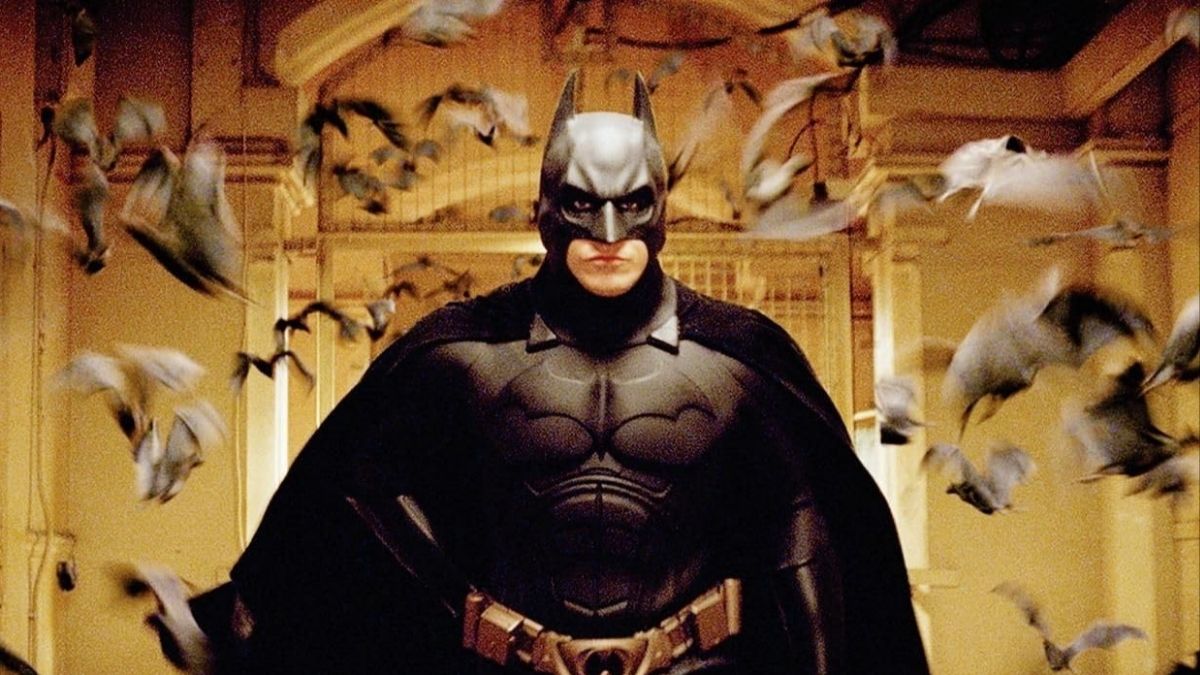
Bruce Wayne’s transformation into the Dark Knight is the gold standard for trauma-based vigilante justice. While Gotham’s crime rate benefits from his nocturnal activities, his psychological profile suggests a man trapped in a cycle of arrested development. Wayne’s inability to move past the murder of his parents has turned his entire adult life into a symptom. A decade of cognitive-behavioral therapy (CBT) might have allowed him to channel his resources into systemic societal reform rather than dressing as a bat to intimidate street criminals.
2. Indiana Jones
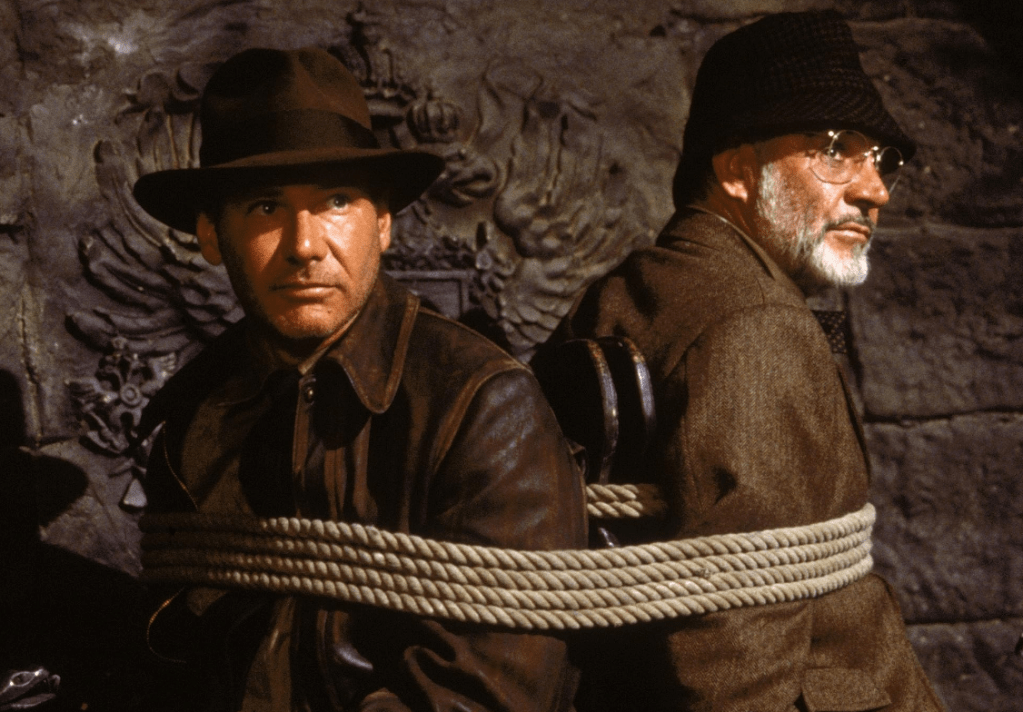
Dr. Henry Jones Jr. is the archetype of the "avoidant intellectual." His life is a frantic sprint across the globe, fueled by a deep-seated need to reclaim artifacts—and perhaps his own sense of worth—to compensate for a fractured relationship with his father. Indy’s quest for the Holy Grail is quite literally a search for a father figure, but a few sessions of family therapy could have saved him from a lifetime of near-death experiences and daddy issues.
3. Anakin Skywalker
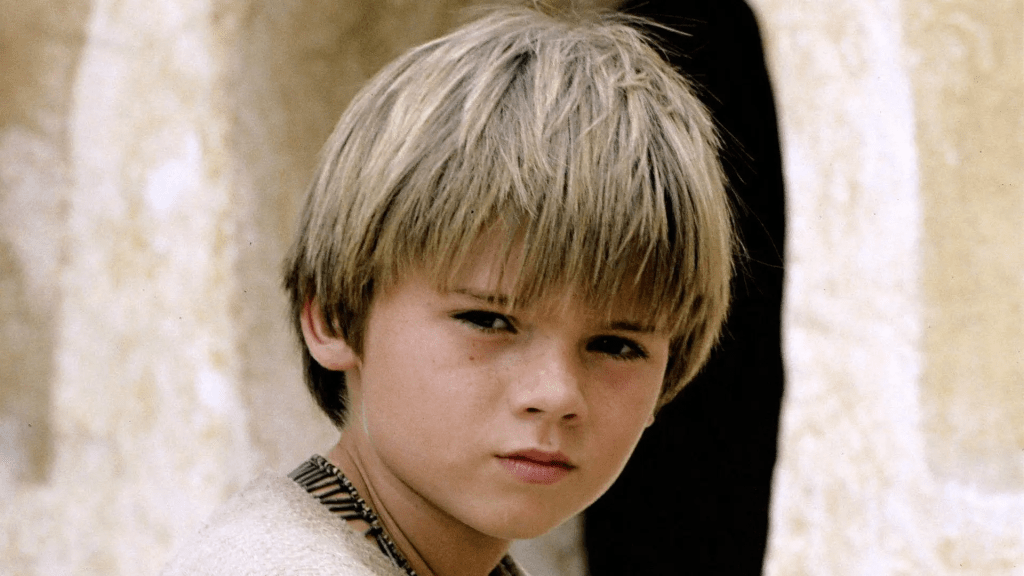
The tragedy of the Prequel Trilogy is essentially a case study in the failure of institutional support. Anakin was a child soldier suffering from acute abandonment issues and, later, the trauma of witnessing his mother’s death. The Jedi Order’s insistence on the repression of emotion—rather than the healthy processing of it—was the catalyst for his descent into darkness. Anakin didn’t need more missions; he needed a support system that didn’t view human attachment as a failure.
4. Walter Mitty
A master of dissociation, Walter Mitty represents the quiet suffering of the unfulfilled. His vivid, expansive daydreams are a shield against a life defined by professional stagnation and crushing loneliness. While his eventual physical journey brings him out of his shell, one has to wonder if a therapist could have helped him cultivate that self-confidence without the necessity of jumping into the ocean or dodging volcanic eruptions.
5. Queen Elsa of Arendelle
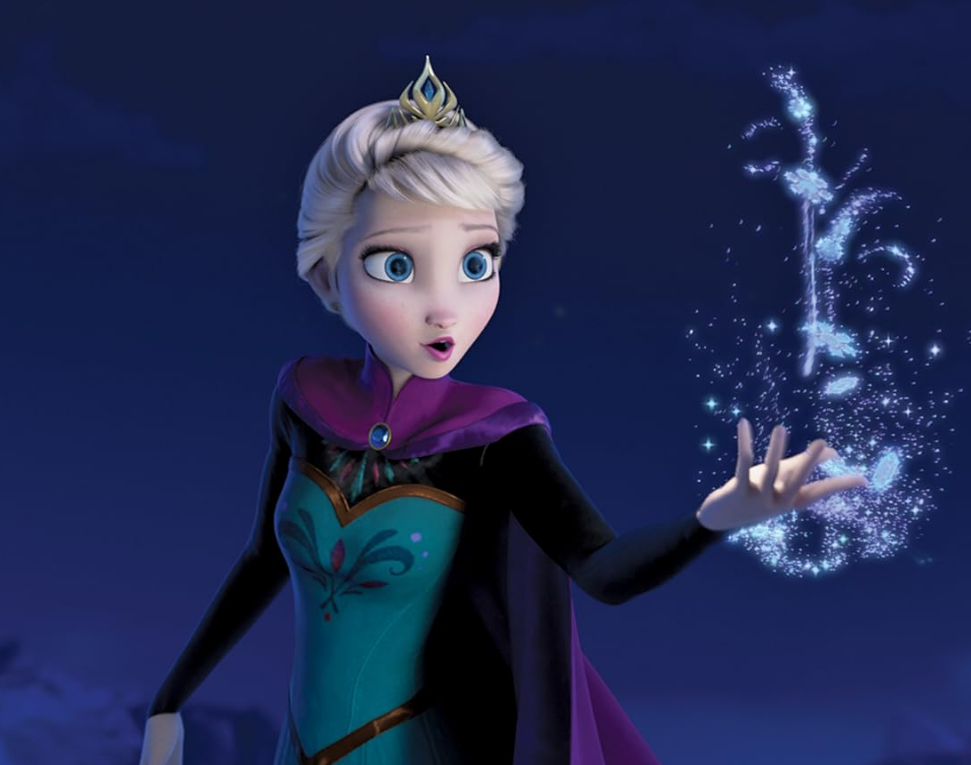
Elsa’s "Let It Go" moment is often hailed as a triumph of self-actualization, but it follows years of enforced isolation and debilitating anxiety. Her narrative arc is a poignant illustration of the harm caused by "concealing, not feeling." Therapy might have provided her with the emotional vocabulary to manage her powers, sparing her and her sister, Anna, years of unnecessary trauma.

6. Don Draper
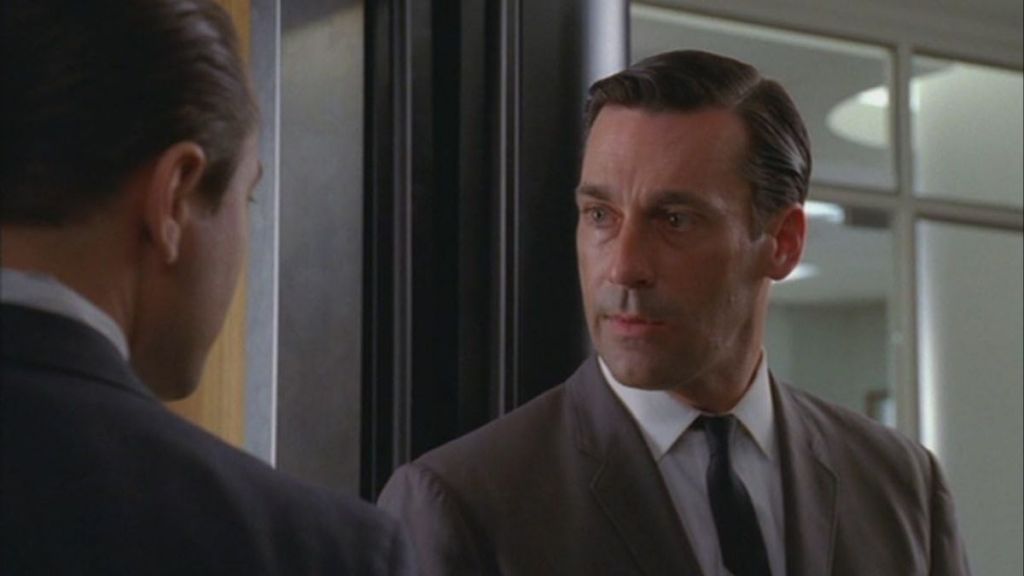
As the protagonist of Mad Men, Don is the master of the "reinvention" defense mechanism. He replaces his true identity with a curated mask, running from a traumatic past that he refuses to integrate into his present. His professional brilliance is a thin veil for his self-destructive tendencies. Don is a man who spent his life running, and no amount of ad campaigns could quiet the internal noise that only therapy could have addressed.
7. Max Rockatansky
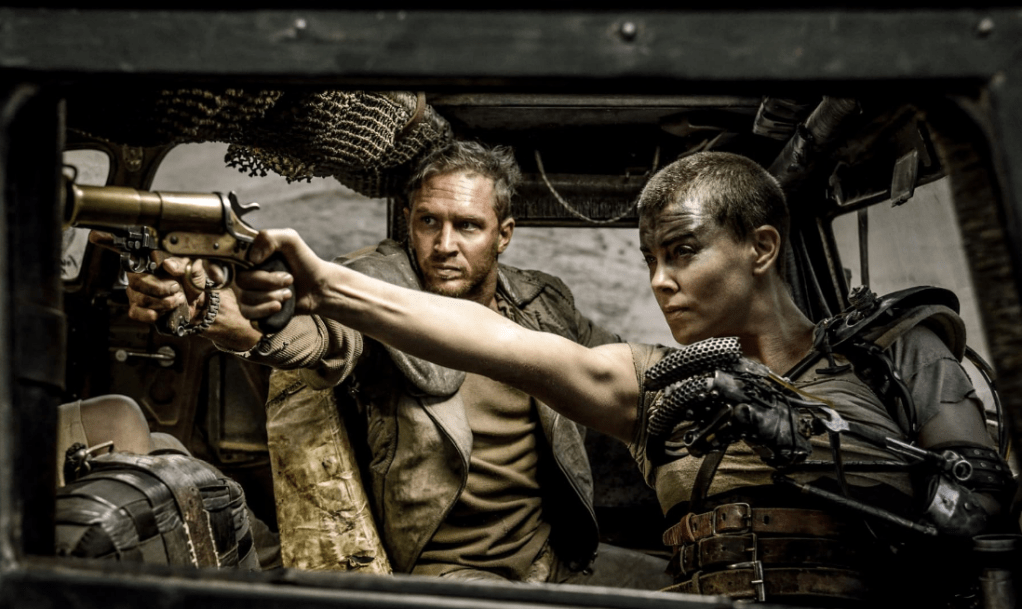
The Mad Max saga is a haunting look at post-traumatic stress disorder in a crumbling society. Max is the embodiment of survivor’s guilt; he is a man who has lost everyone and expects to lose everyone else. His heroic deeds in the wasteland are not driven by a desire for a better world, but by the reflexive instinct of a man who feels he has nothing left to lose.
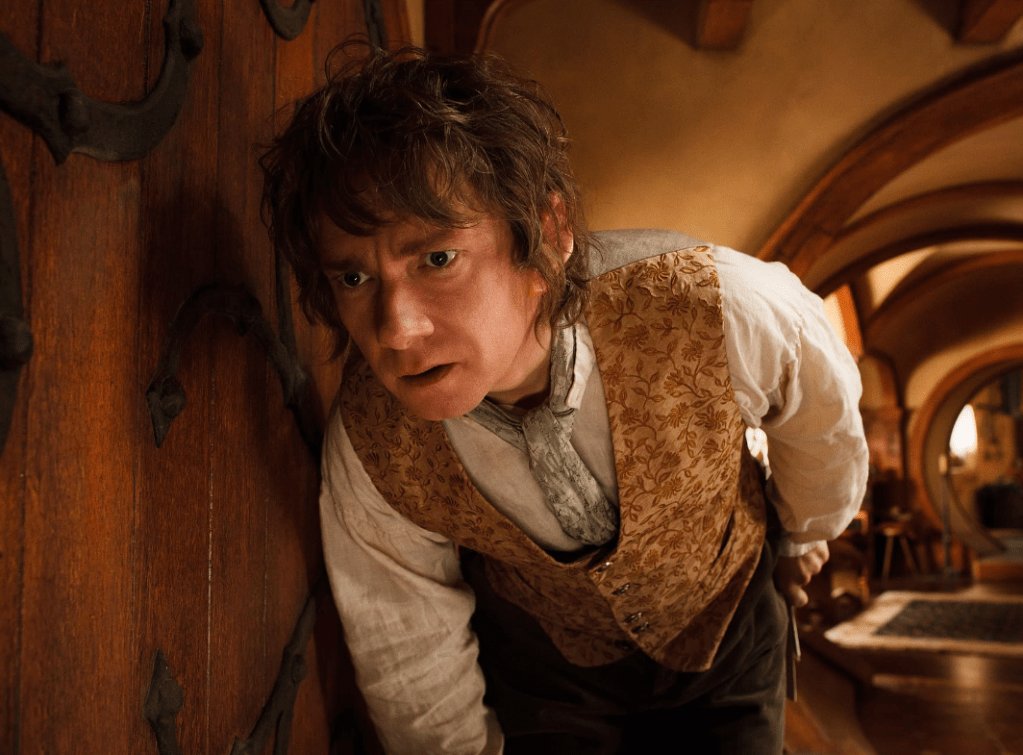
8. Bilbo Baggins
Bilbo is the reluctant hero who finds courage, yet his anxiety is palpable throughout The Hobbit. He is a creature of habit who is thrust into a chaotic world. While his journey is transformative, it is clear that Bilbo’s internal dialogue is dominated by imposter syndrome and fear. A little therapeutic guidance on self-worth might have allowed him to find his strength without the terror of dragon fire.
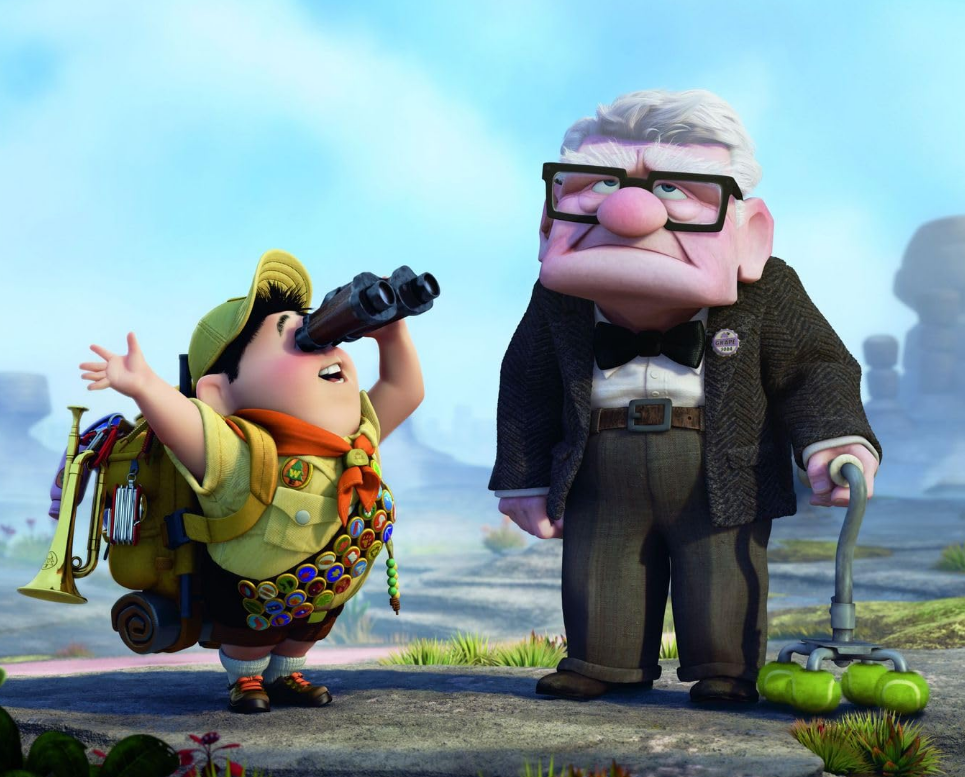
9. Carl Fredricksen
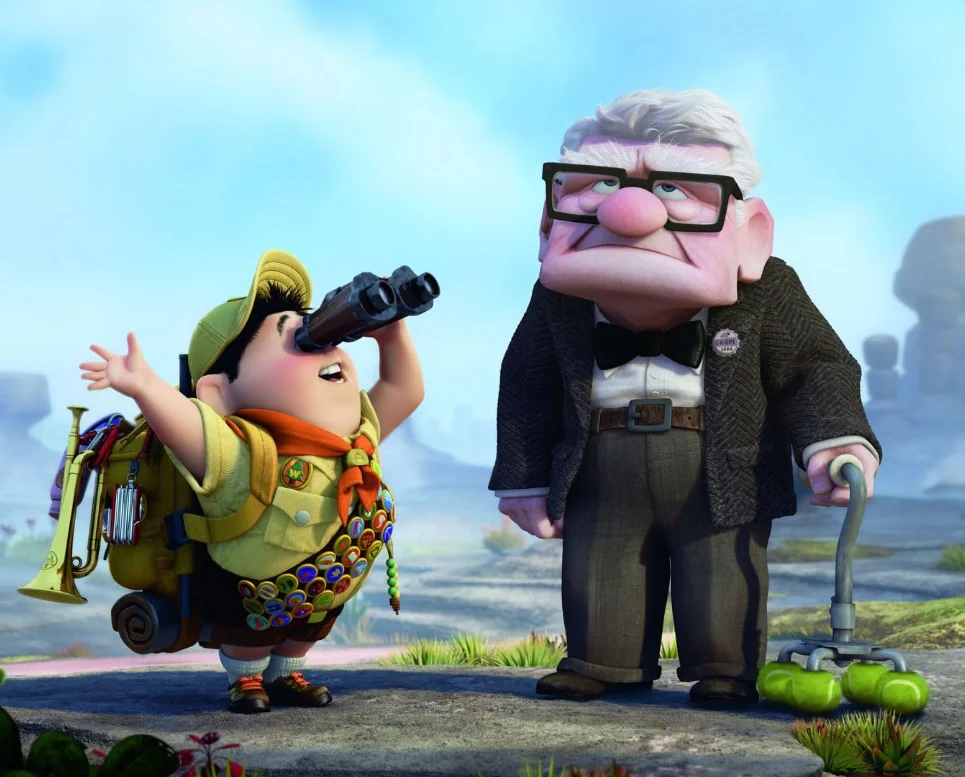
In Up, Carl’s grief over the loss of his wife, Ellie, is so profound that he literally attempts to detach his home from reality. His journey to South America is a beautiful, allegorical search for closure, but it also highlights the danger of romanticizing grief. Carl’s isolation was a prison, and he needed more than a balloon-powered house to break free of his sorrow.
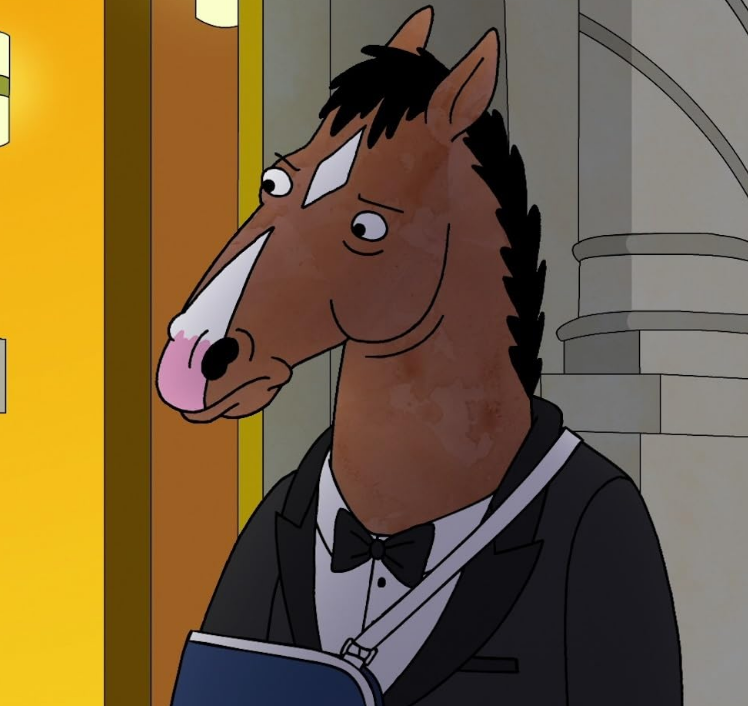
10. BoJack Horseman
This is perhaps the most self-aware entry on our list. BoJack spends the majority of the series spiraling, only to find that even after he enters therapy, the process is slow, non-linear, and difficult. The show serves as a meta-commentary on the entire premise of this article: that quick fixes, adventures, and substance abuse are ultimately ineffective in treating the deep, complex wounds of childhood neglect.
11. Willy Wonka
Wonka’s eccentricities are not just the quirks of a genius; they are the defensive barriers of a child who felt rejected by his father. His factory is a world of his own making, where he holds all the power and can exert total control. It is a classic example of an adult recreating a childhood dynamic to finally win the game on his own terms.
12. Sarah Connor
Sarah’s evolution from waitress to warrior is one of cinema’s most famous arcs, but it is built on the foundation of extreme, constant terror. Her paranoia is clinically justified by the events of the film, yet her life is completely subsumed by the "adventure" of survival. She is a woman who never got to be anything other than a guardian, sacrificing her peace of mind for a future she may never see.
13. Shrek
Shrek’s "ogre" persona is a masterclass in deflection. By pushing everyone away before they can reject him, he maintains a false sense of control. His swamp is his fortress, but his loneliness is his reality. It takes a forced, reluctant adventure to break down his walls, but a more proactive approach to his social anxiety would have served him better.
14. Ebenezer Scrooge
Scrooge is the ultimate cautionary tale. He spent his life accumulating wealth to compensate for the emotional poverty of his youth. The supernatural "adventure" of his Christmas Eve was a high-intensity intervention. Had he engaged in early-life counseling, he might have been able to build meaningful relationships long before he became the embittered miser we meet at the start of the story.
15. Peter Parker (Spider-Man 2)
In the second installment of Sam Raimi’s trilogy, we see the absolute collapse of a man trying to be "the friendly neighborhood Spider-Man" while his personal life burns down. Peter’s exhaustion and "depowering" are direct results of his refusal to prioritize his own needs. He treats his life as a binary choice—hero or man—when, in fact, the only way to sustain the heroism is to first address the man.
Implications: The Future of the "Hero"
The trend toward "trauma-informed" storytelling is gaining momentum. Modern audiences are no longer satisfied with characters who simply "get over" their pasts by defeating a villain. We demand complexity, vulnerability, and, increasingly, the acknowledgment that healing is a process, not a destination.
As we look to the future of film and television, we are likely to see more characters who, like BoJack Horseman, engage with the reality of their mental health. The "adventure" may remain a staple of the box office, but the most compelling stories will be those that recognize that the greatest quest a character can undertake is the one that leads to self-acceptance.
Ultimately, if these 15 characters had walked into a therapist’s office, the movies would have been much shorter—but the protagonists would have been much happier. And perhaps, that is the most heroic ending of all.