Sagoh
Sagoh
From the corridors of international diplomacy to the high-speed transit lines of the Shizuoka prefecture and the grass courts of Wimbledon, the first week of July 2026 has been marked by a series of surreal developments, administrative breakthroughs, and cultural milestones. This report synthesizes the most significant events shaping the narrative in Japan and beyond, offering a comprehensive look at the week’s news cycle.
1. The Diplomatic Gaffe: A Linguistic Slip Heard ‘Round the World
In a moment that has sent shockwaves through international media and ignited a wildfire of internet discourse, U.S. President Donald Trump drew widespread scrutiny during his appearance at the NATO summit in Ankara this Wednesday.
The Nature of the Incident
During a press conference addressing the ongoing geopolitical tensions in the Middle East, President Trump referred to the Islamic Republic of Iran as the "Islamic Republic of Japan." This erroneous conflation, while ostensibly a verbal stumble, has invited intense critique regarding the current administration’s grasp of global geography and diplomatic protocol. The gaffe was compounded by a series of other slips, including addressing Ukrainian President Volodymyr Zelensky as "President Putin" and mislabeling the Joint Comprehensive Plan of Action (JCPOA) as the "JCPOC."
The Digital Backlash
The absurdity of the "Islamic Republic of Japan" comment became an immediate focal point for humorists and social media analysts. Naoki Yamamoto, an assistant professor at Kyoto University, summarized the sentiment of many observers by remarking, "This is the historic moment when the United States officially recognized the Islamic Republic of Japan on the international stage." Yamamoto further noted that the speed at which meme culture adapted to the error—theorizing a hypothetical "Shogun-Sultanate" system—reflects a growing fatigue regarding the predictability of political gaffes in the current era.

2. A Disturbing Incident in Ibaraki: Legal and Social Implications
While diplomatic blunders dominated the headlines, a deeply troubling criminal case emerged from Koga, Ibaraki Prefecture, raising serious questions regarding domestic safety and interpersonal conflicts.
The Chronology of the Assault
On Monday, local authorities apprehended 48-year-old Masae Sakurai on suspicion of assault. The charges stem from an incident on June 29, during which Sakurai allegedly used a needle and thread to sew her roommate’s lips shut. The victim, 42, remained in a state of enforced silence and physical incapacitation until she managed to escape the residence while Sakurai was away on June 30.
The Plea for Help
The victim’s escape was marked by a desperate act of survival: she reached a nearby local shop and presented employees with a note reading, "Please help me." The victim later disclosed to investigators that she had been held in a state of psychological terror, which prevented her from attempting an earlier escape. Police are currently conducting a broader investigation, as initial reports suggest that other individuals may have been present in the shared residence during the commission of the alleged crime. This case has sparked a local debate regarding the necessity for stronger intervention services for those living in volatile, shared housing environments.
3. Infrastructure Milestone: The Maglev Project Resurrected
After a nine-year period of stagnation that saw the ambitious Linear Chuo Shinkansen project languish in political and environmental limbo, the project has finally received the green light.

The Path to Approval
Governor Yasutomo Suzuki’s formal approval for construction through the Shizuoka section marks a watershed moment for Japanese infrastructure. The project had been effectively halted by former Governor Heita Kawakatsu, who maintained that the high-speed line posed an existential threat to the water flow of the Oi River.
Environmental Safeguards
The path forward was cleared only after an expert panel confirmed that JR Central had addressed 28 distinct environmental protection measures. Governor Suzuki stated during the prefectural assembly meeting, "We will continue to ask JR Tokai to provide us with accurate information and detailed explanations in order to achieve both the construction of the Chuo Shinkansen line and the conservation of the natural environment." This project is expected to revolutionize travel between Tokyo and Osaka, cutting commute times to unprecedented levels, provided the construction adheres to the stringent environmental guidelines now in place.
4. Quality of Life: Japan’s Continued Global Standing
The 2026 Global Liveability Index, published by the Economist Intelligence Unit (EIU), has once again highlighted the stability and high standard of living prevalent in Japanese metropolitan centers.
Rankings and Data
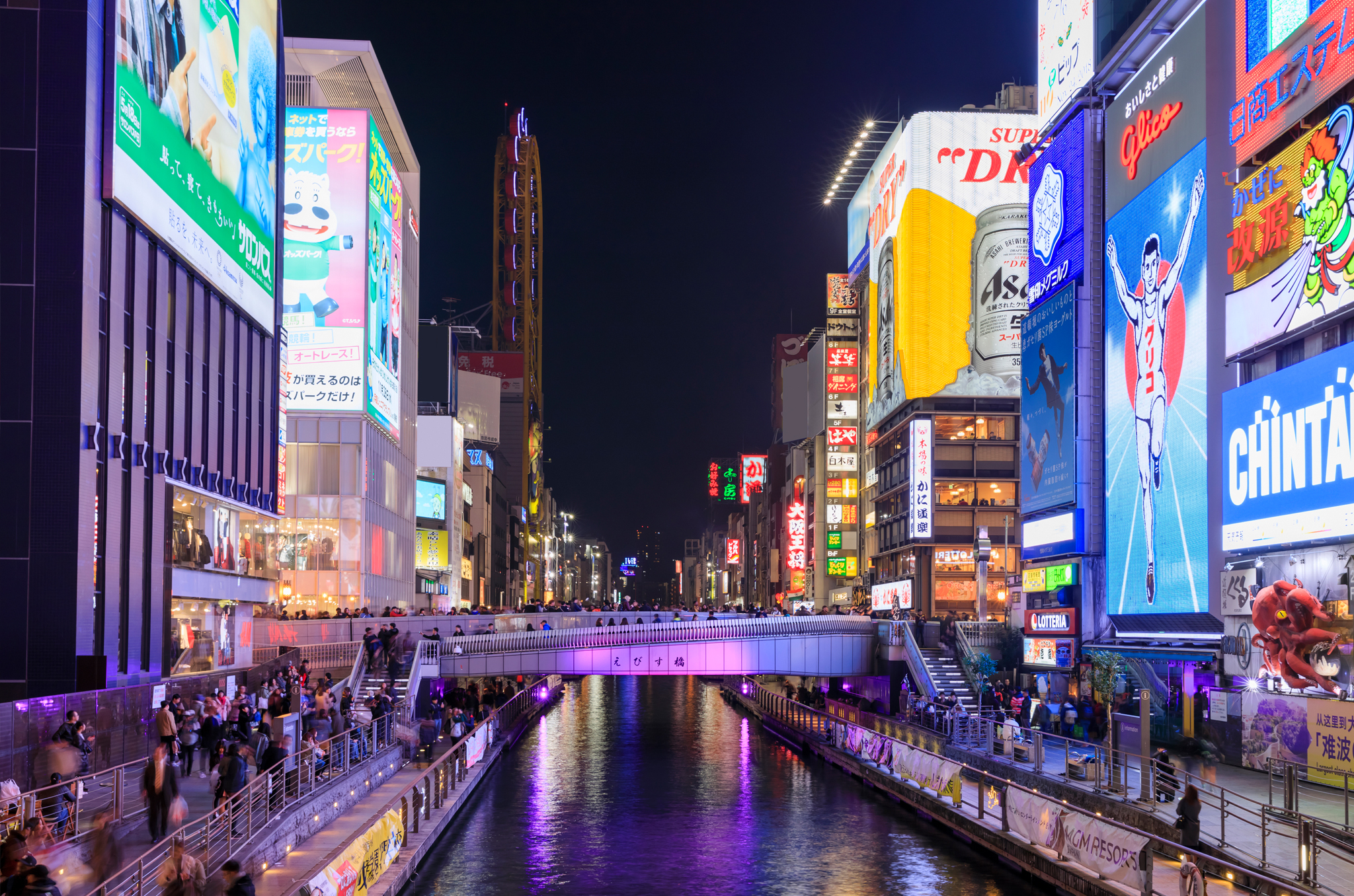
Tokyo has climbed three spots to secure the 10th position, marking its first appearance in the top 10 of this prestigious index. However, the Japanese capital continues to trail behind Osaka, which has maintained the 7th position for two consecutive years. The EIU index, which evaluates 173 cities globally, relies on a composite score derived from 30 qualitative and quantitative indicators, including healthcare, education, stability, infrastructure, and cultural vitality.

Global Comparisons
While Japanese cities performed admirably, the top of the list remains dominated by European and Australian hubs. Copenhagen, Denmark, claimed the top spot for the second year running, edging out Vienna, Austria. The presence of Melbourne, Sydney, Adelaide, Zurich, Geneva, and Vancouver in the top tier confirms that Japanese cities are now competing on a truly global scale for the title of "world’s most liveable."
5. Cultural Innovation: The Rise of the "Pokémon Airport"
In a creative fusion of tourism and pop culture, Noto Airport has officially rebranded as the "Noto Satoyama Pokémon With You Airport." This initiative marks the first time an international airport has adopted a character-themed identity.
Strategic Collaboration
The project, a joint effort between Ishikawa Prefecture and the Pokémon With You Foundation, serves two purposes: to revitalize local tourism following the airport’s anniversary and to provide a unique cultural experience for travelers. The airport features 111 hidden Flying-type Pokémon across its grounds, turning the terminal into an interactive, game-like space.
Key Installations
The centerpieces of the renovation include a two-story-tall Pikachu balloon in the main atrium and arrival lobbies decorated with art depicting the region’s natural beauty. By integrating regional recovery efforts into the artwork, the prefecture hopes to project a message of resilience, albeit through a lens of whimsical, globally recognized character branding.
6. Athletics: Naomi Osaka and the Wimbledon Narrative
The sporting world turned its eyes to the grass courts of London this week, as Naomi Osaka made a significant run at Wimbledon.
The Quarterfinal Run
Osaka’s journey to the quarterfinals—her furthest advancement in the tournament to date—was underscored by a dominant performance against world No. 1 Aryna Sabalenka. Although she was ultimately defeated by Czech player Karolína Muchová (6-7, 4-6), her resilience was noted by all. When questioned about her physical condition post-match, Osaka offered a candid, "I’m just getting old," a remark that resonated with fans who have followed her career through its various phases.
A Rising Star
The tournament also showcased Shintaro Mochizuki, who became only the third Japanese man in the Open era to reach the fourth round of Wimbledon. His performance, culminating in a match against world No. 1 Jannik Sinner, signals a potentially bright future for Japanese men’s tennis, further solidifying the country’s presence in the upper echelons of the sport.
Summary and Implications
The week of July 2026 has been defined by a tension between progress and the unexpected. While the formal approval of the Chuo Shinkansen represents a leap into the future of transport, the disturbing events in Ibaraki serve as a somber reminder of the challenges within domestic social structures. Simultaneously, Japan’s strong showing in the EIU liveability rankings and the innovative rebranding of Noto Airport reflect a nation that continues to balance traditional infrastructure, high quality of life, and a potent, world-class cultural influence. As the international community continues to parse the implications of recent diplomatic gaffes, the domestic focus remains fixed on economic development, social safety, and the celebration of cultural icons.


 Neng Nana
 Asro
Asro