In the rapidly accelerating landscape of artificial intelligence, the battle for market dominance has often been defined by speed, parameter counts, and processing power. However, as the technology embeds itself deeper into the fabric of daily life, a new metric of success is emerging: trust. Anthropic, the developer behind the Claude AI model, has pivoted away from the arms race of pure utility to plant its flag on the high ground of corporate responsibility. With its latest campaign, “Hard Questions,” the company is not merely marketing a product; it is inviting the global public to participate in a necessary, often uncomfortable, philosophical interrogation of the technology they are building.
The Genesis of "Hard Questions"
Launched as the latest iteration of the "Keep Thinking" campaign—which first debuted in September 2025—"Hard Questions" represents a deliberate departure from the glossy, hyper-optimistic advertising typical of Silicon Valley. Created in partnership with the creative agency Mother and directed by Myles McAuliffe, the campaign is a somber, cinematic exploration of human apprehension.
The film opens with a haunting visual: a house burning in the dead of night. The voiceover immediately punctures the tech-utopian narrative with a direct, jarring inquiry: "Can AI be trusted?" The ensuing montage oscillates between the visceral anxieties surrounding technology—a child staring blankly at a screen, the clinical coldness of facial recognition software—and the profound questions that linger in the minds of the average user.
"Who’s gonna hit the brakes, if we need to?" the narrator asks. "But wait a minute, why do we have to have this stuff?"
By grounding the creative in genuine human concern, Anthropic is signaling a shift in its brand identity. The campaign is not a monologue delivered from a boardroom; it is a synthesis of public discourse. Anthropic reportedly synthesized feedback from over 12,000 individuals worldwide, ensuring that the "Hard Questions" posed in the ad were not the product of advertising copywriters, but the authentic hopes and fears of the people living alongside these models.
A Chronology of Conscience: Building a Responsible Narrative
To understand why Anthropic’s current stance is so significant, one must look at the timeline of the company’s strategic positioning over the last eighteen months.
- September 2025: The "Keep Thinking" platform launches, establishing the brand’s intellectual, safety-first persona.
- January 2026: A pivotal moment occurs in the AI industry when OpenAI announces the beta testing of advertisements within ChatGPT. This decision sets the stage for a dramatic industry schism.
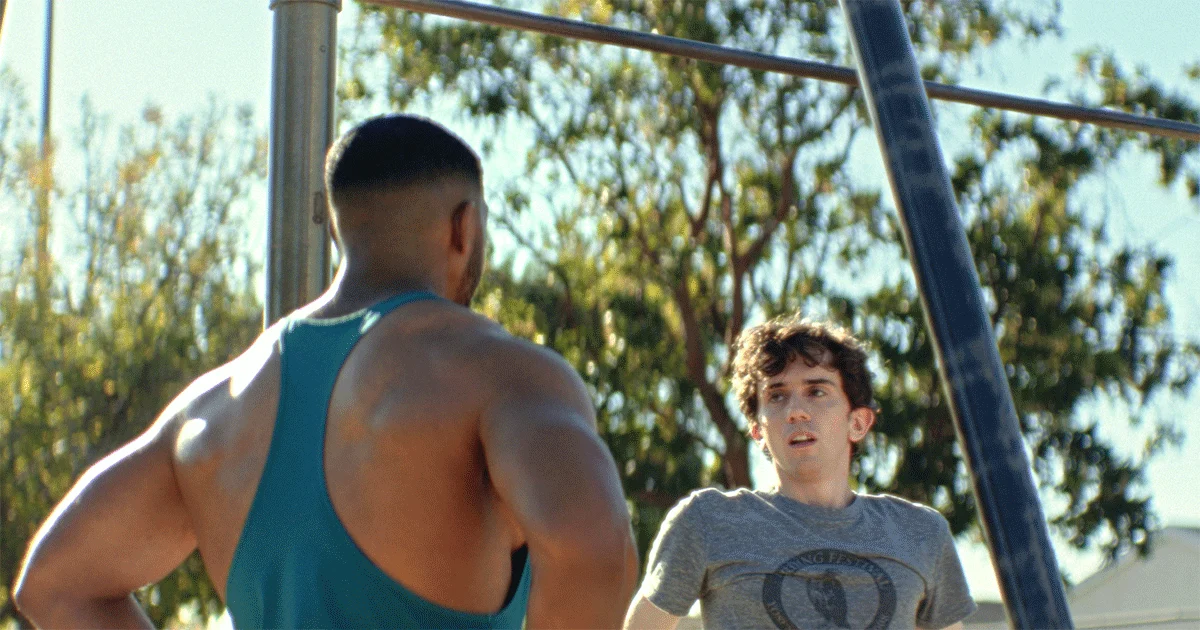
- February 2026 (Super Bowl 60): Anthropic executes a high-stakes counter-offensive. During the broadcast, they aired two spots that satirized the prospect of ad-interrupted AI experiences. The ads were visually chaotic and thematically pointed, highlighting how advertisements would undermine the utility and clarity of an AI assistant.
- Spring 2026: The Super Bowl campaign, despite being labeled "deceptive" by OpenAI CEO Sam Altman, gains massive critical acclaim within the advertising industry.
- June 2026: The campaign’s creative excellence is solidified when the Super Bowl spots win the prestigious Film Grand Prix at the Cannes Lions International Festival of Creativity.
- Late 2026: Anthropic evolves the conversation from satire to substance with the launch of "Hard Questions," accompanied by an interactive portal that allows users to engage directly with the ethical dilemmas posed by the AI revolution.
The Data of Disquiet: Why the Strategy Works
Anthropic’s strategy is rooted in a keen understanding of consumer sentiment. As AI adoption crosses the chasm from early adopters to the general public, the "wow" factor is being rapidly eclipsed by a "worry" factor.
The inclusion of the 12,000-person survey data provides a layer of credibility that is often missing from tech marketing. By acknowledging that the public feels "misunderstood" by technology, Anthropic positions Claude not as a master, but as a potential conduit for better human connection. The film’s final arc reflects this, shifting from the harsh blues and shadows of the burning house to warm, golden-hour imagery of people embracing and engaging with nature. It is a visual metaphor for the company’s stated goal: AI that acts as a human-centric tool rather than a disruptive force.
This data-driven approach to brand narrative helps mitigate the "black box" stigma that plagues the AI industry. By creating a digital space for users to ask their own questions—housed at claude.com/hard-questions—the company is effectively gamifying AI literacy and ethics, making them accessible to the average person.
Industry Friction and Official Responses
The rift between Anthropic and its primary competitor, OpenAI, has become the defining rivalry of the current AI era. When OpenAI introduced ads into its interface, it prioritized revenue growth, a move that Anthropic identified as a vulnerability.

The public spat between the two entities reached a fever pitch following the Super Bowl 60 spots. Sam Altman’s characterization of Anthropic’s marketing as "deceptive" underscores the tension between the two companies’ philosophies. While OpenAI has leaned into aggressive product scaling and monetization, Anthropic has leaned into a brand persona that suggests they are the "adult in the room."
This tension is not just about advertising—it is about the fundamental business model of AI. If AI is free, the user is the product; if AI is a paid service, the user is the customer. By promising an ad-free experience, Anthropic is betting that users will eventually prefer a model that is loyal only to them, rather than one loyal to the highest bidder in an ad-auction system.
Implications: The Future of Brand Trust in the Age of Intelligence
The "Hard Questions" campaign serves as a case study for how brands can navigate existential technological shifts.
1. The Death of the "Tech-Utopian" Ad
For years, tech companies sold "seamlessness" and "magic." Anthropic has realized that the public is no longer buying the fantasy. By being the first to openly ask "Why do we need this?", they effectively pre-empt the skepticism of the audience, building trust through vulnerability.
2. Advertising as a Philosophical Differentiator
In a commoditized market where large language models are becoming increasingly similar in capability, branding becomes the primary differentiator. Anthropic is betting that in the long run, users will choose the platform that feels "safe" and "human" over the one that is simply the fastest or the most heavily advertised.
3. The Institutionalization of User Feedback
By integrating public concerns directly into their marketing, Anthropic is engaging in a form of "open-source ethics." This creates a feedback loop where the company must answer the questions they have invited, potentially leading to more transparent product development.
4. The Cannes Lions Effect
Winning the Film Grand Prix is not just a marketing accolade; it is a seal of approval from the global creative community. It validates Anthropic’s strategy in the eyes of industry peers, ensuring that their message of "responsible AI" carries the weight of cultural importance.
Conclusion
As the AI industry matures, the divide between companies that treat AI as a data-mining engine and those that treat it as a collaborative tool will only widen. Anthropic’s "Hard Questions" campaign is a masterclass in modern brand positioning. It acknowledges the fire that AI has ignited—the anxiety, the skepticism, and the fear—and chooses not to extinguish it with empty corporate platitudes. Instead, it invites the world to keep asking, keep questioning, and ultimately, to keep thinking.
Whether this approach will secure long-term market dominance remains to be seen. However, by aligning its brand with the difficult, necessary, and human side of the technology, Anthropic has successfully positioned itself not just as a software provider, but as a steward of the human experience in the digital age. As we look toward the future, the companies that succeed will be those that don’t just provide the best answers, but those that have the courage to ask the right questions.