Layla Zulfa
As the calendar turns toward the midpoint of 2026, the literary landscape—particularly the burgeoning world of graphic novels—has proven to be exceptionally robust. For avid readers and casual fans alike, the first half of this year has delivered a masterclass in visual storytelling, blending profound emotional stakes with innovative artistic techniques.
The editorial team at Book Riot has spent the last six months navigating a sea of new releases, sifting through hundreds of titles to identify the works that aren’t just good, but transformative. Narrowing down such a competitive field is an exercise in restraint, yet five standout titles have emerged as the definitive voices of this year’s mid-point. These selections span the spectrum from intimate, nonbinary coming-of-age stories to gritty, sociopolitical horror, proving that the graphic novel medium remains one of the most potent tools for contemporary expression.
The Mid-Year Highlights: A Curated Selection
The following titles represent the pinnacle of sequential art released between January and June 2026. They have been selected not only for their narrative cohesion and visual flair but for their ability to spark conversation and linger in the minds of readers long after the final panel.
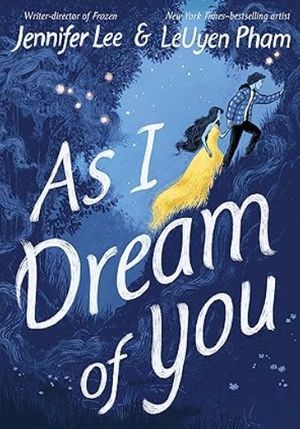
1. As I Dream of You by Jennifer Lee and LeUyen Pham
Jennifer Lee, the visionary director behind Frozen, has ventured into the world of YA graphic novels with an ambitious debut. Teaming up with the celebrated illustrator LeUyen Pham, Lee has crafted a narrative that is as haunting as it is beautiful. Drawing inspiration from the classical Greek myth of Orpheus and Eurydice, and weaving in the raw, authentic textures of her own teenage brushes with love and loss, As I Dream of You is a triumph of emotional vulnerability.

The book’s success lies in its cinematic pacing. Lee utilizes a narrative structure that feels distinctly visual, allowing Pham’s artwork to bridge the gaps between dialogue and internal monologue. The interplay of light and shadow serves as a thematic anchor, mirroring the protagonist’s journey through grief. It is, by all accounts, a heart-wrenching addition to the young adult canon.
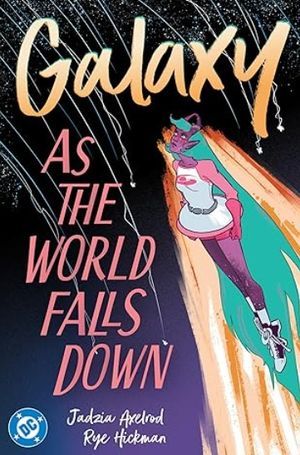
2. Galaxy: As the World Falls Down by Jadzia Axelrod and Rye Hickman
The sequel to the widely acclaimed Galaxy: The Prettiest Star has arrived with immense expectations, and it has more than delivered. Jadzia Axelrod’s return to this universe—brought to life by the dynamic art of Rye Hickman—solidifies the series as a modern staple of the superhero genre.
What makes As the World Falls Down stand out is its refusal to choose between high-octane action and grounded, character-driven drama. The story manages to balance epic stakes with the intimate, relatable struggles of its cast. Furthermore, the inclusion of classic comic book elements, such as the appearance of the legendary Ma Hunkel, provides a satisfying nod to DC history that will delight long-time fans while keeping the narrative firmly rooted in its contemporary, progressive vision.
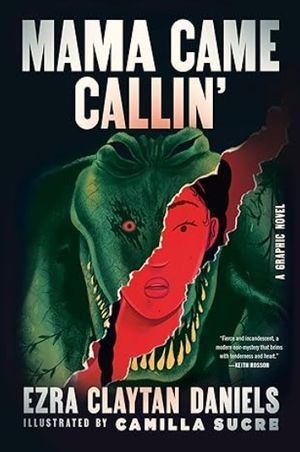
3. Mama Came Callin’ by Ezra Claytan Daniels and Camilla Sucre
In the realm of horror and suspense, Mama Came Callin’ has set a new benchmark for the year. The collaboration between writer Ezra Claytan Daniels and artist Camilla Sucre delivers a narrative that blends swamp noir with the sharp, biting edge of social critique.
The story follows Kirah, a young woman navigating the labyrinthine mystery of her mother’s murder. Beyond the "slasher" elements, the graphic novel serves as a pointed exploration of institutional racism and the weight of history. The use of a constrained, moody color palette is particularly effective in establishing a claustrophobic atmosphere that forces the reader to confront the complexities of the characters. It is a work that demands repeat readings to fully grasp its nuanced commentary.
4. Opting Out by Maia Kobabe and Swati “Lucky” Srikumar
Middle-grade literature often struggles to tackle the transition of puberty with genuine nuance, but Opting Out succeeds where many others fail. Maia Kobabe, famous for the groundbreaking Gender Queer, makes a bold move into the middle-grade space, co-writing and illustrating with Lucky Srikumar.
The story follows Saachi, an Indian American seventh-grader who finds herself increasingly alienated by the performative nature of her peers’ dating lives. As the physical and emotional changes of puberty set in, Saachi experiences an anxiety that is deeply relatable to any child who has felt like an outsider. What makes this title essential reading is its nonbinary lens—a perspective rarely afforded to middle-grade characters. In a political climate where LGBTQ+ narratives are increasingly being scrubbed from school libraries, Opting Out serves as a vital, necessary, and compassionate resource for young readers.
5. Wake Now in the Fire by Jarrett Dapier and AJ Dungo
Perhaps the most topical of the year’s releases, Wake Now in the Fire explores the history of censorship in American education. Centering on the 2013 controversy surrounding the banning of Marjane Satrapi’s Persepolis in Chicago Public Schools, Jarrett Dapier and AJ Dungo examine the student-led resistance that followed.
The book is an urgent reminder that current trends in book banning are part of a larger, systemic struggle over truth and autonomy. By focusing on the students, Dapier captures the intersection of personal anxiety and political awakening. The narrative highlights the diverse ways young people engage with activism—whether through essay writing or sit-ins—rendering the protagonists as fully realized, complex individuals rather than simple archetypes of resistance.
Chronology and Industry Context
The release of these titles tracks with a broader trend in the publishing industry: the decentralization of "traditional" graphic novel subjects. In early 2026, the market saw a distinct shift toward works that prioritize social commentary and intersectional identities.
- January–February: The industry saw a surge in horror-noir and historical fiction, led by the February release of Mama Came Callin’ and Wake Now in the Fire.
- March–April: The focus shifted toward genre-bending superhero stories and YA dramas.
- May–June: Mid-year, the release of Opting Out and As I Dream of You capped off a period of intense focus on identity and coming-of-age stories, aligning with Pride month and end-of-school-year reading initiatives.
Supporting Data and Market Impact
The current success of these titles is supported by a growing consumer demand for "serious" graphic literature. According to recent market reports, graphic novels for young adults have outperformed traditional prose in several demographics. The diversity of these top five picks reflects the shifting demographics of the reader base, which is increasingly seeking stories that mirror the complexities of the modern world.
The reliance on these titles as "essential reads" is underscored by their reception in independent bookstores. Titles like Opting Out and Wake Now in the Fire have seen high circulation numbers in libraries, despite the rising tide of censorship attempts mentioned in the latter.
Implications for the Future of Literature
The emergence of these five books signifies a maturation of the graphic novel medium. No longer considered "light" reading, these works are actively contributing to the cultural discourse surrounding:
- Censorship: Wake Now in the Fire provides a historical roadmap for resisting the current wave of library challenges, offering a blueprint for student-led activism.
- Gender Identity: Through works like Opting Out, the industry is filling a void in the middle-grade market, providing children with the vocabulary and validation to understand their own evolving identities.
- Societal Inequity: By utilizing the horror genre to address institutional racism, Mama Came Callin’ demonstrates that sequential art can tackle systemic issues with a visceral effectiveness that prose sometimes struggles to replicate.
As we look toward the second half of 2026, the success of these books indicates that the reading public is hungry for narratives that challenge the status quo. These are not merely stories; they are cultural artifacts that document the anxieties, hopes, and triumphs of the year. Whether you are looking for a supernatural thrill, a deep dive into historical activism, or a gentle guide through the messy transition of puberty, the first half of 2026 has provided a rich, diverse library of options.
For more information on the best books of the year, readers are encouraged to consult the full list at Book Riot.
Disclaimer: This content contains affiliate links. When you purchase through these links, we may earn an affiliate commission, which supports our ongoing efforts to review and highlight the best in contemporary literature.


 Laily UPN
 Lina Irawan