


In the competitive landscape of 2026, the smartphone market has reached a point of refinement where the choice between top-tier devices is no longer about finding a "better" phone, but rather identifying the right philosophy for one’s lifestyle. Apple’s iPhone 17 Pro Max and the Samsung Galaxy S26 Ultra stand as the undisputed titans of the industry, representing the pinnacle of mobile engineering, AI integration, and user-centric design.
While both devices promise "no-compromise" performance, they take fundamentally different paths to reach that goal. Apple continues to lean into the strength of its walled garden, emphasizing a seamless, cohesive user experience, while Samsung positions the Galaxy S26 Ultra as the ultimate tool for the power user, prioritizing versatility, hardware customization, and sheer technical specifications.
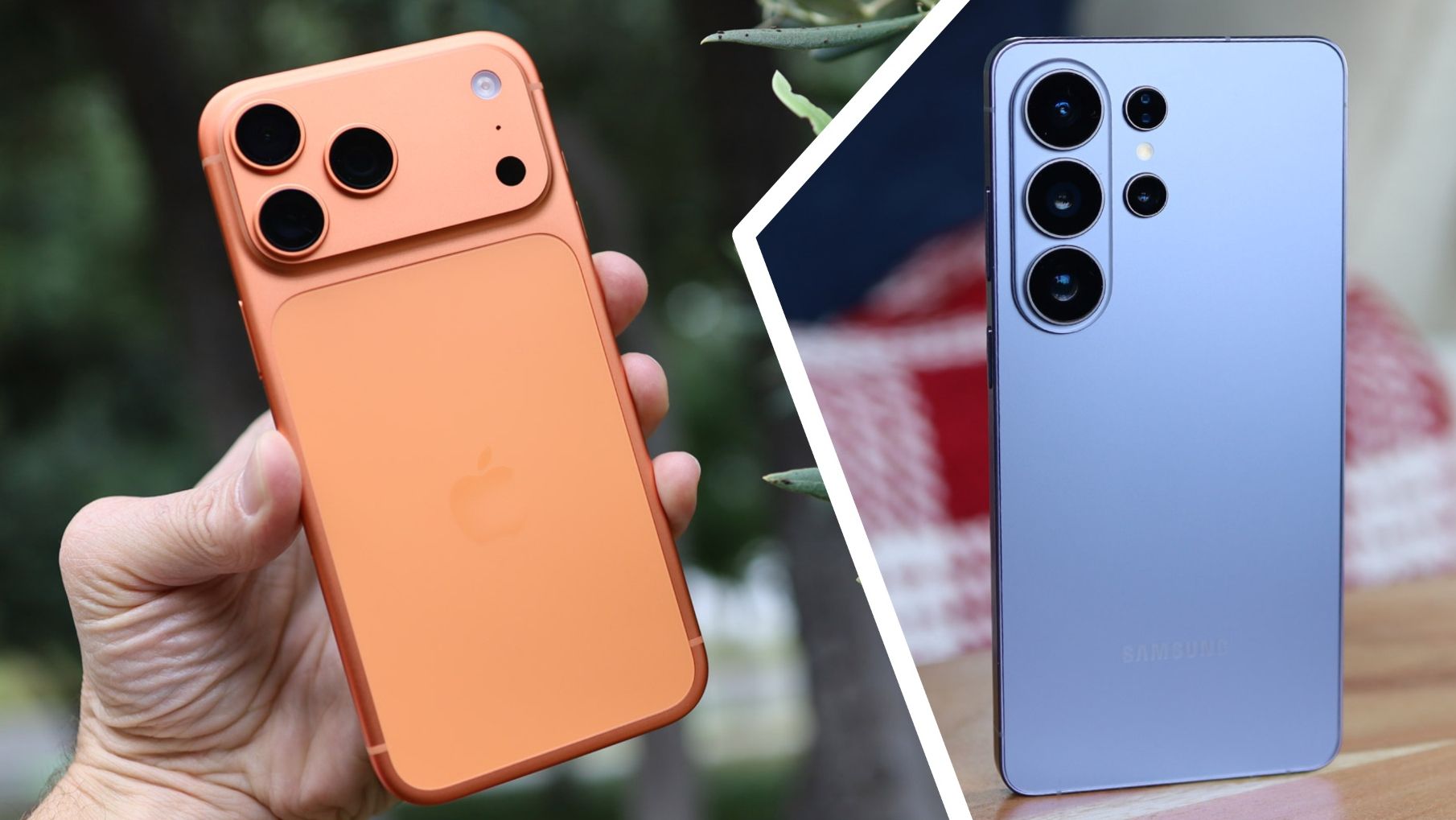
Main Facts: The Battle of the Titans
At their core, both the iPhone 17 Pro Max and the Galaxy S26 Ultra are massive, high-performance, and undeniably premium devices. They share a baseline of excellence: vibrant 6.9-inch OLED displays, advanced camera arrays, long-lasting batteries, and powerful AI-driven software suites. However, the internal architecture differs significantly.
The iPhone 17 Pro Max is powered by Apple’s proprietary A19 Pro silicon, a chip designed to maximize efficiency while handling the heavy lifting of modern iOS features and gaming. In contrast, Samsung utilizes the Snapdragon 8 Elite Gen 5 for Galaxy, a chip that prioritizes raw multitasking capability and integration with its extensive AI toolkit.
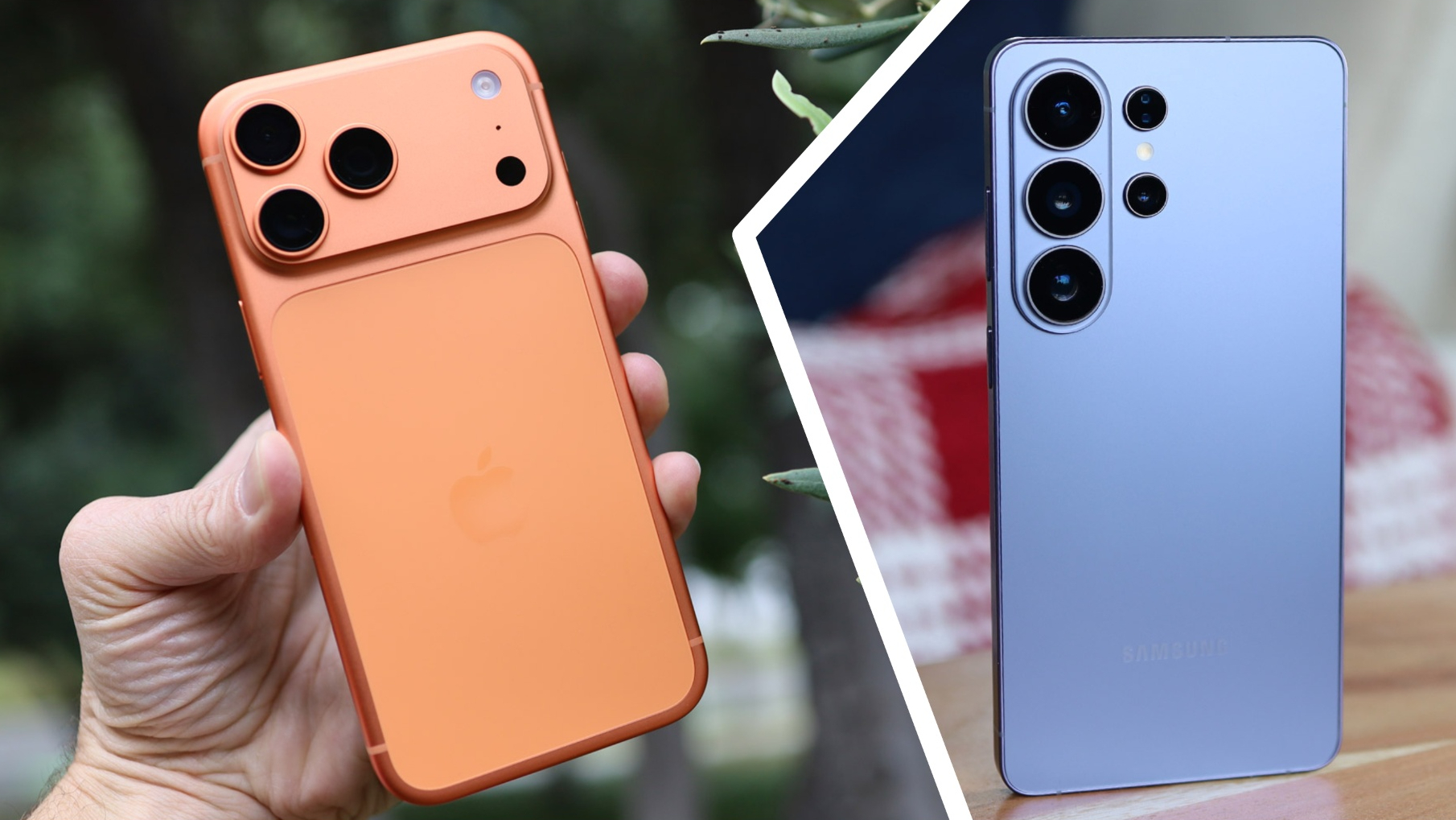
For the average consumer, the choice often defaults to the existing ecosystem. The Apple user remains tethered to the convenience of the App Store, iMessage, and deep integration with the MacBook and Apple Watch. The Android user, meanwhile, finds a haven in the S26 Ultra’s ability to handle split-screen multitasking, the precision of the integrated S Pen, and the granular control offered by the Android operating system.
A Chronological Perspective
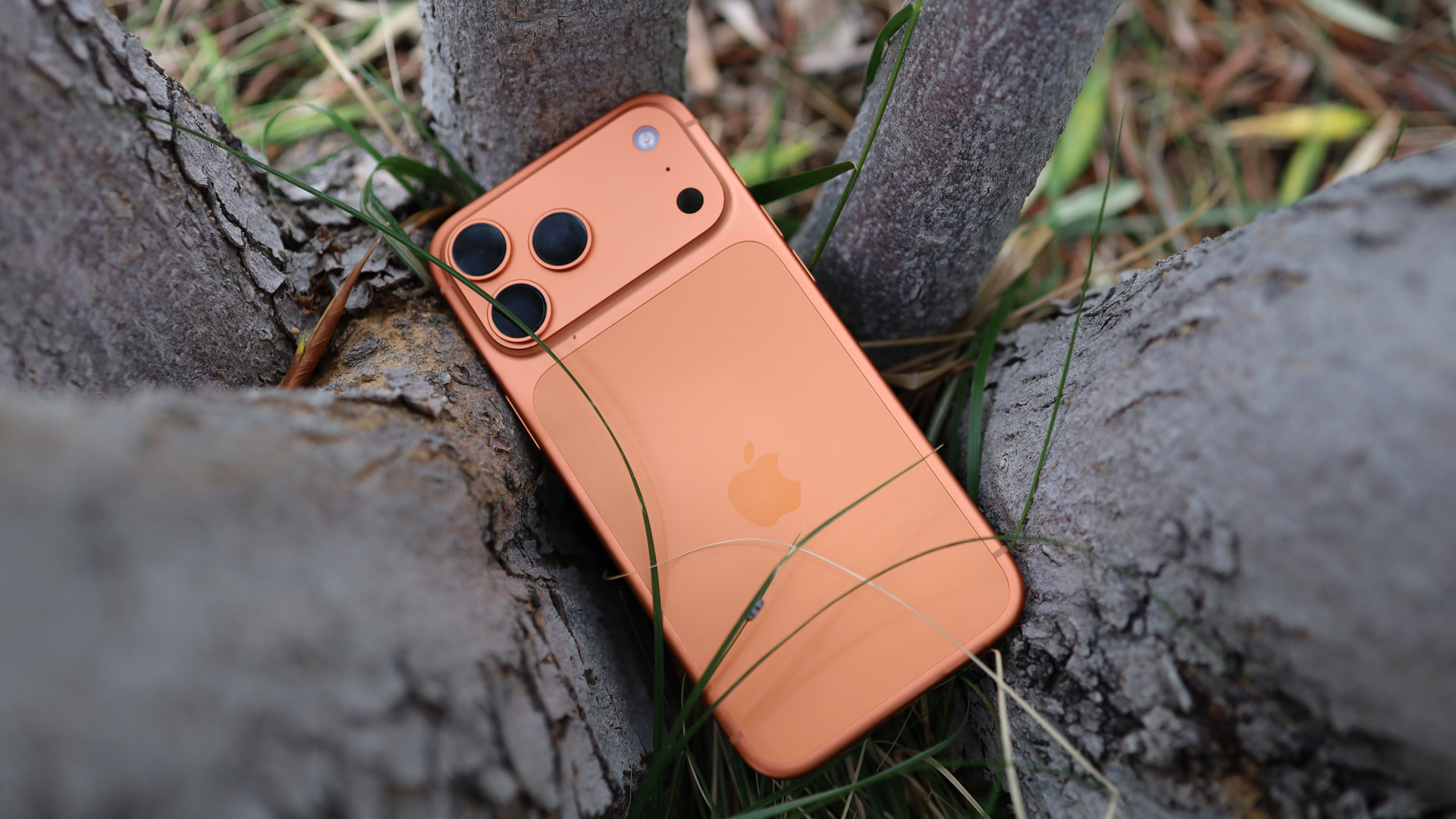
The release cadence of these two devices set the stage for their rivalry in 2026. The iPhone 17 Pro Max made its debut in September 2025, signaling a pivotal shift in Apple’s design language. Moving to an aluminum unibody, Apple introduced a new vapor cooling chamber to address thermal management, allowing the device to sustain peak performance longer than its predecessors. The integration of the Action button and the sophisticated Camera Control further refined the user interaction model.
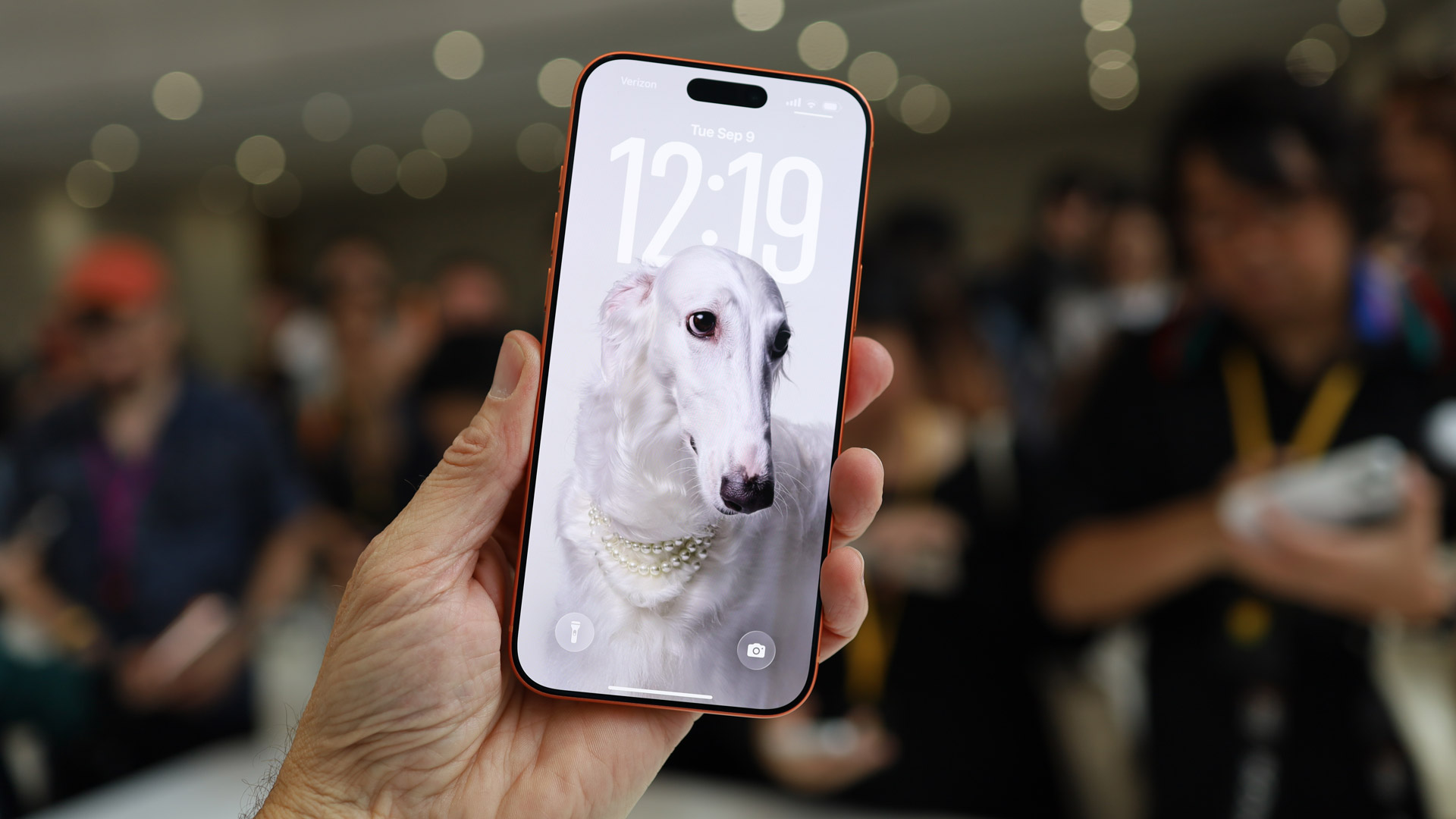
Six months later, in March 2026, Samsung launched the Galaxy S26 Ultra. By arriving later in the cycle, Samsung was able to integrate the latest advancements in AI software and display technology. The S26 Ultra felt like a direct response to the market’s demand for a thinner, lighter device that didn’t sacrifice screen real estate. The introduction of "Privacy Display" technology and a renewed focus on S Pen utility showcased Samsung’s strategy of iterating on hardware utility rather than just aesthetics.
Comparative Data: Technical Breakdown
Understanding the nuance between these devices requires a look at the technical specifications that define their day-to-day usability.
| Feature | iPhone 17 Pro Max | Samsung Galaxy S26 Ultra |
|---|---|---|
| Display | 6.9-inch Super Retina XDR | 6.9-inch Dynamic AMOLED 2X |
| Peak Brightness | 3,000 nits | 2,600 nits |
| Chipset | A19 Pro | Snapdragon 8 Elite Gen 5 |
| RAM | 12GB | 12GB / 16GB |
| Primary Camera | 48MP | 200MP |
| Battery | 5,088mAh | 5,000mAh |
| Wired Charging | Standard Fast | 60W |
Display and Design
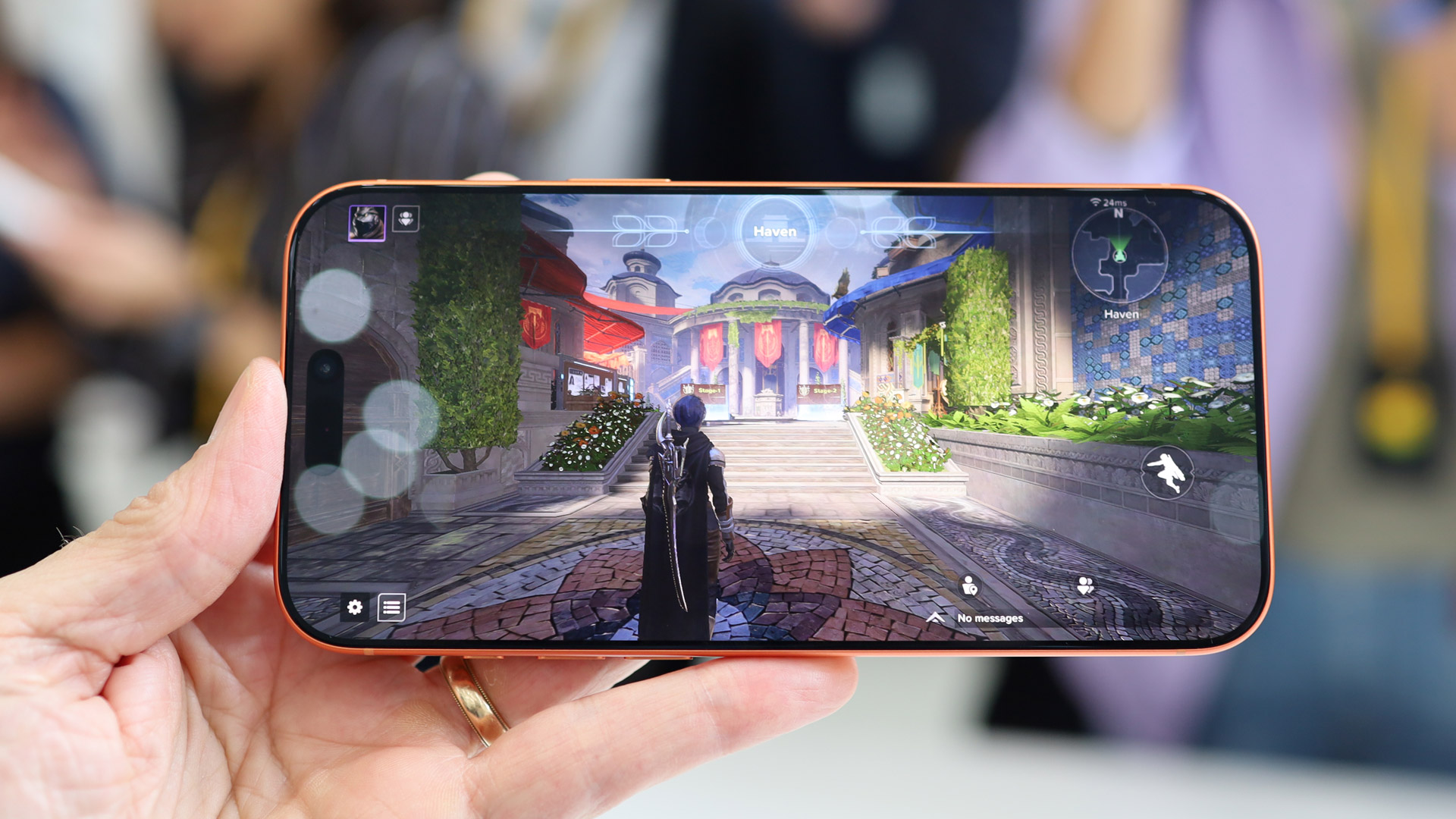
While both screens are 6.9 inches, their character is distinct. The iPhone 17 Pro Max shines in outdoor scenarios with a staggering 3,000-nit peak brightness. However, the Galaxy S26 Ultra boasts higher resolution and a more flexible refresh rate. Crucially, Samsung’s decision to make the device thinner (7.9mm) and lighter (214g) compared to the iPhone makes it feel more ergonomic despite its large dimensions.
Camera Versatility
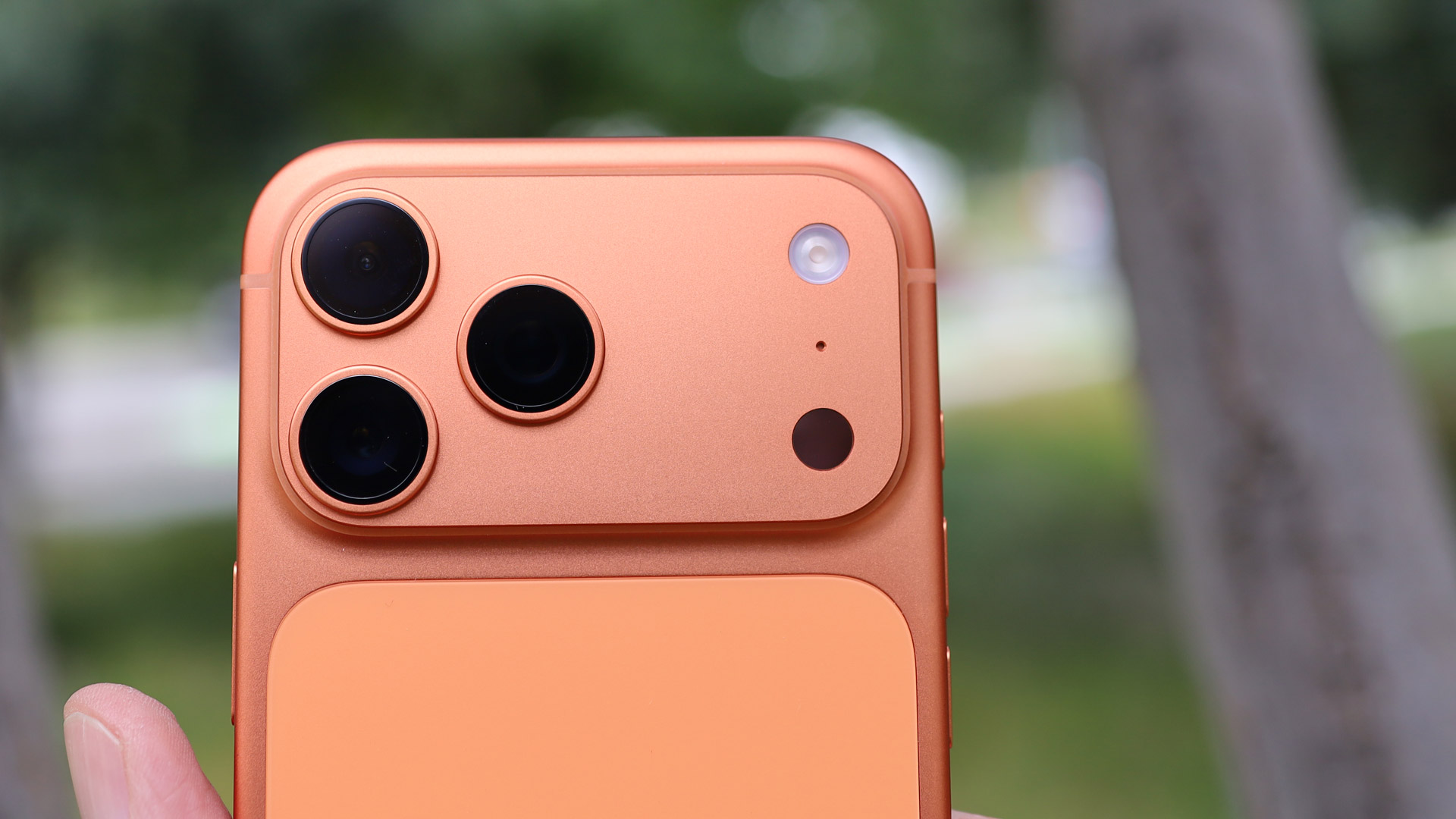
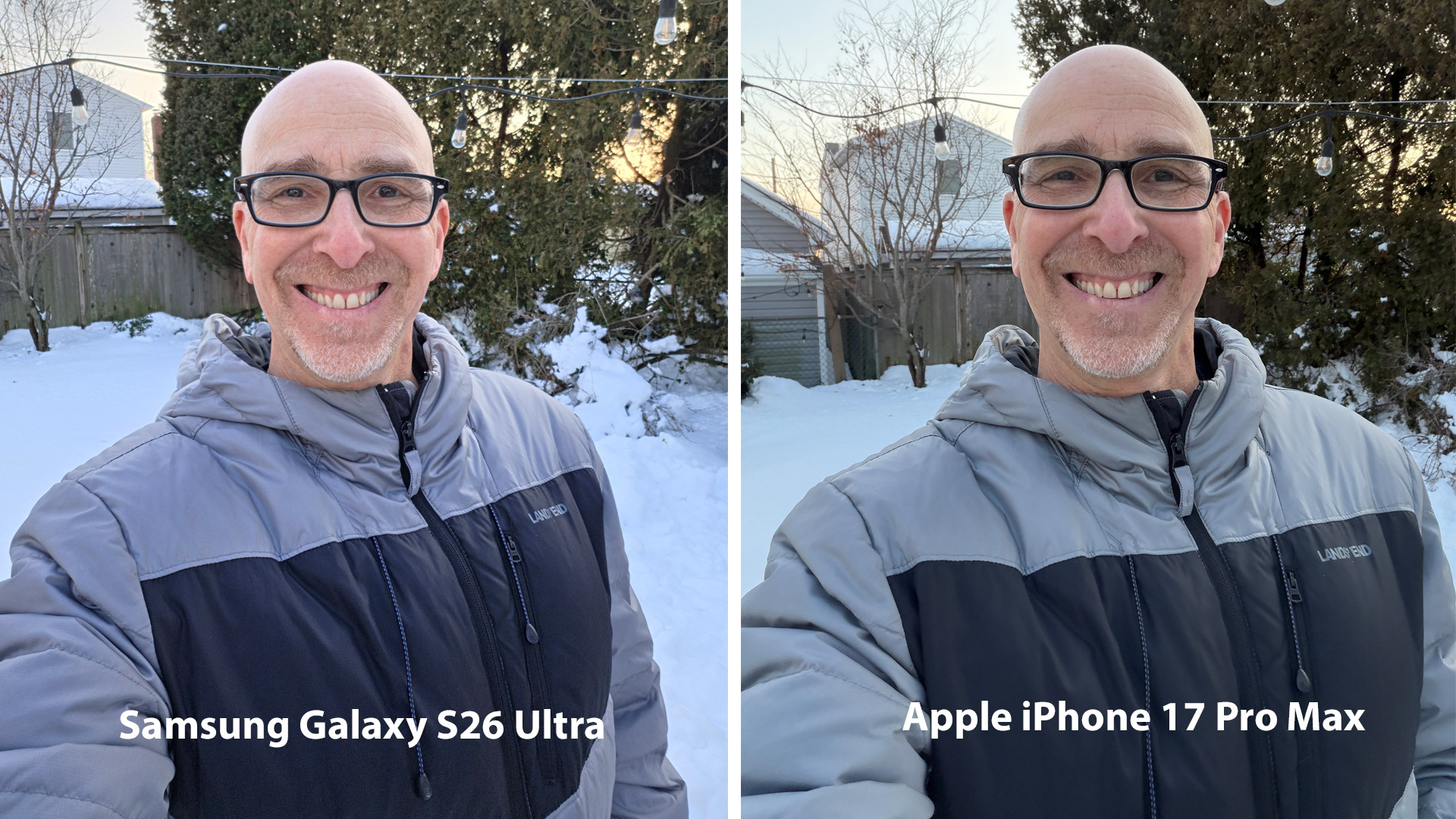
The camera systems represent the most significant philosophical divide. Apple has opted for consistency and simplicity: three 48MP sensors that provide a balanced, reliable shooting experience across all focal lengths. The new 18MP selfie camera with subject tracking is a standout, particularly for content creators.
Samsung, conversely, opts for a "more is more" approach. With a 200MP main sensor, dual telephoto lenses, and a 50MP ultra-wide, the S26 Ultra is undeniably more versatile. Whether shooting at 3x, 5x, or 10x, the S26 Ultra offers a level of reach that the iPhone currently cannot match. While the iPhone remains the king of high-quality, consistent video—aided by ProRes support—the Galaxy S26 Ultra is the preferred tool for photographers who crave hardware flexibility.
Official Responses and Strategic Positioning
Apple’s marketing around the iPhone 17 Pro Max has focused heavily on "cohesion." By highlighting the integration between the A19 Pro, the new vapor chamber cooling, and the iOS 26 ecosystem, Apple is selling a "lifestyle" rather than just a spec sheet. Their internal benchmarks focus on long-term performance and the reliability of the device over years of usage.
Samsung’s narrative, meanwhile, centers on "empowerment." By emphasizing the S Pen, the multi-lens camera system, and the openness of the Android platform, Samsung is courting the power user. Their official marketing materials highlight "Galaxy AI" as a core pillar, suggesting that the S26 Ultra is not just a phone, but a portable computer designed to help users get more done in less time.
Implications for the Consumer
For the consumer, the implications of this rivalry are profound. We have reached a stage of "peak smartphone," where year-over-year upgrades are becoming more incremental. Consequently, the choice between the iPhone 17 Pro Max and the Samsung Galaxy S26 Ultra boils down to three primary factors:
- Ecosystem Lock-in: If you have already invested in Apple’s ecosystem—iCloud, Apple Watch, and macOS—the iPhone 17 Pro Max is the logical choice. The interoperability between these devices remains the "gold standard" of the industry.
- Productivity and Customization: If you find yourself needing to annotate documents, multitask with multiple apps, or desire the freedom to customize your home screen and file system, the Galaxy S26 Ultra is objectively superior. The S Pen is a utility that Apple simply does not offer on its flagship phone.
- The "Reliability vs. Versatility" Trade-off: The iPhone offers a "it just works" experience with consistent photo and video quality. The Galaxy offers a high-ceiling for creativity and utility, but it requires a user who is willing to engage with a more complex set of tools.
The Verdict
In the final analysis, declaring a single winner is an exercise in futility because the devices serve different masters. The Samsung Galaxy S26 Ultra wins on technical specs—faster charging, a more flexible camera array, and the unique addition of the S Pen. It is the more "capable" device for someone who wants to push the boundaries of what a phone can do.
However, the iPhone 17 Pro Max wins on the experience. It provides a level of refinement, ecosystem integration, and video production quality that is difficult to ignore. It is the most "cohesive" device on the market.

Ultimately, the best phone for you in 2026 is the one that fits into your life without friction. If you value the freedom to manipulate your digital environment, the S26 Ultra is your tool. If you value the peace of mind that comes with a perfectly integrated, high-performance ecosystem, the iPhone 17 Pro Max remains the unparalleled choice. The gap between them has narrowed to a sliver, making this the most exciting time to be a smartphone user in the history of the industry.












No comments yet. Be the first to join the conversation!