Iffa Jayyana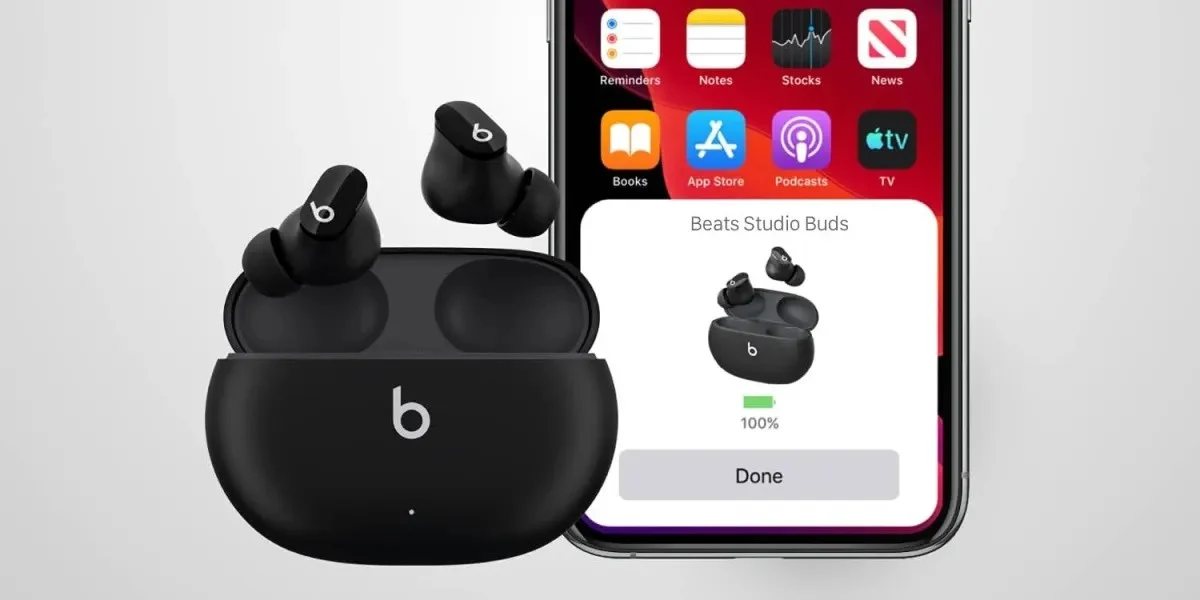
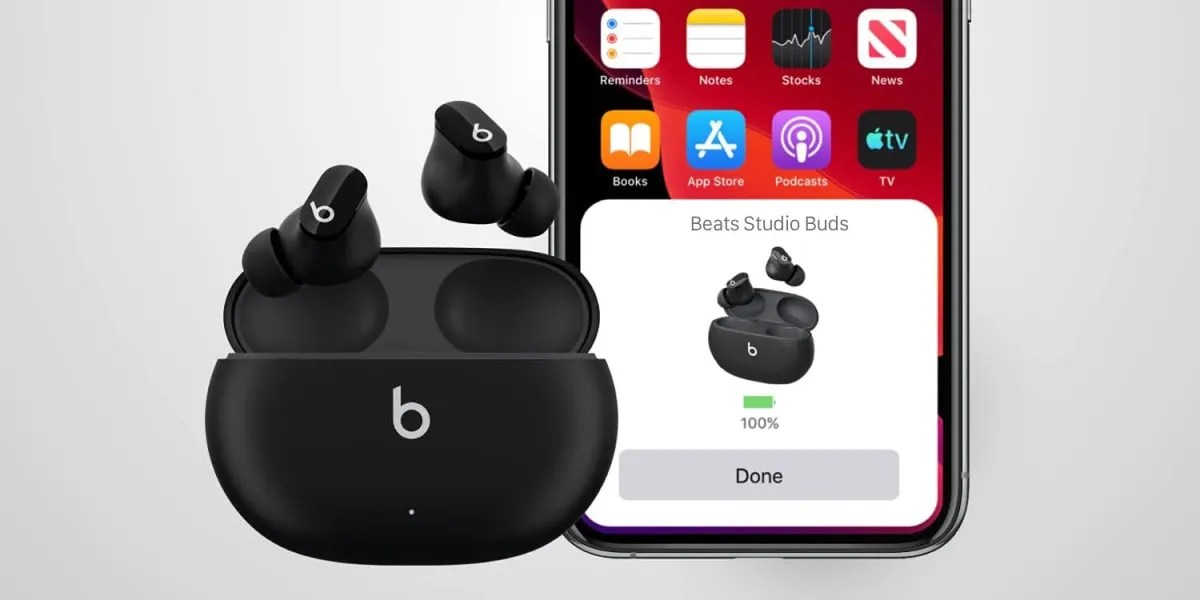
In a coordinated push to bolster the security of its wireless audio ecosystem, Apple has released a series of critical firmware updates. While the tech giant rolled out performance-focused updates for its premium AirPods lineup earlier today, a more significant, security-critical patch has been issued for the Beats Studio Buds. Firmware version 1B211 directly addresses a high-severity vulnerability that could have allowed unauthorized individuals within Bluetooth range to potentially intercept audio via the device’s microphone.
Main Facts: The Nature of the Threat
The core of this security release is the resolution of CVE-2025-20701, a vulnerability that specifically affects the Beats Studio Buds. According to Apple’s official security advisory, the flaw existed within the Bluetooth pairing process.
Under normal circumstances, Bluetooth devices are designed to enter a "discoverable" state only when explicitly prompted by the user. However, this vulnerability created a window of opportunity: an attacker located within Bluetooth range of a device that was not yet paired—but was actively seeking pairing requests—could potentially leverage the flaw to activate the microphone remotely.
This type of "man-in-the-middle" or unauthorized access scenario is particularly concerning because it requires no interaction from the victim other than the device being in a state ready to accept a new connection. Apple has confirmed that the issue stems from an implementation of open-source code, noting that several other projects utilizing similar software frameworks may be affected.

Chronology of the Release
The release, which occurred on June 16, 2026, was part of a wider maintenance window for Apple’s audio hardware. The sequence of events was as follows:
- Early Morning (June 16, 2026): Apple released firmware version 8.1.41 (8B41) for the AirPods Pro 3, AirPods Pro 2 (USB-C), and the original AirPods Pro (2nd generation). These updates were described as containing general "bug fixes and other improvements."
- Mid-Day (June 16, 2026): Security researchers and the broader tech community identified a separate, more critical update: firmware version 1B211 for the Beats Studio Buds.
- Post-Release Documentation: Shortly after the updates were pushed to servers, Apple published a dedicated security support document (HT127557) specifically detailing the CVE-2025-20701 vulnerability, distinguishing it from the non-security-related updates provided to the AirPods line.
Supporting Data and Technical Context
The technical landscape of modern wireless audio devices is increasingly complex. Because Beats headphones and AirPods utilize proprietary chips (such as the H1, H2, or specialized Beats silicon) to manage Bluetooth handshakes and low-latency audio, they are effectively small, specialized computers.
CVE-2025-20701 highlights a recurring issue in the IoT (Internet of Things) and consumer electronics space: the reliance on shared open-source libraries to handle standard communication protocols. When a vulnerability is discovered in these foundational libraries, it can leave thousands of hardware products exposed until manufacturers can audit their codebases and issue patches.
While Apple has not disclosed how many users were potentially exposed, the Beats Studio Buds remain a widely distributed product. The fact that this vulnerability was caught and patched suggests a robust internal or external bug-bounty program, which remains a cornerstone of Apple’s "security through transparency" policy.
Official Responses and Remediation
Apple’s approach to firmware updates for headphones has historically been opaque, as these devices do not have a user-facing "Update" button in the traditional sense. Instead, Apple utilizes a "background synchronization" model.
How to Ensure Your Device is Protected
Because there is no manual "push" button, users must rely on the background update mechanism. To facilitate this:
- System Requirements: Ensure that your primary device (iPhone, iPad, or Mac) is running the latest version of its respective operating system (iOS, iPadOS, or macOS).
- Connectivity: Keep the Beats Studio Buds in their charging case with the lid open, and ensure the case is connected to a power source.
- Proximity: Ensure the host device is within range and connected to a stable Wi-Fi network.
Apple’s official support documents indicate that the update process is silent and automatic. For those utilizing the Beats app on Android, the process is similar; the app will periodically check for and install firmware updates in the background, provided the headphones are connected to the phone and the app is active.
Implications for Consumer Security
The discovery and subsequent patching of this flaw carry significant implications for the future of wearable tech security.

The Trust Gap
Consumers often view Bluetooth headsets as "dumb" accessories, ignoring the fact that they are wireless transceivers that have access to the most private input of all: human conversation. The ability for an unauthorized party to access a microphone—even under specific, narrow conditions—erodes the expectation of privacy that users have come to rely on.
The Importance of Firmware Lifecycle Management
For years, the "set it and forget it" nature of wireless earbuds has been a selling point. However, this incident demonstrates that consumers must treat their headphones with the same security vigilance as their laptops or smartphones. Manufacturers must continue to prioritize long-term firmware support, as hardware-based vulnerabilities like CVE-2025-20701 cannot be "fixed" by the user—they require the manufacturer to remain committed to the product’s security lifecycle.
A Call for Transparency
The contrast between the AirPods update (which only listed "bug fixes") and the Beats update (which explicitly detailed a security exploit) raises questions about disclosure. While Apple is to be commended for its detailed security documentation regarding the Beats vulnerability, the ambiguity surrounding the AirPods 8.1.41 update remains a point of contention among security analysts who argue that all firmware updates should include a breakdown of security content, even if it is minor.
Conclusion
While the patch for the Beats Studio Buds is a positive step, it serves as a reminder that the wireless audio market is not immune to the threats facing the broader digital world. As our devices become more interconnected, the attack surface for bad actors grows.

Owners of Beats Studio Buds are strongly encouraged to ensure their devices have had adequate time to connect to their primary hardware to allow the 1B211 firmware to install. By maintaining updated software, users can mitigate the risks posed by vulnerabilities like CVE-2025-20701 and continue to enjoy their audio devices with a higher degree of confidence in their privacy and security.
For those seeking more technical details on the patch, Apple’s official security support page provides a comprehensive breakdown of the affected components and the nature of the exploit. As technology continues to evolve, the necessity for swift, transparent, and user-friendly patching mechanisms will only become more critical for hardware manufacturers worldwide.

 Layla Zulfa
 Nana Muazin