

In a significant retreat from its aggressive artificial intelligence rollout, Meta has officially discontinued its "Muse Image" feature—a tool that allowed users to generate AI-synthesized imagery based on the profiles of unsuspecting Instagram users. The decision, announced just days after the tool’s introduction, follows a firestorm of criticism regarding user consent, digital privacy, and the unchecked use of personal likeness in generative AI models.
While Meta has attempted to characterize the move as a simple response to user feedback, privacy advocates and legal experts argue the reversal is a tacit admission that the company fundamentally misjudged the boundaries of acceptable data usage.
A Chronology of the Controversy
The controversy unfolded at breakneck speed, highlighting the widening gap between the rapid deployment of generative AI and the public’s appetite for such technology.
The Announcement
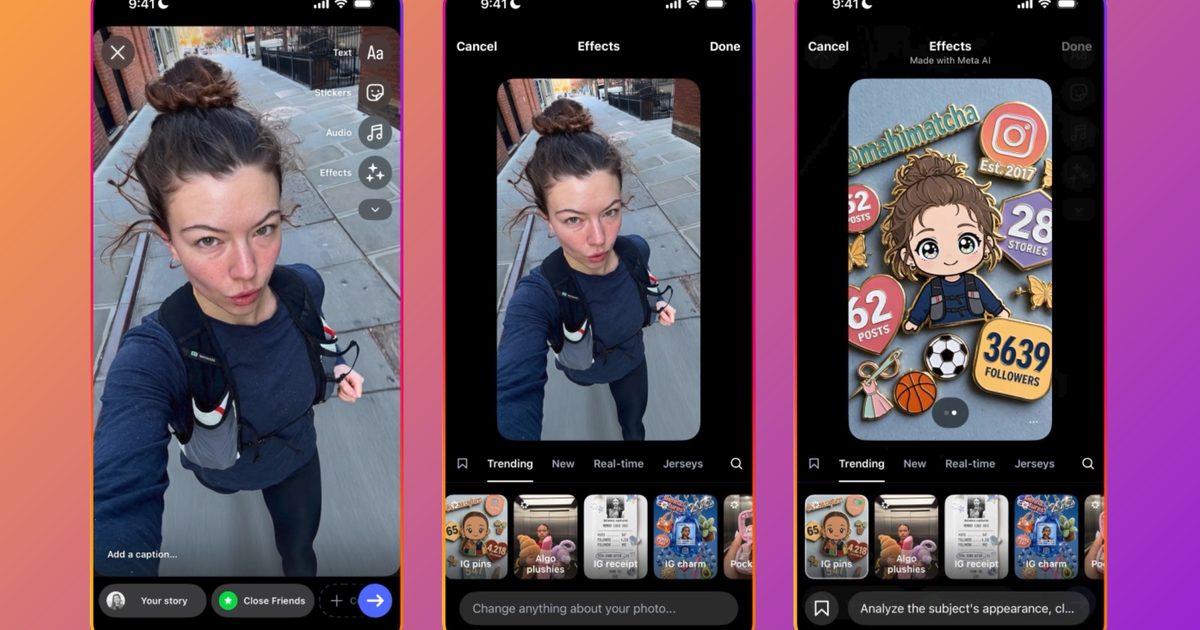
Earlier this week, Meta unveiled the Muse Image tool as a flagship addition to its growing suite of AI creative features. The premise was simple: users could @-mention any public Instagram account, and the platform’s AI would reference that user’s public photographs to generate new, synthetic imagery. The intent, according to Meta, was to provide a "creative mood board" experience, allowing users to collaborate or draw inspiration from the aesthetic identity of others.
The Silent Opt-In
Almost immediately after the feature went live, the tech community noted a critical design flaw: all public Instagram accounts were opted into the system by default. Millions of users, ranging from private individuals to high-profile public figures, found their digital likenesses effectively "up for grabs" by the AI without ever having provided explicit consent. While Meta provided an opt-out mechanism buried in the settings, the decision to make participation the default state ignited a wave of outrage across social media platforms.
The Backlash
The criticism was swift and multifaceted. Concerns ranged from the potential for deepfake creation to the erosion of personal autonomy. By the third day of the feature’s existence, the situation had become untenable. Reports suggest that significant pressure was applied by powerful talent agencies, most notably Creative Artists Agency (CAA), which represents a vast roster of celebrities who were suddenly vulnerable to having their likenesses manipulated by AI under the guise of "creative reference."
The Sudden Pivot
By July 10, 2026, the tool was shuttered. In a statement provided to Puck News, Meta confirmed the termination of the feature, stating, "We’ve heard the feedback that this feature missed the mark, so it’s no longer available."
The Illusion of Consent: Analyzing Meta’s Strategy
Meta’s official stance frames the incident as a "misalignment" with user expectations, but the technical implementation of the tool suggests a deeper strategic miscalculation.

The "Default-In" Paradigm
The central issue at the heart of the Muse Image debacle is the "opt-in by default" model. In modern software design, this approach is often used to ensure maximum adoption of a new feature. However, when applied to a technology as sensitive as AI-generated imagery, it shifts the burden of privacy from the corporation to the individual.
By requiring users to proactively opt out of a system that could potentially produce deepfakes or unauthorized portraits of them, Meta placed the burden of digital hygiene on the very people it was supposed to be serving. For the average user, navigating complex privacy menus to disable a feature they didn’t know existed is a significant barrier, essentially resulting in a "forced" consent.
The Definition of "Public" Content
Meta’s defense relies heavily on the premise that because the photos were "publicly available," they were fair game for AI training and generative reference. However, there is a clear distinction between a user posting a photo for their friends and followers to see, and that same photo being used as a training weight or a reference point for an generative engine.
Critics argue that "public" does not equal "public domain" in the context of personal likeness. The backlash against Muse Image suggests that the public is becoming increasingly aware of this distinction, signaling a growing demand for a "right to be left out" of AI datasets.

The Role of Industry Pressure
While organic user frustration was the primary driver of the discourse, industry insiders believe that external pressure from the entertainment sector was the final nail in the coffin for the Muse Image feature.
The involvement of talent agencies like CAA underscores the stakes involved. For celebrities and influencers, their face and aesthetic are their primary assets. Allowing an AI to generate images based on their likeness—without licensing agreements, compensation, or creative control—poses an existential threat to the talent management business model. If a fan can use an AI tool to generate a "new" image of a star, it devalues the star’s actual brand partnerships and official endorsements.
When major players in Hollywood begin to see their assets exploited by the very platforms they use to build their following, the corporate calculus shifts rapidly. The threat of legal action or the withdrawal of high-value creator content from the platform likely forced Meta to prioritize business relations over their experimental AI roadmap.
Implications for the Future of Generative AI
The failure of the Muse Image tool is a microcosm of a much larger struggle between Big Tech and the public regarding the future of generative AI.
The Transparency Deficit
Meta is not alone in its struggle to balance innovation with consent. Many AI companies operate under the assumption that the internet is a vast, open training ground. However, as public awareness of how AI models "learn" grows, companies will find it increasingly difficult to operate in the shadows. The Muse Image incident proves that transparency is no longer optional; it is a prerequisite for user trust.
The Rise of "Opt-In" Models
The backlash against this feature will likely force a industry-wide pivot toward an "opt-in first" model. If a feature involves the use of user data to train models or generate new content, the user must explicitly agree to participate. While this may slow down the velocity of AI adoption, it is a necessary step to avoid the "slop" and public relations disasters that currently define the sector.
Regulatory Tensions
This incident is likely to catch the eye of regulators in the European Union and the United States. With the EU’s AI Act and ongoing discussions in the U.S. Congress regarding deepfakes and data rights, incidents like this provide tangible evidence of why strict guardrails are needed. If companies cannot self-regulate their use of personal data, government intervention will inevitably follow.
Conclusion: A Lesson in Humility
Meta’s withdrawal of the Muse Image tool serves as a cautionary tale for the entire AI industry. In the race to dominate the artificial intelligence landscape, companies have often prioritized feature parity and engagement metrics over fundamental human rights such as likeness and privacy.
The "feedback" that Meta claims to have heard is, in reality, a clear message from their user base: we are not willing to be the raw material for your experiments without our explicit, informed, and ongoing consent.
For now, the feature is gone. But the underlying issue—the tension between the convenience of AI and the sanctity of personal identity—remains unresolved. As AI continues to integrate into every facet of our digital lives, the companies that succeed will be those that learn to treat their users as partners rather than resources. Meta’s retreat on this issue is a win for user agency, but it is only the first of many battles that will define the ethical boundaries of the generative AI era.











