Ammar Sabilarrohman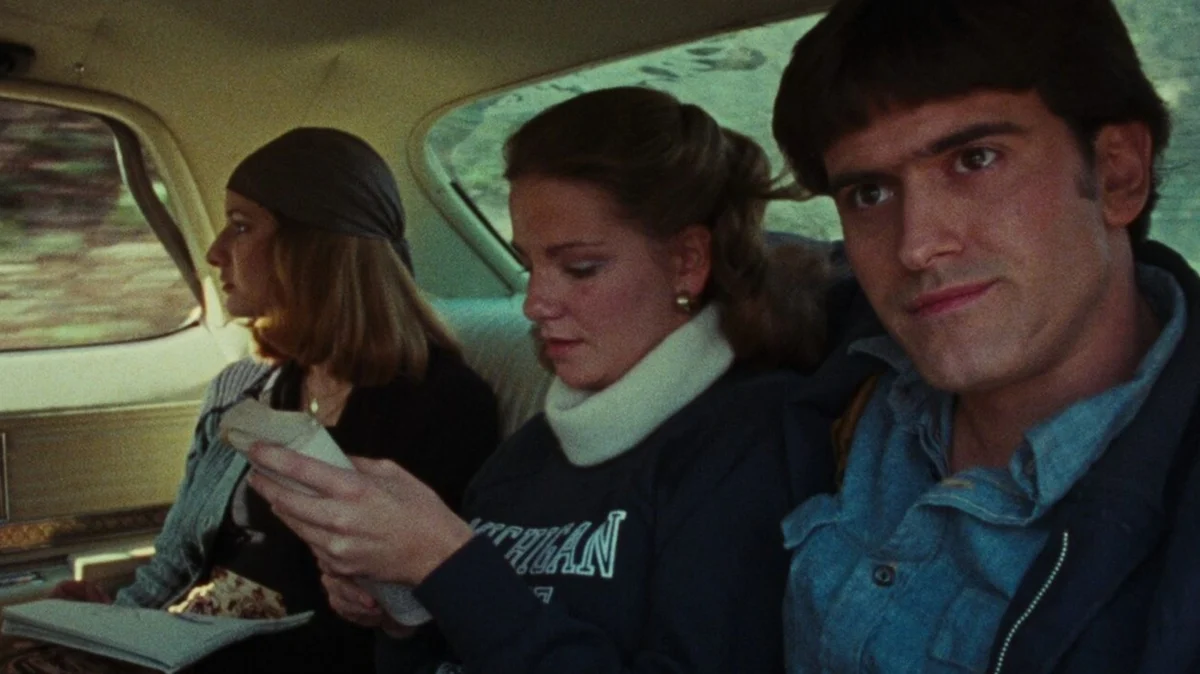
By Nina Starner
July 10, 2026
The landscape of horror cinema has shifted dramatically over the past four decades. From the psychological slow-burns of the late 2010s to the visceral, high-concept spectacles of the mid-2020s, the genre has undergone constant evolution. Yet, even as we look forward to the release of the latest installment in the franchise, Evil Dead Burn, there remains an undeniable magnetic pull toward the source: Sam Raimi’s 1981 cult classic, The Evil Dead. As someone who has historically approached the genre with a mixture of curiosity and apprehension—preferring the safety of Wikipedia summaries over the visceral experience of the screen—finally sitting down to watch the original Evil Dead in 2026 was a transformative experience.
It is a film that defies its own shoestring budget, proving that raw ingenuity, technical audacity, and a complete disregard for the boundaries of "good taste" can create a cinematic legacy that lasts for generations.
The Genesis of a Cabin Nightmare: Main Facts
At its core, The Evil Dead is a masterclass in narrative efficiency. Clocking in at just under 90 minutes, the film follows a simple, archetypal premise: five college students—Ash Williams (Bruce Campbell), his friend Scott (Richard DeManincor), Scott’s girlfriend Shelly (Theresa Tilly), Ash’s sister Cheryl (Ellen Sandweiss), and Ash’s girlfriend Linda (Betsy Baker)—travel to a remote cabin in the woods for a weekend getaway.
Their isolation is interrupted by the discovery of the Naturom Demonto, a Sumerian version of the Book of the Dead, accompanied by a reel-to-reel tape recording of incantations. Upon playing the tape, the group unwittingly unleashes an ancient, malevolent Kandarian Demon. The resulting carnage is not merely a collection of scares; it is an endurance test for both the characters and the audience. The film’s NC-17-level intensity remains as shocking today as it was in 1981, anchored by practical effects that feel more tangible and "real" than the polished CGI of modern blockbusters.
A Chronology of Chaos: From Production to Cult Status
The history of The Evil Dead is as legendary as the film itself. The production was a famously brutal, grueling process that pushed its young cast and crew to their physical and psychological limits. Shot in the mountains of Tennessee, the low-budget production was plagued by freezing temperatures, lack of proper facilities, and a relentless shooting schedule that forced Raimi and his team to innovate or perish.
- 1979–1980: Sam Raimi, alongside producer Rob Tapert and star Bruce Campbell, raises funds from local investors to shoot a feature-length version of their short film, Within the Woods.
- 1981: The film premieres. Despite its lack of initial studio backing and a gritty aesthetic, it quickly gains notoriety.
- The Mid-80s: Thanks to a glowing endorsement from horror icon Stephen King, the film finds its footing on the home video market, cementing its status as a foundational pillar of the "splatter" subgenre.
- 2026: Decades later, the franchise has expanded into multiple sequels, television series, and modern reboots, with Evil Dead Burn arriving in theaters to capitalize on the enduring appetite for the series’ unique brand of "slapstick gore."
Technical Brilliance: The "Raimi" Signature
One of the most striking aspects of watching The Evil Dead for the first time in 2026 is observing the birth of Sam Raimi’s signature style. Even with limited resources, Raimi displayed a visual language that felt decades ahead of his time.
The film is defined by its kinetic camera work. The famous "demon cam"—a tracking shot achieved by mounting a camera to a wooden board and having crew members sprint through the woods—remains a masterclass in POV storytelling. It places the viewer directly in the shoes of the unseen, malevolent force, creating a sense of dread that modern horror often struggles to replicate.
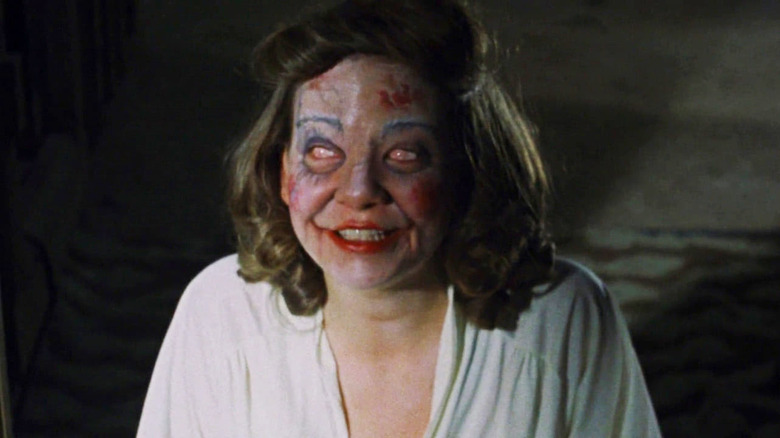
Furthermore, Raimi’s use of Dutch angles and rapid, disorienting cuts establishes a frenetic rhythm. He understands that horror is not just about what is on screen, but about the pacing of the reveal. The practical makeup effects, while dated by modern standards, carry a tactile weight that CGI cannot replicate. When a character is possessed, the decaying skin and bulging eyes look like physical manifestations of agony. It is a testament to the fact that when you are forced to work with less, you are often forced to be more creative.
Addressing the Controversy: The "Tree" Sequence
It is impossible to discuss The Evil Dead without acknowledging its most controversial moment: the scene in which Cheryl is assaulted by the forest itself. In a modern context, viewing this sequence is an uncomfortable experience.
It is important to note that Raimi’s penchant for extreme violence is not gender-specific; he treats every character in the film with a brutal, almost nihilistic disregard. The demons do not discriminate; they dismember, decapitate, and transform both men and women into nightmarish, possessed caricatures. While the scene in the woods is a difficult watch, it is symptomatic of a director in 1981 who was searching for the most "fucked up" way to signal to the audience that they were in for an experience that would violate the boundaries of traditional film. It does not feel like a calculated attempt to exploit, but rather a reflection of a young, ambitious filmmaker pushing the boundaries of the horror medium to their absolute breaking point.
Implications: The Legacy of the Dead
Why does The Evil Dead still matter in 2026? Its influence is visible in virtually every "cabin in the woods" trope that has followed. From the subversive humor of The Cabin in the Woods to the inventive gore of Peter Jackson’s early work like Dead Alive, the DNA of The Evil Dead is woven into the fabric of the genre.
For Raimi, the film was the launchpad for a storied career that would eventually include the Spider-Man trilogy, Drag Me To Hell, and Doctor Strange in the Multiverse of Madness. Yet, you can still find the DNA of his debut in his biggest budget projects. That "playful, chaotic nature"—the ability to find humor in the midst of blood-soaked horror—is a Raimi hallmark.
Watching the ragtime music play over the end credits of a movie that just spent 90 minutes traumatizing its cast and audience is the perfect summation of the Evil Dead experience. It is a film that refuses to take itself too seriously, even as it takes the horror genre very seriously indeed.
As I look toward the release of Evil Dead Burn, I realize that my apprehension toward horror has been replaced by an appreciation for the craft. The Evil Dead isn’t just a movie; it is a rite of passage. Whether you are a horror veteran or a newcomer like myself, the film stands as a reminder that the best stories are often the ones told with a camera, a few gallons of corn syrup, and an absolute, unwavering vision.
If you or anyone you know has been a victim of sexual assault, help is available. Visit the Rape, Abuse & Incest National Network (RAINN) website or contact RAINN’s National Helpline at 1-800-656-HOPE (4673).


 Layla Zulfa
 Lina Hope