Sagoh
Sagoh
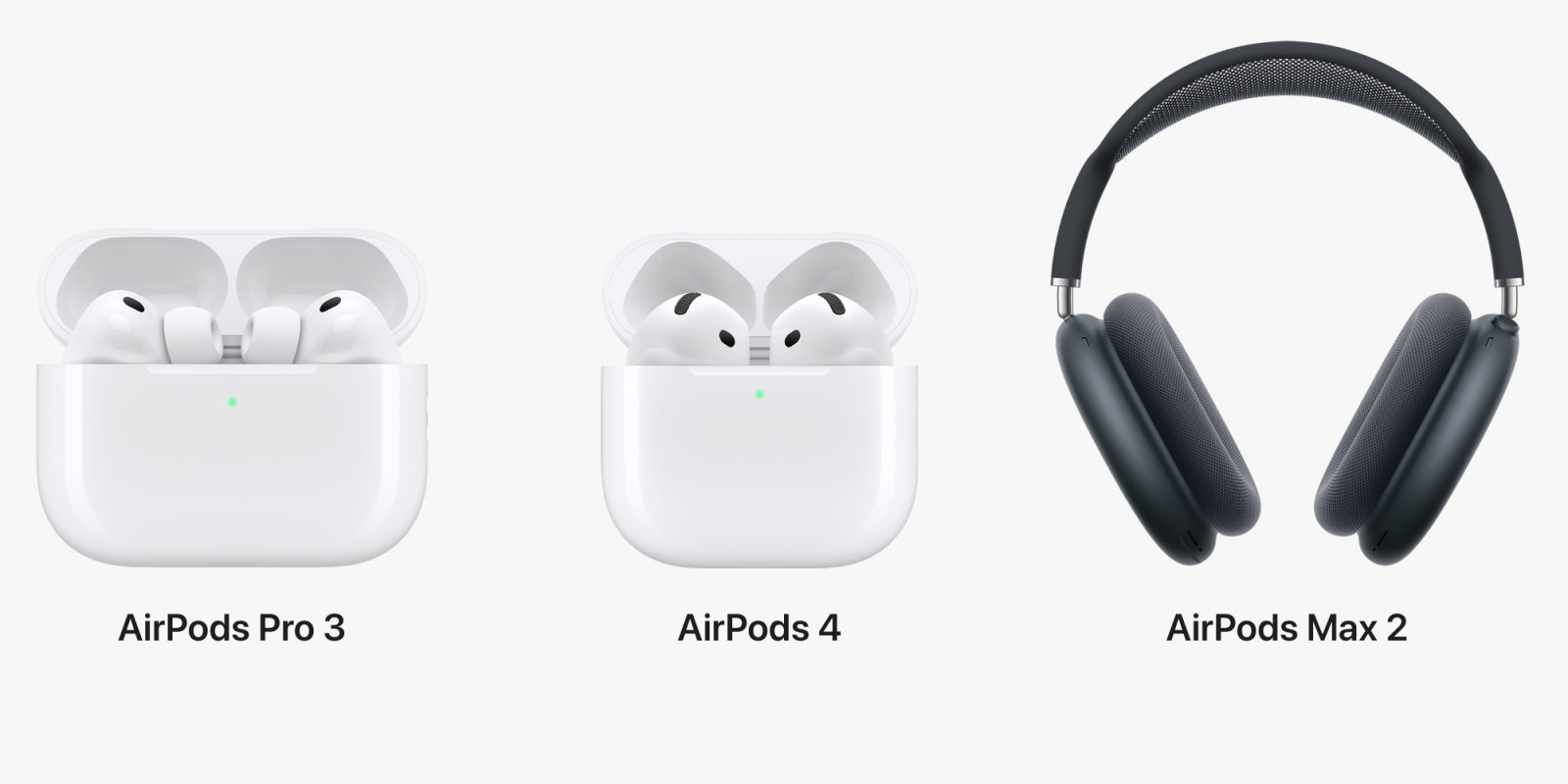
The annual retail phenomenon that is Amazon Prime Day has officially kicked off for 2026, and for Apple enthusiasts, this year’s event is proving to be a watershed moment for hardware discounts. While Amazon’s storefront is currently flooded with millions of offers, the standout narrative of this year’s sale centers on the aggressive pricing of the latest Apple audio ecosystem.
From the premium, newly refreshed AirPods Max 2 to the highly versatile AirPods Pro 3, Apple’s current-generation hardware has seen significant price corrections that rarely occur outside of major holiday windows. Whether you are looking to upgrade your personal audio setup or seeking the perfect gift, this year’s Prime Day represents one of the most cost-effective opportunities to enter the Apple ecosystem in recent memory.
Main Facts: The 2026 Prime Day Landscape
This year’s Prime Day isn’t just about clearing out old inventory; it is about providing deep discounts on the latest 2026 hardware. The core highlights of the sale include:

- AirPods Max 2: Available at a staggering $150 discount, bringing the premium over-ear headphones down to an all-time low of $399.
- AirPods Pro 3: Currently priced at $179, offering nearly 30% off the standard retail price of $249.
- AirPods 4: The entry-level and ANC-equipped models are seeing consistent price drops, starting at $99.
- Ecosystem Expansion: Complementary hardware, including Beats headphones and the next-generation AirTag 2, are also seeing historic price lows, rounding out a comprehensive sale event.
The primary driver of these deals is the high-velocity nature of Prime Day, which forces retailers to compete for market share in the premium audio segment. By slashing prices on high-margin items like the AirPods Max 2, Amazon is successfully driving traffic and Prime subscription engagement.
Chronology: How the Deals Have Unfolded
The trajectory of this year’s Apple audio deals has been characterized by rapid stock depletion and shifting inventory levels.
The Lead-Up
In the weeks preceding the official start date, industry analysts predicted that Apple would participate more heavily in this year’s sales event to combat a softening in consumer electronics spending. This forecast proved accurate as early-access deals for Prime members began appearing on the morning of the kickoff.
The Initial Surge
The most aggressive movement was observed within the first four hours of the sale. The $150 discount on the AirPods Max 2 immediately captured the attention of tech enthusiasts. Due to the high demand, color variants such as the lighter hues sold out within the first 90 minutes, leaving the Midnight colorway as the primary remaining option.
Mid-Sale Stabilization
As of the current phase of the event, the AirPods Pro 3 have stabilized at $179. While there was brief speculation regarding a return to the $169 "flash sale" price, market trends suggest that the current $179 price point is the intended "floor" for the remainder of the event. Consumers are currently in a state of rapid procurement, with shipping dates beginning to slip slightly for certain regions, indicating robust order volumes.
Supporting Data: Why These Prices Matter
To understand the gravity of these discounts, one must look at the MSRP (Manufacturer’s Suggested Retail Price) versus the current street price.

| Product | MSRP | Prime Day Price | Discount Percentage |
|---|---|---|---|
| AirPods Max 2 | $549 | $399 | ~27% |
| AirPods Pro 3 | $249 | $179 | ~28% |
| AirPods 4 (Base) | $129 | $99 | ~23% |
| AirPods 4 (ANC) | $179 | $149 | ~17% |
The data indicates that the most significant value proposition is currently held by the AirPods Max 2. A $150 price reduction on a premium product that was released only months ago is an anomaly in Apple’s typically rigid pricing structure. Furthermore, the ability to secure the AirPods Pro 3 for under $180 makes them a highly competitive option against third-party brands like Sony or Bose, which often retail at similar or higher price points without the benefit of the seamless Apple H2-chip integration.
Official Responses and Industry Context
While Apple traditionally maintains a "no comment" policy regarding third-party retailer pricing strategies, the company’s silence is telling. By allowing Amazon to act as the primary conduit for these discounts, Apple effectively maintains the premium image of its products on its own website while simultaneously clearing out high-volume inventory through the retail channel.
Industry experts note that this strategy is vital for Apple’s 2026 fiscal goals. "Apple is prioritizing market penetration for its audio products," says retail analyst Marcus Thorne. "By allowing these deep cuts, they ensure that the AirPods ecosystem remains the default choice for iPhone users, effectively creating a ‘walled garden’ of high-quality audio that makes switching to Android less attractive."

Implications: The Future of Apple Audio
What do these deals imply for the consumer and the broader tech market?
1. The Death of the "Premium Barrier"
For years, the AirPods Max were criticized for their high entry cost. By bringing the price down to $399 during major events, Apple is successfully lowering the barrier to entry for its top-tier audio products. This suggests that in the coming years, we may see the "premium" label applied to even more advanced tech, with the $399 price point becoming the new standard for luxury over-ear audio.
2. The "Prime Day Effect" on Inventory
The rapid sell-through of the AirPods Max 2 is a case study in supply chain management. It suggests that demand for high-end, color-specific consumer electronics is much higher than initial supply forecasts predicted. Retailers will likely use this data to adjust their inventory levels for the upcoming Black Friday and holiday shopping seasons, potentially leading to more aggressive stock-loading strategies.

3. The Impact on Secondary Markets
With new units of the AirPods Pro 3 and AirPods Max 2 selling at record-low prices, the secondary market (platforms like eBay or Swappa) is likely to see a corresponding drop in resale value. Consumers looking to trade in their current models may find that their "used" value has decreased, as the new retail price is now more competitive than ever.
4. Sustaining the Ecosystem
Ultimately, these deals serve to deepen the bond between the user and their devices. When a consumer buys a pair of AirPods, they are significantly more likely to remain within the Apple ecosystem for their next smartphone or tablet purchase. This "ecosystem lock-in" is the true goal of these discounts, and based on the current sales velocity, it is a goal that Apple is achieving with great success.
Conclusion: Final Advice for Shoppers
If you have been waiting for a sign to upgrade your audio gear, this Prime Day is the window you have been looking for. The $150 discount on the AirPods Max 2 is an outlier that may not be repeated for several months, and the stability of the $179 price point on the AirPods Pro 3 makes them a "must-buy" for any iPhone user.

A final word of caution: As these deals are tied to inventory, the most popular configurations will continue to disappear as the sale progresses. If you see a product in stock that fits your needs, the professional recommendation is to secure it immediately rather than waiting for a potential—and unlikely—further price drop. As the saying goes in the world of retail: the best price is the one that is available when you are ready to buy.


 Neng Nana
 Iffa Jayyana