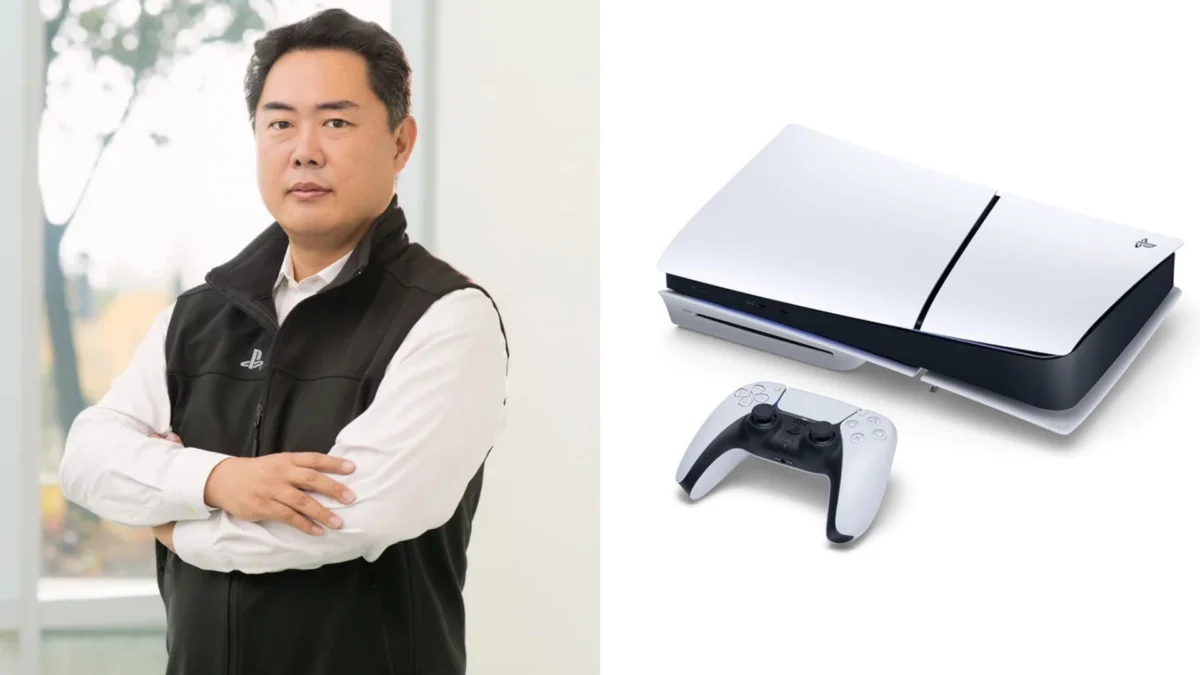
In an era defined by aggressive hardware cycles and high-stakes corporate rivalry, Sony Interactive Entertainment (SIE) has signaled a definitive shift in its philosophy regarding next-generation gaming. As the industry looks toward the horizon of the next console generation, SIE CEO Hideaki Nishino has clarified that the roadmap for the PlayStation 6 will be forged in the fires of internal innovation rather than in reaction to the movements of competitors like Microsoft.
This announcement, delivered during a recent business briefing, effectively decouples the PlayStation 6 from the anticipated release of Microsoft’s "Project Helix." By prioritizing long-term technological maturity over reactive scheduling, Sony is signaling a departure from the traditional "console wars" narrative that has dominated the gaming industry for three decades.
The Core Mandate: Innovation Over Imitation
The fundamental takeaway from Nishino’s recent comments is that Sony views the health of the gaming ecosystem as a collective effort rather than a zero-sum game. During the Q&A session of the company’s 2026 business briefing, Nishino addressed the inevitable question of whether Sony intends to synchronize its launch window with the next iteration of the Xbox hardware.
"When considering the overall size of the gaming console market, we believe that what matters is not competition with a specific company, but rather the presence of multiple players and healthy competition within the market," Nishino stated.
This statement serves as a strategic pivot. For years, the industry operated under the assumption that hardware manufacturers must launch within months of one another to avoid ceding market share to early adopters. Sony’s stance suggests a more nuanced reality: modern hardware cycles have become so expensive and technically complex that aligning launch windows with a rival—without clear visibility into their proprietary development pipelines—is fundamentally "not feasible."
A Chronology of the Next-Gen Transition
To understand why this shift in strategy is significant, one must look at the historical trajectory of the current generation and the rumors currently circulating regarding the next.
The PS5 Era (2020–2026)
The PlayStation 5 launched in late 2020, during the height of a global pandemic that severely constrained supply chains. While the console was a massive commercial success, its early life cycle was defined by scarcity. This "bottlenecked" start taught manufacturers that market demand is often more volatile than production forecasts suggest.
The Rise of Project Helix (2027–2028)
Reports originating from Microsoft’s camp suggest that the company is aiming for a 2027 or 2028 release for its next-generation platform, internally dubbed "Project Helix." This timeline is consistent with the standard seven-to-eight-year console cycle. However, the gaming landscape has changed. With the proliferation of mid-generation refreshes—such as the PlayStation 5 Pro—the line between "generations" has blurred, allowing companies to iterate on hardware without necessarily launching an entirely new platform.
The Current Stance (2026 and Beyond)
As of mid-2026, Sony has remained tight-lipped regarding specific dates for the PlayStation 6. By explicitly stating that they will not let competitors dictate their schedule, Sony is essentially claiming the freedom to launch when their technology—be it proprietary cloud integration, advanced AI-driven upscaling, or revolutionary haptic interfaces—is ready for mass-market consumption.
Supporting Data: The Economics of Next-Gen Hardware
The decision to avoid reactive scheduling is not merely a philosophical one; it is rooted in harsh economic realities. The cost of developing cutting-edge gaming hardware has skyrocketed.
Component Costs and Inflation
Recent industry analysis points to a significant increase in the cost of semiconductors, high-speed memory, and specialized silicon. Rumors have already begun to circulate that a high-performance PlayStation 6 could potentially breach the $1,000 threshold at launch.

When hardware becomes this expensive, the margin for error shrinks significantly. If a company rushes a console to market to beat a competitor, they risk launching a product that is either underpowered or prohibitively expensive for the average consumer. Sony’s strategy emphasizes a "comprehensive assessment" of four key pillars:
- Technological Advancements: Ensuring that the leap from the current generation to the next is palpable to the consumer, justifying the price point.
- Marketing Considerations: Choosing a time when the cultural appetite for a new "must-have" device is at its peak.
- Regional Dynamics: Analyzing the economic health of key markets (North America, Europe, and Asia) to ensure the hardware is accessible.
- Pricing Sustainability: Balancing the cost of goods sold (COGS) with a retail price that ensures both profitability for Sony and value for the player.
Official Responses and Strategic Implications
Nishino’s transparency regarding the "long lead time" required for hardware development underscores the difficulty of the task at hand. Developing a console is not a matter of simply upgrading a processor; it requires a multi-year effort to build an ecosystem, secure third-party developer support, and establish a robust software library that can support the hardware from day one.
The Shift Toward Flexible Generations
The implication of this new strategy is that the "console generation" as a concept is dying. We are entering an era of "flexible hardware." Sony’s focus on long-term sustainability suggests that the PlayStation 6 may not be a hard reset, but rather an evolution of the digital infrastructure they have built with the PlayStation 5 and the PlayStation Network.
By refusing to chase Microsoft’s tail, Sony is effectively saying that the PlayStation brand has enough consumer loyalty and proprietary content (the "PlayStation Studios" catalog) to stand on its own merit. They are no longer competing for the "first-to-market" trophy; they are competing for the "best-in-class" longevity.
Future Implications for the Gaming Industry
What does this mean for the average gamer?
First, it suggests that we may see more "gap years" between generations. If Sony feels that the current hardware is still performing well, they will not rush to replace it simply because a rival has a new box on the shelf. This could lead to longer support cycles for existing games, as developers won’t be forced to split their resources between three or four different platforms simultaneously.
Second, it signals a shift in consumer expectations. The gaming public has become increasingly savvy about the costs of technology. The "Console War" mentality of the 90s and 2000s—where hardware supremacy was determined by which machine had the faster chip or the "cooler" design—is being replaced by a focus on services, subscription models, and ecosystem integration.
Finally, Sony’s commitment to "healthy competition" acknowledges a fundamental truth of the modern market: the biggest threats to console manufacturers are no longer just their direct rivals. They are mobile gaming, high-end PC gaming, and the inevitable encroachment of cloud-based streaming services.
Conclusion: A New Frontier
As Hideaki Nishino and the leadership at Sony Interactive Entertainment look toward the future, their message is one of calm, calculated patience. By detaching the PlayStation 6 from the traditional rhythms of competitive hardware cycles, Sony is prioritizing the health of their brand and the quality of their product over the optics of the "console wars."
Whether the PlayStation 6 arrives in 2028, 2029, or beyond remains to be seen. What is clear, however, is that when the console does arrive, it will be the result of a deliberate, internal assessment of what players actually need, rather than a frantic race to match a competitor’s press release. In this new, mature phase of the industry, Sony is betting that the best way to win the race is to set their own pace.