Azzam Bilal Chamdy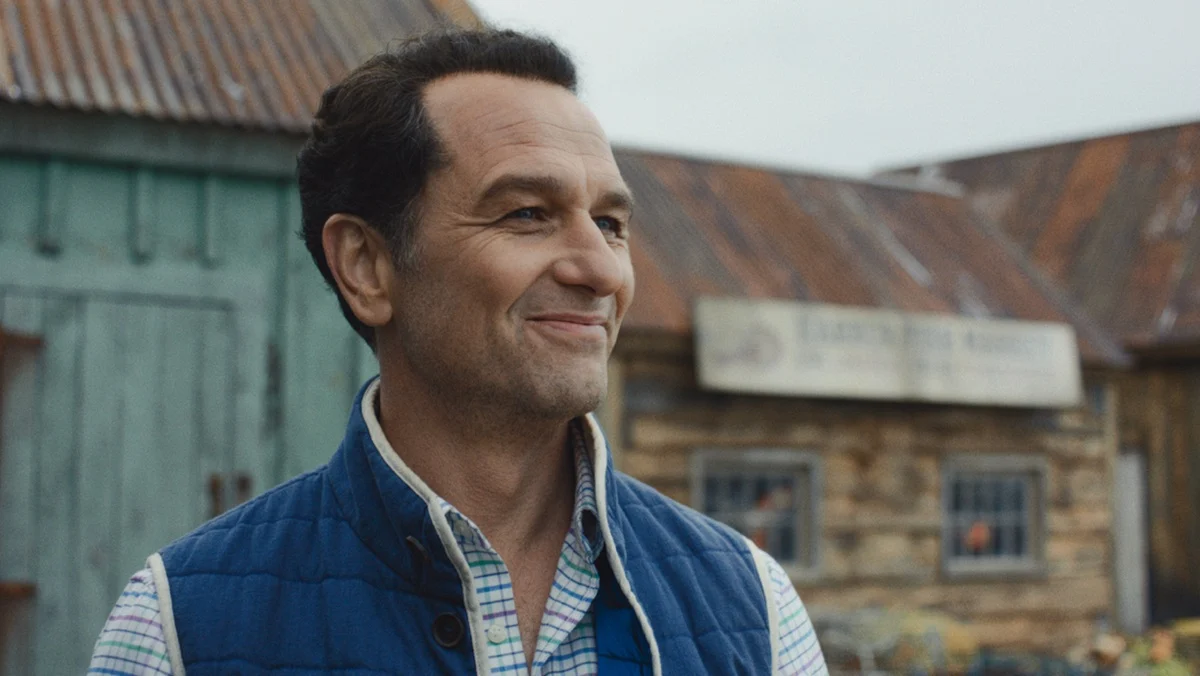
The eerie, mist-shrouded shores of New England have proven to be a goldmine for Apple TV+. With the season one finale of Widow’s Bay looming on the horizon, the streaming giant has officially announced a second-season renewal for the critically acclaimed horror-comedy series. The show, which has garnered a cult following for its seamless blend of Lovecraftian dread and biting municipal satire, will return to explore further the cursed geography and peculiar inhabitants of its titular island.
Beyond the renewal, Apple TV+ has also secured a long-term creative partnership with the show’s mastermind, Katie Dippold, signing the writer-producer to a multi-year overall deal. This move signals a significant investment in Dippold’s distinct voice, ensuring that the dark, humorous sensibilities that define Widow’s Bay will remain a cornerstone of the platform’s original programming slate.
The Anatomy of a Hit: Main Facts and Premise
Widow’s Bay centers on the eponymous, isolated island located off the coast of New England—a place where the real estate market is stagnant, the tourism industry is practically nonexistent, and the supernatural phenomena are, at best, a daily nuisance. At the heart of the narrative is Mayor Tom Loftis, portrayed with a weary, desperate charm by Emmy Award-winner Matthew Rhys.
Loftis’ primary goal is the economic revitalization of the island, a task made nearly impossible by the fact that the island is effectively "waking up." As he attempts to court outsiders and secure funding for local infrastructure, he is constantly thwarted by the island’s ancient, malevolent history. He is frequently at odds with the local contingent, led by the perpetually surly fisherman Wyck (Stephen Root), who serves as a living warning sign that the island’s "cursed" reputation is more than just local folklore.
The series distinguishes itself by refusing to commit entirely to either the horror or comedy genre. It thrives in the "comedic horror" space, featuring a bizarre tapestry of antagonists: time-tripping entities, hags rising from the sea, zombified puritans, and even a masked slasher who would look at home in a 1980s grindhouse flick. Complicating these external threats is the personal stakes for Loftis, whose teenage son (Kingston Rumi Southwick) is subject to the island’s sinister "no-exit" policy—a localized supernatural law that prevents residents born on the island from ever truly leaving.
A Chronology of Chaos: The Road to Renewal
The journey of Widow’s Bay from a high-concept pitch to a streaming juggernaut has been swift. The project was developed under the guidance of Katie Dippold, whose previous work on Ghostbusters and The Heat established her ability to balance high-stakes action with character-driven humor. When coupled with the directorial vision of Emmy winner Hiro Murai—known for his atmospheric and surreal work on Atlanta and Station Eleven—the show immediately signaled that it would be a sophisticated entry into the horror-comedy landscape.

- Development Phase: Apple TV+ greenlit the project with the goal of creating a "prestige" genre series that could stand alongside its darker, more grounded thrillers.
- The Premiere: Upon its debut, the show was met with immediate praise for its world-building. Critics highlighted the juxtaposition of Mayor Loftis’ mundane administrative tasks—zoning board meetings, festival planning—against the backdrop of encroaching elder gods.
- The Mid-Season Build: As the season progressed, the "petty municipal squabbles" became a fan-favorite element, proving that the show’s strength lay in its grounding of the supernatural within the banalities of small-town politics.
- The Renewal Announcement: With one week remaining before the June 17 season finale, Apple TV+ issued its formal renewal, banking on the sustained engagement metrics and social media buzz that Widow’s Bay has generated over the last two months.
Behind the Lens: Supporting Data and Production Context
The success of Widow’s Bay is not accidental; it is the result of a deliberate assembly of talent. Matthew Rhys, often praised for his intense dramatic work, has been lauded for his ability to play the "straight man" in a world gone mad. His performance as Mayor Loftis provides an anchor, allowing the absurdity of the island’s hauntings to feel dangerous rather than merely silly.
Production quality has also been a major factor. Hiro Murai’s involvement as both director and executive producer has infused the series with a visual language that is often lacking in standard television horror. The color palette—defined by the desaturated grays of the Atlantic fog and the muted, claustrophobic interiors of New England architecture—creates an atmosphere of impending doom that effectively sells the stakes of the show.
Furthermore, the show’s writers’ room has maintained a tight narrative structure, eschewing the "monster-of-the-week" format in favor of a long-form mystery that slowly unravels the history of the island. The decision to keep the stakes personal—focusing on the relationship between the Mayor and his son—has given viewers an emotional tether to the story, which is vital when the plot involves complex, supernatural lore.
Official Responses: The Vision for Season Two
The excitement surrounding the renewal is shared by both the network and the creative team. Matt Cherniss, the head of programming at Apple TV+, released a statement emphasizing the show’s cultural impact:
"From the moment audiences arrived in Widow’s Bay, they’ve been hooked on every eerie mystery, unexpected laughs, and cursed secret that Katie, Hiro, Matthew, and the entire team have created. It’s become one of those shows everyone’s talking about, and we’re thrilled to see audiences continue to embrace it. We can’t wait to return for another season."
Katie Dippold, whose new multi-year deal suggests she will be a primary architect for future Apple TV+ original content, offered a characteristically dry tease regarding the upcoming season. When asked about the direction of the next chapter, she stated, "Season two is about how everything is great on the island and there’s nothing to worry about."
While the statement is obviously a tongue-in-cheek reference to the show’s dark sense of humor, it confirms that the narrative will continue to lean into the denial and irony that has defined the first season.
Implications: The Future of the "Prestige Horror" Landscape
The renewal of Widow’s Bay serves as a barometer for the current state of streaming television. As audiences become increasingly fatigued by generic superhero content and formulaic crime procedurals, shows that offer a "mash-up" of genres—specifically horror and comedy—are gaining significant traction.
The deal with Dippold is equally telling. In an era where streaming services are tightening budgets and canceling shows at an alarming rate, a multi-year overall deal is a vote of extreme confidence. It suggests that Apple TV+ sees Dippold not just as a showrunner for Widow’s Bay, but as a brand-defining creator capable of producing high-concept, high-quality content that keeps subscribers engaged.
For the audience, the renewal means that the mysteries posed in the pilot—the origins of the island’s curse, the fate of the Mayor’s son, and the true nature of the "sea hags"—will have the space to reach a natural conclusion. The season one finale, airing June 17, is expected to resolve several immediate plot threads, but the renewal ensures that the larger, existential threat facing the island will remain a looming, terrifying, and hilarious presence for the foreseeable future.
As the fog continues to roll into Widow’s Bay, it is clear that for both the residents of the island and the viewers at home, the nightmare is far from over—and we wouldn’t have it any other way.

 Siti Muinah