Lina Hope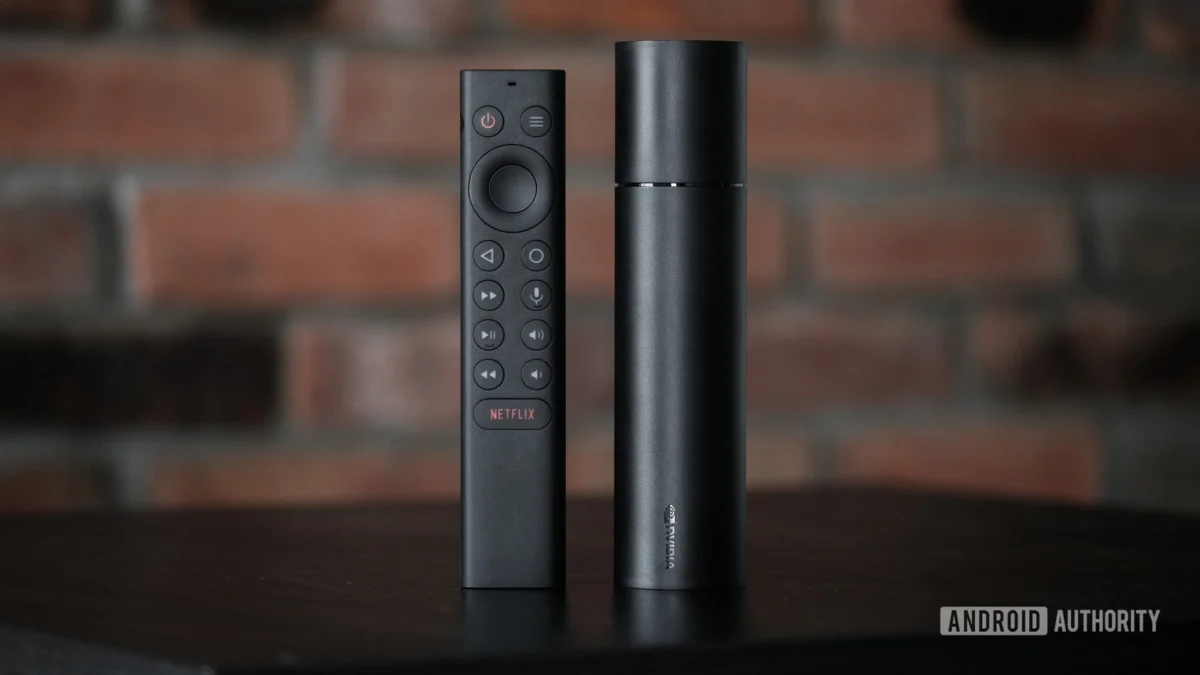
For nearly a decade, the NVIDIA Shield TV has stood as the undisputed gold standard of the Android TV ecosystem. Since its inception, it has evolved from a niche gaming-centric console into a robust streaming powerhouse that has consistently outperformed generic set-top boxes and integrated smart TV operating systems. However, a cloud of uncertainty has recently descended upon the lineup. The base model of the NVIDIA Shield TV—a device that has served as the entry point for millions into the premium Android TV experience—appears to be vanishing from retail shelves, raising serious questions about its future.
While NVIDIA has yet to issue a formal "end-of-life" announcement, the combination of widespread stock shortages and a carefully worded corporate response suggests that the company is quietly sunsetting the $149 base model. This article explores the current state of the Shield TV, the implications for the streaming market, and what this signals for the future of NVIDIA’s living room hardware.
Main Facts: A Disappearing Act
The situation surrounding the base Shield TV model began to draw attention earlier this week when eagle-eyed consumers noticed that the device was marked as "out of stock" or "unavailable" across major North American retailers, including Amazon, Best Buy, and NVIDIA’s own storefront.
The Shield TV, distinguished by its unique tube-shaped form factor, has historically been the more accessible, entry-level option for consumers who desire the performance of NVIDIA’s Tegra X1+ processor without the bulk or the higher price tag of the "Pro" model. Unlike the Shield TV Pro, which features expanded RAM, additional storage, and USB ports, the base model focused purely on delivering high-quality 4K streaming and AI upscaling.
The current consensus among industry analysts is that the base model has reached the end of its retail cycle. When a product remains out of stock across all major distribution channels for an extended period, it is rarely a coincidence. Rather than a supply chain hiccup, this appears to be a calculated strategic withdrawal from the entry-level segment of the streaming market.
A Chronology of the Shield TV’s Market Presence
To understand why the potential discontinuation of the base Shield TV is significant, one must look at the historical trajectory of the product line.
- 2015: NVIDIA launches the original Shield Android TV, a high-end device aimed at gamers and power users, utilizing the Tegra X1 chip.
- 2017: A refined version is released, smaller in size but retaining the high-performance DNA of its predecessor.
- 2019: NVIDIA shifts its strategy, introducing two distinct tiers: the "Shield TV" (the tube-shaped base model) and the "Shield TV Pro" (the legacy-style powerhouse). This allowed NVIDIA to capture both the budget-conscious streamer and the home theater enthusiast.
- 2020–2023: The Shield TV platform receives consistent, world-class software updates, maintaining its reputation as the longest-supported Android TV device in history.
- 2024: Market reports indicate a tightening of supply for the tube-shaped base model, leading to widespread stockouts.
- Late 2024: NVIDIA officially addresses the availability concerns, acknowledging the stock issues but offering no timeline for replenishment.
The timeline shows a device that has enjoyed an unusually long lifespan. In the fast-moving world of consumer electronics, where set-top boxes are often refreshed every two years, the 2019 Shield TV models have remained remarkably relevant for five years—a testament to the foresight of NVIDIA’s engineering team.
Supporting Data: Why Now?
Why would NVIDIA choose to drop the base model now, when it remains a popular choice for many? Several economic and technical factors are likely at play.
The Component Cost Squeeze
One of the most plausible explanations for the discontinuation is the rising cost of memory and semiconductor components. While the Tegra X1+ was a revolution at launch, sourcing and manufacturing older silicon becomes increasingly inefficient as foundries pivot to newer nodes. If the margins on the $149 base model have been eroded by inflation and logistics costs, it makes little business sense for NVIDIA to continue production.
Streamlining the Product Portfolio
NVIDIA is a company that prioritizes high-performance computing. As the streaming market shifts toward integrated hardware (like high-end Smart TVs) and cheaper alternatives (like the Chromecast with Google TV or Amazon Fire TV Stick), the "middle ground" occupied by the base Shield TV has become a crowded and difficult space to maintain. By focusing solely on the "Pro" model, NVIDIA can position itself as a premium, niche player rather than competing on price in a race to the bottom.
User Preference for the Pro
Sales data—or at least the anecdotal evidence provided by market availability—suggests that power users overwhelmingly prefer the Pro model. The extra RAM and the ability to connect peripherals via USB make the Pro the "future-proof" choice. If the Pro model represents the vast majority of NVIDIA’s sales volume, the base model may simply be deemed redundant.
Official Responses: The "Non-Denial" Denial
When approached for clarification, NVIDIA provided a statement that is classic corporate communication: technically informative but strategically vague.
"The SHIELD TV base model is largely out of stock due to demand. We don’t have any updates to share regarding future availability at this time. SHIELD TV Pro remains available, and the SHIELD platform continues to be supported with ongoing updates for more than 10 years."
This statement is revealing for three reasons:
- "Due to demand": This is a common phrase used to explain inventory shortages without admitting to a supply chain failure. However, it does not explain why the stock has not been replenished.
- "No updates to share": In corporate speak, this is usually code for "we have stopped manufacturing this product, but we are not ready to make a public announcement."
- Emphasis on the Pro: By explicitly confirming the availability of the Pro model, NVIDIA is effectively pivoting its customer base toward the more expensive device, ensuring that if you want the Shield experience, you will have to pay the premium.
Implications: What This Means for Consumers
The potential exit of the base Shield TV has immediate consequences for the home theater landscape.
The Death of the Mid-Range Premium Box
For years, the base Shield TV was the "Goldilocks" device—it was more powerful than a $50 streaming stick but more affordable than a dedicated PC or a $200+ media center. With the base model gone, there is a distinct gap in the market. Consumers who want high-quality upscaling and robust performance are now forced into a higher price bracket with the Pro model, or they must look toward competitors that may not offer the same level of software longevity.
The Value of Software Longevity
NVIDIA’s promise that the "SHIELD platform continues to be supported" is a critical reassurance. Even if the hardware is phased out, the software ecosystem remains the best in the business. NVIDIA’s commitment to updates—often lasting well beyond the life of the actual hardware—is a rarity in the Android ecosystem. This ensures that current owners of the base Shield TV can continue to use their devices with confidence for years to come.
Looking Toward the Future
The writing on the wall is clear: the era of the $149 NVIDIA Shield TV is likely coming to an end. While a lucky shopper might find a unit buried on a shelf at a local electronics store, the long-term trend points toward the Shield TV Pro being the sole remaining hardware solution from NVIDIA.
For prospective buyers, the message is simple: if you have your heart set on the base Shield TV, your window of opportunity is closing rapidly. If you miss that window, the Shield TV Pro, while more expensive, offers a level of performance and reliability that remains unmatched in the current market.
As we look toward the future, the question remains: will NVIDIA eventually launch a successor to the Shield line, or is this the beginning of the company’s transition away from the consumer living room market entirely? For now, the Shield TV Pro remains the king of the mountain, but the mountain itself is becoming a much smaller place to stand.

 Neng Nana
 Sagoh
Sagoh