Rifan Muazin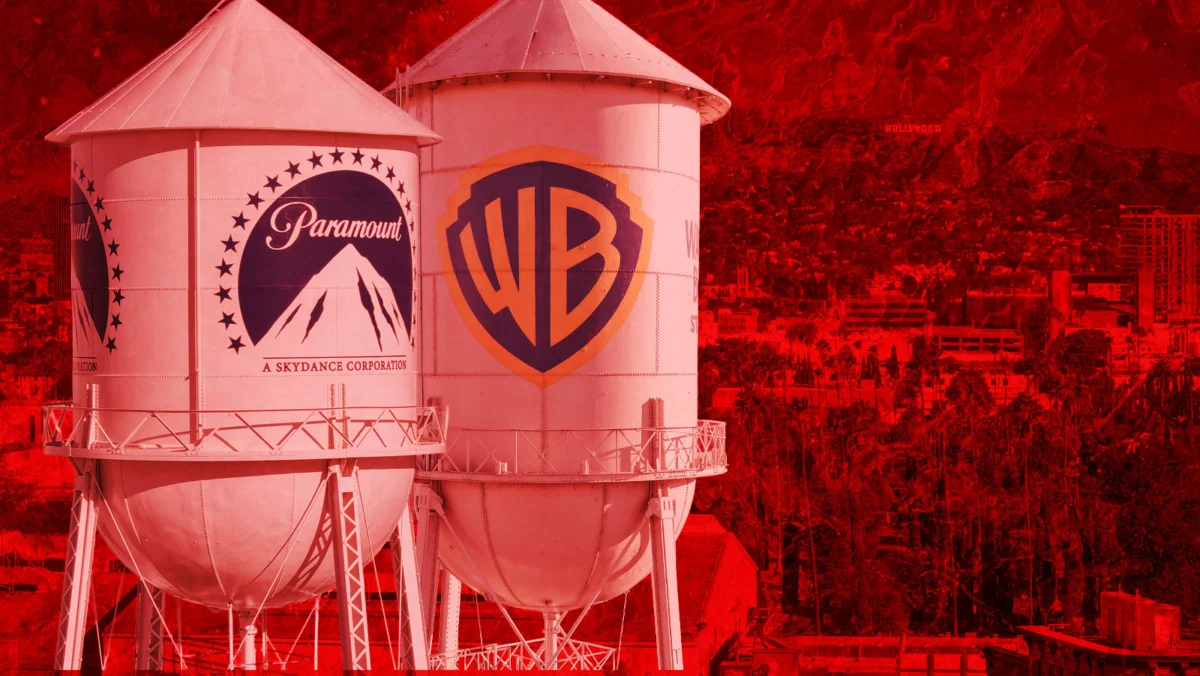
UPDATED: In a significant development for one of the media industry’s most scrutinized corporate consolidations, the State of Oregon has officially withdrawn its civil investigative demand and its petition to block the impending merger between Paramount and Warner Bros. Discovery. The move effectively clears a major legal hurdle for the media giants, though the broader regulatory landscape remains fraught with tension as other state attorneys general monitor the situation.
The Main Facts: A Sudden De-escalation
The legal battle centered on a civil investigative demand (CID) issued by Oregon Attorney General Dan Rayfield. The state had initially sought to compel Paramount to hand over internal documents regarding its lobbying efforts to secure federal approval for the Warner Bros. Discovery acquisition.
Beyond the documents, the state had requested that a Multnomah County Circuit Court judge issue an injunction to delay the deal’s closing by 60 days, providing the state with a window to analyze the requested materials. With the withdrawal of the motion, the hearing originally scheduled for Monday has been canceled. While the immediate threat of a court-mandated delay has evaporated, the rhetoric surrounding the withdrawal suggests that the friction between state regulators and the media conglomerate is far from resolved.
Chronology of the Conflict
The tension between Oregon and Paramount escalated rapidly over the last several weeks as the merger neared its final stages.
- Initial Inquiry: The Oregon Department of Justice initiated an inquiry into the merger, expressing concerns over potential anti-competitive practices and the transparency of Paramount’s federal lobbying efforts.
- The Investigative Demand: AG Dan Rayfield issued a CID requesting extensive internal communications, specifically targeting documents related to "Project Warrior," the internal codename for the merger strategy.
- Paramount’s Resistance: Paramount pushed back, filing a motion in court arguing that the demands were "disproportionate" and irrelevant to state antitrust law.
- Legal Escalation: Rayfield filed a motion in Multnomah County Circuit Court to compel production and force a 60-day stay on the transaction closing.
- Withdrawal: Facing firm resistance from Paramount and an aggressive legal defense, the Oregon AG’s office announced the withdrawal of its motions, citing a desire to avoid wasting taxpayer resources on a company that signaled it would not comply.
Internal Strategy: "Project Warrior" and the Lobbying Question
At the heart of the Oregon investigation was a deep-seated suspicion regarding how Paramount secured support for the merger. Specifically, the AG’s office was hunting for records detailing how the company interacted with federal officials.
A point of particular interest for state investigators was the role Paramount played in the development of a statement released by the Department of Justice (DOJ) that favored the transaction. Oregon regulators were keen to determine if the merger was bolstered by behind-the-scenes influence rather than pure market-based merit.
In its court filings, Paramount vehemently rejected the relevance of these requests. The company’s legal counsel asserted that lobbying activities are protected speech and, more importantly, are "wholly irrelevant" to the question of whether the acquisition violates Oregon’s state-level antitrust statutes. Paramount characterized the state’s document demands as a "fishing expedition" designed to obstruct a legally compliant business maneuver.
Official Responses and Corporate Stance
The divergent narratives from the two parties highlight the deep ideological divide regarding corporate power in the media space.
Paramount’s Perspective
A spokesperson for Paramount expressed relief and triumph, framing the withdrawal as a vindication of their business strategy. "We are pleased that the Oregon Attorney General has withdrawn its motion to delay this transaction," the statement read. "It was the right decision and avoids an unwarranted effort to delay a lawful, pro-competitive merger."
The company doubled down on the merger’s benefits, stating that the transaction has already passed muster with global antitrust authorities. "That regulatory record underscores what the facts, the law and the economics make clear: this transaction will create a stronger challenger to dominant global streaming and technology platforms, expand consumer choice, increase investment in premium content and theatrical distribution, and create more opportunities for creators and workers."
The Attorney General’s Stance
The response from Oregon’s Department of Justice was notably pointed. Jenny Hansson, communications director for AG Dan Rayfield, characterized the withdrawal not as a loss of resolve, but as a strategic pivot based on Paramount’s recalcitrance.
"Paramount made it clear that they weren’t going to comply with the investigative demand, and that they think they’re above the law," Hansson stated. "We’re not going to let them waste Oregonians’ resources on these games. We’ve withdrawn the motion to consider our next steps." This language suggests that while the current legal motion is dead, the Oregon DOJ is not necessarily finished with its scrutiny of the company.
The Broader Landscape: A Multi-State Scrutiny
While Oregon has stepped back, the merger is by no means in the clear. Reports indicate that California Attorney General Rob Bonta, along with several other state-level legal authorities, is actively weighing whether to launch their own legal challenges against the transaction.
The media industry is currently undergoing a period of intense consolidation. As platforms like Netflix, Amazon, and Apple dominate the streaming landscape, legacy media companies are seeking to combine forces to reach the scale necessary to compete. However, this creates a secondary set of concerns for regulators:
- Consumer Choice: Will the consolidation lead to higher prices for streaming services and cable packages?
- Labor Impact: How will the merger affect writers, actors, and behind-the-scenes production crews if multiple studio pipelines are combined?
- Market Dominance: Does the merger create a barrier to entry that prevents smaller, independent studios from succeeding?
Implications for Future Media Mergers
This saga serves as a bellwether for the modern regulatory climate. For decades, federal antitrust enforcement was the primary gatekeeper for large-scale media mergers. However, the rise of state-level activism—exemplified by AG Rayfield’s aggressive pursuit of "Project Warrior"—suggests a new layer of complexity for corporate legal teams.
Even if a merger is cleared by federal regulators at the DOJ or the FTC, it is increasingly vulnerable to "local" challenges. Companies must now prepare for a two-front legal war: one at the federal level focusing on national market competition, and another at the state level focusing on consumer protection and transparency.
The Cost of Compliance
Paramount’s argument regarding the "disproportionate burden" of document production is a common defense in modern antitrust litigation. As companies grow larger, the volume of internal communication—Slack messages, emails, and internal memos—reaches astronomical levels. When an Attorney General demands full transparency on a project as sensitive as "Project Warrior," the logistics of review and redaction can cost millions of dollars and drag on for months.
For Paramount, the withdrawal of the motion is a victory in terms of time. Every day of delay in a multi-billion-dollar merger can result in significant financial losses due to market volatility, interest rates, and the distraction of management teams. By successfully stalling the Oregon demand, Paramount can now focus its energy on finalizing the integration of assets.
Conclusion: A Temporary Lull?
The withdrawal of the Oregon civil investigative demand marks a significant milestone in the Paramount-Warner Bros. Discovery timeline, clearing the path for the deal to proceed. However, the aggressive rhetoric from the Oregon AG’s office serves as a warning shot to the media industry.
Regulators are increasingly sensitive to the optics of large-scale consolidation. The fact that the Oregon DOJ felt compelled to investigate the process of obtaining approval—rather than just the merger’s market impact—indicates a growing trend of "procedural antitrust" enforcement. Whether California or other states follow through with their own investigations remains to be seen. For now, Paramount has the upper hand, but the broader legal landscape remains a cautionary tale for any firm attempting to navigate the modern media merger environment.
As the industry looks toward the closing of this deal, stakeholders will be watching closely to see if the promised "consumer benefits" actually materialize, or if the skepticism voiced by state regulators proves to be prophetic. For the moment, the legal machinery in Oregon has ground to a halt, but the debate over the future of media competition is far from settled.


 Siti Muinah
 Lina Hope