Asro
Asro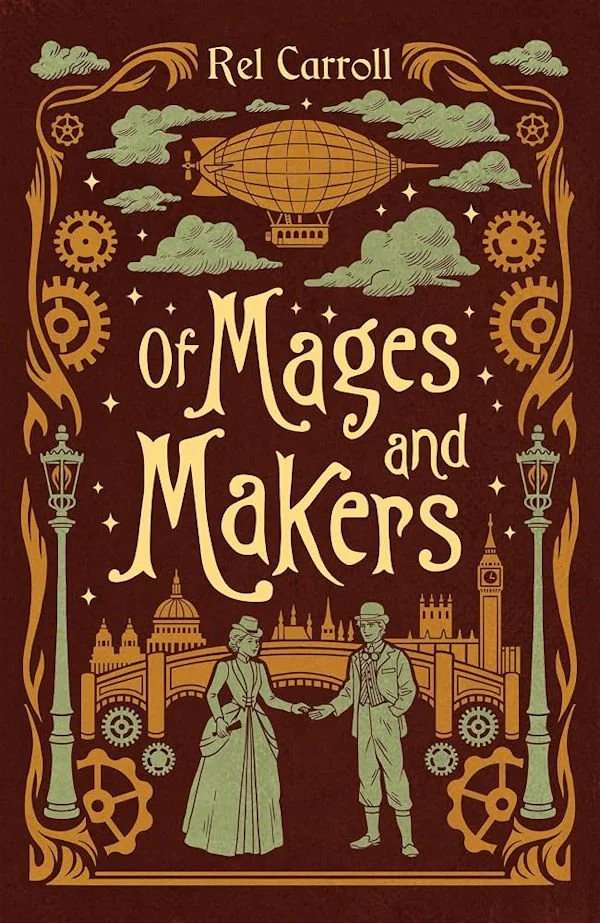
In the landscape of modern self-published fantasy, few subgenres offer the escapist allure of "gaslamp fantasy"—a blend of Regency-era social etiquette and speculative steampunk technology. As the 11th annual Self-Published Fantasy Blog-Off (SPFBO 11) nears the conclusion of its first round, one title has emerged as a standout favorite among the judging panel: Of Mages and Makers.
This debut novel has garnered praise for its sharp banter, inventive world-building, and a refreshingly honest approach to romantic tension. By weaving together the disparate threads of aristocratic obligation, political conspiracy, and mechanical innovation, the novel offers a cozy, high-stakes romp that has captivated critics and readers alike.
The Core Narrative: Masks and Machinery
At the heart of the story is Art Keays, a gentleman who has carefully curated a reputation as a useless, idle dandy. However, this facade hides a man of action who works in the shadows to protect persecuted mages. His carefully constructed life of convenience is upended when his sister, a brilliant inventor, unveils a revolutionary device at the prestigious Maker Exhibitions—only to have her blueprints stolen.
The theft is not merely a personal crisis; it is a political powder keg. In the city of Diadem, tensions between the ruling elite, the common "cogs," and the marginalized mage population are at a breaking point. The stolen blueprints, which could grant ordinary citizens access to magic, threaten to collapse the delicate status quo of the kingdom of Parure.
Enter Miss Audrey Clune, a young noblewoman who yearns for the adventure found in the pages of her favorite novels. Faced with a stifling arranged marriage, Audrey embarks on a journey to visit her aunt, only to find herself embroiled in a dangerous highway robbery. This encounter forces her into the orbit of Art Keays, leading to an unlikely partnership where both must navigate a world of shifting allegiances, hidden identities, and the dangerous consequences of truth.
Chronology of a Literary Romp
The narrative structure of Of Mages and Makers follows a rapid, adventure-driven timeline that prioritizes character chemistry over slow-burn exposition.
- The Inciting Incident: The Maker Exhibitions serve as the catalyst for the entire plot. Cecily Keays’ invention acts as the "MacGuffin," triggering the theft and forcing Art to step out of his comfort zone.
- The Meeting of Minds: Audrey’s journey, intended as a mundane transition between her grandmother’s expectations and a new life, becomes a catalyst for her own transformation. The ambush she suffers is the narrative "Point of No Return," moving her from the passive role of a noblewoman to an active participant in a conspiratorial investigation.
- The Investigation: As Art and Audrey converge, the plot shifts into a detective-style race against time. The duo must recover the blueprints before they fall into the hands of those who would use them to incite civil war.
- The Climax and Resolution: The story resolves with a series of revelations that peel back the layers of both characters’ personas. Unlike many novels in the genre, the conclusion avoids the trope of "miscommunication-driven conflict," opting instead for a more mature, transparent resolution that satisfies the readers’ desire for emotional payoff.
Supporting Data: Why the Judges Are Hooked
The SPFBO 11 judging panel, composed of a diverse array of literary critics, provided a multifaceted analysis of the work. While consensus on minor pacing issues exists, the overall reception of the novel has been overwhelmingly positive.
Character Dynamics
A recurring theme in the judges’ reports is the strength of the lead characters. Eva, one of the primary reviewers, noted that while the "lazy-but-actually-a-hero" trope is a staple of the genre, Art Keays is elevated by his transparency. "I despise miscommunication tropes," Eva noted, "and was delighted this did not fit that bill."
Similarly, Audrey Clune’s development from a sheltered noblewoman to a capable adventurer was cited as a major strength. Though some judges, such as Kerry, expressed a desire for more foreshadowing regarding Audrey’s personal health struggles, the consensus remains that she is a compelling, relatable, and courageous protagonist.
World-Building and Atmosphere
The setting of Diadem and the kingdom of Parure is described as a "glittering, gaslamp-lit stage." Maureen, a member of the judging panel, highlighted the sophistication of the world-building:
"The city of Diadem and the monarchy of Parure combine the glitter of the gilded age with magic, steam inventions, and the rustle of fine silk. Magic has been invented in such a way as to give access to the populace, yet restrict it to a group of nobles who stand in competition with the monarch."
While some reviewers, including Sara, noted that the pacing felt rushed at times—occasionally leaving them wishing for more detailed context in the opening chapters—the atmospheric consistency of the steampunk aesthetic served to bridge those gaps.
Official Perspectives and Critical Analysis
The critical response to Of Mages and Makers highlights a shift in current fantasy trends toward "comfort reading" that does not sacrifice intellectual weight.
- The "Fantasy of Manners" Appeal: Julia, a self-proclaimed skeptic of romance-heavy narratives, praised the book for its ability to charm even the most cynical reader. "This is comfort reading," she wrote. "It leaves you warm and hopeful, not contemplative."
- Consent and Agency: Maureen pointed out that the narrative is not just a lighthearted romp; it contains an underlying emphasis on consent and autonomy—themes that resonate deeply within the context of the characters’ struggle against societal expectations.
- Technical Execution: The prose is widely regarded as "strong and polished." The balance between the "Bridgerton-style" Regency atmosphere and the gritty industrial tension of a steampunk uprising is managed with notable technical proficiency for a debut author.
Implications for the SPFBO 11 Competition
As the competition enters its final stages, Of Mages and Makers has set a high bar for what constitutes a successful self-published fantasy novel. Its success suggests several key takeaways for the independent publishing industry:
- The Demand for "Cozy" Complexity: Readers are increasingly gravitating toward books that offer high-stakes adventure without the unrelenting grimness often found in modern fantasy. The "Fantasy of Manners" subgenre is experiencing a clear renaissance.
- The Value of Transparency: By subverting the "miscommunication" trope—which often drives unnecessary drama in romance plots—the author has demonstrated that characters can be honest and still maintain tension through external, rather than internal, conflict.
- The Importance of Polished Prose: Regardless of the "cozy" nature of the story, the judges emphasized that the book’s success is rooted in its high-quality writing. Even in niche genres, editorial polish is the primary differentiator that keeps readers engaged.
Final Thoughts
With two more semi-finalists to review before the final reveal, the pressure on the remaining entrants is immense. Of Mages and Makers has succeeded by focusing on what makes a story truly memorable: characters who grow, a world that feels lived-in, and a plot that manages to be both lighthearted and deeply consequential.
For those interested in following the remainder of the SPFBO 11, the official SPFBO website continues to provide updates on the competition. As the judges prepare for their final deliberation, it is clear that Of Mages and Makers has secured its place as a standout entry—a testament to the vibrancy and talent currently found in the self-publishing sphere.
As one judge aptly concluded, "I’d recommend it to anyone looking for a cozy ‘Fantasy of Manners’ with a heavy dose of magical and mechanical inventions." Whether the book advances to the next round or not, it has already achieved the ultimate goal of any narrative: it has charmed its audience.


 Suro Senen
 Basiran