

The frantic energy of the French Riviera has settled, and the Fourth of July fireworks have faded, leaving the commerce media industry in a rare moment of introspection. Following the high-stakes glitz of Cannes Lions—where artificial intelligence, agentic workflows, and retail media network (RMN) consolidation dominated the conversation—the industry is now pivoting back to the pragmatic mechanics of growth.
While the "flashy" era of partnership announcements that defined June is momentarily cooling, the underlying infrastructure of commerce media is undergoing a profound transformation. This week’s developments—ranging from potential high-profile acquisitions to the professionalization of the talent pool—suggest that the industry is moving past its "wild west" phase and into a period of strategic consolidation.
Main Facts: The New Market Dynamics
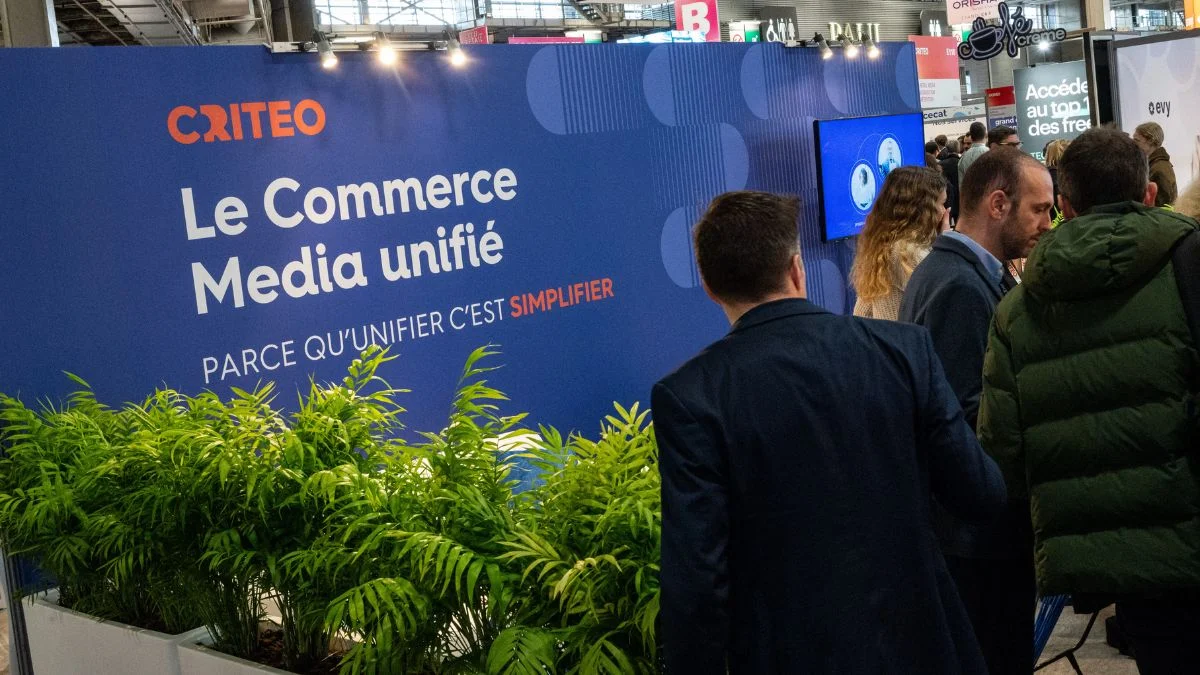
This week, the commerce media sector signaled that the focus is shifting from experimental investment to long-term scalability. The headline-grabbing news of a potential Criteo acquisition has sent ripples through the advertising technology ecosystem, acting as a barometer for market valuation and the ongoing war for data dominance.
Simultaneously, the expansion of Pacvue’s footprint—adding yet another major retailer to its roster—underscores the critical importance of retail-centric software-as-a-service (SaaS) platforms. As brands struggle to harmonize their presence across a fragmented ecosystem of digital storefronts, these platform-agnostic tools are becoming the "connective tissue" of the commerce media economy.
Perhaps most significantly, the launch of a new nonprofit entity dedicated to supporting commerce media talent highlights a maturing industry. By fostering professional development, the sector is finally addressing the "skills gap" that has plagued retailers and brands alike as they attempt to operationalize sophisticated programmatic media buying within retail environments.
Chronology: A Week of Quiet Consolidation
The week began with a sense of "post-Cannes decompression," as analysts and executives assessed the viability of the "agentic" promises made on the Croisette. The progression of the week unfolded as follows:
- Monday: Initial reports began circulating regarding strategic interest in Criteo, positioning the company as a centerpiece for any major ad-tech roll-up strategy.
- Tuesday: Pacvue announced a significant expansion in its retail partnerships, reinforcing its dominance as a leading commerce acceleration platform.
- Wednesday: The industry turned its attention to workforce development, with the quiet launch of a nonprofit initiative aimed at upskilling the next generation of retail media practitioners.
- Thursday: Market analysts began dissecting the long-term implications of these moves, specifically regarding how they affect the current "walled garden" vs. "open web" tug-of-war.
- Friday: A period of reflection as the industry prepares for the Q3 earnings season, which will ultimately dictate the pace of innovation for the remainder of the fiscal year.
Supporting Data: The Growth of the Commerce Media Ecosystem
To understand why these shifts matter, one must look at the data governing the retail media boom. Recent projections suggest that retail media spend is set to eclipse traditional linear television advertising within the next three years.
The current landscape is defined by:
- High-Margin Revenue: Retailers are increasingly moving toward commerce media as a primary profit driver, often boasting operating margins that exceed their core retail business.
- Fragmented Inventory: With over 200+ active retail media networks, brands are facing "network fatigue." This is the primary driver behind the success of platforms like Pacvue, which aggregate these disparate channels into a single management console.
- The Third-Party Cookie Sunset: As Google’s privacy initiatives continue to loom, the "first-party data" held by retailers has become the most valuable currency in digital advertising. Criteo’s valuation is inherently tied to this, as they bridge the gap between retail data and open web inventory.
Official Responses and Industry Sentiment
While many of the specific acquisition discussions remain under non-disclosure agreements, the industry consensus is one of cautious optimism.
"We are seeing a shift from ‘can we do this?’ to ‘how do we do this better?’" notes one industry analyst. "The excitement at Cannes was about potential. The activity this week is about execution."
Regarding the new nonprofit initiative, early industry response has been overwhelmingly positive. The talent gap in commerce media is arguably the industry’s greatest threat to sustained growth. By providing formal frameworks for training, this new entity is expected to bridge the gap between traditional brand marketing and technical retail media management.
"The demand for talent who understand both the creative side of brand building and the granular, data-heavy side of retail conversion is unprecedented," says an executive from a top-tier holding company. "Investing in this talent isn’t just a corporate social responsibility move; it’s an operational necessity."
Implications: Where Does Commerce Media Go From Here?
The implications of this week’s news are twofold: consolidation and professionalization.
The Consolidation Play
The chatter surrounding a Criteo acquisition suggests that the era of standalone, mid-market ad-tech providers may be drawing to a close. To compete with the behemoths of the industry, technology providers must now offer a comprehensive suite that covers the entire customer journey—from search and discovery to the final transaction. If a major acquisition proceeds, it will likely trigger a domino effect, forcing other players to seek mergers to maintain their competitive edge.
The Professionalization of the Workforce
For years, commerce media was a "side hustle" for digital marketers. Today, it is a primary budget line item. The introduction of dedicated support for talent indicates that the industry is no longer relying on "learning on the job." We are moving toward a standard of certification and professional rigor that will likely see the rise of standardized metrics, ethical guidelines for retail data usage, and a more robust career path for those entering the field.
The Role of Software-as-a-Service (SaaS)
Retailer-specific platforms (like those provided by Pacvue) are becoming the arbiters of truth in a market plagued by varying attribution models. As retailers continue to open their "walled gardens" to third-party integrations, the importance of these middle-ware platforms will only grow. They provide the necessary transparency for brands to compare ROAS (Return on Ad Spend) across different retail environments, a metric that was previously opaque.
A Final Note on Industry Evolution
As we look toward the remainder of the year, the "flashy" announcements of early summer will be judged by their ability to deliver on the fundamental promise of commerce media: the alignment of the retailer’s goal to sell and the brand’s goal to be seen.
This marks a transition in the rhythm of our industry reporting. While the high-level deal-making continues behind closed doors, the true story of commerce media is being written in the quiet efforts to standardize, organize, and professionalize the sector.
Editor’s Note: This marks the final end-of-week commerce media roundup from this author. The industry continues to evolve at a blistering pace, and the exchange of information is vital to our collective success. For those who wish to contribute future tips, industry gossip, or significant developments, please direct your correspondence to [email protected].











