Siti Muinah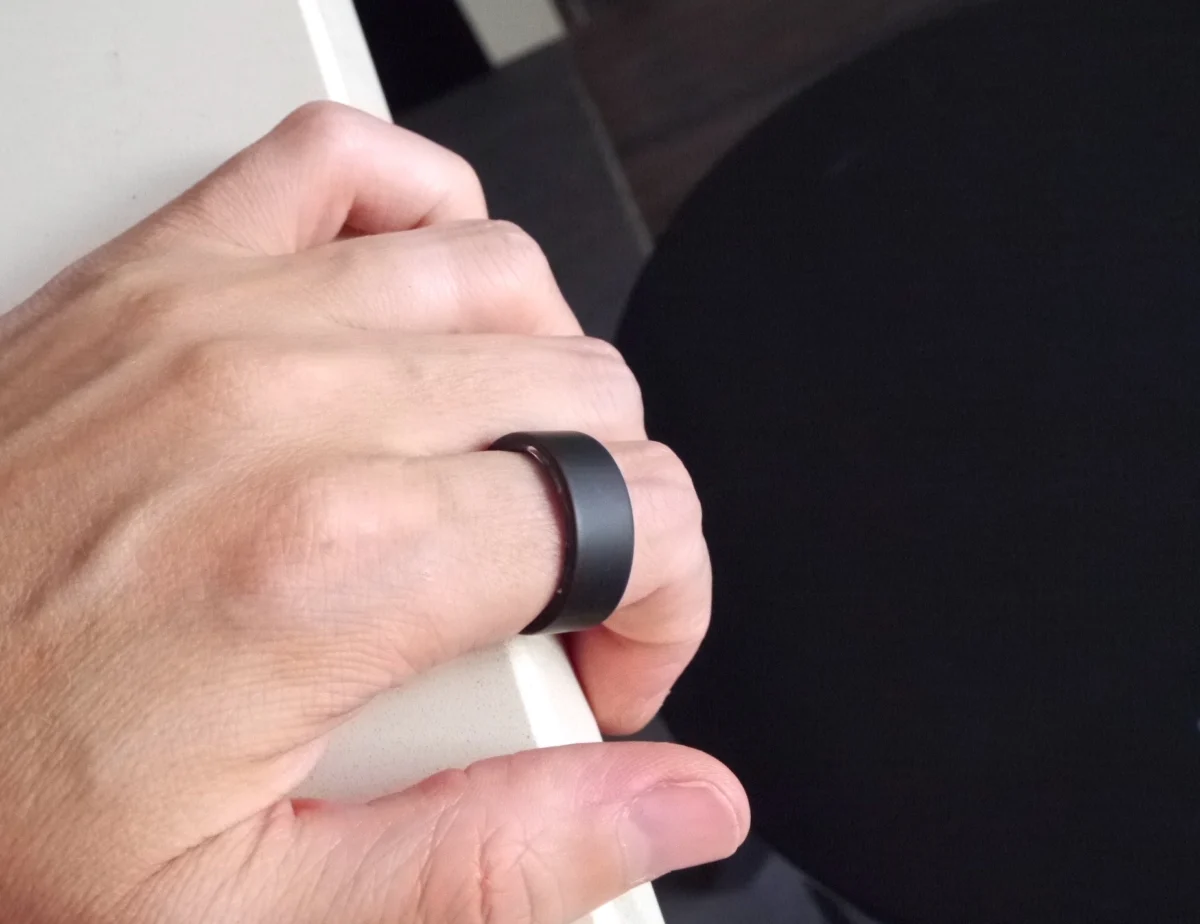
In an era where personal wellness metrics have become a cornerstone of daily life, the digital security of the platforms tracking our most intimate biological data has never been more critical. Ultrahuman, the India-based health-tech unicorn, recently confirmed a significant cybersecurity breach that resulted in unauthorized access to sensitive user information. The incident, which occurred late in March 2026, has raised urgent questions regarding the security protocols of wearable technology companies and the potential vulnerabilities inherent in storing personal health data on centralized servers.
Main Facts: The Scope of the Incident
The breach, officially disclosed by Ultrahuman on Wednesday, involved unauthorized actors gaining access to an internal analytics system. According to the company, the entry point was a compromised set of employee credentials, harvested through malware installed on a staff member’s workstation.
While the company has been cautious with specific numbers, internal analysis suggests that approximately 0.1% of its user base was impacted. With Ultrahuman reporting roughly 700,000 monthly active users (MAU) as of early 2026, this percentage indicates that at least 700 individuals have had their personal wellness data exposed.
Ultrahuman was quick to clarify that the breach was contained to an internal analytics platform. The company stated unequivocally that passwords, payment information, primary production systems, and the functionality of the Ultrahuman Ring devices themselves remained secure and untouched. Despite this, the nature of the data accessed—categorized vaguely by the firm as "wellness data"—remains a point of concern for privacy advocates and the company’s extensive user base.
A Chronology of the Breach
The timeline of the incident reflects both the rapid nature of modern cyberattacks and the subsequent response protocols deployed by the startup.
- March 27, 2026: The breach occurs. Attackers utilize stolen credentials from a compromised employee laptop to gain "read-only" access to an internal system used for analytics.
- Late March 2026: Within hours of the intrusion, Ultrahuman’s security alerting systems detect the unauthorized activity. The company immediately initiates incident response procedures, taking the affected system offline and revoking all compromised access tokens.
- Post-Incident Audit (March – April 2026): Following the containment of the breach, Ultrahuman management begins a comprehensive audit to determine the scope of the exfiltration and the exact nature of the compromised data. This phase involves coordination with regulatory bodies to ensure compliance with data protection laws.
- April 2026: The company formalizes its notification process, contacting affected customers via email and publishing an official FAQ on their legal notice board to address concerns and provide transparency.
Supporting Data: The Rise of Ultrahuman
To understand the scale of the risk, one must look at the rapid growth of Ultrahuman. Founded in 2019, the company has positioned itself as a major disruptor in the wearable health sector. Its product line, which includes the Ring Air and the recently unveiled Ring Pro, tracks everything from metabolic health to sleep patterns, heart rate variability, and recovery metrics.
The company has seen significant investment, raising approximately $103 million to date from high-profile backers including Nexus Venture Partners, Steadview Capital, and Blume Ventures. This capital has fueled an aggressive push into the U.S. market, where it competes directly with established players like Oura. However, as the user base grows into the hundreds of thousands, the attractiveness of Ultrahuman’s servers as a target for malicious actors increases in parallel. The breach serves as a stark reminder that as a company scales, the surface area for potential attacks grows exponentially.
Official Responses and Corporate Strategy
In a statement provided to the media, Ultrahuman CEO Mohit Kumar emphasized the speed at which the company acted to mitigate the fallout. "Our security alerting systems detected the incident within hours, and we closed the vulnerability swiftly," Kumar noted.
The company’s decision to delay notifying users while they conducted an audit was framed as a strategic necessity rather than an attempt to obscure the facts. By verifying the exact scope of the incident first, the firm aimed to provide accurate, rather than speculative, information to those affected.
However, the company remains tight-lipped regarding specific details that might assist in threat hunting or public accountability. Ultrahuman has declined to comment on whether the hackers reached out to the company, nor have they provided a granular breakdown of what constitutes "wellness data." Furthermore, while the company characterizes the access as "read-only," it has not explicitly confirmed whether data was exfiltrated (downloaded or copied) by the attackers, or if the intruders merely viewed the information in situ.
Implications for the Wearable Tech Industry
The Ultrahuman incident is not merely an isolated IT failure; it is a symptom of a broader issue within the "Quantified Self" industry. Health-tech startups prioritize user experience, battery life, and sensor accuracy, often building data pipelines that are centralized to allow for "internal analytics."
The Risk of Centralization
When companies like Ultrahuman, Oura, or Whoop aggregate user health data on their servers, they create a "honeypot" of highly sensitive biological information. Unlike a credit card number, which can be canceled and replaced, biological data—such as sleep patterns or metabolic health markers—is permanent and inherently personal. If this data is accessible to employees for analytics, it is, by extension, accessible to anyone who can compromise those employees.
Regulatory and Privacy Pressures
This breach will likely invite increased scrutiny from regulators, particularly in jurisdictions with strict data privacy laws like the EU (GDPR) and various U.S. states (CCPA). The incident highlights a critical vulnerability: the "insider threat" model, where stolen credentials act as a skeleton key. As wearable companies collect more granular data, including blood glucose trends and heart health, the expectations for end-to-end encryption and zero-trust architecture will become the industry standard.
The Consumer Perspective
For the end user, the breach at Ultrahuman forces a difficult trade-off. Consumers want the insights that these smart devices provide, but they are increasingly wary of the cost of that convenience. The fact that an employee’s laptop was the vector for this breach suggests that the weakest link in the chain remains human error. Companies will now have to work twice as hard to regain user trust, potentially by implementing stricter hardware-based authentication (such as security keys) for employees and moving toward decentralized data storage models where the company itself cannot access individual raw health metrics.
Looking Forward: Lessons Learned
As Ultrahuman continues its U.S. expansion, the lessons learned from this incident will be paramount. The company has successfully navigated the technical challenges of product development and market competition, but it is now entering the "maturity phase" of corporate existence—a phase where data security is as important as the product itself.
The firm has indicated that it is taking steps to harden its infrastructure. Whether these measures are sufficient to prevent a recurrence remains to be seen. For now, the 700+ users affected by the breach must remain vigilant against potential phishing attempts, as their health data—while not as immediately actionable as a bank account number—can be leveraged in sophisticated social engineering campaigns.
In the final analysis, the Ultrahuman breach serves as a cautionary tale for the entire wearable ecosystem. As our devices move from simply tracking steps to monitoring complex metabolic and physiological health, the responsibility of the companies behind them to protect that data becomes a matter of public health security. The era of treating health data as just another data point is over; it is time for the industry to adopt the rigorous security standards expected of healthcare providers.

 Asro
Asro
 Ammar Sabilarrohman